 Tiếng
Việt
 Tiếng
Anh
 Tiếng
Nhật



 Tiếng Anh

How are the testing standards for the operating range of electric motorcycles applied?

Electric motorcycle testing standards are a set of regulations and evaluation methods developed to assess the performance, safety, and quality of vehicles before they are introduced to the market. Through standardized testing procedures, manufacturers can accurately determine key parameters such as operating range, energy consumption, battery performance, charging capability, and vehicle stability under various operating conditions.
As the electric motorcycle market continues to grow rapidly worldwide, the application of testing standards has become increasingly important to ensure transparency and comparability between products. Standards such as WMTC, WLTP, and national technical regulations not only help consumers accurately evaluate vehicle performance but also support manufacturers in meeting legal requirements, improving product quality, and expanding opportunities to participate in international supply chains. So, how do current electric motorcycle testing standards work? What parameters do they evaluate, and what role do they play for manufacturers and the development of the electric vehicle industry? In this article, let's explore these questions in greater detail with CNC VINA.
1. Why are testing standards for electric motorcycle operating range necessary?
Under real-world conditions, the operating range of electric motorcycles can vary significantly depending on travel speed, load, terrain, ambient temperature, and riding style. Without a standardized testing method, manufacturers may report different results, making it difficult for consumers to compare products accurately.

The testing standards are developed to:
-
Ensure the objectivity of measurement results.
-
Provide a basis for comparing different vehicle models.
-
Support regulatory authorities in monitoring product quality.
-
Increase the reliability of technical specifications published on the market.
2. Common electric motorcycle testing standards currently in use
Currently, electric motorcycle manufacturers around the world use various standards to evaluate the operating range and energy consumption of their vehicles. Each standard is developed based on specific testing conditions, resulting in different measurements of driving range and vehicle operating efficiency.

2.1. WMTC (World Motorcycle Test Cycle)
WMTC is a testing cycle specifically developed for motorcycles and motorbikes. This standard simulates real-world operating conditions through different phases of acceleration, deceleration, and steady-speed driving.
WMTC test results generally reflect actual riding conditions quite closely, which is why the standard is adopted by many countries and manufacturers.
2.2. WLTP (Worldwide Harmonized Light Vehicles Test Procedure)
WLTP is a testing standard developed to replace NEDC and is currently widely applied in Europe to electric vehicles, including electric cars and electric motorcycles. This standard is based on real-world driving data, helping provide a more accurate representation of vehicle performance under everyday operating conditions.
For electric motorcycles, WLTP evaluates operating range, energy consumption, and operating efficiency through a standardized test cycle consisting of multiple phases, including acceleration, deceleration, idling, and maintaining different speed levels. Testing is conducted under controlled conditions to ensure consistency and comparability between vehicle models.
Compared with NEDC, WLTP uses a longer test distance, higher average and maximum speeds, and more realistic simulations of actual traffic conditions. As a result, the measured driving range per charge and energy consumption are generally more reliable, providing users and manufacturers with an objective basis for evaluating vehicle performance.
Currently, many electric vehicle manufacturers worldwide use WLTP when publishing technical specifications. It is also one of the important reference standards for regulatory authorities and international markets when evaluating the operating efficiency of electric motorcycles.
2.3. NEDC (New European Driving Cycle)
NEDC is a testing standard for operating range and energy consumption that was once widely applied in Europe to various vehicles, including electric motorcycles. This standard was developed in the 1980s to establish a uniform evaluation method for manufacturers.
However, NEDC conducts tests under relatively ideal conditions, with low average speeds, gentle acceleration, minimal load variations, and limited simulation of real-world traffic situations such as traffic congestion, sudden acceleration, or high-speed operation. As a result, the measured driving range per charge is often significantly higher than what users experience in actual conditions.
Today, when comparing the technical specifications of electric motorcycle models, users should pay attention to the standard used to determine the published operating range. For the same vehicle model, the operating range measured under NEDC is generally higher than that measured under WLTP or WMTC due to differences in testing methods and evaluation conditions.
2.4. Các tiêu chuẩn quốc gia
In addition to international standards such as WMTC and WLTP, many countries have developed their own testing procedures to evaluate the operating range and energy consumption of electric motorcycles. These standards are designed based on local traffic characteristics, road conditions, climate, and vehicle usage habits to ensure that test results more accurately reflect actual operating conditions.
In China, regulatory authorities apply testing procedures suited to high urban traffic density and the widespread use of electric vehicles. Meanwhile, the United States uses evaluation methods that focus on diverse operating conditions, including both urban roads and highways, to accurately reflect vehicle performance in different situations. India has also developed its own standards to accommodate congested traffic conditions, high ambient temperatures, and the substantial demand for two-wheeled vehicles among its population.
Due to differences in testing methods, operating conditions, and evaluation parameters, the published operating range of the same vehicle model may vary between countries or testing standards. Therefore, when comparing electric motorcycle specifications, users and businesses should pay attention to the applicable testing standard to gain a more accurate and objective understanding of the vehicle's actual performance.
3. Các thông số được đánh giá trong thử nghiệm
To accurately evaluate the operating range and performance of electric motorcycles, testing standards measure not only the distance traveled but also various technical indicators related to energy consumption and battery system conditions. These parameters provide manufacturers, regulatory authorities, and consumers with an objective basis for assessing the actual operating efficiency of vehicles.
3.1. Phạm vi hoạt động tối đa
Maximum operating range is one of the most important indicators in electric motorcycle testing. This parameter represents the maximum distance a vehicle can travel after the battery has been fully charged until its capacity reaches the minimum threshold specified in the testing standard. The measured result is usually expressed in kilometers (km) and serves as a basis for users to evaluate whether the vehicle can meet their daily commuting needs.

3.2. Energy consumption
Energy consumption reflects the amount of electrical energy a vehicle uses to travel a certain distance. This parameter is usually expressed in Wh/km (watt-hours per kilometer) or kWh/100 km (kilowatt-hours per 100 kilometers). A lower value indicates greater energy efficiency, helping reduce operating costs and maximize the driving range per charge. This is also an important indicator for comparing the performance of different electric vehicle models.
3.3. Charging efficiency
In addition to operating performance, testing standards also evaluate battery charging efficiency. This includes the time required to fully charge the battery, the efficiency of electrical energy conversion from the power source to the battery, and the total amount of electricity consumed during the charging process. These parameters help determine the effectiveness of the charging system while providing a basis for evaluating operating costs and the overall energy efficiency of electric motorcycles.
3.4. Battery state of charge (SOC)
SOC (State of Charge) indicates the remaining battery capacity at a given time and is usually expressed as a percentage (%). In operating range tests, standards clearly specify the SOC levels at the beginning and end of the measurement process to ensure consistency and comparability between test runs. Strict control of the battery's state of charge helps reduce measurement errors while providing a more accurate assessment of the vehicle's actual performance under standardized operating conditions.

4. What is the significance of electric motorcycle testing lines for manufacturers?
As the electric motorcycle industry continues to grow rapidly, testing standards for operating range, energy consumption, and battery performance are becoming increasingly important. To ensure that every finished product meets the required technical and quality standards before leaving the factory, manufacturers need to invest in specialized testing systems integrated directly into their production lines.
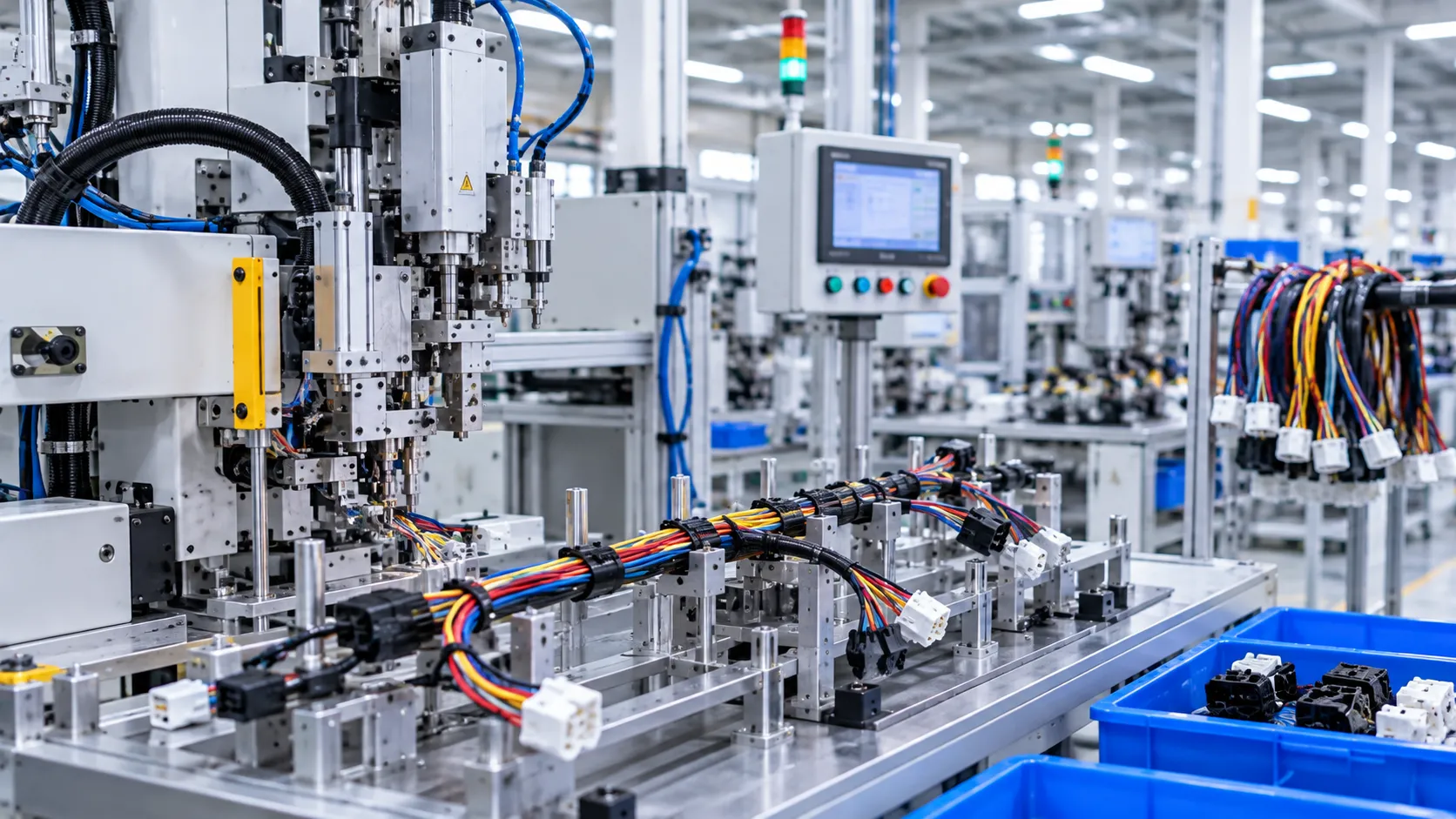
Testing lines help ensure quality control, standardize production processes, and collect operating data for each product. This data provides an important basis for manufacturers to analyze and optimize product designs, improve production processes, and meet increasingly stringent market requirements both domestically and internationally. In particular, for large-scale electric motorcycle manufacturers, the application of automated testing systems helps increase productivity, reduce reliance on manual operations, and ensure consistency across products.

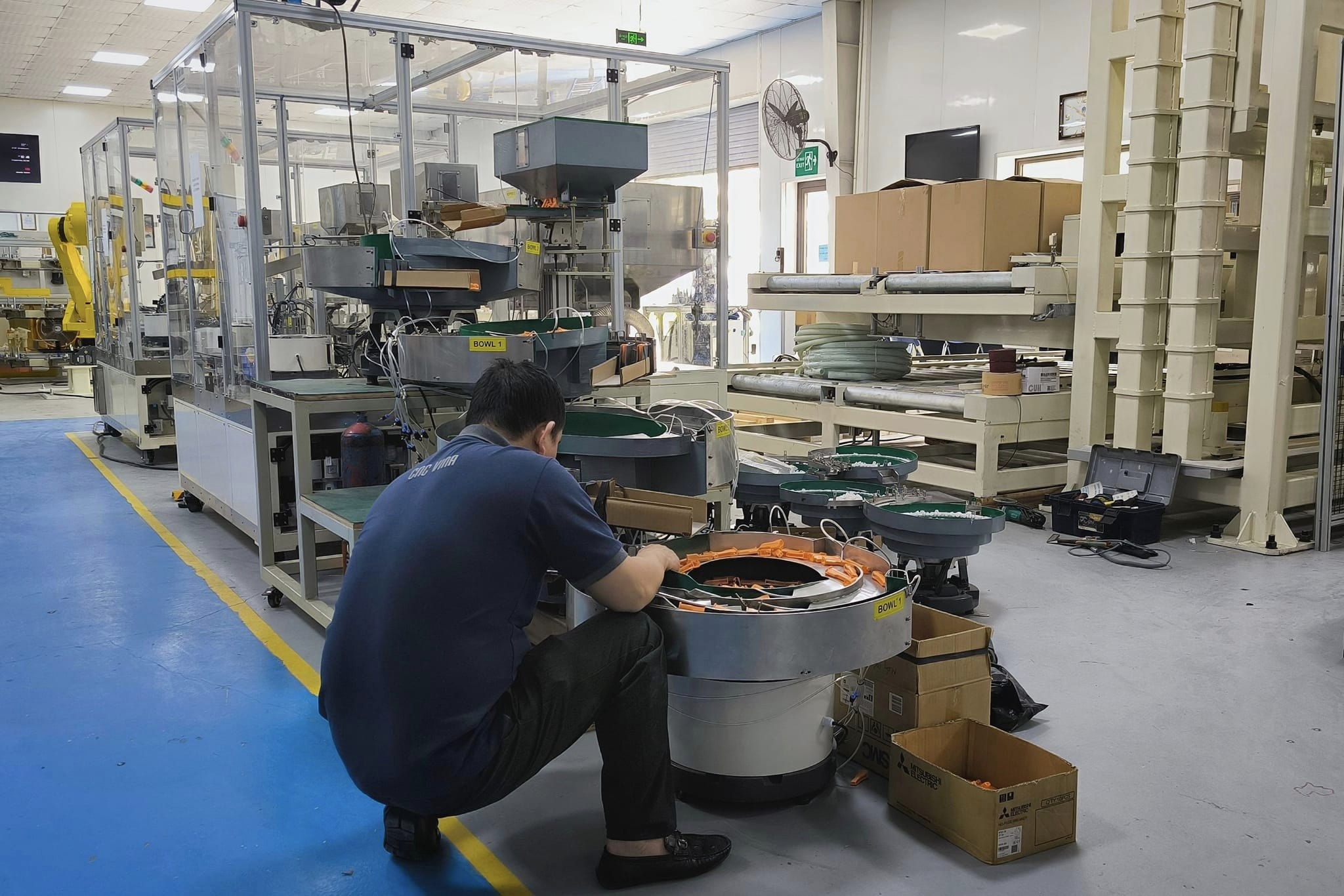
As a company specializing in the design and manufacture of automated machinery and providing automation solutions for the industrial sector, CNC VINA is currently developing and implementing various electric motorcycle production, assembly, and testing lines. CNC VINA's solutions are designed to meet the actual requirements of each factory, addressing key criteria such as productivity, precision, data traceability, and product quality control.
Electric motorcycle operating range testing standards play an important role in evaluating vehicle performance, energy consumption, and the ability to meet real-world usage requirements. Through standardized testing procedures such as WMTC and WLTP, consumers can objectively compare different vehicle models, while manufacturers gain a reliable basis for demonstrating product quality and meeting increasingly stringent regulatory requirements. As the electric vehicle industry continues to grow rapidly, the further development of testing standards will be a key factor in improving transparency, promoting technological innovation, and building market confidence. If you are interested in electric motorcycle quality inspection lines or individual machines for electric motorcycle production lines, please contact CNC VINA today for consultation and a quotation.