 Tiếng
Việt
Tiếng
Việt
 Tiếng
Anh
Tiếng
Anh
 Tiếng
Nhật
Tiếng
Nhật




 Tiếng Anh

Important criteria for selecting an automatic screw feeder

Automatic screw feeder helps organize and supply screws to assembly operations, reducing manual screw handling and supporting a consistent production rhythm. However, selecting the right equipment involves more than evaluating screw-feeding speed. Screw dimensions, feeding method, fastening positions, and tightening force control requirements must also be considered. An unsuitable configuration may result in screw jams, incorrect screw orientation, or interruptions to the assembly cycle. For electronics production lines, manufacturers should also evaluate fault detection capabilities, electrostatic discharge (ESD) protection requirements, and the level of integration with existing equipment. Join CNC VINA as we explore eight key criteria for selecting an automatic screw feeder that meets your production requirements.
What is an automatic screw feeder? How does it differ from an automatic screwdriving machine?
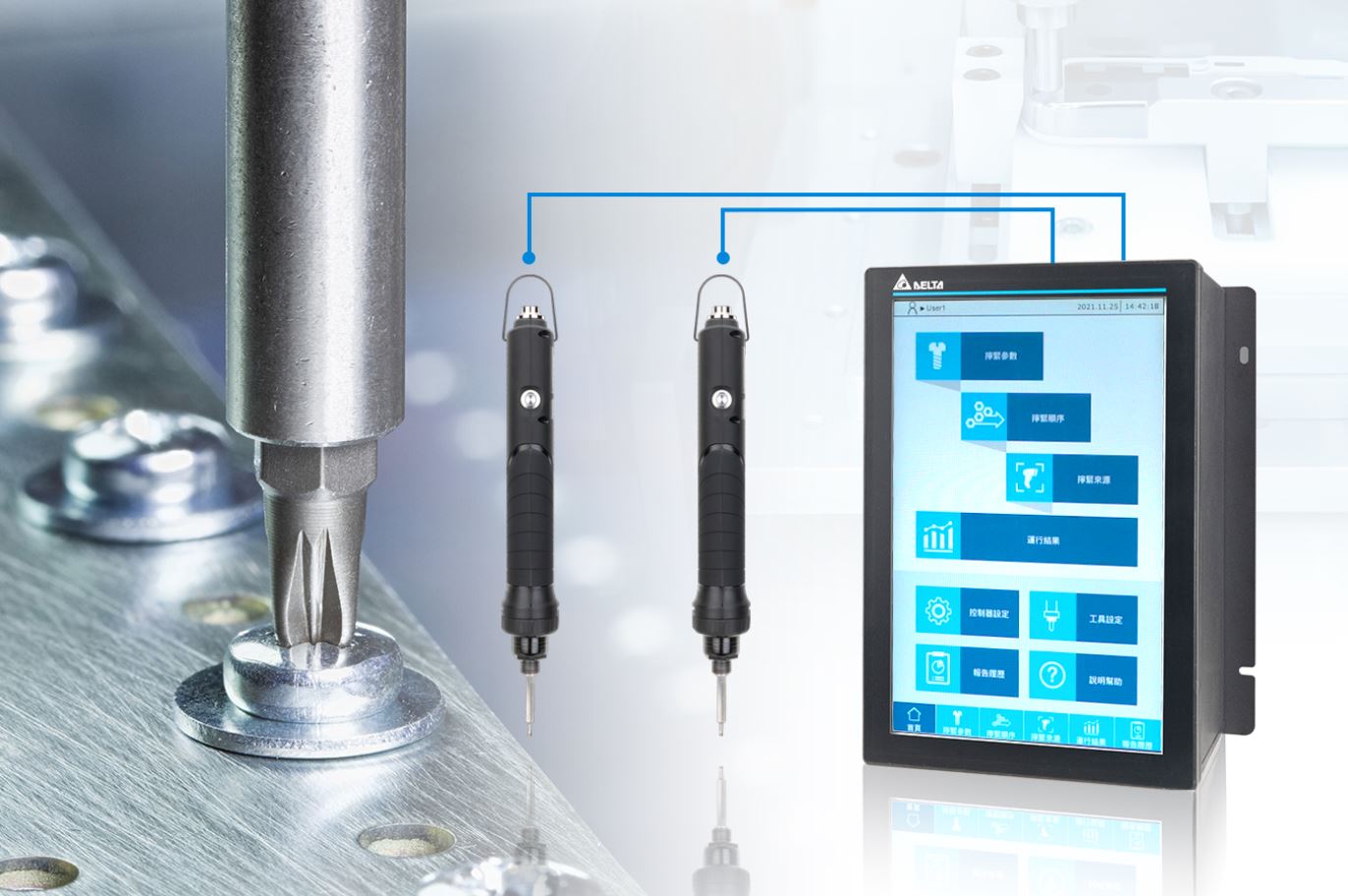
An automatic screw feeder is a device that arranges, orients, and delivers screws to a pickup point or screwdriver bit according to a defined sequence. It can operate independently or be integrated with a screwdriving unit, assembly machine, or screwdriving robot to automate fastening operations. The key difference lies in their functions. A screw feeder focuses on supplying screws, while an automatic screwdriving machine also positions screws at the required fastening locations and tightens them according to specified requirements. A screwdriving robot uses a robotic mechanism to move the screwdriver to programmed fastening positions.
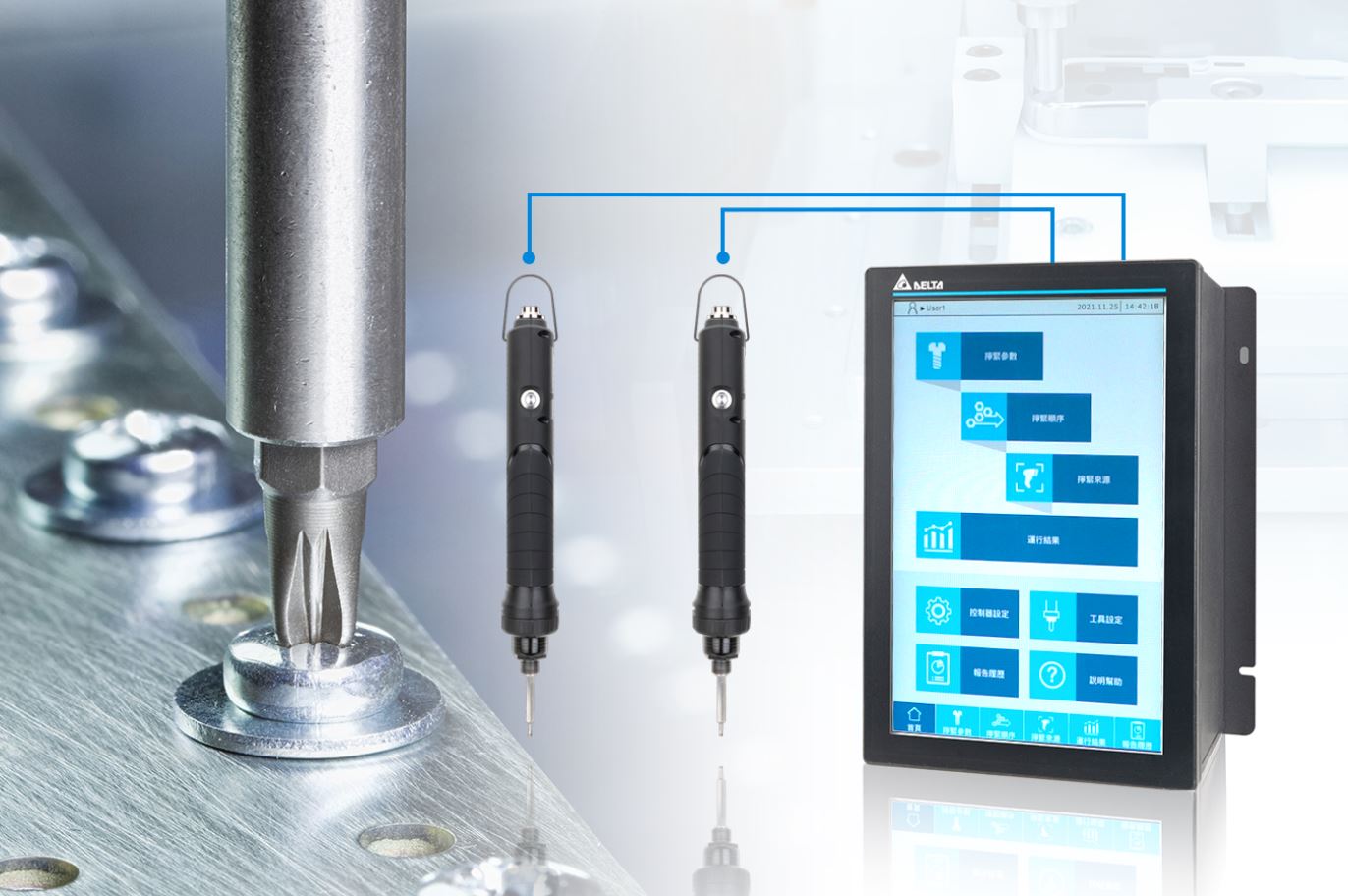
| Equipment | Main function | Typical applications |
|---|---|---|
| Automatic screw feeder | Sorts, orients, and feeds screws | Operations requiring a continuous screw supply |
| Automatic screwdriving machine | Feeds screws, positions them, and tightens them according to the configured process | Product assembly at fixed positions or along a defined cycle |
| Screwdriving robot | Moves the screwdriver to multiple positions according to a programmed sequence | Products with multiple screw locations or changing fastening positions |
When investing in automation, manufacturers should determine whether they only need to automate screw feeding or require automation of the entire screwdriving process. This decision provides the basis for selecting the appropriate equipment configuration, fixtures, and control system.
1. Eight criteria for selecting an automatic screw feeder
A suitable screw-feeding system must meet the requirements of the screws, the product being assembled, and the production cycle. If an integrated automatic screwdriving machine is used, manufacturers should also evaluate its fastening performance, positioning accuracy, and post-fastening inspection capabilities.
1.1. Screw dimensions and types
Screw dimensions and geometry directly affect sorting, feeding, and retention at the screwdriver bit. Key factors include diameter, length, head shape, thread type, material, and surface characteristics. Very small screws may be difficult to orient consistently, while long screws or screws with special geometries may become lodged in the feed track if the system is not designed appropriately. For products that use multiple screw types, manufacturers should also consider changeover time and measures to prevent incorrect screw feeding. Before selecting a machine, provide the supplier with actual screw samples and technical drawings to verify feeding compatibility. Equipment should not be selected based on screw diameter alone, as screws with the same diameter may differ in length, head design, and feeding characteristics.
1.2. Tightening torque and torque control
For an automatic screwdriving machine, tightening torque must match the material, joint design, and product requirements. Excessive torque may damage threads, deform components, or crack the material, while insufficient torque may result in loose joints during operation. Manufacturers should define the required torque range, control method, and acceptance criteria for the completed fastening operation.
Depending on the configuration, the system may use a torque controller, torque monitoring, or a combination of torque data with rotation angle and fastening travel. It is important to note that an automatic screw feeder does not inherently provide torque control. This function belongs to the screwdriver unit and its screwdriving control system. When purchasing an integrated machine, verify the specifications of the complete system rather than relying solely on the screw feeder's specifications.
1.3. Number of screw locations and fastening speed
The number of screw locations on a product affects cycle time, fixture layout, and the movement strategy of the screwdriver. For products with only one or two fixed screw locations, a dedicated automatic screwdriving machine may be sufficient. For products with multiple screw locations or variable fastening positions, a screwdriving robot may be worth considering. Speed should be evaluated based on the actual production cycle, including screw feeding, product positioning, screwdriver movement, tightening, and result verification. The tightening speed alone does not represent the throughput of the entire production line. When comparing solutions, manufacturers should use the same product sample and standardized test conditions. Actual output calculations should account for product loading, model changeovers, fault handling, and machine downtime rather than relying solely on the equipment's nominal speed.
1.4. Screw-feeding method: pneumatic feeding or vacuum pickup
The feeding method should be selected according to screw geometry, the distance between the feeder and the fastening location, and accessibility at the assembly point.
- Pneumatic screw feeding: Screws are conveyed through a feed tube to the screwdriver according to the system design. This method is suitable when the feed path, screw dimensions, and delivery position allow stable screw movement. Potential screw jams, feed-track cleaning, and compressed-air requirements should also be assessed.
- Vacuum screw pickup: A vacuum-assisted screwdriver bit or pickup head holds the screw and transfers it to the fastening location. This method may be suitable for applications requiring direct access to the fastening point or configurations where tube feeding is impractical. Performance depends on screw-head geometry, the ability to establish an effective vacuum seal, and the pickup-head design.
These two methods are not interchangeable in every application. In addition to how screws are delivered to the screwdriver, manufacturers should distinguish between the mechanism that feeds screws from a hopper or track and the mechanism that holds a screw at the tool. Testing with actual screws is essential for evaluating feeding stability before finalizing the design.
1.5. Detection of screw-feeding and fastening faults
In mass production, a screw-feeding fault can interrupt the cycle or result in a nonconforming product. Manufacturers should identify which faults must be detected and select suitable sensors, inspection mechanisms, or monitoring methods accordingly.

The following situations should be considered:
- Missing screw: No screw is present at the feed point, or the screw has not reached the screwdriver.
- Screw jam: A screw becomes stuck in the feeder, feed tube, or screw-pickup mechanism.
- Cross-threading or thread engagement failure: The screw rotates but fails to form a joint that meets the specified requirements.
- Insufficient screw tightening: The screw head has not reached the specified position or tightening condition.
- Protruding screw: The screw head does not sit at the required height relative to the designed surface.
- Incorrect screw type: The screw does not match the type specified for the product being assembled.
Not every system can detect all these faults. For example, final torque data can help identify certain abnormalities, but may not always be sufficient to confirm proper thread engagement or the required screw-head height. If screw depth, head height, or screw presence must be verified, additional travel sensors, presence sensors, or a vision inspection system may be required.
1.6. ESD protection requirements for PCB assembly
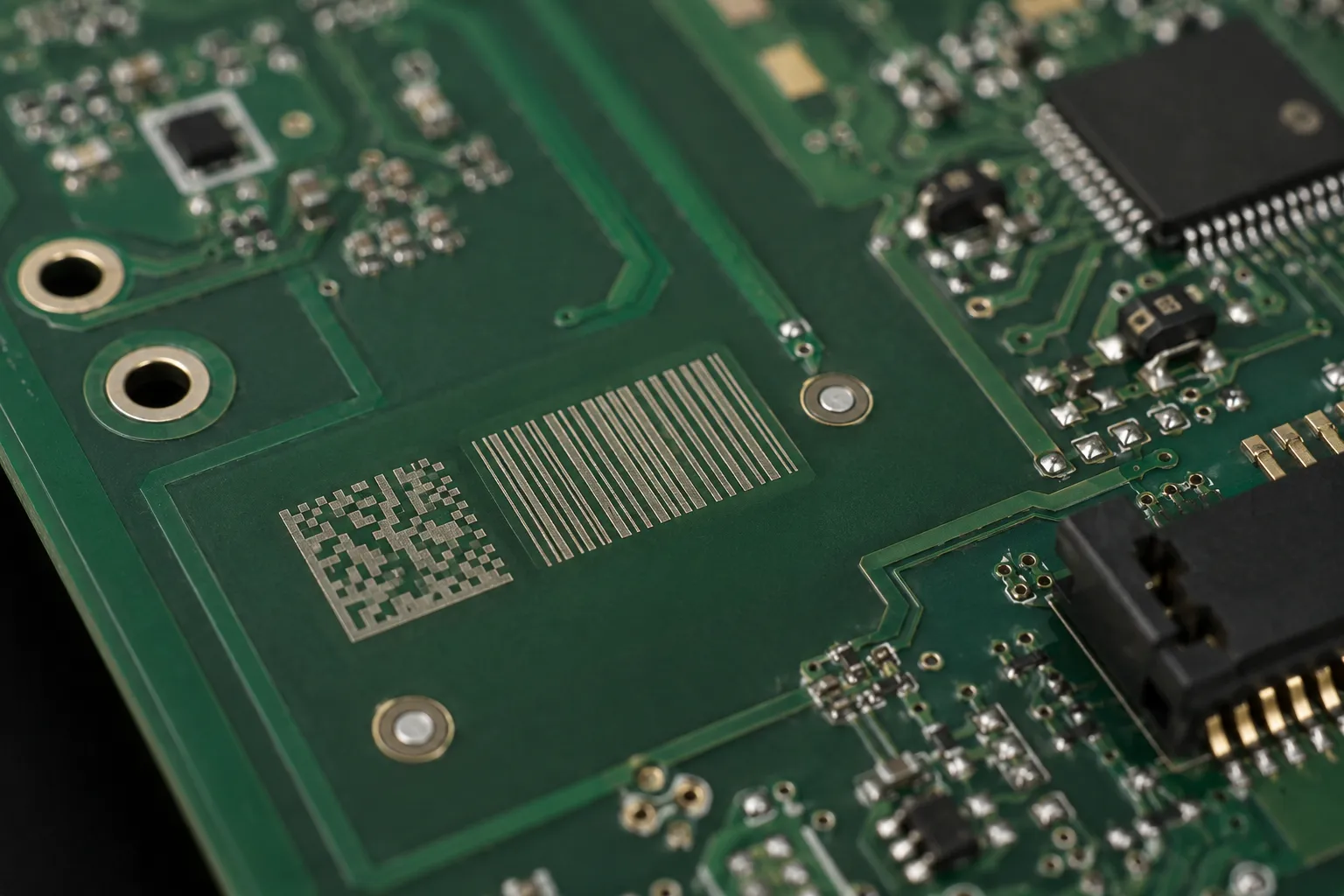
When fastening screws on printed circuit boards (PCBs) or products containing sensitive electronic components, manufacturers should assess the risk of electrostatic discharge (ESD) throughout the entire work area. ESD protection should not be evaluated solely at the screw feeder while overlooking fixtures, contact surfaces, tools, operators, and grounding systems. The appropriate solution should be determined based on the product's component protection requirements and the factory's ESD control procedures. Factors to consider may include contact materials, charge-dissipative properties, grounding, and periodic inspection of protective equipment.
Not every screwdriving operation requires the same ESD configuration. Manufacturers should select suitable measures based on component sensitivity, applicable standards, and the risk assessment for the assembly area.
1.7. Integration with fixtures and production lines
An automatic screw feeder or screwdriving machine must be compatible with the product dimensions, screw-hole locations, and product transfer method. The fixture must hold the product securely, allow the screwdriver to reach the correct positions, and minimize movement during operation. For existing production lines, manufacturers should clarify the signals exchanged between the machine and connected equipment, product acceptance sequences, cycle-start conditions, and fault-handling procedures. If multiple product variants are involved, they should also assess fixture changeover, program selection, and safeguards against incorrect settings.
Integration should be verified using actual product samples and the production line's physical layout. A machine may perform well as a standalone unit but still require mechanical or control-system adjustments to operate reliably within the line.
1.8. Product changeover and data traceability
Factories producing multiple product variants should consider the time required to switch between screw types and products. Relevant settings may include screwdriving programs, operating positions, torque parameters, fixtures, and screw-feeding methods. Where stringent quality management is required, the system may need to record fastening results by product or production cycle. Depending on the equipment's actual capabilities, the data may include pass/fail status and recorded tightening parameters.
Before investing, manufacturers should specify which data must be retained, how the data will be linked to product identifiers, and how it will be exported. Automatic screw feeders should not be assumed to include fastening-result traceability or connectivity with manufacturing execution systems (MES) by default.
2. Common faults in automatic screw feeding and screwdriving
Faults should be classified according to where they occur to avoid unnecessary setting changes or incorrect troubleshooting.
| Symptom | Possible causes | Recommended checks |
|---|---|---|
| Screw is not fed | Empty feeder, blocked feed path, or feeder malfunction | Check screw quantity, feed path, and feeder status |
| Screw delivery to the screwdriver is unstable | Screw geometry is incompatible with the feeding mechanism or feed path | Check screw samples, feed orientation, and alignment mechanism |
| Screwdriver fails to pick up the screw | Misaligned screwdriver or unsuitable screw-retention method | Check the screwdriver bit, vacuum pickup head, and operating coordinates |
| Screw is cross-threaded or fails to engage correctly | Misalignment, incorrect approach angle, or unsuitable tightening conditions | Check the fixture, screw-hole position, and tightening sequence |
| Screw protrudes above the surface | Insufficient installation depth or unsuitable tightening conditions | Check screw-head height and tightening parameters |
| Frequent cycle interruptions | Screw jams, unstable sensor signals, or unsuitable loading procedures | Review fault logs and inspect the relevant modules individually |
When troubleshooting, identify whether the fault originates in screw feeding, screw pickup, positioning, or tightening. Increasing the feeding speed or changing the torque setting before identifying the root cause may cause the fault to recur or compromise product quality.
3. Common mistakes when investing in an automatic screw feeder

Relying solely on published speed figures: The speed of an individual operation does not fully reflect the production cycle. Evaluate the time required for screw feeding, positioning, tightening, result verification, and fault handling.
Failing to test actual screws and products: Differences in screw geometry, material, hole position, and product structure can affect feeding and tightening performance. Sample testing helps identify potential issues before the design is finalized.
Confusing a screw feeder with a screwdriving system: Unless additional functions are integrated, a screw feeder is responsible only for supplying screws. If the objective is to automate the entire fastening process, clearly define the required screwdriver unit, fixtures, control system, and inspection functions.
Overlooking acceptance criteria: Without prior agreement on screw-feeding success rate, cycle time, joint quality, and fault detection capabilities, post-delivery equipment evaluation may lack clear and objective criteria.
Failing to account for product changes: A system suitable for one product variant may not perform equally well when screw dimensions or fastening positions change. Consider product changeover procedures, fixture adjustments, and setup time.
4. CNC VINA's automatic screw feeding and tightening solutions
CNC VINA provides automatic screw feeding and tightening machines to support the automation of screw-feeding and screw-tightening operations in assembly processes. When selecting a configuration, manufacturers should define the screw type, product characteristics, number of fastening points, production cycle, and quality control requirements. Depending on the project, the proposed design should account for coordination between the screw feeder, screwdriver unit, positioning fixtures, and control system. For electronics assembly lines, integration requirements should also cover cycle-start conditions, fault signals, and ESD protection where products contain sensitive electronic components.
To identify a suitable configuration, manufacturers should provide screw samples, product drawings, fastening-point locations, and the target cycle time. Requirements for tightening torque, screw-head height, fault detection, and data retention should also be defined before the equipment configuration is finalized. Testing with actual products provides a basis for evaluating screw-feeding stability, fastening quality, and compliance with production requirements. Manufacturers looking to automate screw-feeding and tightening operations can contact CNC VINA to discuss their technical requirements and potential equipment solutions.
Selecting an automatic screw feeder requires consideration of screw characteristics, feeding methods, production speed, and integration with the assembly process. For an automatic screwdriving system, manufacturers should also evaluate tightening torque, positioning accuracy, and fault detection methods to ensure joint quality. Testing with actual screws and products helps establish a suitable configuration before investing in the equipment. CNC VINA provides automatic screw feeding and tightening solutions tailored to production needs, with the configuration determined by the technical requirements of each project. Manufacturers can contact CNC VINA to discuss their products, target cycle times, and acceptance criteria before selecting equipment.
VIETNAM CNC TECHNOLOGY APPLICATION JOINT STOCK COMPANY
Factory: Song Cung Industrial Cluster, Dong Thap Commune, Dan Phuong District, Hanoi, Vietnam.
Office: Rox Tower Goldmark City, 136 Ho Tung Mau Street, Phu Dien Ward, Hanoi, Vietnam.
Phone: +84 916 639 355 / +84 915 744 664.
Websites: www.cncvina.com.vn | www.cncvina.net