 Tiếng
Việt
Tiếng
Việt
 Tiếng
Anh
Tiếng
Anh
 Tiếng
Nhật
Tiếng
Nhật




 Tiếng Anh

Why is brake force testing equipment essential in an electric motorcycle assembly line?

Brake force testing equipment has become an essential component of electric motorcycle assembly lines as the electric motorcycle industry continues to expand and demands for product quality and safety become increasingly stringent. Today’s consumers are not only concerned with vehicle performance but also place significant emphasis on braking capability and overall riding safety. As a result, manufacturers must implement strict quality control throughout the assembly process.
Integrating brake force testing equipment into the production line enables manufacturers to accurately evaluate the braking performance of every motorcycle before it leaves the factory. It also helps identify assembly defects or calibration deviations at an early stage, preventing potential quality issues from reaching customers. Furthermore, this equipment plays a crucial role in supporting manufacturers' transition toward modern, data-driven, and highly automated production systems. In this article, CNC VINA explores why brake force testing equipment has become an indispensable part of modern electric motorcycle assembly lines.
1. Why is brake force testing equipment important in electric motorcycle production lines?
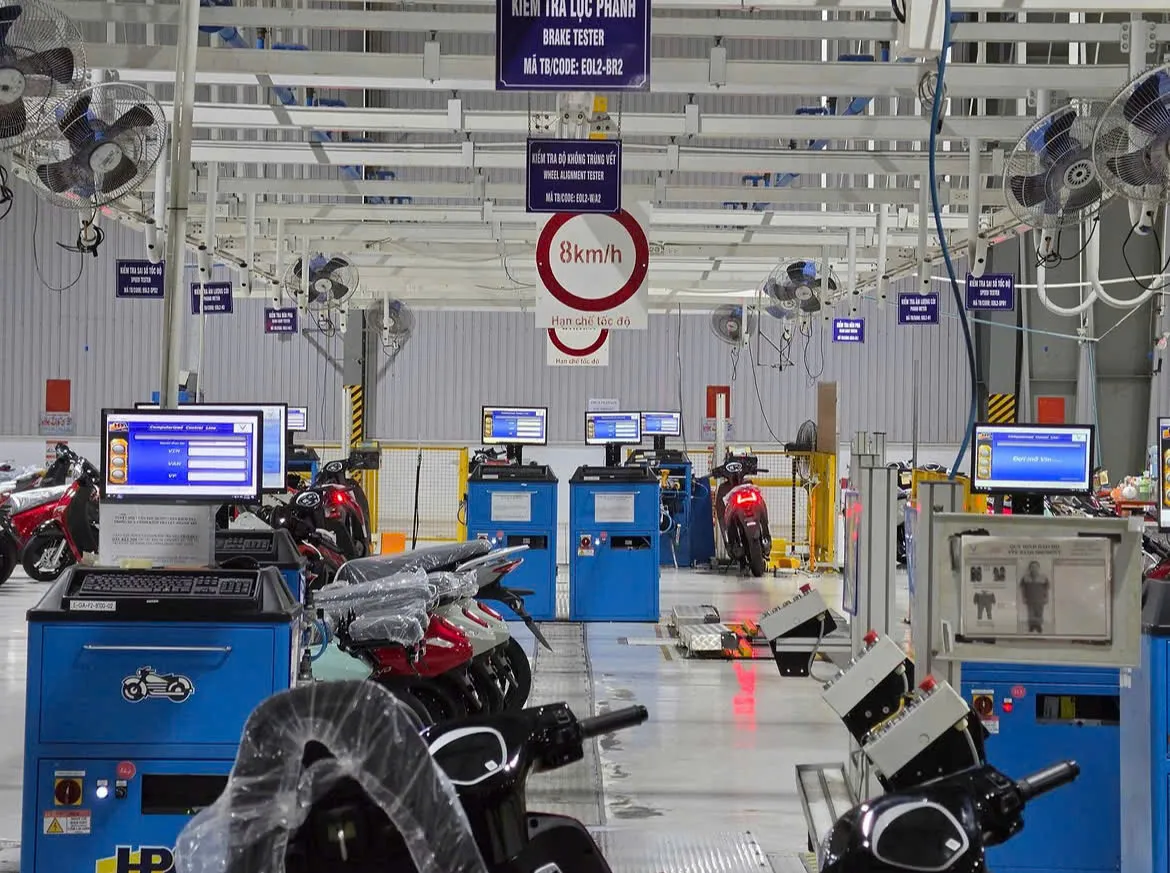
Brake force testing equipment plays a vital role in electric motorcycle assembly lines. Beyond evaluating braking performance, it serves as a critical quality control tool before vehicles are released to the market. Below are the key reasons why this equipment has become indispensable for modern electric motorcycle manufacturers.
1.1. Ensuring rider safety
A reliable braking system is fundamental to the safety of any vehicle. However, this requirement is even more critical for electric motorcycles due to their unique operating characteristics compared to conventional internal combustion engine (ICE) motorcycles. Lithium battery packs significantly increase the overall weight of the vehicle, while electric motors deliver maximum torque instantly from startup, allowing rapid acceleration within a very short time. Consequently, the braking system must generate sufficient braking force and provide precise, responsive control under all operating conditions.
Brake force testing equipment measures and evaluates the braking force of both the front and rear wheels, verifies brake force balance between the two wheels, and assesses overall braking performance against established design specifications. This allows manufacturers to detect assembly deviations or calibration errors at an early stage, reducing the risk of loss of control during emergency braking, shortening braking distances, and ensuring that every motorcycle meets safety requirements before entering the market.
1.2. Standardizing quality across the entire production line
In mass production, product consistency is essential for maintaining quality standards and protecting brand reputation. Every motorcycle leaving the factory must deliver the same level of performance and safety. Therefore, quality inspection must be standardized and independent of individual operator experience. When brake force is evaluated solely through manual inspection, the results can vary due to several factors, including:
- The experience and skill level of individual inspectors.
- Variations in operating or environmental conditions during testing.
- Subjective judgment when assessing braking performance.
For example, two technicians inspecting the same motorcycle may reach different conclusions regarding its braking performance. Such inconsistencies become increasingly problematic as production volume grows.
To eliminate these limitations, brake force testing equipment employs high-precision sensors and automated measurement systems to accurately record the braking force of each wheel. Instead of relying on subjective evaluations, the system collects quantitative measurement data and automatically compares the results against predefined acceptance criteria, ensuring consistent and objective quality control across every vehicle produced.
1.3. Detecting brake system defects directly on the assembly line
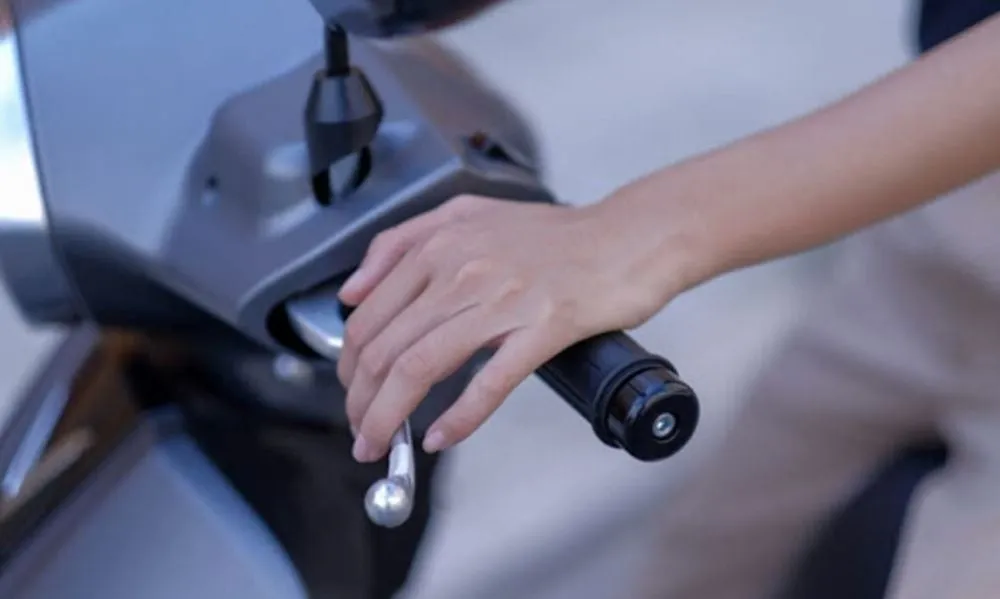
One of the greatest advantages of brake force testing equipment is its ability to detect assembly defects at an early stage, before the vehicle proceeds to subsequent production processes. Rather than simply confirming whether the braking system functions properly, the equipment measures and analyzes critical parameters such as braking force, brake force balance between the front and rear wheels, response time, and overall system stability. When any measured value falls outside the predefined specification limits, the system immediately alerts operators, enabling technicians to identify and resolve the issue before production continues.
Common defects that can be detected include:
- Incorrectly installed brake pads: If the brake pads do not make proper contact with the brake disc, the braking force will be lower than the required specification or unevenly distributed.
- Misaligned or warped brake discs: A warped or improperly installed brake disc causes fluctuations in braking force during rotation. The testing equipment detects these abnormal variations and warns of potential brake disc issues.
- Improper bolt tightening torque: If the bolts securing the brake caliper, brake disc, or related components are not tightened to the specified torque, the brake assembly may shift during operation, reducing braking efficiency or causing unstable braking performance.
- Hydraulic or mechanical brake system malfunctions: Air trapped in the hydraulic lines, brake fluid leakage, sticking pistons, or poorly functioning mechanical components can all reduce braking force or delay brake response. These issues can be identified when measured braking force fails to meet specifications or shows inconsistent test results.
- ABS sensor failures: For electric motorcycles equipped with an Anti-lock Braking System (ABS), faulty wheel speed sensors or an improperly functioning ABS control unit may prevent the system from regulating braking force as designed. During testing, abnormal signals or unexpected measurement results can help technicians identify potential ABS-related issues for further inspection.
- Calibration errors: After component replacement or system assembly, sensors, controllers, or testing equipment that have not been properly calibrated may generate inaccurate measurement results. Early detection allows manufacturers to recalibrate the equipment before vehicles leave the production line.
If these defects are only discovered after the motorcycle has been fully assembled - or worse, after it has been delivered to customers - the repair process becomes significantly more complicated and costly. Multiple assemblies may need to be disassembled, resulting in higher labor costs, additional material consumption, and production delays. By integrating brake force testing directly into the assembly line, manufacturers can identify and correct defects immediately at the source. This approach minimizes rework, prevents defective products from progressing to downstream processes, and significantly improves quality control throughout the entire manufacturing process.
1.4. Meeting technical standards and quality inspection requirements
Today, many countries and export markets enforce stringent regulations regarding the braking performance of electric motorcycles to ensure rider safety. Before products can be released to the market, manufacturers must demonstrate that the braking system of every motorcycle complies with applicable technical standards and performance requirements.
Brake force testing equipment is designed to evaluate several critical performance indicators, including:
- Braking efficiency: The equipment measures the braking force generated when the rider applies the brake. The measured value must exceed the minimum requirement specified by applicable standards to ensure safe deceleration and stopping performance under normal operating conditions.
- Brake force balance: The braking force between the front and rear wheels—or between the left and right sides in certain testing systems—must remain within acceptable tolerance limits. Excessive imbalance may cause vehicle instability or directional deviation during emergency braking.
- Braking distance prediction: Although actual braking distance is typically verified through road testing, brake force data collected by the testing equipment provides valuable information for evaluating vehicle deceleration capability and determining whether the braking system satisfies its design objectives.
- Brake system stability: In addition to measuring maximum braking force, the equipment continuously monitors force variations throughout the test. Sudden fluctuations, unexpected drops, or unstable braking characteristics may indicate hydraulic problems, mechanical defects, or assembly errors.
- ABS performance verification: For motorcycles equipped with Anti-lock Braking Systems (ABS), the testing equipment can assist in evaluating system performance by analyzing sensor signals and controller responses, helping verify that the ABS operates as intended under specified braking conditions.
In addition to performance evaluation, modern brake force testing equipment automatically records and stores inspection data for every motorcycle, including braking force values, brake force balance, inspection time, VIN (Vehicle Identification Number) or product ID, and pass/fail results. These records can be integrated with manufacturing execution systems (MES), enterprise resource planning (ERP) systems, or factory databases for complete production traceability.
Comprehensive data recording not only supports quality inspection and product acceptance but also enables traceability, root cause analysis, warranty management, and compliance verification with technical standards. As a result, manufacturers can strengthen quality management, satisfy customer requirements, and meet the expectations of international markets with increasingly rigorous safety standards.
2. How does bake force testing equipment work?

Although brake force testing systems may vary in design depending on the manufacturer, their operating principles in electric motorcycle assembly lines generally follow the same sequence of steps.
Step 1: Positioning the motorcycle for inspection
After the primary assembly processes have been completed, the motorcycle is transferred to the brake force testing station. Here, the wheels are placed on a roller tester or a dedicated testing platform designed to simulate real-world operating conditions.
The vehicle is properly aligned and secured to ensure accurate measurements and consistent testing results throughout the inspection process.
Step 2: Simulating the braking process
The testing system drives the rollers at a predetermined speed to simulate vehicle movement. Once the desired speed is reached, either the operator or the automated control system activates the motorcycle's braking system.
During this process, high-precision sensors continuously measure braking force, wheel speed, deceleration, brake force distribution, and other critical operating parameters. The test closely replicates actual braking conditions while maintaining a safe and controlled environment within the production line.
Step 3: Data collection and performance analysis
All measurement data collected by the sensors is transmitted to the control software for real-time analysis. The software automatically compares the measured values with predefined technical specifications and quality standards established by the manufacturer.
If all parameters fall within the acceptable tolerance range, the motorcycle is classified as Pass and proceeds to the next production stage.
If any measurement exceeds the allowable limits, the system immediately generates an alert and identifies the failed inspection item. Maintenance technicians can then inspect, troubleshoot, and correct the issue before the motorcycle continues through the assembly process. This closed-loop quality control process minimizes defective products, reduces rework, and ensures that every motorcycle meets the required safety and performance standards before leaving the factory.
3. Advantages of brake force testing equipment in electric motorcycle assembly lines
Investing in brake force testing equipment not only enables manufacturers to effectively control braking system quality but also delivers significant benefits throughout the entire electric motorcycle production process. From improving product quality and reducing defect rates to lowering production costs and supporting digital transformation, this equipment has become an essential solution for manufacturers seeking to enhance competitiveness and meet the demands of modern manufacturing.
3.1. Improving product quality
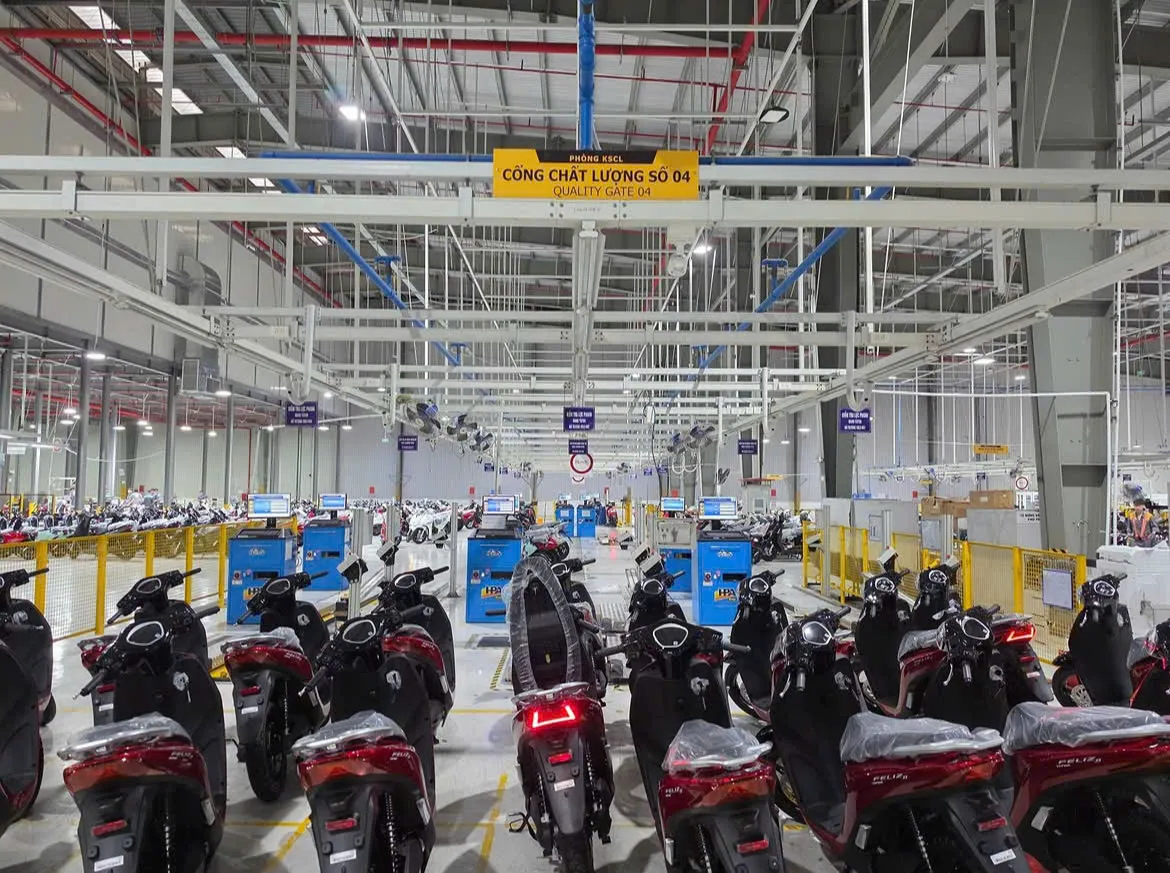
Integrating brake force testing into an electric motorcycle production line ensures that every motorcycle undergoes the same inspection procedure and meets the same technical standards before leaving the factory. Rather than performing random sampling inspections, each vehicle is evaluated for braking efficiency, brake force balance, and overall braking system performance before moving to the next production stage or final packaging.
This comprehensive inspection process enables manufacturers to identify and eliminate defective products before they reach customers, significantly reducing the risk of brake-related failures in the field. In addition, inspection data recorded for every motorcycle provides complete traceability, allowing manufacturers to quickly retrieve historical records for quality audits, warranty support, or root cause analysis whenever necessary.
By applying standardized testing procedures and consistent measurement methods to every vehicle, manufacturers can achieve greater production consistency while minimizing quality variations caused by manual inspection or assembly errors.
3.2. Reducing defective product rates
Modern brake force testing equipment utilizes high-precision sensors to accurately measure and analyze critical parameters such as braking force, brake force balance, system stability, and braking response. Because the evaluation is based on objective measurement data rather than subjective judgment, the equipment can detect even minor deviations that are difficult to identify through manual inspection or conventional road testing.
Early detection and correction of defects during the assembly process provide several important advantages:
- Lower defect rates: Motorcycles that fail to meet quality standards can be identified and corrected before shipment, increasing first-pass yield and overall product quality.
- Reduced post-assembly rework: When defects are detected immediately after the relevant assembly process, technicians can resolve the issue without dismantling multiple vehicle assemblies after final production.
- Lower warranty costs: Thorough inspection before delivery minimizes the likelihood of brake-related failures during customer use, reducing warranty claims while improving customer satisfaction.
- Reduced product recall risks: Since the braking system is one of the most critical safety components of an electric motorcycle, comprehensive brake force inspection significantly decreases the possibility of defective products reaching the market, thereby reducing the risk of costly product recalls.
Through accurate measurement and early defect detection, brake force testing equipment not only improves product quality but also helps manufacturers optimize production costs, reduce operational risks, and strengthen brand reliability.
3.3. Reducing production costs and increasing productivity
In electric motorcycle manufacturing, the principle of "the earlier a defect is detected, the lower the correction cost" is especially important. When a brake system issue is identified immediately after assembly, technicians only need to repair or adjust the affected component before the motorcycle proceeds to the next production stage.
However, if the defect is discovered after final assembly—or even after the motorcycle has been delivered - the repair process becomes considerably more complex. Multiple assemblies may need to be disassembled before technicians can access the braking system, followed by reassembly and repeated quality inspections. This results in higher labor costs, increased material consumption, production delays, and greater operational expenses.
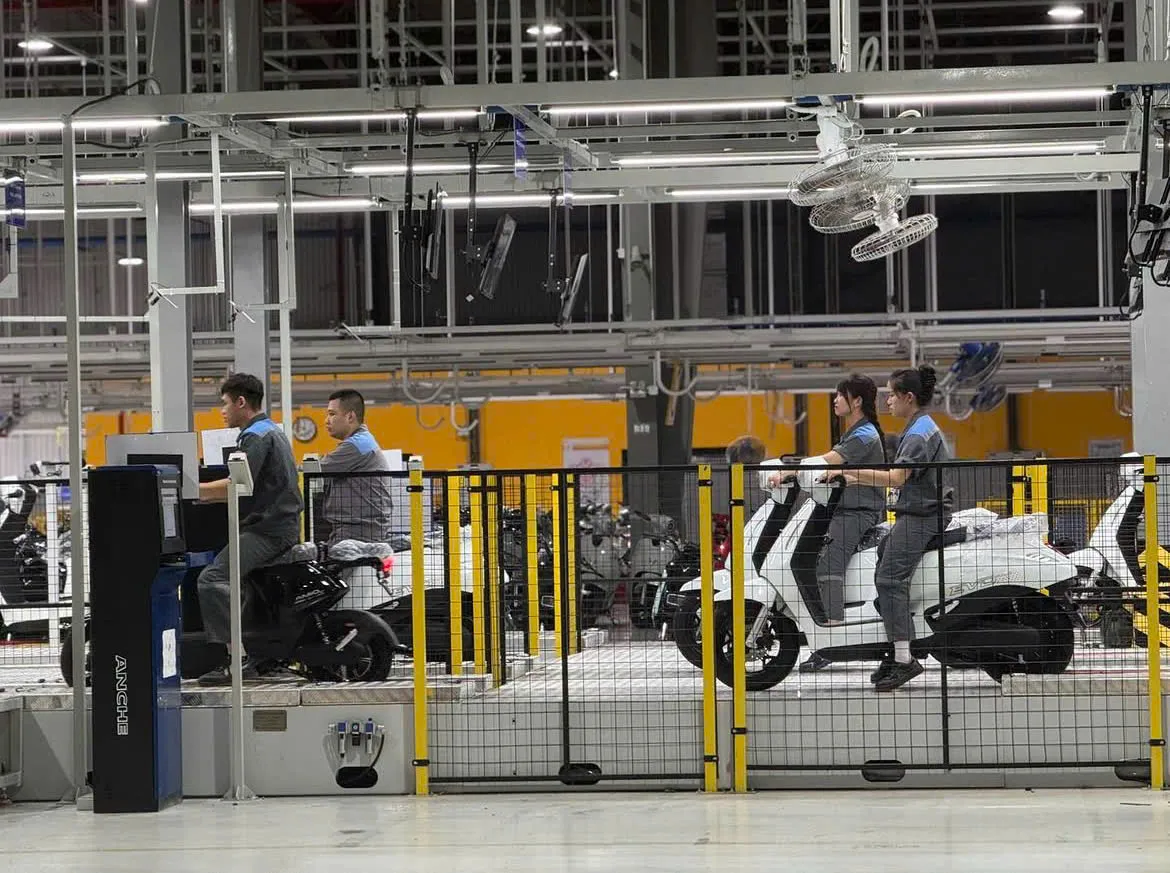
In addition to early defect detection, modern brake force testing equipment performs measurements quickly and automatically. Within a short testing cycle, the system can complete data acquisition, analyze inspection results, and determine pass/fail status with high accuracy. This enables manufacturers to maintain rigorous quality control without slowing down overall production throughput.
3.4. Supporting digital transformation in manufacturing
Brake force testing equipment serves not only as a quality inspection tool but also as a valuable source of production data. During every inspection, the system automatically records critical information, including brake force for each wheel, brake force balance, pass/fail results, inspection time, Vehicle Identification Number (VIN) or product ID, and other production-related data. All information is stored digitally, making it easy for manufacturers to retrieve, analyze, and manage throughout the product lifecycle.
When integrated with manufacturing management platforms such as Manufacturing Execution Systems (MES), Enterprise Resource Planning (ERP) systems, or Supervisory Control and Data Acquisition (SCADA) systems, brake force testing data can be synchronized and utilized to support a wide range of manufacturing operations.
Digitalizing and effectively utilizing inspection data not only enhances quality control but also establishes a solid foundation for smart manufacturing. By connecting production data from multiple processes into a centralized management system, manufacturers can improve traceability, optimize operational efficiency, make data - driven decisions, and progressively build Industry 4.0-ready smart factories.
4. Future trends in brake force testing equipment
As the electric motorcycle industry continues to evolve and manufacturers accelerate their digital transformation initiatives, brake force testing equipment is becoming increasingly intelligent, automated, and data-driven. Rather than simply measuring braking force and providing pass/fail results, modern systems are capable of collecting, analyzing, and sharing production data across the entire manufacturing process, enabling manufacturers to enhance quality management and optimize operational efficiency.
Several key trends are shaping the future of brake force testing technology:
- Artificial intelligence (AI): Artificial intelligence enables manufacturers to analyze inspection data collected from thousands of motorcycles, identifying hidden patterns and abnormal trends that may be difficult for human operators to detect. AI-powered analytics can also provide early warnings of potential quality issues, allowing manufacturers to adjust production processes proactively before defect rates increase.
- Big data analytics: Inspection data collected from multiple production stages can be consolidated and analyzed to evaluate product quality across different production batches, work shifts, or manufacturing equipment. This comprehensive analysis helps manufacturers identify root causes of recurring defects, optimize manufacturing processes, and continuously improve production efficiency.
- IoT-based real-time equipment monitoring: Modern brake force testing equipment can continuously transmit operational data—including machine status, inspection volume, sensor conditions, and maintenance alerts—to centralized monitoring systems through Industrial internet of things (IIoT) connectivity. This enables manufacturers to monitor equipment performance remotely, implement predictive maintenance strategies, and minimize unexpected machine downtime.
- Integration with manufacturing management and traceability systems: Inspection data can be seamlessly synchronized with manufacturing execution systems (MES), enterprise resource planning (ERP) systems, supervisory control and data acquisition (SCADA) platforms, or product traceability databases using vehicle identification numbers (VINs) or QR codes.
These technological advancements not only improve the accuracy and efficiency of brake force testing but also help manufacturers reduce operating costs, increase productivity, strengthen quality management, and remain competitive in the rapidly growing electric motorcycle industry.
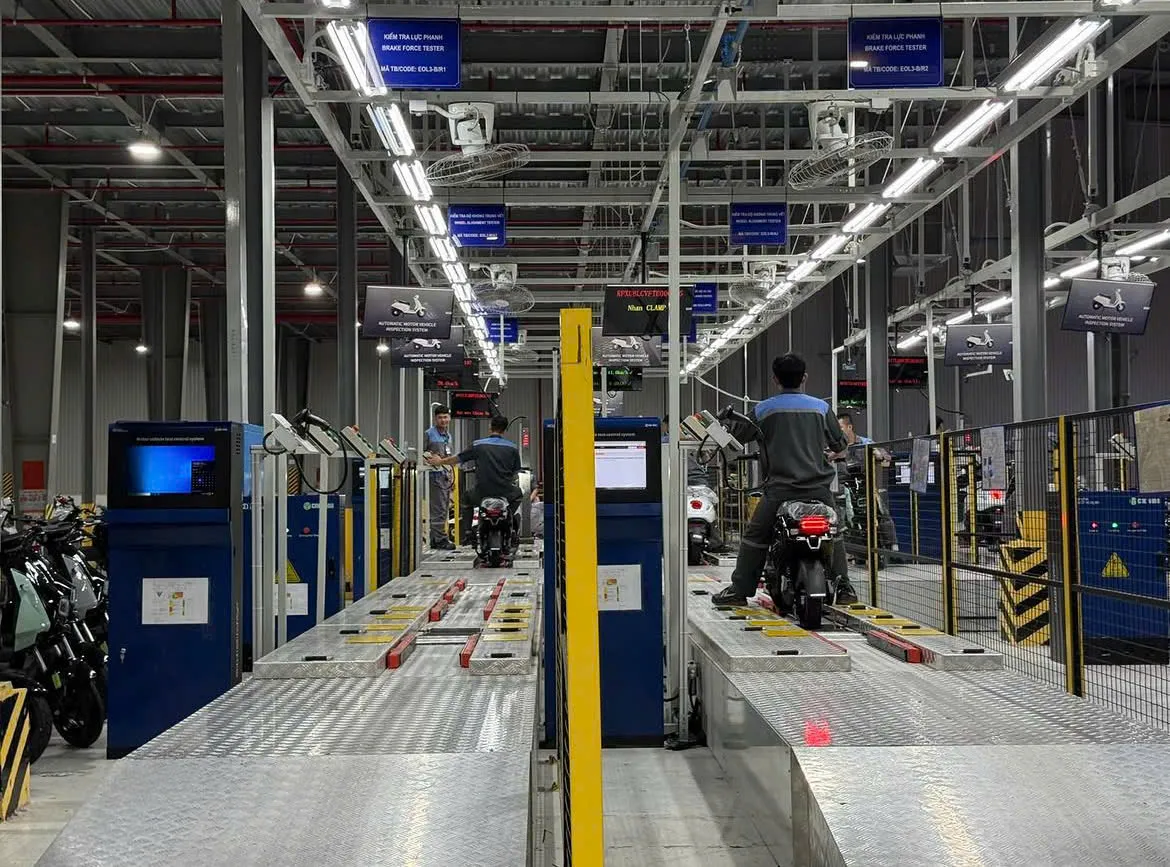
With many years of experience in industrial automation, CNC VINA specializes in the design and manufacture of brake force testing equipment for electric motorcycle assembly lines. Our solutions are engineered to deliver high measurement accuracy, long-term operational stability, and reliable performance in demanding industrial production environments. In addition to brake force testing equipment, CNC VINA designs and manufactures a wide range of standalone machines, auxiliary equipment, and automated production lines for electric motorcycle manufacturing and various industrial sectors. Our product portfolio includes electric motorcycle inspection lines, servo presses, brake oil filling machines, oil seal pressing machines, and many other customized automation solutions.
By designing and manufacturing equipment in-house, CNC VINA provides customers with highly flexible solutions tailored to specific production requirements, technical standards, and investment budgets. As a comprehensive automation solution provider, CNC VINA partners with manufacturers throughout the development and modernization of their production facilities. Our solutions help improve product quality, reduce defect rates, optimize manufacturing costs, and support the digital transformation of production systems. Ultimately, we enable manufacturers to build smart factories, enhance operational efficiency, and strengthen their competitiveness in the rapidly evolving electric motorcycle industry.
Brake force testing equipment is far more than a quality inspection device - it is a critical manufacturing solution that helps electric motorcycle manufacturers improve production efficiency while ensuring vehicle safety before products reach the market. Through precise measurement, early defect detection, and comprehensive inspection data management, the equipment significantly reduces defect rates, lowers production costs, and increases overall manufacturing productivity. Furthermore, integration with manufacturing management systems enables manufacturers to digitalize quality data, enhance product traceability, and establish the foundation for Industry 4.0 smart manufacturing. As quality standards and safety requirements continue to rise across the global electric motorcycle industry, investing in advanced brake force testing equipment is no longer simply a quality improvement initiative - it has become a strategic investment that delivers long - term competitive advantages. Leveraging extensive expertise in industrial automation, CNC VINA provides customized brake force testing equipment and a comprehensive range of automation solutions that support the development of efficient, intelligent, and fully integrated electric motorcycle assembly lines.