 Tiếng
Việt
Tiếng
Việt
 Tiếng
Anh
Tiếng
Anh
 Tiếng
Nhật
Tiếng
Nhật




 Tiếng Anh

How to fix faint, incorrect, or misaligned frame number marking on electric motorcycle frames

How to fix faint, incorrect, or misaligned frame number marking on electric motorcycle frames is a major concern for electric motorcycle manufacturers because the quality of the frame number directly affects product traceability, quality management, and legal compliance. Even a minor marking error can cause a vehicle to fail inspection, making warranty management, product recalls, and manufacturing data tracking much more difficult. In electric motorcycle manufacturing, each frame is engraved with a unique identification number that links the vehicle to its components, assembly process, and quality inspection records. Therefore, faint markings, incorrect characters, or markings placed in the wrong position can interrupt traceability, reduce production management efficiency, and increase repair and rework costs. In this article, CNC VINA analyzes the most common causes of electric motorcycle frame number marking defects and provides effective troubleshooting methods and preventive measures. By implementing these solutions, manufacturers can improve marking accuracy, reduce defect rates, and ensure compliance with production quality standards.
1. The importance of frame number marking in electric motorcycle manufacturing
The frame number is the unique identification code of every vehicle. It serves as critical data throughout the product lifecycle, from manufacturing and delivery to after-sales service, maintenance, and repair.
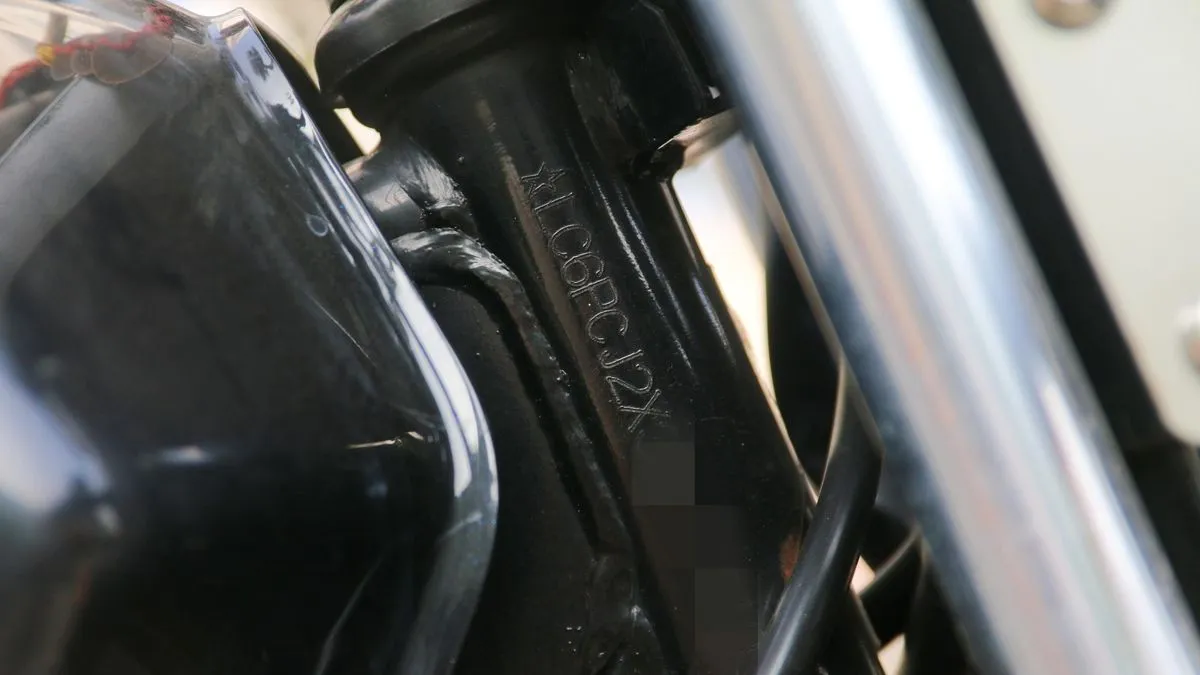
Accurate frame number marking enables manufacturers to:
- Trace the complete production history of each motorcycle.
- Connect production data with MES or ERP systems.
- Manage components based on individual frame numbers.
- Improve warranty and maintenance efficiency.
- Support product recall management.
- Prevent counterfeiting and commercial fraud.
Conversely, if the frame number is unclear or incorrect, the entire traceability chain is compromised, making production management more difficult and damaging the manufacturer's reputation.
2. Common electric motorcycle frame number marking defects
During electric motorcycle manufacturing, frame number (Frame Number or VIN) marking requires extremely high precision. Even a minor error can affect product traceability, quality control, and after-sales service. In practice, manufacturers typically encounter the following three major categories of marking defects.
2.1. Faint frame number marking
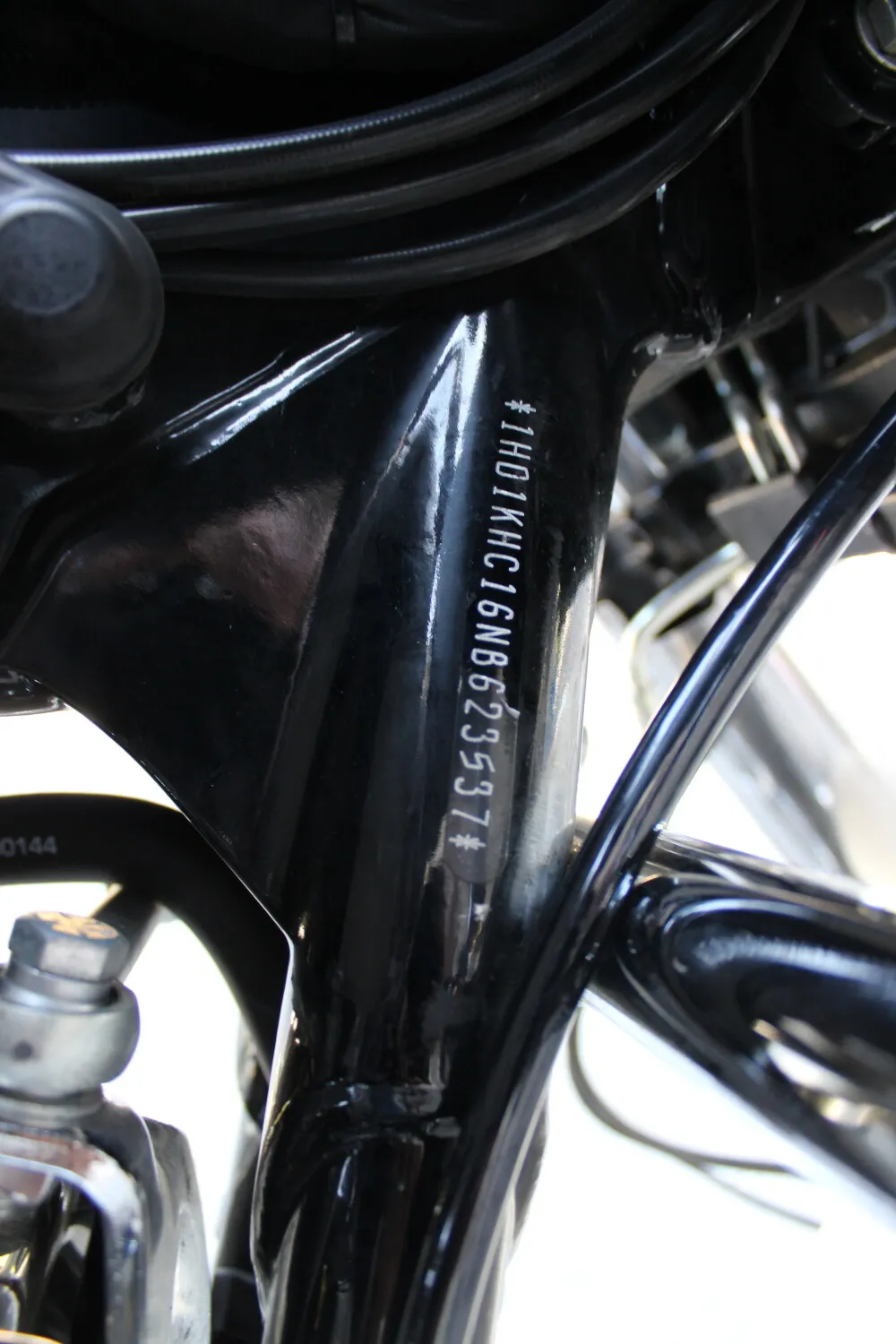
Faint marking occurs when the engraved characters are created but fail to achieve the required depth or clarity. Although the characters may still be visible to the naked eye, industrial vision systems and barcode scanners often struggle to accurately recognize the information.
Common causes of this defect include insufficient marking force, inadequate laser power, a worn marking head, or failure to properly clean the motorcycle frame surface before marking. In addition, paint, grease, oil, or oxidation on the metal surface can significantly reduce the quality and clarity of the engraved markings.
Typical symptoms include:
- Inconsistent engraving depth across the characters.
- Characters that are faint, broken, or partially missing.
- Low contrast between the engraved characters and the metal surface.
- The vision system requires multiple scanning attempts or fails to recognize the code.
- The engraved characters become nearly invisible after painting or surface treatment.
If not addressed promptly, faint marking defects may cause products to fail final quality inspection, increasing the defect rate and overall manufacturing costs.
2.2. Incorrect character marking
Incorrect character marking occurs when the information engraved on the motorcycle frame does not match the data specified in the manufacturing management system. This is one of the most critical defects because each frame number serves as a unique identifier for an individual vehicle. The defect may result from manual data entry errors, inaccurate data transmission between the MES/ERP system and the marking machine, software malfunctions, or the use of an incorrect marking program.
Common examples of incorrect character marking include:
- Incorrect VIN or frame number.
- Incorrect product serial number.
- Missing one or more characters.
- Additional characters beyond the specified format.
- Characters engraved in the wrong sequence.
- Duplicate frame numbers assigned to different products.
- Marking information belonging to a different production batch.
These errors can compromise product traceability, making warranty management, product recalls, and quality inspections significantly more difficult. In many cases, manufacturers are required to scrap or rework the affected products according to strict quality control procedures to ensure the legal validity of the frame numbers.
2.3. Marking in the wrong location on the motorcycle frame
Incorrect marking location refers to a situation where the engraved information is not placed within the designated area of the motorcycle frame or deviates from the engineering drawing. Although the engraved information itself may be correct, an incorrect marking position can negatively affect product identification, readability, and overall product quality.
Common positioning defects include:
- Characters shifted to the left or right.
- Characters shifted upward or downward.
- Engraved content that is tilted or rotated.
- Uneven spacing between characters or lines.
- Characters engraved outside the designated marking area specified in the engineering drawing.
- Incorrect marking height or orientation.
3. Causes of faint, incorrect, or misaligned frame number marking on electric motorcycle frames
To effectively eliminate defects in the frame number marking process, manufacturers must first identify their root causes. In practice, many companies focus only on correcting defects after they are detected without addressing the underlying issues, causing the same problems to recur throughout production.
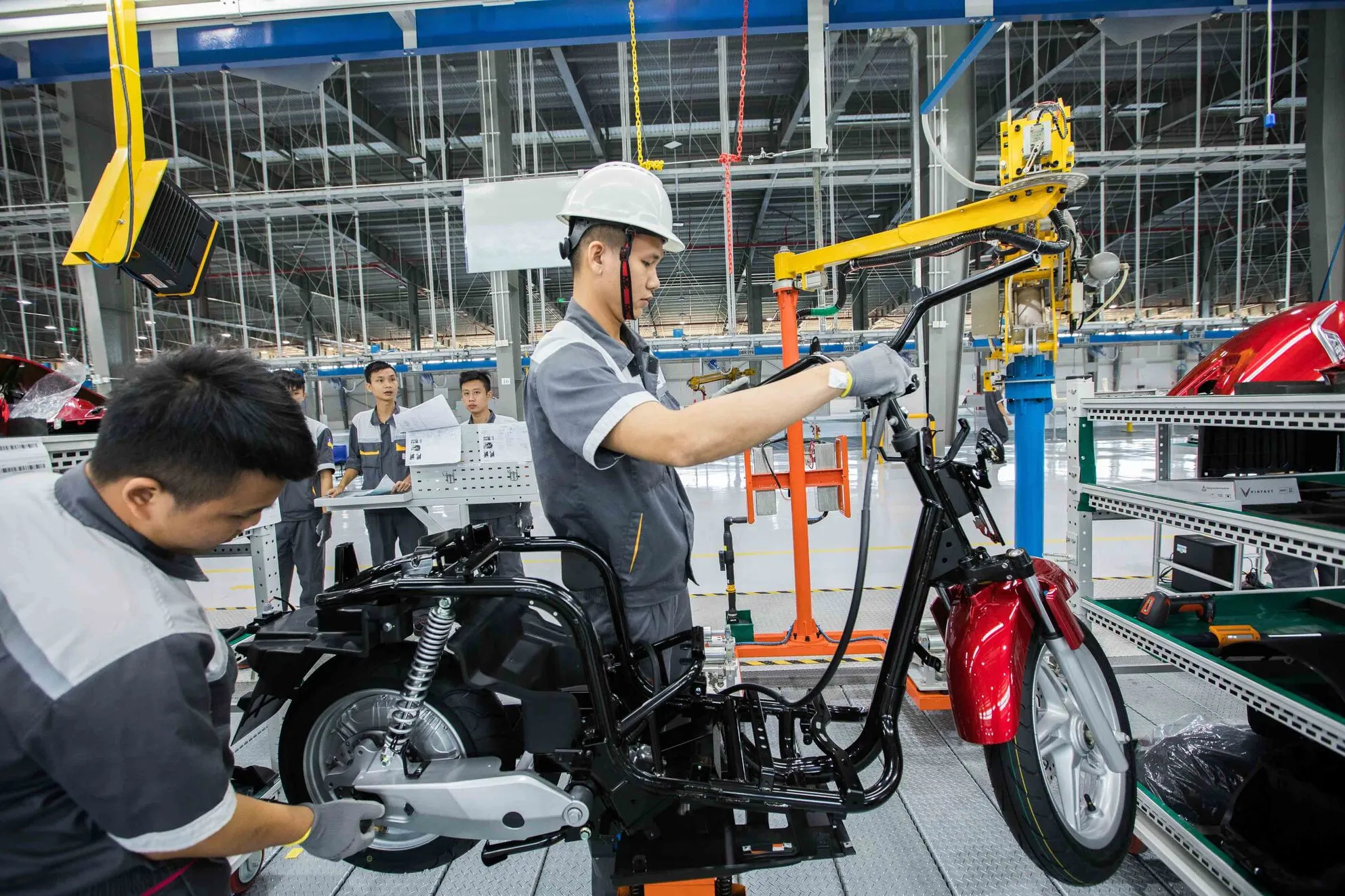
3.1. Improper surface preparation of the motorcycle frame
The condition of the motorcycle frame surface is one of the most critical factors affecting marking quality. Whether using a laser marking machine or a dot peen marking machine, the marking head can only produce sharp, high-quality characters when it contacts a clean and stable surface.
During machining, welding, or transportation, the frame surface is often contaminated with cutting oil, lubricating grease, metal dust, burrs, oxidation, or primer coating. These contaminants alter the interaction between the marking tool and the material, preventing the engraved characters from achieving the required depth and contrast.
To minimize this issue, the frame should be thoroughly cleaned before marking by removing grease, oil, metal debris, oxidation, and other contaminants. Manufacturers should also verify surface cleanliness in accordance with production quality standards before the marking process begins.
3.2. Variations in material properties
Modern electric motorcycle frames are manufactured from various materials to meet requirements for lightweight construction, strength, and corrosion resistance. Each material has different hardness, thermal conductivity, and engraving characteristics, requiring different marking parameters.
For example, carbon steel, high - strength steel, aluminum alloys, and galvanized steel each require specific marking settings. If the same marking program is applied to all materials, the engraving quality will be inconsistent.
In addition to the material itself, frame thickness, welding methods, and the post-machining surface condition also influence the marking results. Therefore, manufacturers should maintain material consistency and optimize marking parameters for each product line across the entire production line.
3.3. Improperly calibrated marking machine parameters
This is one of the most common causes of faint or inconsistent marking defects.
Every marking machine should be calibrated regularly to ensure all operating parameters remain within the specified tolerance. When the machine operates with incorrect settings, the quality of the engraved characters deteriorates significantly.
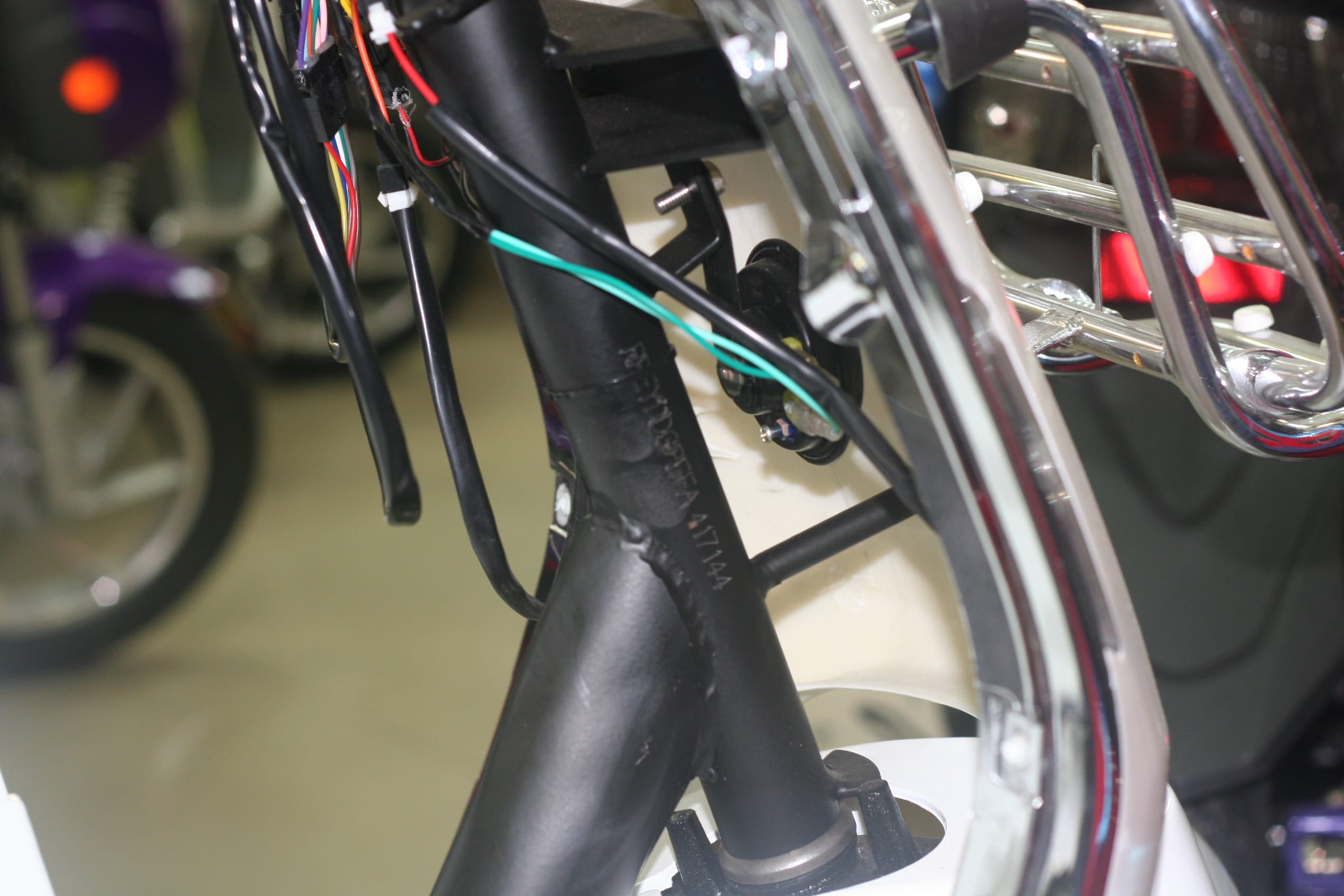
Key parameters that must be carefully controlled during the frame number marking process include:
- Laser power.
- Marking speed.
- Laser focal length.
- Pulse frequency.
- Distance between the marking head and the workpiece surface.
- Accuracy of the scanning system.
Even a slight deviation in any of these parameters can result in burnt characters, insufficient engraving depth, blurred markings, or inadequate contrast. Furthermore, after prolonged operation, the marking stylus, stamping die, laser lens, or guide system may wear out, reducing overall marking quality.
3.4. Incorrect positioning of the motorcycle frame
Marking accuracy depends not only on the marking machine itself but also on the product positioning system.
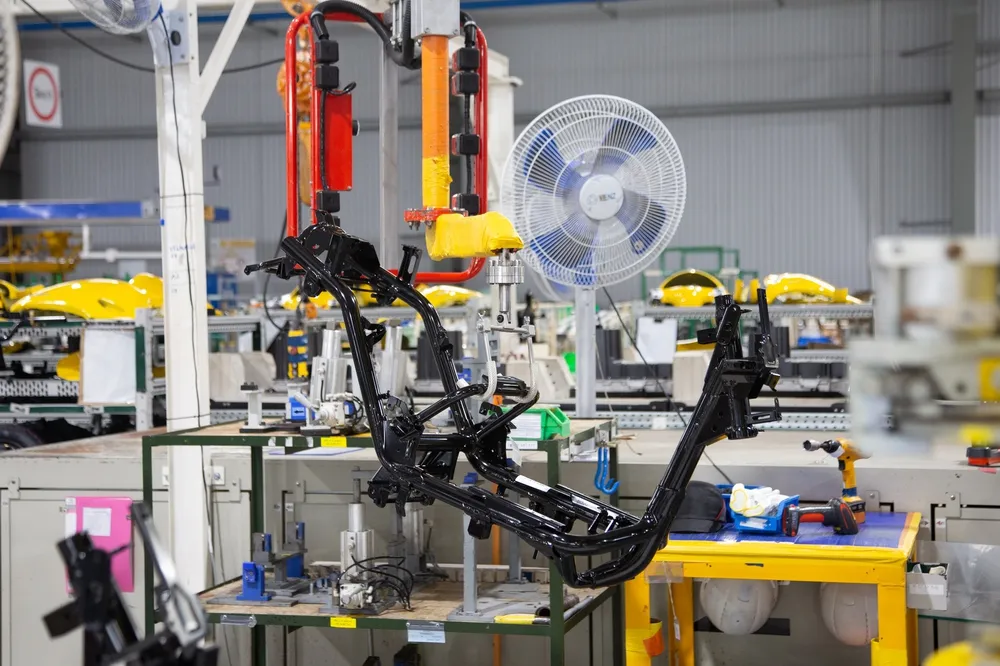
In an assembly line, the motorcycle frame is typically secured in a fixture before the marking process begins. If the fixture lacks sufficient precision or the frame is positioned incorrectly, the entire marking will deviate from the location specified in the engineering drawing.
Common causes include:
- Fixture wear after prolonged use.
- Worn or inaccurate locating pins and clamping mechanisms.
- Unstable positioning sensors.
- Incorrect coordinates used by the loading robot.
- Accumulated positioning errors from the robot or conveyor system.
- Improper frame placement by the operator.
As a result, the engraved characters may become off-center, tilted, rotated, or positioned outside the designated marking area. These defects not only reduce the product's appearance but may also prevent inspection cameras and barcode scanners from accurately reading the engraved information.