Introducing industrial robot
Definition of industrial robotics
An industrial robot is a system, a special machine used to perform production tasks in industry. With the ability to automate, program and move on three or more axes, industrial robots have become an indispensable part of the product assembly process. In this article, we will learn about the applications of industrial robots in the assembly industry and the solutions that CNC VINA provides to customers .
A robot is a special machine programmed by a computer - capable of automatically (or semi-automatically) performing a series of complex and precise actions . The robot can be controlled using programmed commands or given by an external control device or an integrated internal processor.
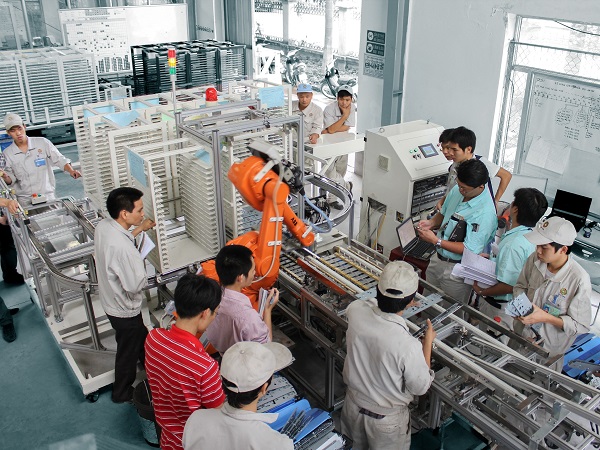
Industrial robots are often shaped like human arms with rotating joints. They try to simulate simple to complex movements and perform tasks in the same way as our arms . That type of industrial robot is often known as: Industrial robot arm or industrial manipulator.
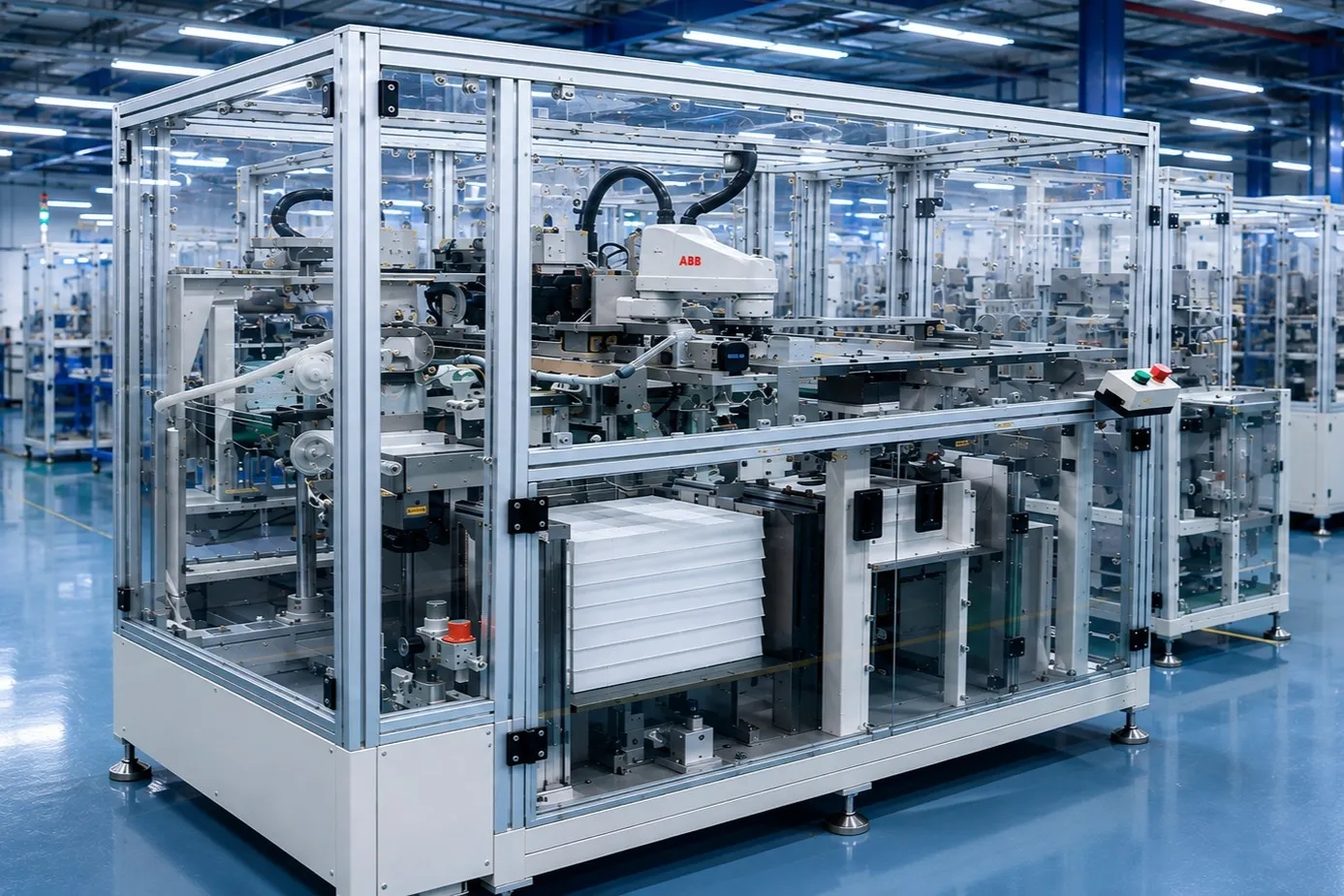
Industrial robots with production
In the manufacturing industry alone, typical industrial robot applications include welding, painting, assembly, disassembly, lift and place, packaging and labeling, palletizing robots , and product inspection. and testing. All can be completed with great speed and precision. Industrial robot arms operate stably and durably 24/7 in the most difficult working conditions.
In 2020, there were an estimated 1.64 million industrial robots in operation worldwide. They are gradually becoming an important part of production and assembly lines in today's smart factories .
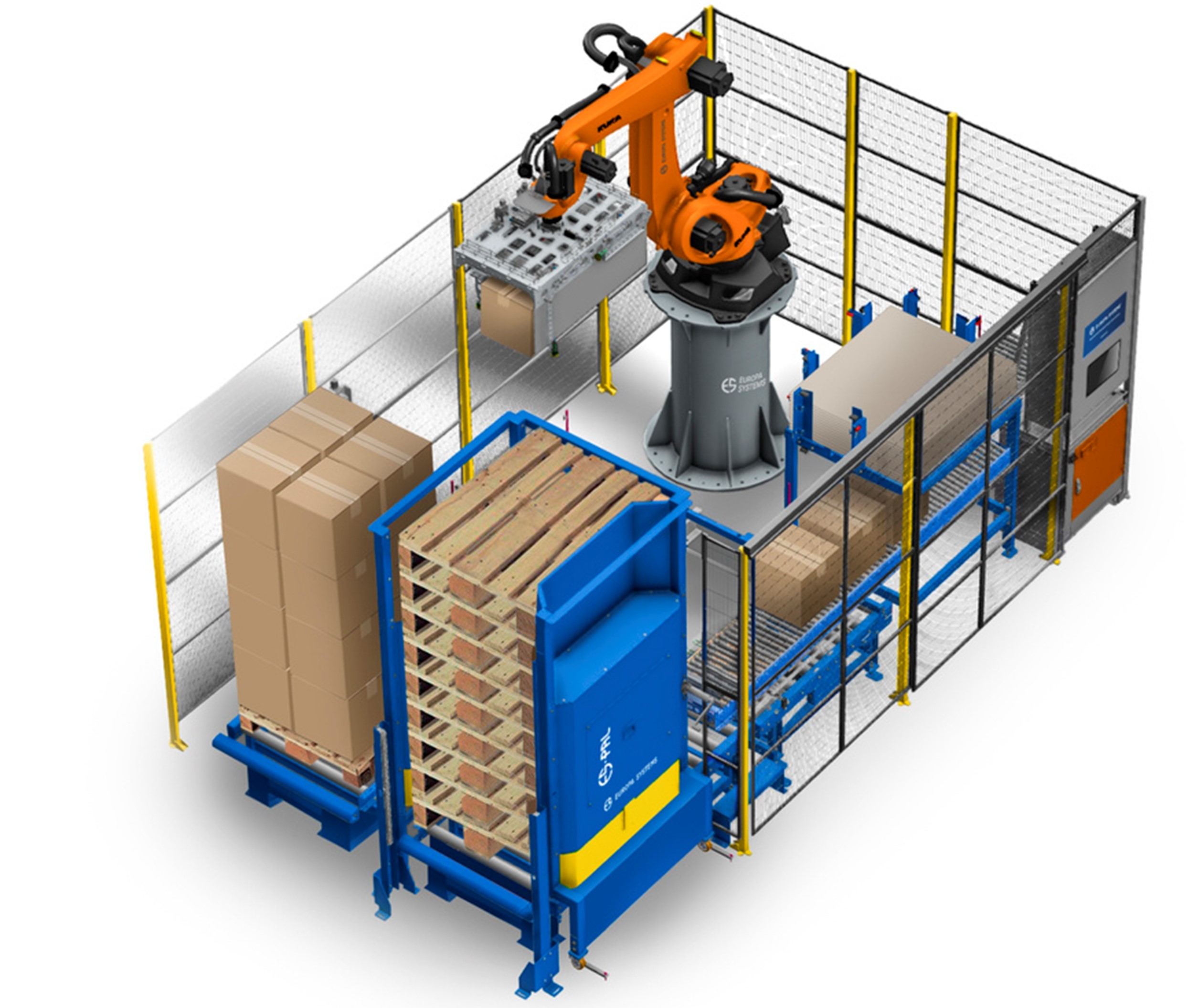
Some types of industrial Robots in assembly
Articulated robot
Articulated robots are highly flexible industrial robots, used in many different industries to perform a variety of tasks. These robots are designed with a series of interconnected segments, called links, attached via movable joints. This design allows them to move with a high degree of flexibility and dexterity, making them ideal for performing complex tasks that require high precision.
An articulated robot's links can range from two to six or more links, with each link providing one degree of freedom (DOF) allowing the robot to move in a variety of directions.
The joints used in articulated robots can be classified into two types: revolving joints and prismatic joints. A swivel joint is a rotating joint that allows the robot to rotate along an axis. On the other hand, prismatic joints are linear joints that allow the robot to move in straight lines.
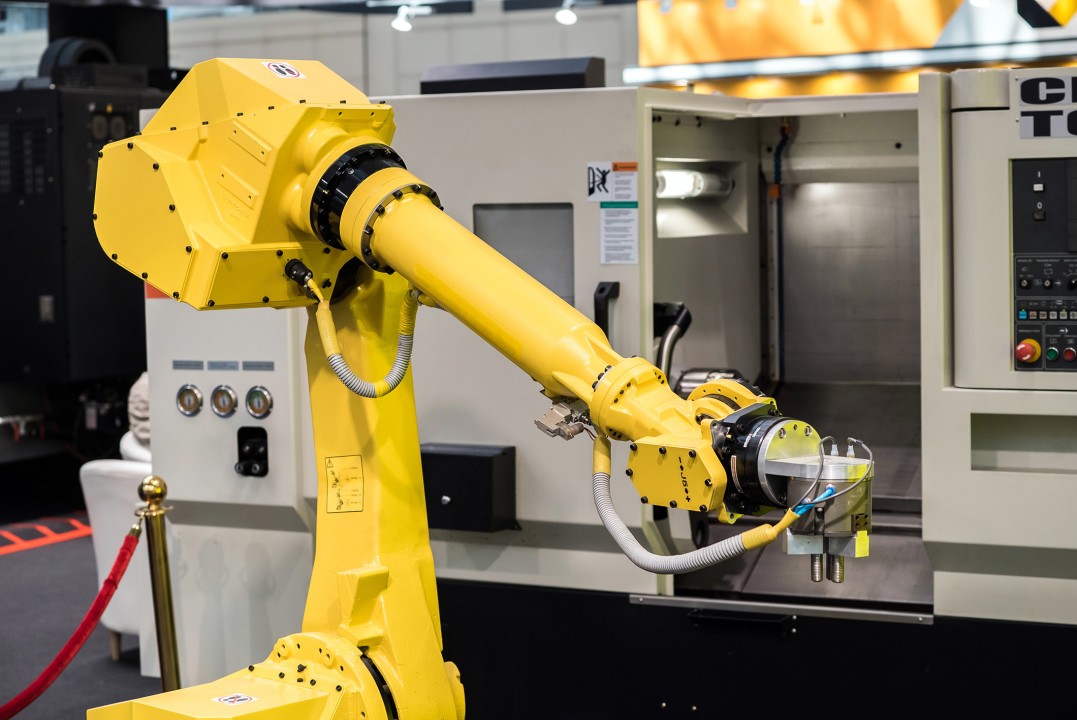
Articulated robots can be divided into two types: chain manipulators and parallel manipulators. The chain manipulator has stitches connected together to form an open loop (not a closed loop). The opposite is the parallel manipulator.
Cartesian coordinate robot
The Cartesian coordinate system is a familiar coordinate system with an origin and three axes, usually denoted X, Y and Z, which are mutually perpendicular to each other at the origin.
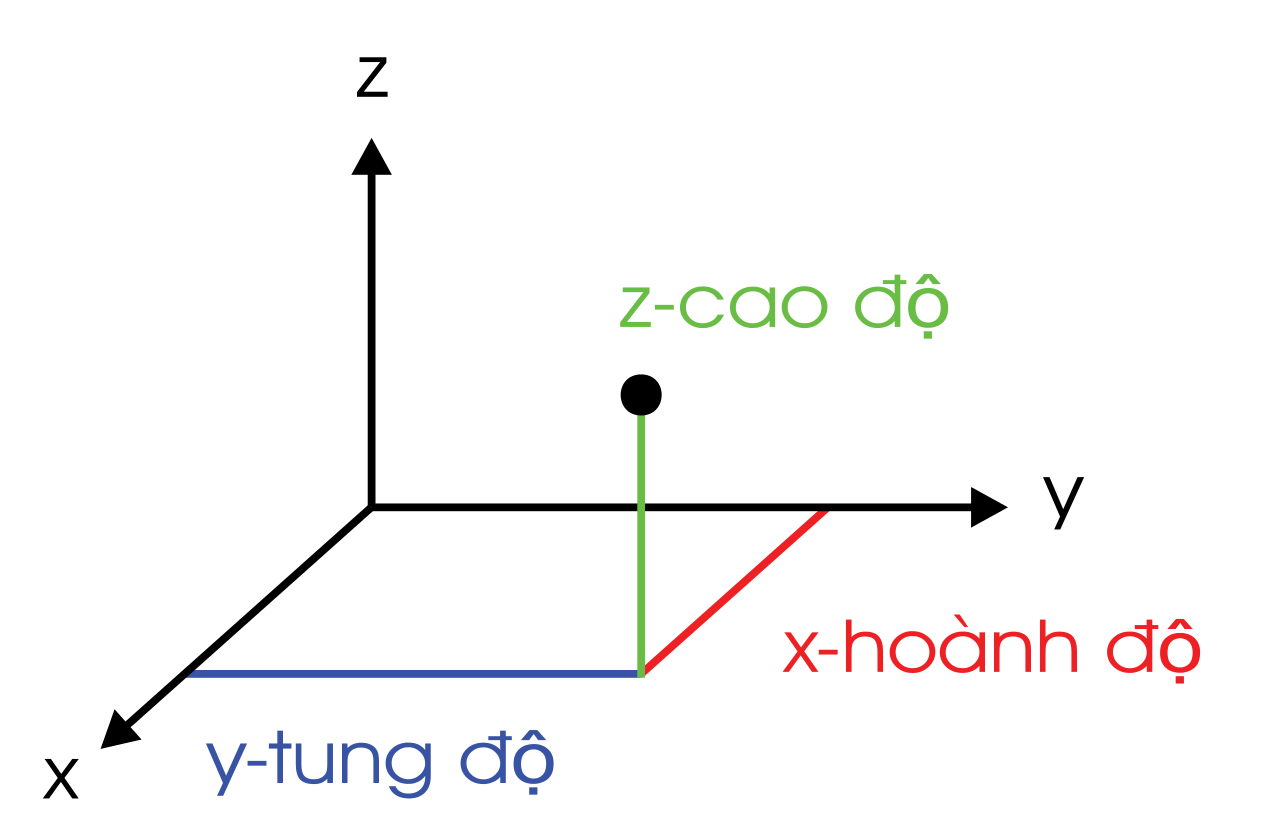
A Cartesian coordinate robot (also known as a linear robot) is a type of industrial robot that is structured similarly to a Cartesian coordinate system with three translational joints (not rotational joints) at right angles. together, each joint is the X direction, the Y direction or the Z direction.
Cartesian coordinate robots are also a type of jointed robot, but they mainly only have translational joints. If there is a rotating joint, it is usually for the manipulation stage.
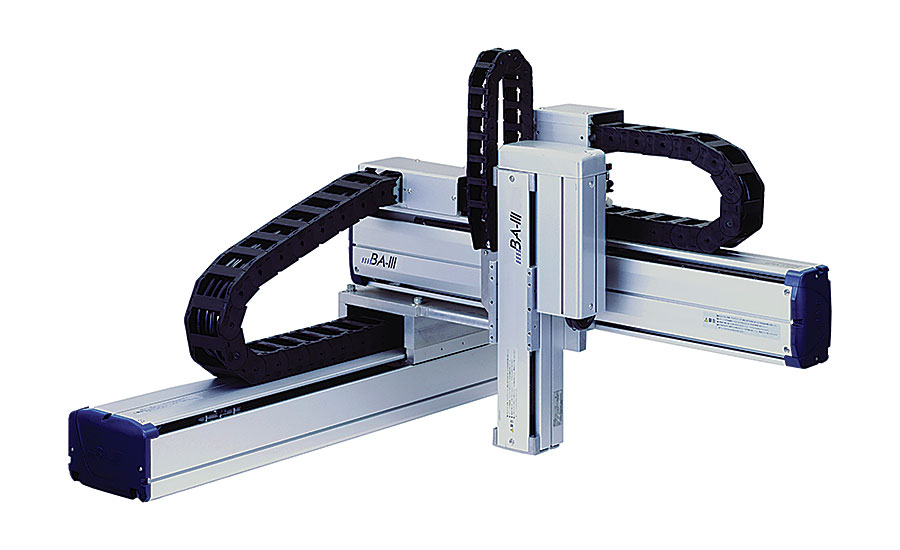
They have a simple structure, high rigidity, quite fast moving speed and can move axes simultaneously. Common applications are picking up, moving and placing products with a moving trajectory that is not too complicated. The product's load can range from small to large depending on the robot's capacity.
SCARA manipulator robot
SCARA robotic arm is an industrial robot arm invented by Professor Hiroshi Makino at Yamanashi University, Japan in 1978.
The SCARA concept follows two definitions:
SCARA (Selective Compliance Assembly Robot Arm) means selective compliance assembly robot arm.
SCARA (Selective Compliance Articulated Robot Arm) means the way the Robot arm articulates is selectively compliant. This is its later definition. This definition is given when it is brought into response to other tasks beyond the previous assembly task for which it was designed.
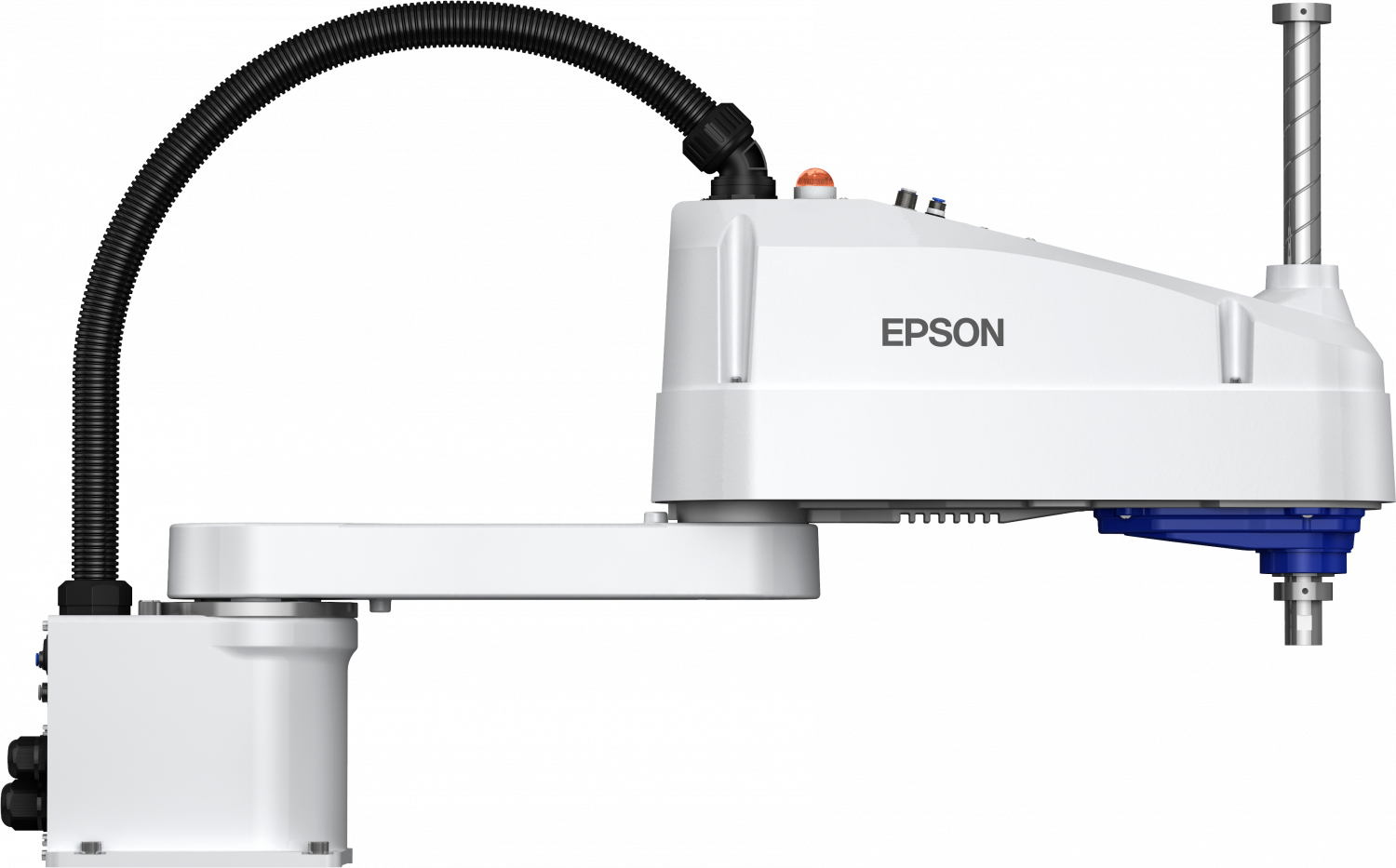
SCARA sewing arms usually have a rotary joint that helps determine the XY coordinate position in the working plane and a translation joint in the Z direction that attaches the up and down translation operation.
Advantage
-
There are only 3 or 4 axes, of which only 2 joints coordinate simultaneously, so SCARA's speed is very fast and flexible. In terms of speed, SCARA has a lower speed than the Delta spider robot but is much faster than the 6-axis manipulator.
-
As a system designed primarily for assembly applications, SCARA has quite high repeatability accuracy, only ±0.01mm.
-
SCARA manipulator has few joints, compact size, so high rigidity.
Defect
-
Flexibility of the Z axis. Because the Z axis can only be translated, the operations are quite limited, usually just lifting and putting down with negative pressure compressed air.
-
SCARA is a robot with a fairly low allowable load, usually less than 30 kg.
Delta Robot
Delta robot is also known as Delta spider robot. The name delta comes from its upside down triangle shape. They are a type of parallel manipulator.
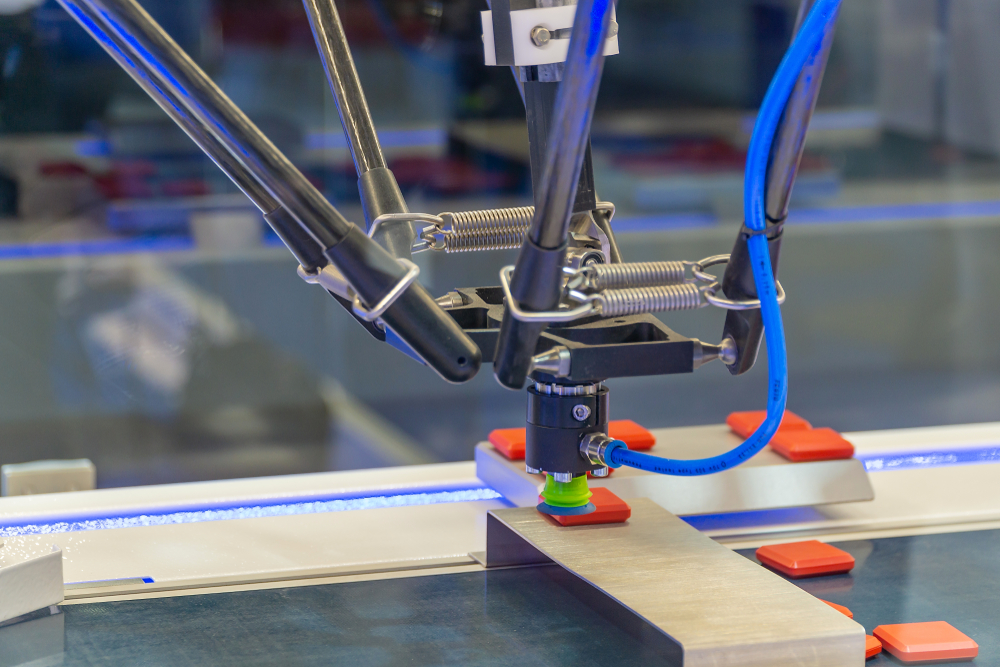
Their common application is in high-speed moving of objects which can be for the purpose of sorting, packaging, assembling, sorting, artificial intelligence, drawing, entertainment, etc. depending on the planning. programming and other support systems such as image processing, sensors, etc
Advantage
-
Flexibility in application thanks to programmability.
-
Speed and precision, very high repeatability thanks to the lightweight manipulator and motor.
-
High productivity, long lasting, durable work.
-
Floor space is not occupied because they are suspended industrial robots.
Defect
-
The lesson is full of kinematics, dynamics,..., which is more complicated than a string manipulator.
-
Not suitable for working with heavy loads, maximum load of several kg.
-
The working area is inverted cone shape, the deeper you go, the smaller the area the robot can reach.
-
More expensive than SCARA manipulator with the same size.
Application of industrial robot in assembly
Automobile manufacturing and assembly industry
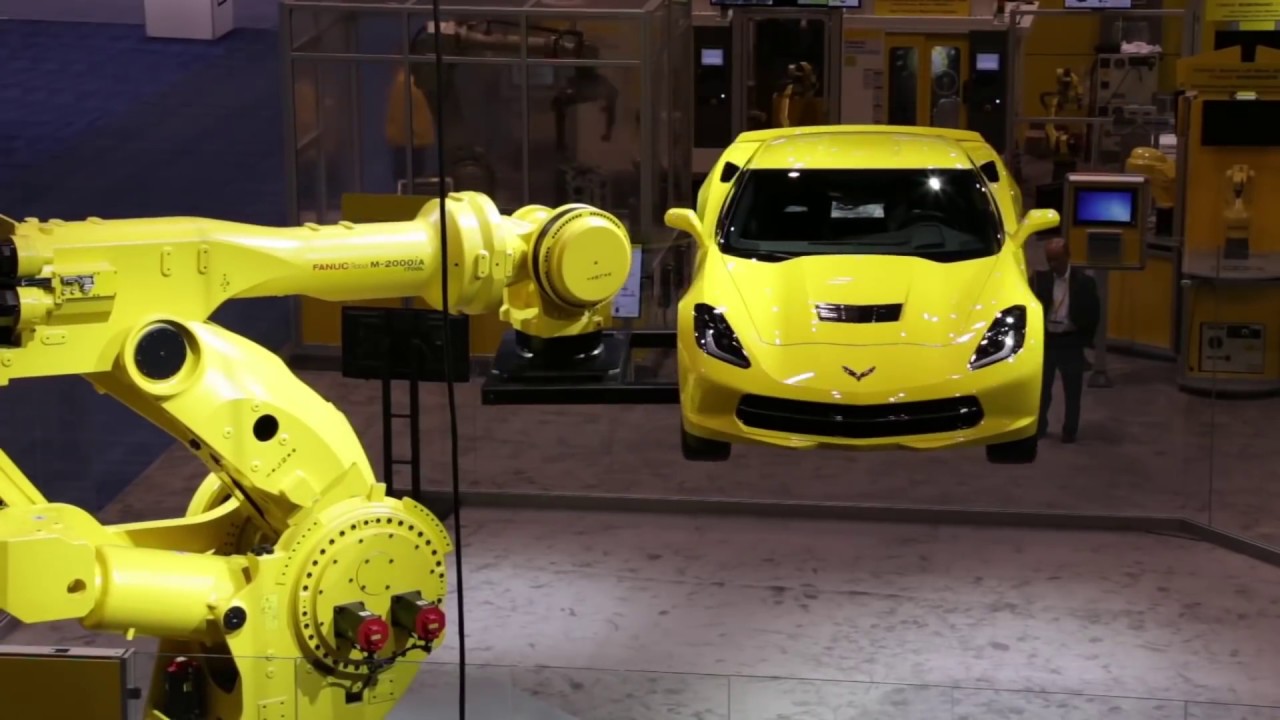
Robotic manipulators assemble and weld frames in the automobile assembly line
After being manufactured by many processing methods such as casting, stamping, grinding, etc., the car's shell and frame parts need to be assembled together to form a complete car mechanical frame. This process requires high precision and speed to ensure production productivity. The environment is toxic due to heat and burning fumes from the welding process, making it very ineffective for human use.
Applying industrial robots to assembly in the automobile production line helps the finished product be both accurate and saves production time, making the price cheaper while ensuring human safety and cutting labor costs.
Industrial manipulator robot for transportation
Cars or their components are so heavy that it is difficult for people to transport them effectively. If you use rigid transportation systems such as conveyor belts, the capacity is very large but it is difficult to customize when you need to change the endpoint of the transportation process.
Industrial manipulators are applied to help the transportation process become extremely flexible, the endpoint can be easily changed thanks to programming. In addition, they can be fitted with additional wheels, making them even more flexible.
Electrical and electronics industry
Robot plugs in electronic components
Component insertion is a step in the process of assembling components and products in an automatic electronic assembly line. When it comes to assembling components, it mainly refers to products in the electronics industry. Because electronic products are often made up of many small components. Represented is the circuit board or control circuit of the device.
Some operations such as: plugging the battery pins of electronic components, plugging electronic components onto the PCB circuit board... are performed quickly and accurately with a feeding system from vibrating hoppers, component supply lines or waiting trays. . Each robot that plugs in electronic components usually undertakes one task for one type of component to maximize capacity. Currently, the component insertion process often uses collaborative robots with larger size, lighter weight and greater flexibility.
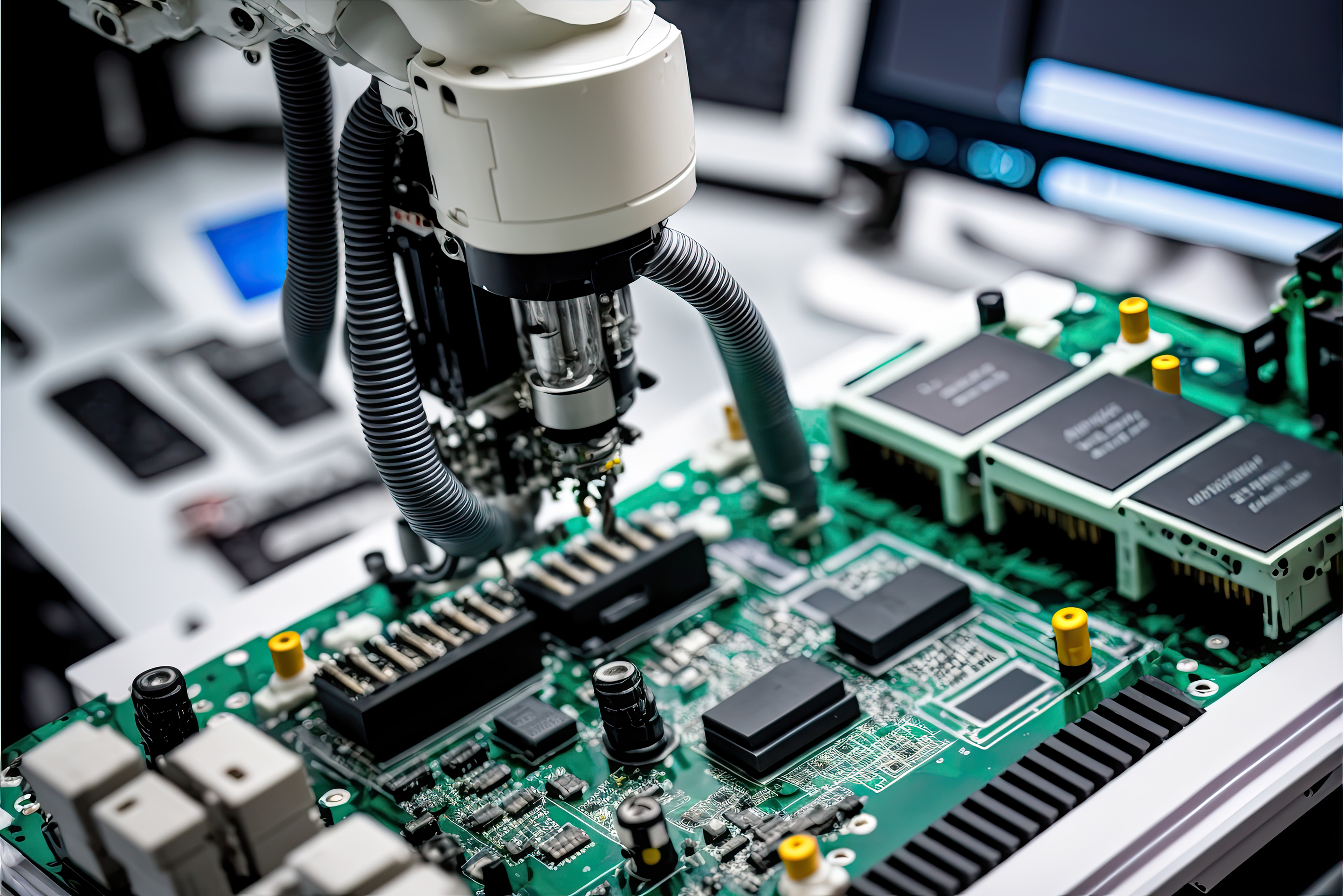
Electronic component mounting robots are most used by CNC VINA in SMT and UMC lines with surface component mounting machines. Assemble most electronic circuit products of printers, telephone circuits, TVs and other electronic devices.
Advantages of using robots for inserting components in the assembly line
-
The speed of plugging components onto the circuit board is fast, productivity increases many times compared to traditional workers.
-
Assembly robots work 24 hours a day for long periods of time without needing to rest
-
Outstanding work quality with high precision and reliability
-
Safe in operation, easy to expand into a system
-
Easily integrate with related peripheral devices and synchronize data with the line's production management system.
Mechanical industry
Mechanical assembly robot
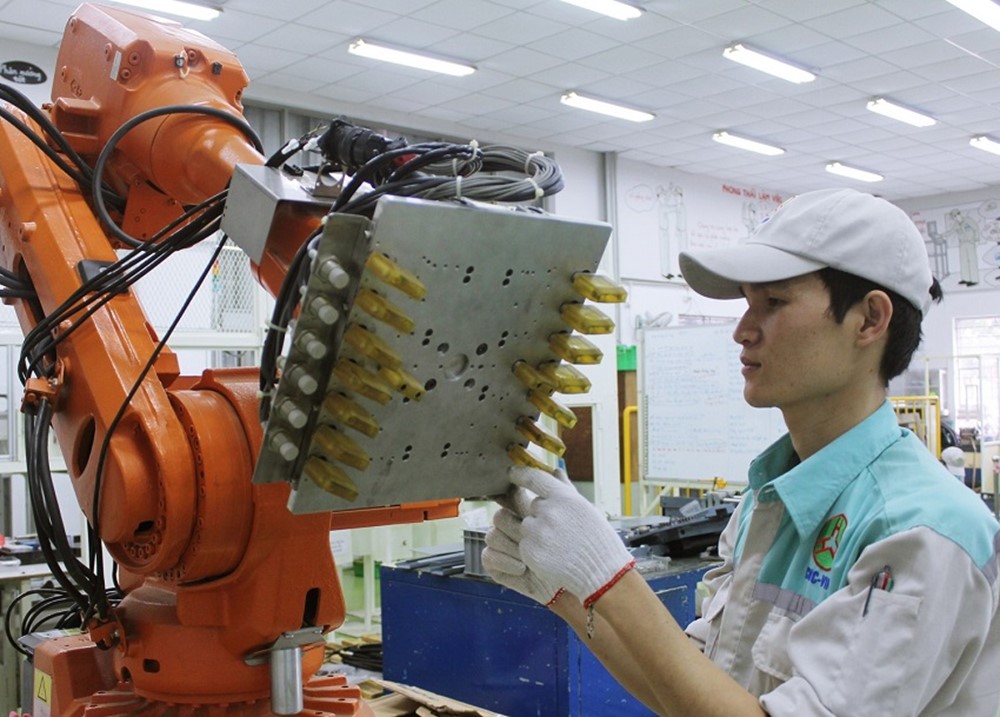
Robots assembling mechanical components operate with a feeding system (feeder) that brings components or product details and assemblies within reach of the robot with a defined position and then proceeds to pick and place (pick & place). ) or assembled with pre-programmed bolts, screws, welding, etc. Products can be speaker assemblies, phone screens, TVs, motors, cars, motorbikes, other mechanical components,...
In essence, assembly robots have an operating principle that is not much different from robots that plug in electronic components. But mechanical assembly robots often have slower working speeds because the products are larger, heavier, have many types and complex movements, requiring higher precision.
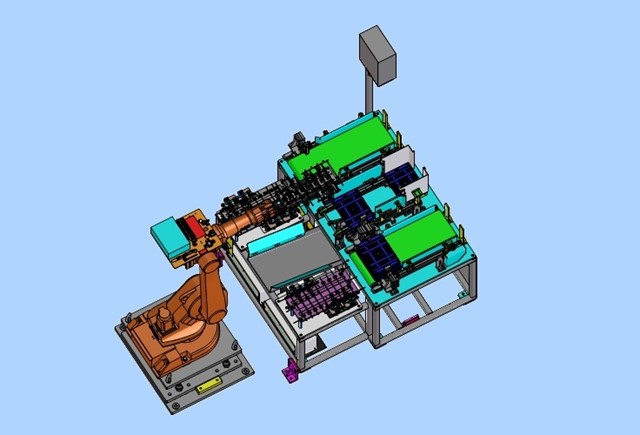
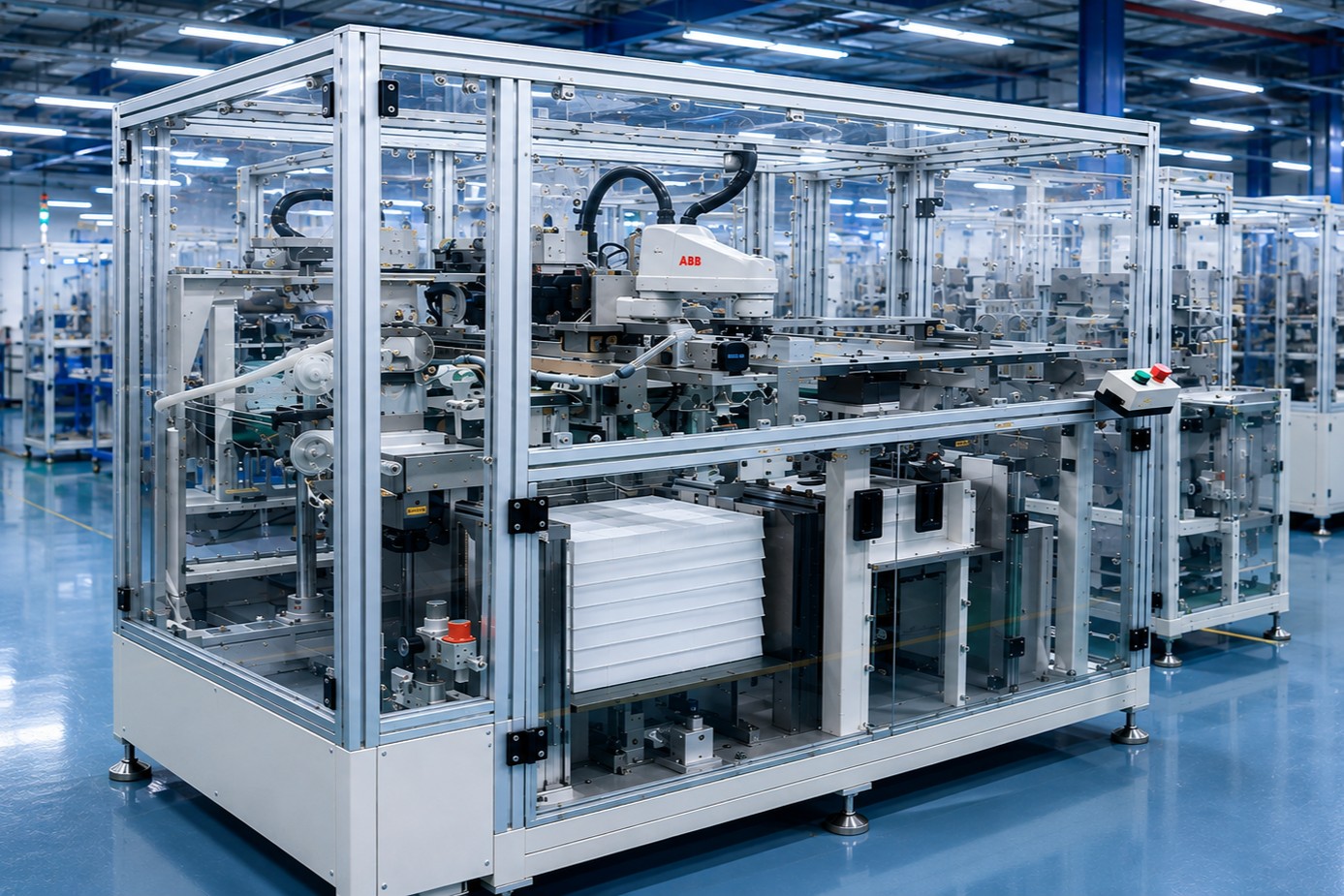
Robot assembles printer parts - automation solution provided by CNC VINA to customers
To maximize the capacity of mechanical assembly robots, people often arrange vibrating workpiece-feeding hoppers to help classify and arrange input components systematically in the correct position. The industrial robot arm will pick up and drop into the assembly position according to a pre-programmed scenario. Sometimes, robots are also integrated with automatic screwdrivers and bolt guns that use pneumatics, electricity, and hydraulics to pick up screws and bolts, put them in position, and twist and tighten with preset force. Provides uniform assembly quality.
Robot inspects mechanical products
After the manufacturing and assembly process, the products must be checked for technical specifications and criteria are given to evaluate the product as PASS/FAIL. Tests can be measurements that combine calculations to produce results that need to be accurate and fast. Sometimes, for humans, inspection work becomes boring and easily leads to subjectivity and errors. Especially simple tests in mass production.
Inspection robots appear to help support or replace humans, bringing higher productivity with ideal accuracy.
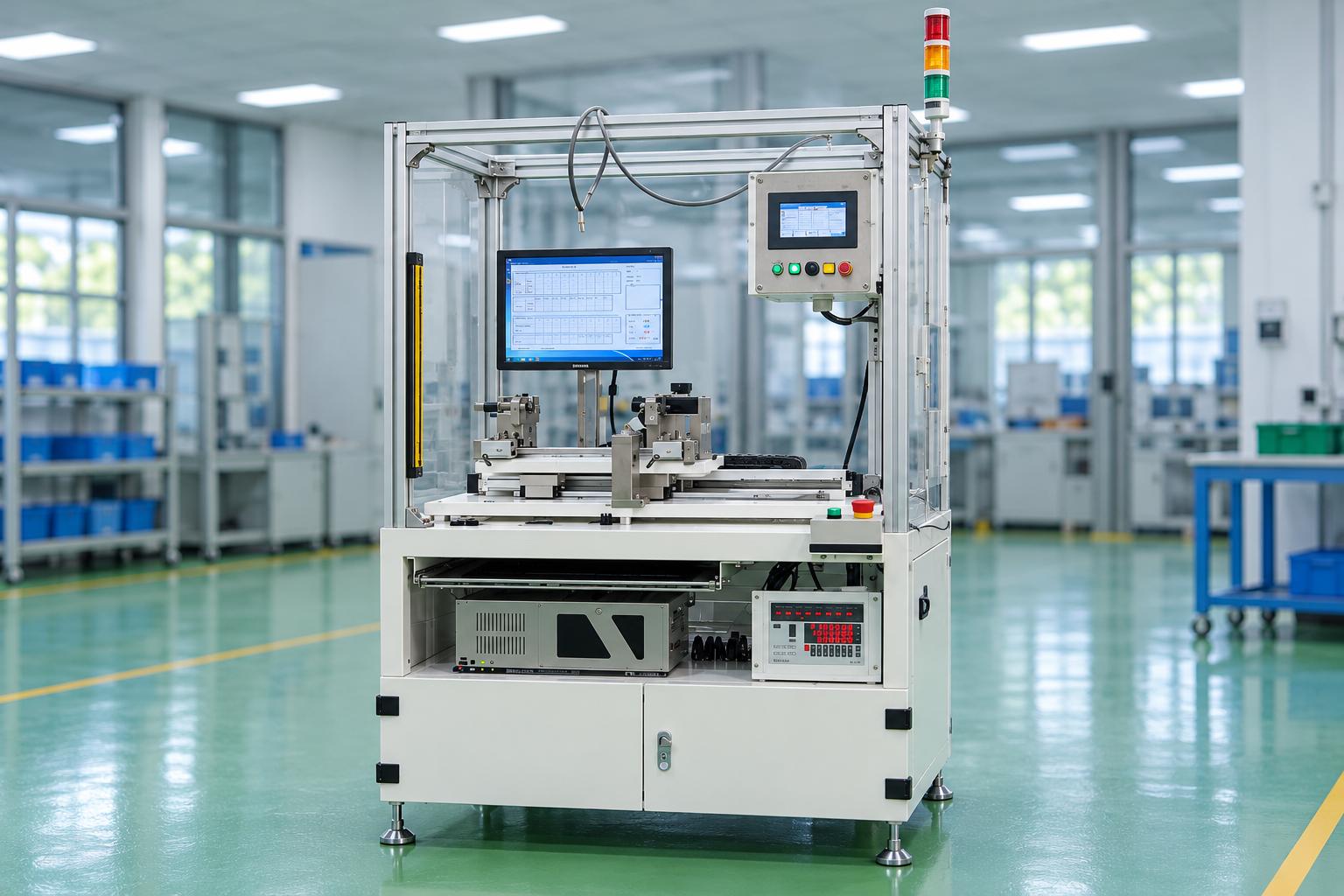
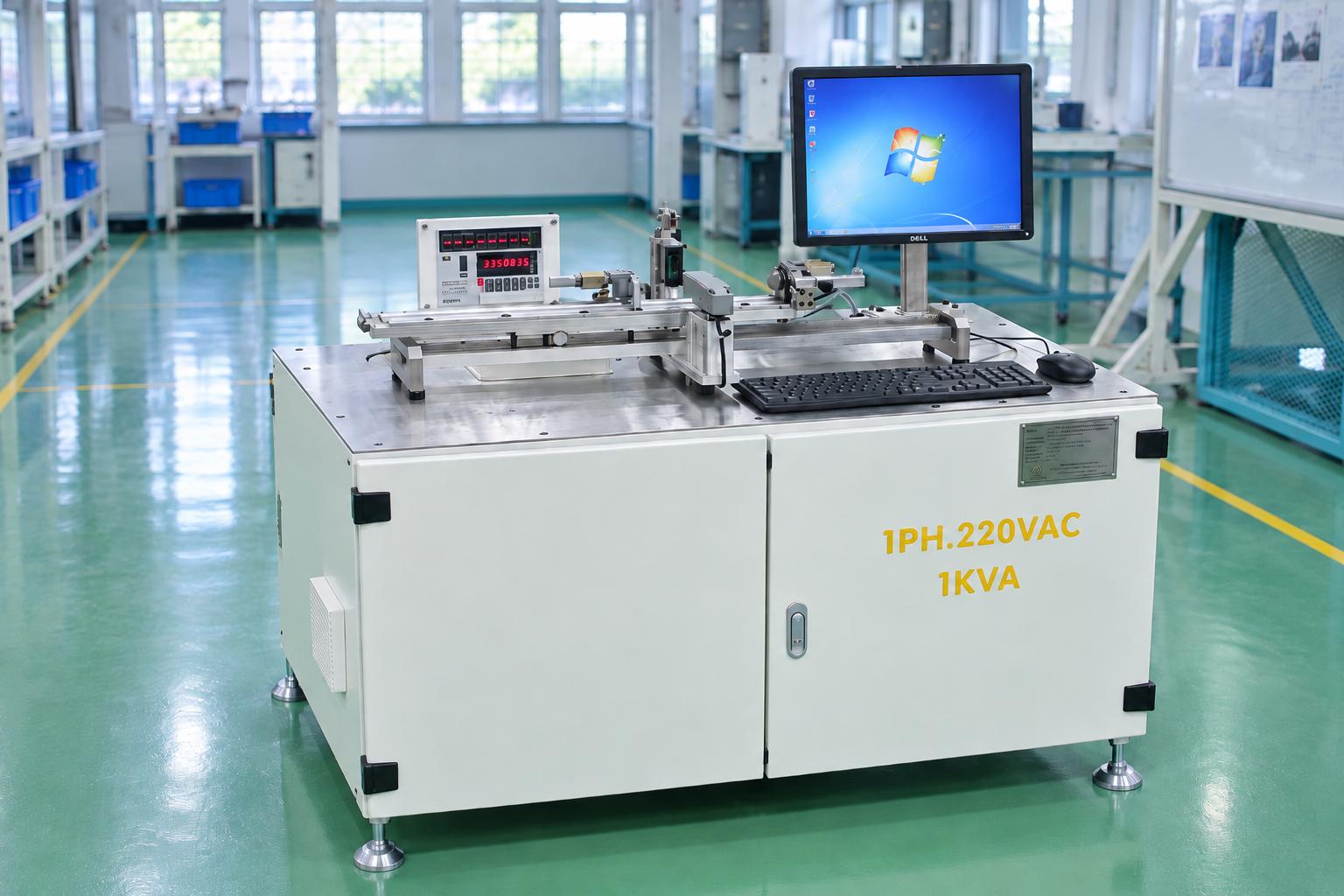
Applications for measuring and checking products using robots include: checking bonded cameras (Visual test), measuring geometric dimensions (Measuring), checking durability and friction (Testing)... which have been CNC-certified. VINA supplies customers in the electronics, mechanical processing, automobile and motorbike manufacturing and assembly industries. Inspection robots are integrated with measuring and calculating devices and provide results tables or give commands to processing robots such as picking and classifying output products. This step can be combined with AGV self-propelled vehicles to transport products in/out of warehouse.
Pharmaceutical industry
Pick and place robot
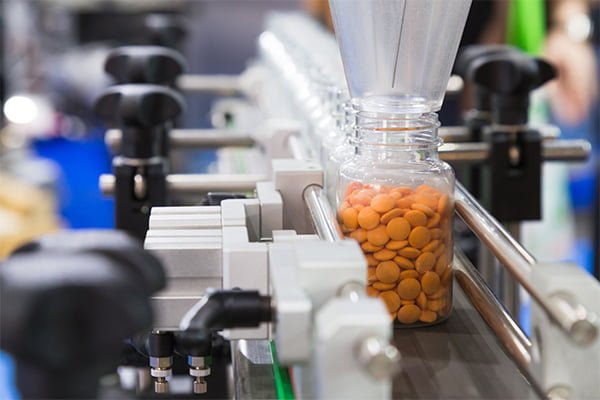
It's simply picking up and moving objects. These may be products that need to be taken off the conveyor belt and into a work area or sorting items for further processing. For the pharmaceutical industry, you can think about sorting medicine bottles or organizing syringes.
Robot checks drug packaging quality
Inspection is hard work for workers because they must have high concentration throughout the work process. An error in testing can cause serious consequences for the patient. Robots can be an optimal solution here as they can operate extremely consistently. For example, robots can check whether blister packs are completely filled or detect defects.
Robot closes the lid
Used for automatic capping applications of medicine bottles.
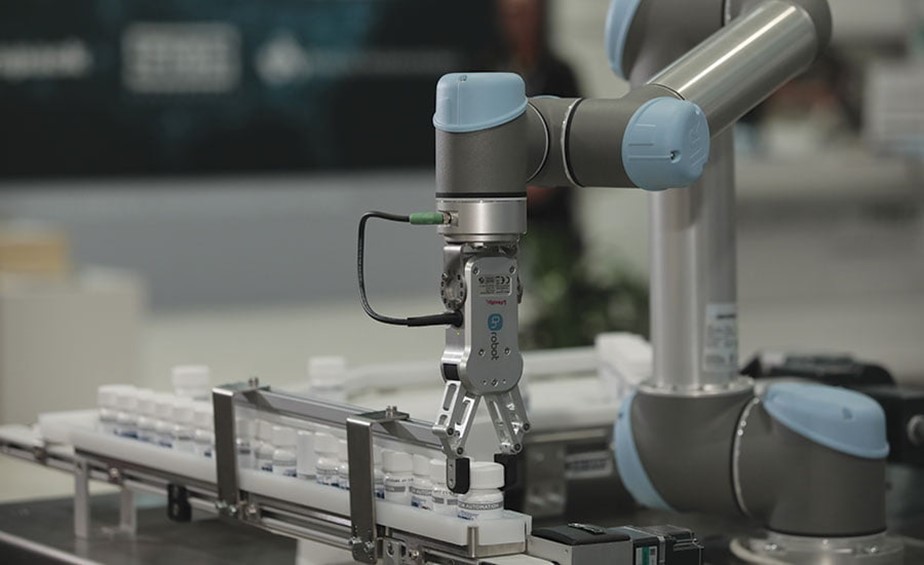
Filling and packaging robots
Dosage in the pharmaceutical industry is paramount. Packaging the wrong dosage can have serious consequences. Using humans can easily cause errors, while machines can adjust accuracy and repeatability to keep errors within allowable levels.
Consumer goods industry
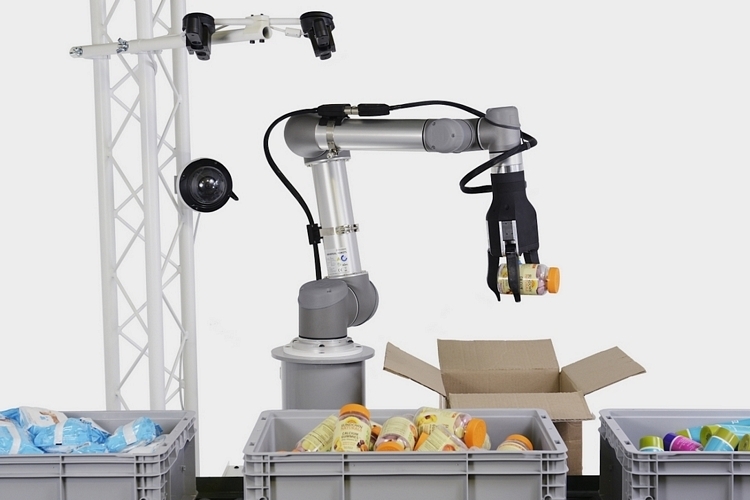
Robots classify and arrange products
Industrial robots are applied to classify and arrange products in the production of consumer goods, making this job flexible and easy to change lines thanks to reprogramming. They are often supported by conveyor systems, sensor systems, and image processing systems.
Aviation and space industry
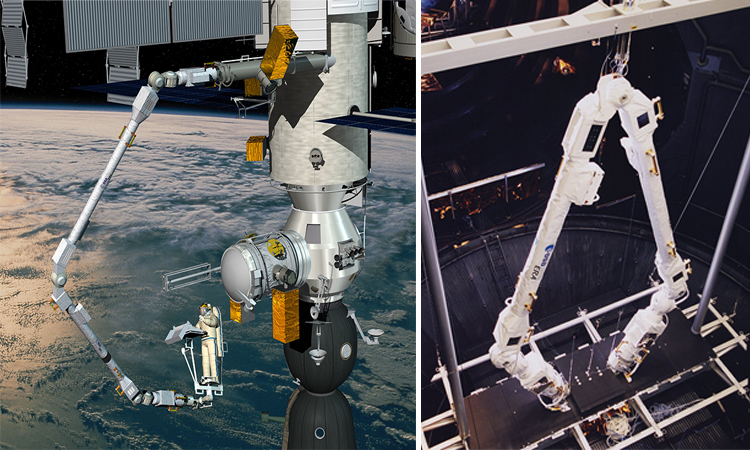
Robots operate in harsh conditions
In industry and aerospace research, we sometimes have to work with very harsh environments such as lack of water, low pressure, high pressure, temperatures unsuitable for life, dangerous rays, Radioactive substances,... It is impossible or very difficult for humans to enter there, robots are a solution, especially industrial robot manipulators.
Benefits of using industrial robots
Although there are some limitations such as high investment, repair, and maintenance costs when encountering problems, requiring highly qualified operating personnel, programming jobs require thorough training, but compared to other solutions, In return, industrial robots have the following benefits:
-
Reducing human resources and releasing workers.
-
Flexibility thanks to programmability.
-
Operates in harsh conditions.
-
Accuracy and repeatability are increasingly high.
-
Outstanding processing speed for some tasks.
-
Ability to easily integrate with many types of lines.
-
Integration capabilities and multiple robots working together.
-
Many models and capacities for many types of applications.
-
Can perform many types of tasks.
-
The development of artificial intelligence, IoT,..., comes with industrial robots.
Future trends of industrial robots in assembly
Advances in robotics technology
Currently, under the impact of automation and the achievements of the 4.0 Revolution, robot manufacturing technologies are increasingly developing. Many countries are promoting robot production and research to apply to their industries. Aspects developed include:
- Manufacturing materials: Trend of new materials that are lighter and more durable. Among emerging materials for robots, carbon fiber-reinforced composites can significantly improve robot energy consumption, performance, and safety. Because carbon fiber-based composites are much lighter and stronger than metals, these materials hold promise for the future of robotics. However, their production costs remain high and mass production remains challenging.
- Drive motors: Trends in improving efficiency, saving energy and using renewable energy.
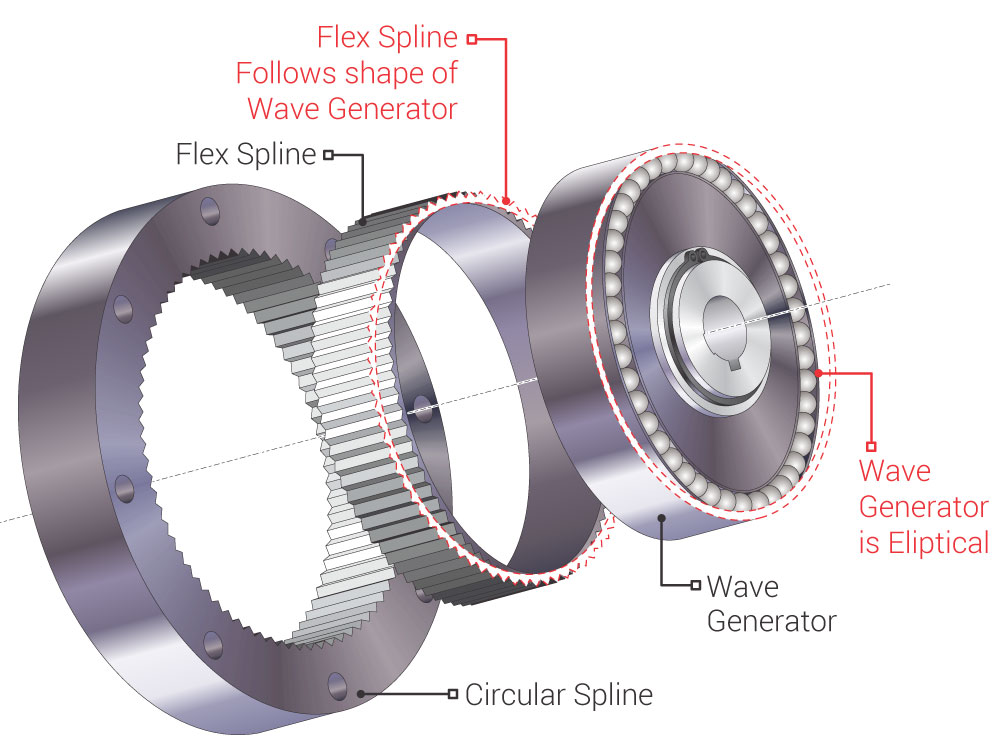
- Control system: Integrating modern technologies such as AI, sensor system, super-precise measuring system, high-speed microprocessor, modern image processing system, methods, etc. to help the control system increasingly responsive and highly accurate.
- Connection and data transmission system: Integrating systems such as IoT, Big Data, cloud data, 4G, 5G networks, new communication standards, etc. helps monitor multiple robots remotely or help multiple robots work together. work together more effectively.
- Manufacturing method: 3D printing method with fast and diverse shaping capabilities. New 3D printing materials.
Integrates artificial intelligence and machine learning capabilities
Integrating artificial intelligence and machine learning capabilities helps industrial robots:
-
Perform more complex tasks.
-
Programming can be faster and simpler.
-
Higher level automation such as self-programming, self-determining tasks,...
Collaborative robot for human-robot interaction
Nowadays, communication between people is no longer just through buttons or personal computers. Programming HMI interface touch screens is increasingly standardized and easy for programmers. Electronic displays are so flexible they can be completely reprogrammed and create a completely new communication interface.
The future trend of communicating with robots can also be through voice, voice recognition programs are increasingly developing although not really optimal. Touchless communication, thought control, etc. The future is possible.
Potential impact on the future of assembly
The smarter the robot is, the more sophisticated and precise its structure is, the more diverse tasks it can perform, from simple picking and placing details to complex classification applications, detailing too many shapes that sometimes Even humans cannot classify them and the tasks are even more difficult. In addition, assembly processes sometimes require very strict quality of joints, such as in jet engines or pneumatic turbines. Only increasingly accurate and agile robots can meet the power needs. productivity and quality.
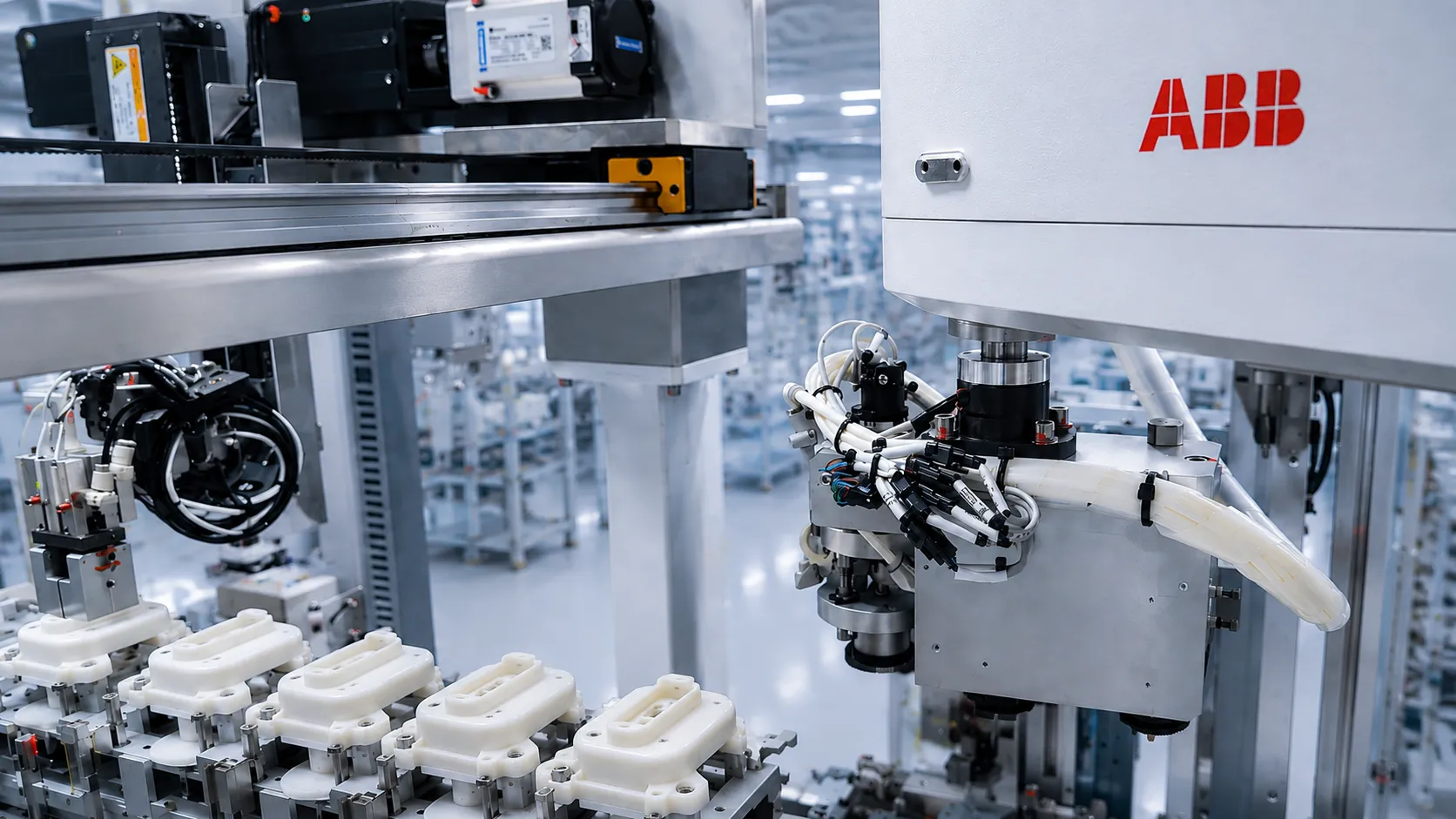
New materials help robots become stronger, lighter, more durable, more efficient and more energy efficient, helping to reduce assembly costs. Furthermore, robots can lift heavier and larger parts and assemble giant machines with high levels of precision.
The application of industrial robots for assembly helps manufacturers increase productivity, improve accuracy, and maintain consistent product quality throughout the production process. With their ability to operate reliably for extended periods, robots can handle repetitive, heavy-duty tasks or operations performed in demanding working environments, thereby reducing the workload on operators. In addition to assembly operations, robots can be integrated with feeding systems, inspection and sorting systems, conveyors, AGVs, and smart warehouse solutions to create a fully automated and synchronized production line. CNC VINA provides industrial robotic solutions for the assembly of electronic components, mechanical parts, automotive and motorcycle components, as well as a wide range of other manufacturing applications. Each system is designed based on the characteristics of the products, specific process requirements, and the automation objectives of each manufacturer. With an experienced engineering team specializing in industrial automation, CNC VINA focuses on developing flexible, accurate, and practical assembly solutions tailored to real-world production needs. These solutions provide a foundation for manufacturers to optimize costs, improve competitiveness, and gradually move toward smart factory operations.
Refer to some of the CNC lines VINA has provided
CIS printer automatic assembly line
The automatic assembly line integrates a robot to arrange printer parts
Automatic production line
Customers who need consulting, design, manufacturing and installation of automatic lines and automation solutions with industrial robots please refer to our typical projects below and contact us for details. support.
VIETNAM CNC & TECHNOLOGY APPLICATION JOINT STOCK COMPANY
Factory: Song Cung Industrial Site, Dong Thap Commune, Dan Phuong District, Hanoi City, Vietnam.
Hotline: +84.916 63 9355 / +84.915 74 4664
Website: www.cncvina.com.vn
Email: Sales01@cncvina.com.vn | Sales03@cncvina.com.vn

 Tiếng
Việt
Tiếng
Việt
 Tiếng
Anh
Tiếng
Anh
 Tiếng
Nhật
Tiếng
Nhật




 Tiếng Anh