 Tiếng
Việt
Tiếng
Việt
 Tiếng
Anh
Tiếng
Anh
 Tiếng
Nhật
Tiếng
Nhật




 Tiếng Anh

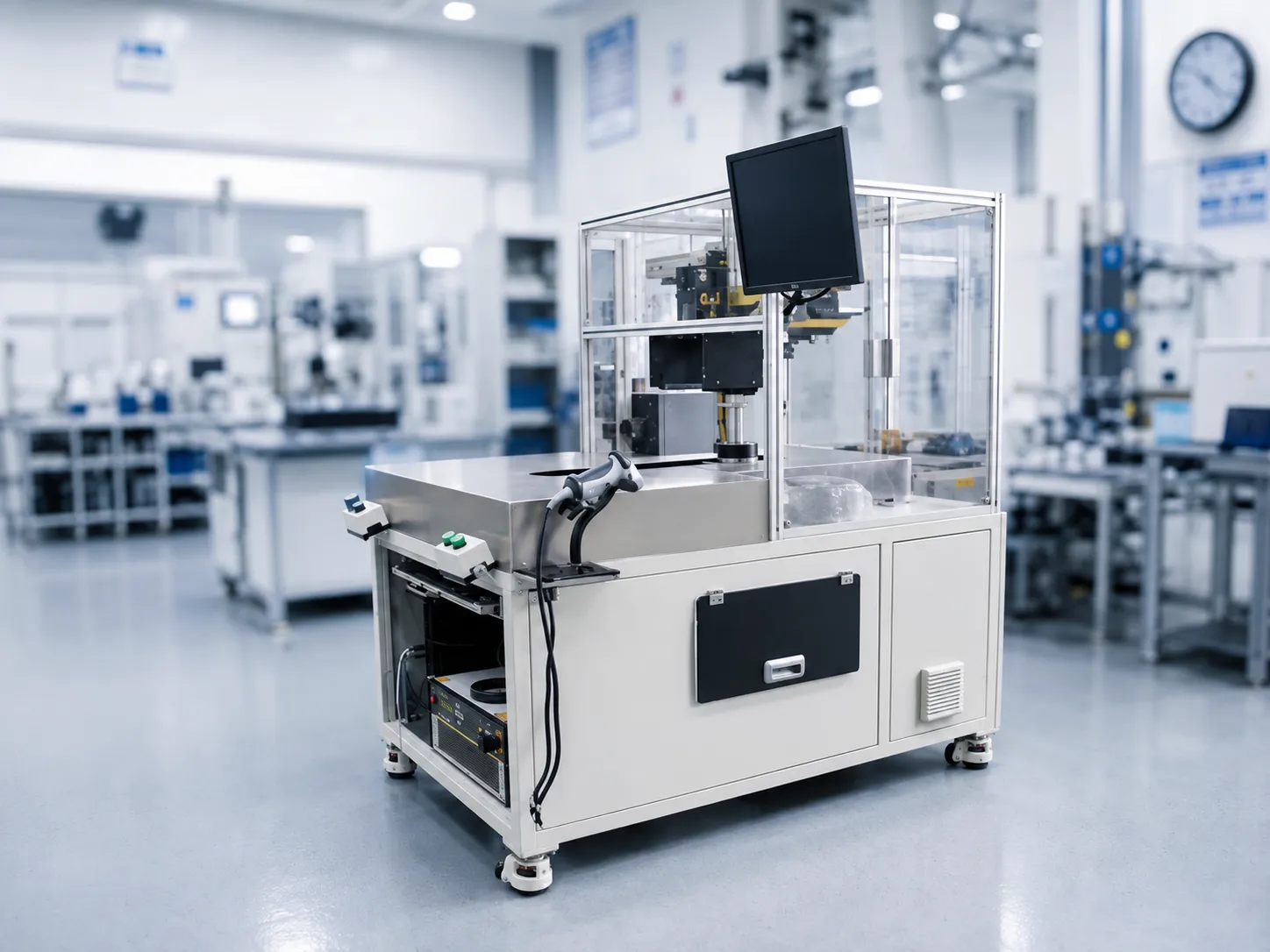
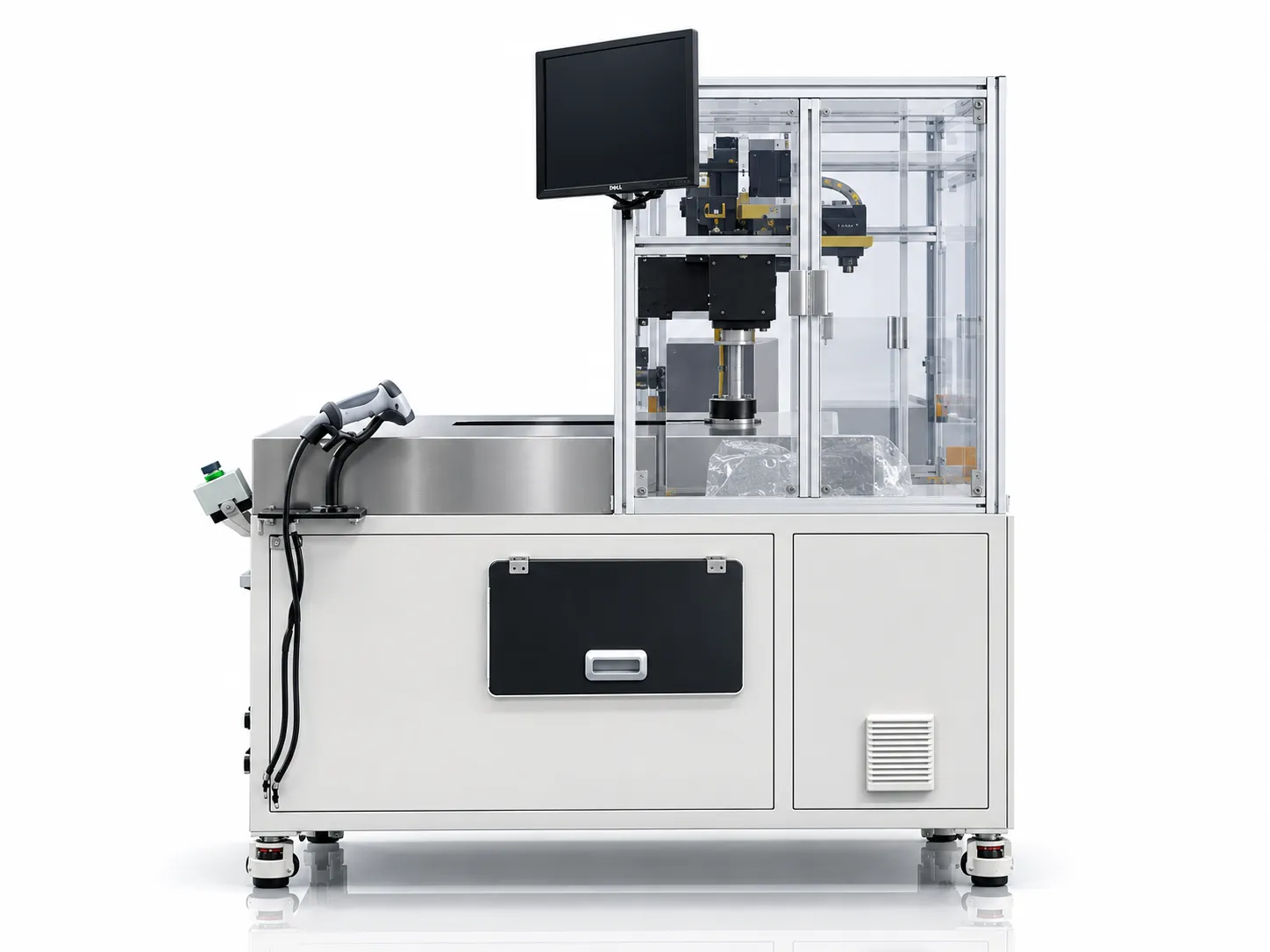
Laser product code engraving machine
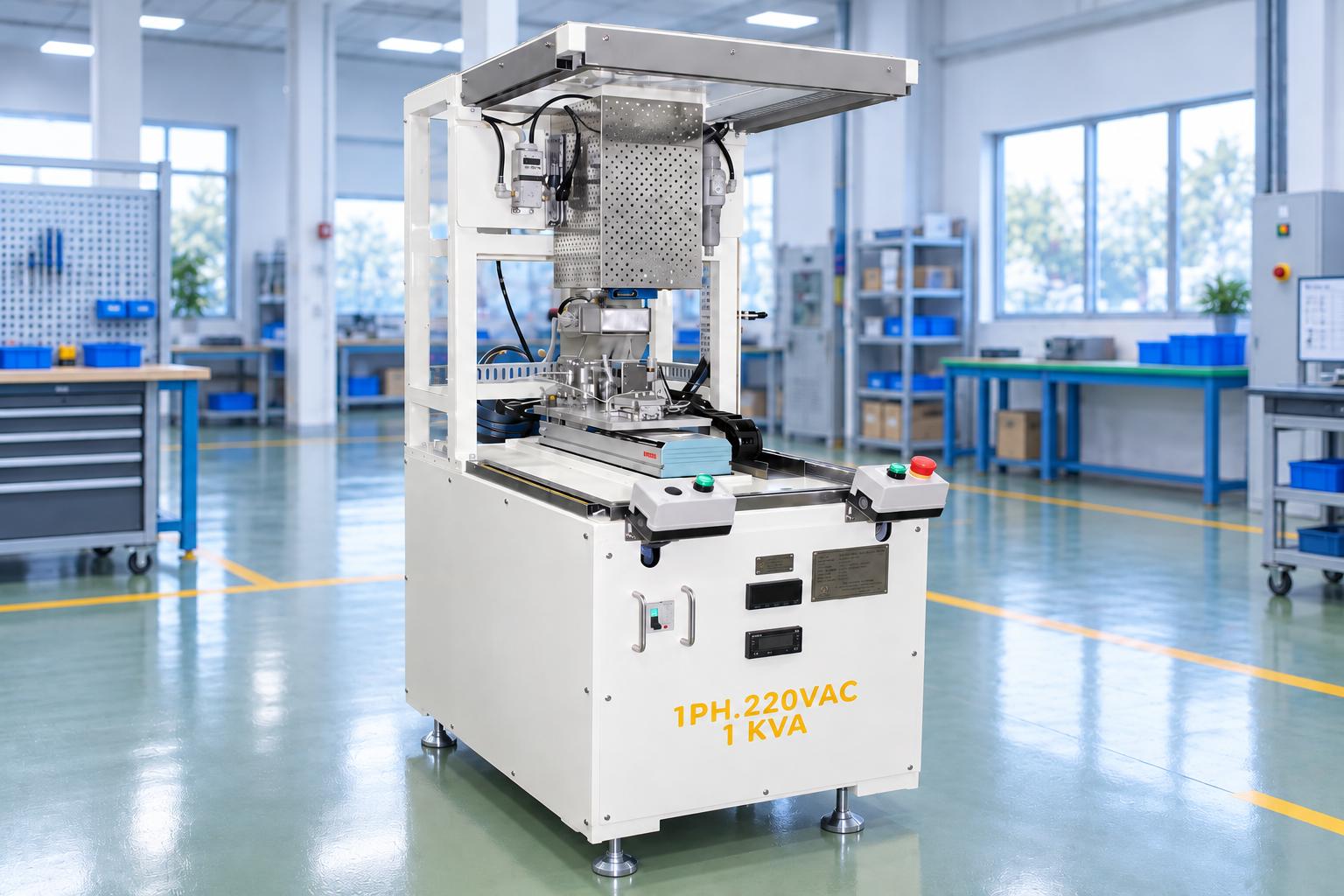
PCB laser marking machines are high-precision systems that use a high-power laser source to permanently mark information such as barcodes, QR codes, serial numbers, and logos onto product surfaces. With key advantages including high accuracy, fast processing speeds, and consistent marking quality, laser marking machines are becoming increasingly widely used across modern manufacturing industries.
As manufacturing continues to advance, production processes are subject to increasingly stringent requirements for quality, traceability, and operational efficiency. 2D laser marking technology has therefore gained widespread adoption thanks to its flexibility, high precision, and ease of integration into automated production lines. By enabling reliable and consistent marking while supporting seamless automation, laser marking systems help manufacturers meet the increasingly demanding requirements of modern production environments.
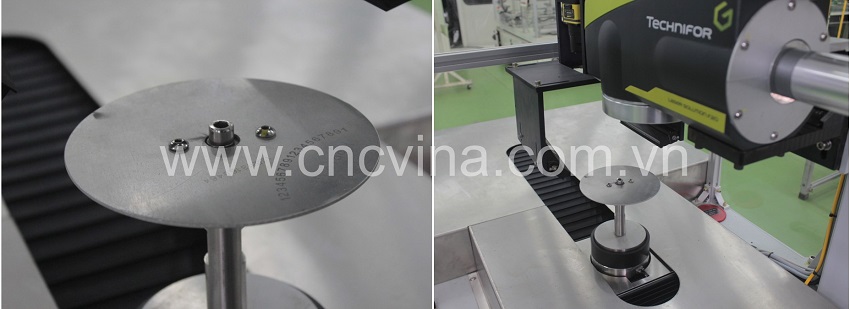
PCB laser marking machines are commonly integrated into automated production lines to automatically mark the required information onto products. The machine operates by focusing laser energy onto a precise point on the material surface. The concentrated energy heats, melts, or vaporizes the material at the targeted area, creating the required marking pattern with high precision and consistency.
VIETNAM CNC & TECHNOLOGY APPLICATION JOINT STOCK COMPANY
Hotline: +84.916 63 9355 / +84.915 74 4664
Email: Sales01@cncvina.com.vn / Sales03@cncvina.com.vn
Product description

Introduction to PCB Laser Marking Machines
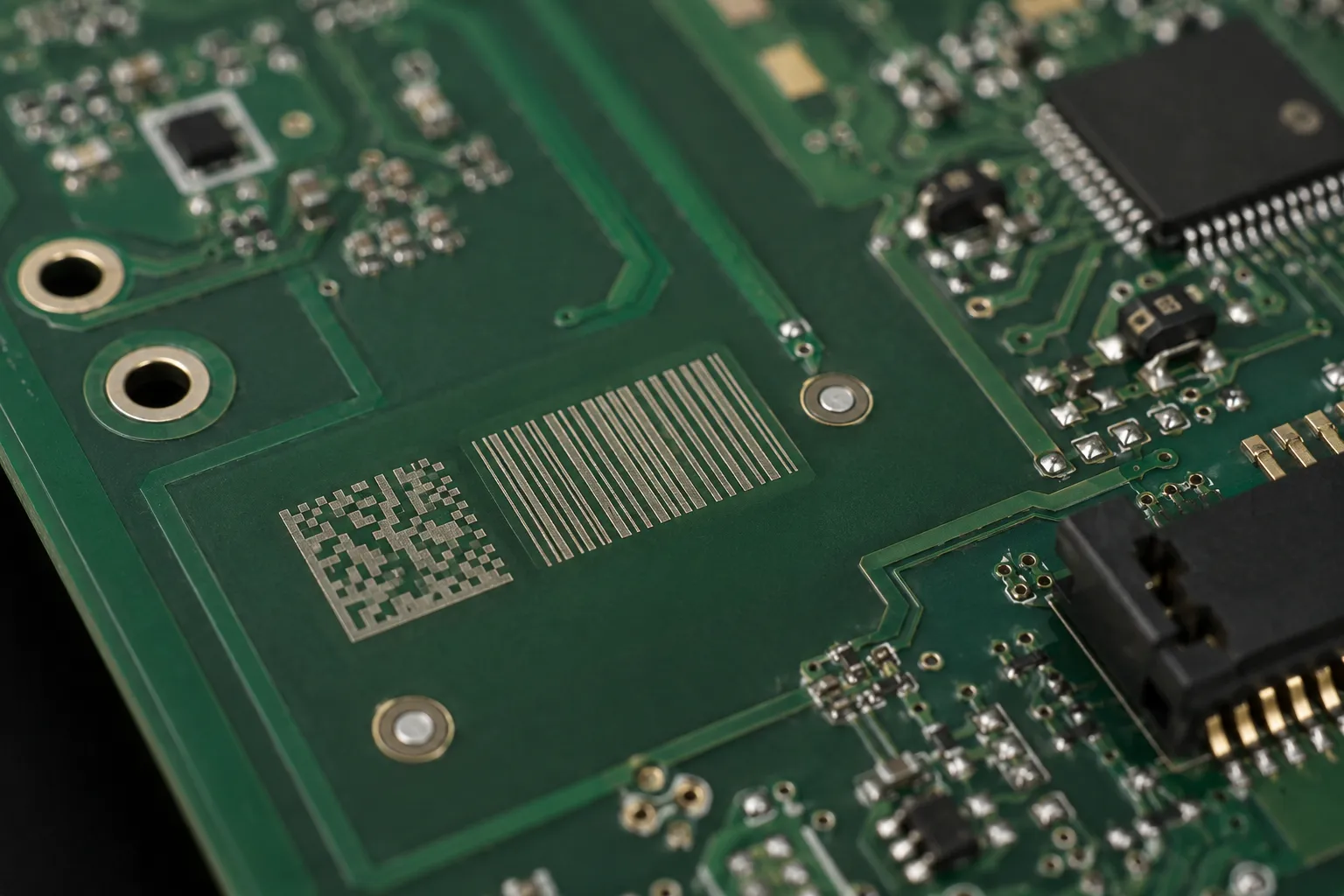
PCB laser marking machines are high-precision systems that use a high-power laser source to permanently mark information such as barcodes, QR codes, serial numbers, and logos onto product surfaces. With key advantages including high accuracy, fast processing speeds, and consistent marking quality, laser marking machines are becoming increasingly widely used across modern manufacturing industries.
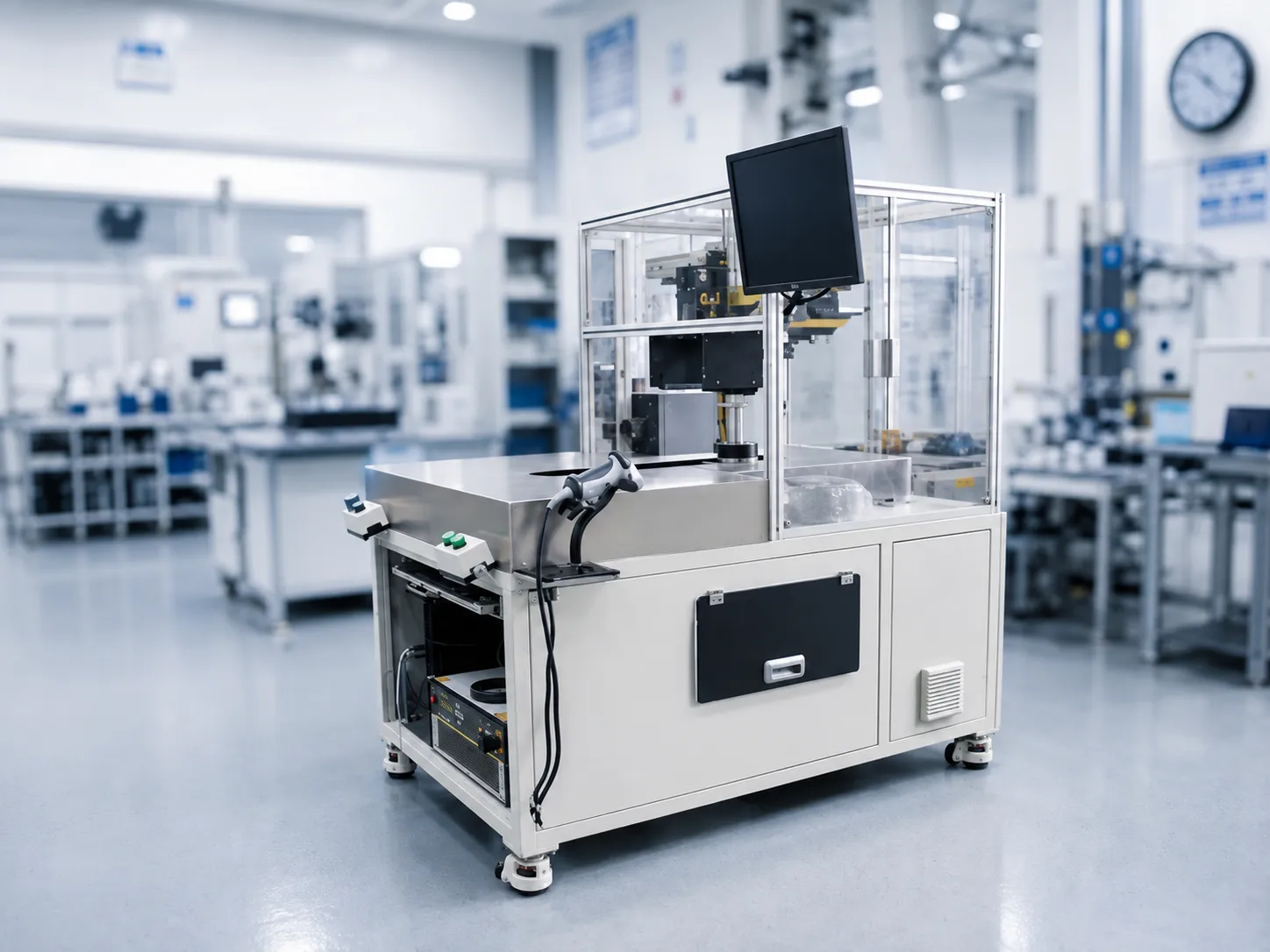
As manufacturing continues to advance, production processes are subject to increasingly stringent requirements for quality, traceability, and operational efficiency. 2D laser marking technology has therefore gained widespread adoption thanks to its flexibility, high precision, and ease of integration into automated production lines. By enabling reliable and consistent marking while supporting seamless automation, laser marking systems help manufacturers meet the increasingly demanding requirements of modern production environments. PCB laser marking machines are commonly integrated into automated production lines to automatically mark the required information onto products. The machine operates by focusing laser energy onto a precise point on the material surface. The concentrated energy heats, melts, or vaporizes the material at the targeted area, creating the required marking pattern with high precision and consistency.
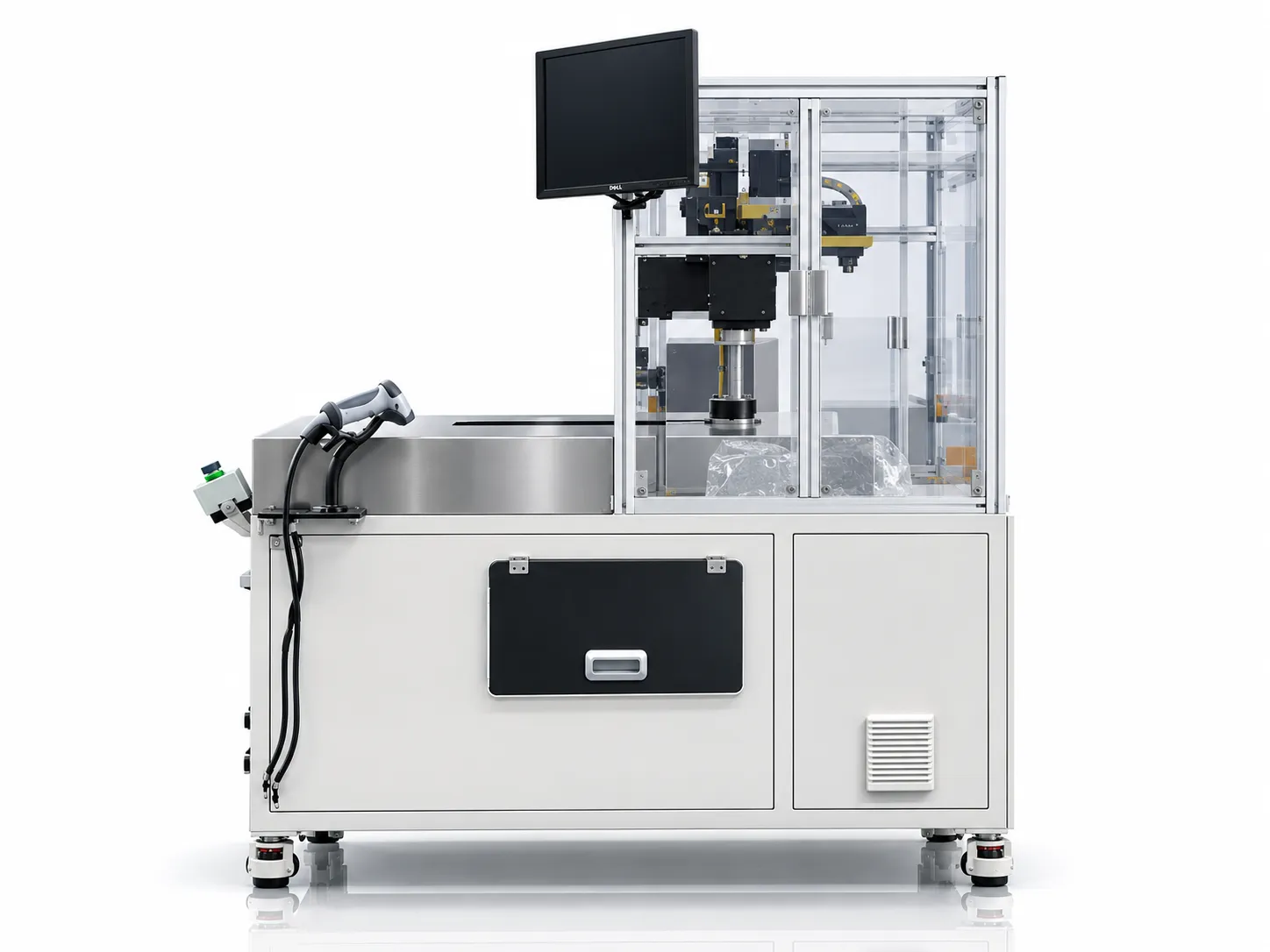
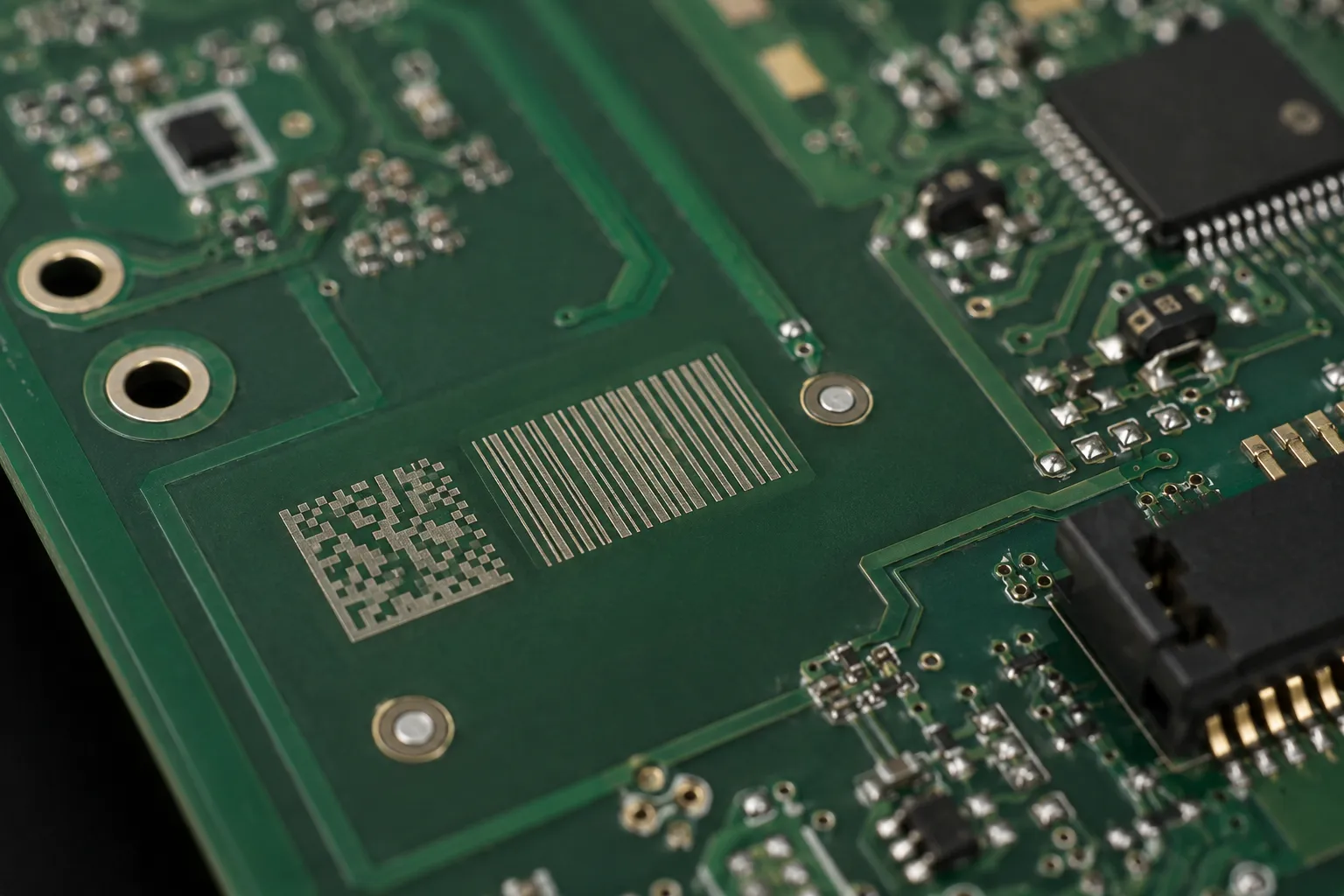
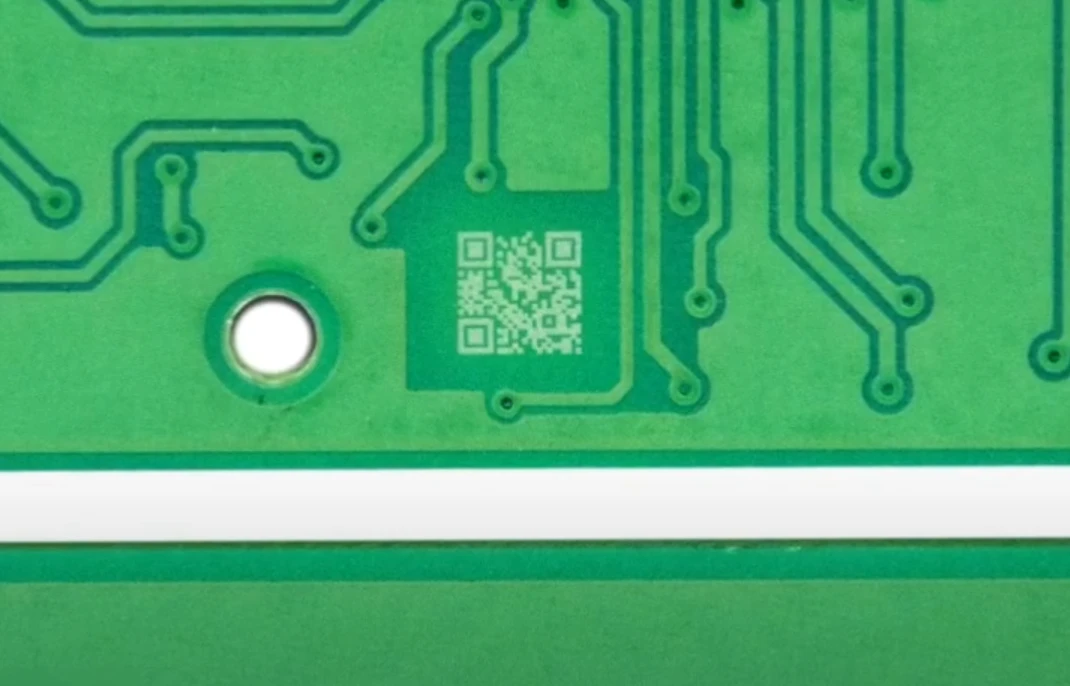
Marking codes and identification information directly on PCBs
The machine can mark a wide range of identification and traceability information, including QR codes, barcodes, serial numbers, characters, logos, and product codes. Marking information directly onto the PCB ensures that the identification remains associated with the product throughout the manufacturing process, reducing reliance on paper labels or separate stickers that may peel off, become lost, or be mixed up during handling and transportation.
High precision for small characters and codes
The laser system and scanning mechanism are precisely controlled to create marking patterns according to the programmed specifications. Based on the machine's reference configuration, the minimum character size can be approximately 0.1 mm. The ability to produce small, precise characters makes the machine suitable for PCBs with limited marking space while still requiring product identification. However, the actual character size and marking quality depend on factors such as the material, laser type, laser power, and specific requirements of each product.
Marking speed for continuous production
Unlike manual marking methods, laser marking is performed automatically according to a predefined program. Once the PCB is correctly positioned, the system can execute the programmed marking process without requiring the operator to manually enter or mark each character. This operating method is well suited to high-volume production lines that require stable and consistent cycle times. The actual marking time depends on factors such as the marking content, marking area, character density, and quality requirements of each product.
No mold or direct-contact tooling required
Laser marking creates marks using concentrated light energy and therefore does not require a mechanical engraving tool to come into direct contact with the product surface. This helps reduce issues associated with tool wear during the marking process and makes it easier to change marking content. This is also one of the reasons why laser technology is well suited to products requiring small, precise markings with different types of identification information.
Flexible marking content programming
Marking content is configured through the machine's control software. Operators can select the appropriate program for each PCB model instead of changing molds or mechanical tooling whenever the marking content needs to be updated. For production lines handling multiple product models, managing dedicated programs for each product helps reduce setup time and minimize errors caused by incorrect marking information.
Camera inspection after laser marking
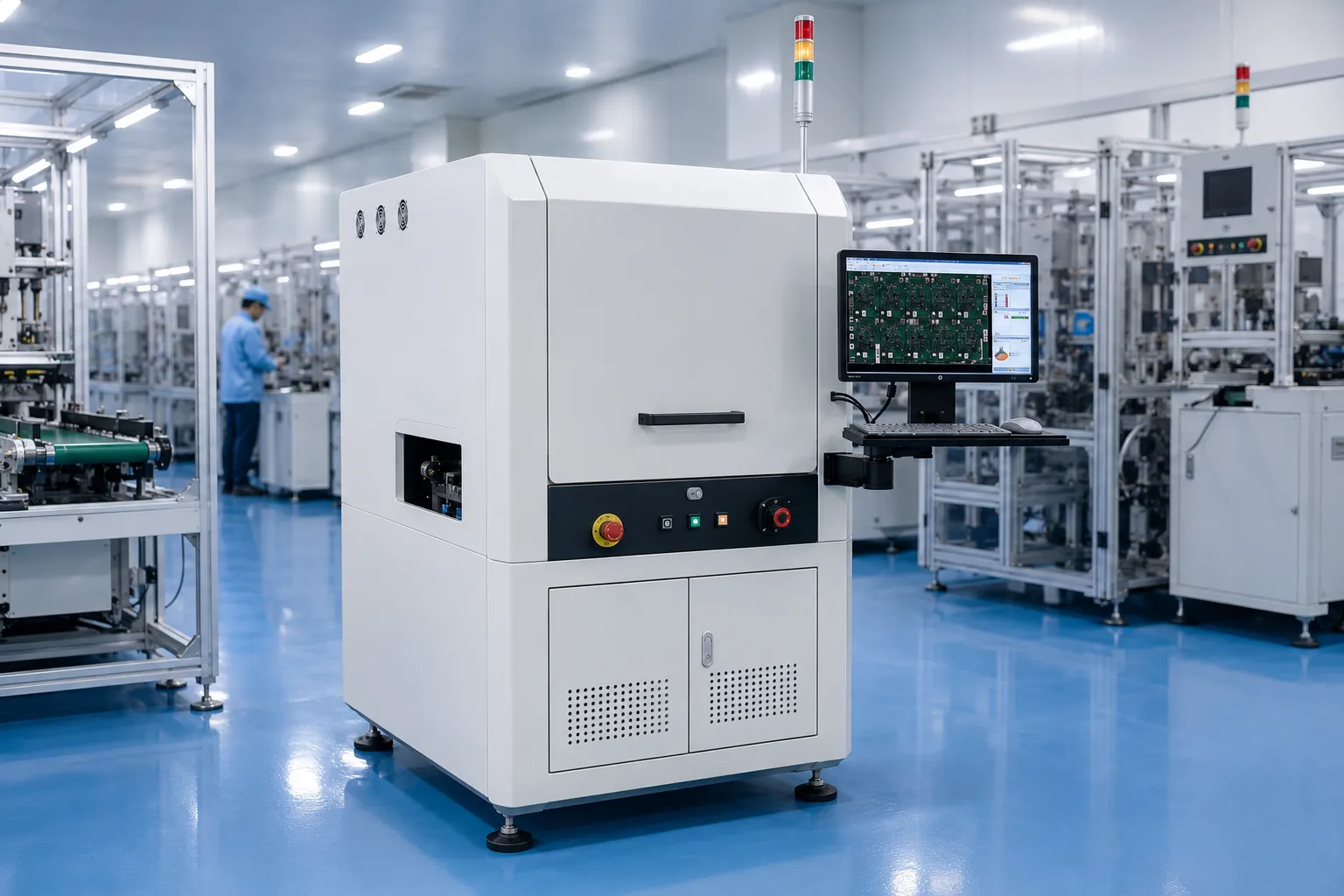
For applications requiring quality control, the laser marking system can be integrated with a camera inspection system to verify the marking after completion. The camera can be used to confirm the position, presence, and readability of the marked code according to the requirements of the production line. Combining laser marking and inspection within the same process enables manufacturers to detect marking defects at an early stage, before the PCB proceeds to the next production operation.
Designed for automated production lines
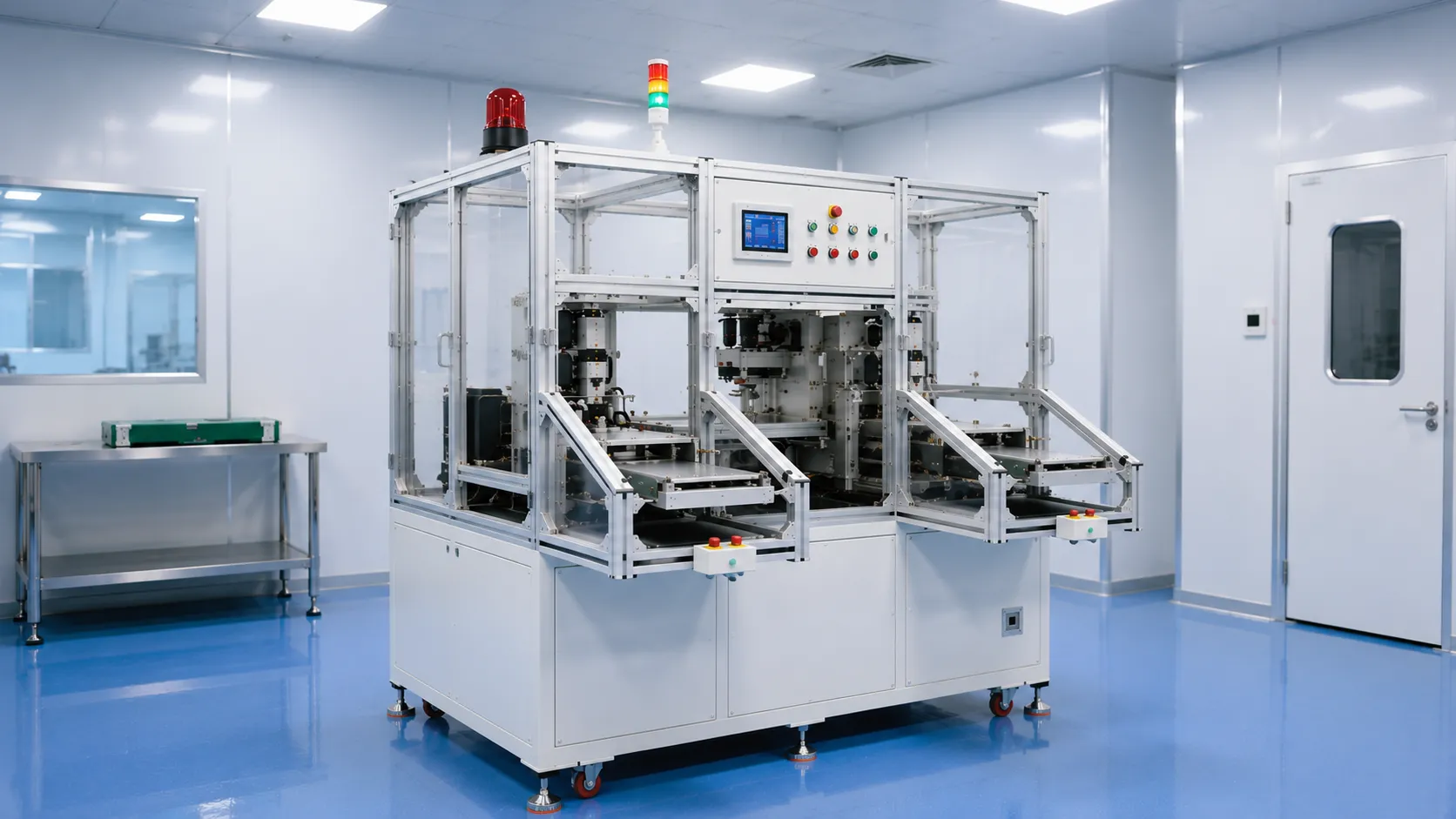
The machine can be designed for integration into SMT lines or existing electronic manufacturing lines. PCBs are transported by a conveyor system, automatically positioned at the marking station, and then transferred to the next process after marking is completed. Depending on the factory layout, PCB dimensions, and surrounding equipment, the machine configuration can be customized to accommodate conveyor height, product flow direction, and signal interface requirements.
Benefits of using PCB laser marking machines
Using a PCB laser marking machine enables manufacturers to automate the PCB identification process instead of relying on manual operations. Since marking content is managed through programmable software, the process provides greater consistency and repeatability across products. For QR codes, barcodes, and serial numbers used for traceability, direct marking on the PCB ensures that identification information remains with the product throughout the manufacturing process. This is particularly beneficial when PCBs pass through multiple production stages and require inspection or data traceability at different points within the factory.
The machine can also help reduce consumables associated with label-based identification methods, as well as the tooling requirements of mechanical marking processes. Since the laser acts directly on the product surface, the marking process does not require molds or contact-based engraving tools. In addition, the ability to program multiple marking contents and integrate a camera inspection system makes the machine suitable for production lines that require both product identification and marking verification.
When integrated inline, the laser marking process can be performed directly within the production flow, eliminating the need to remove PCBs from the line for separate marking operations. This helps streamline the manufacturing process, improve production continuity, and support more efficient automated production management.
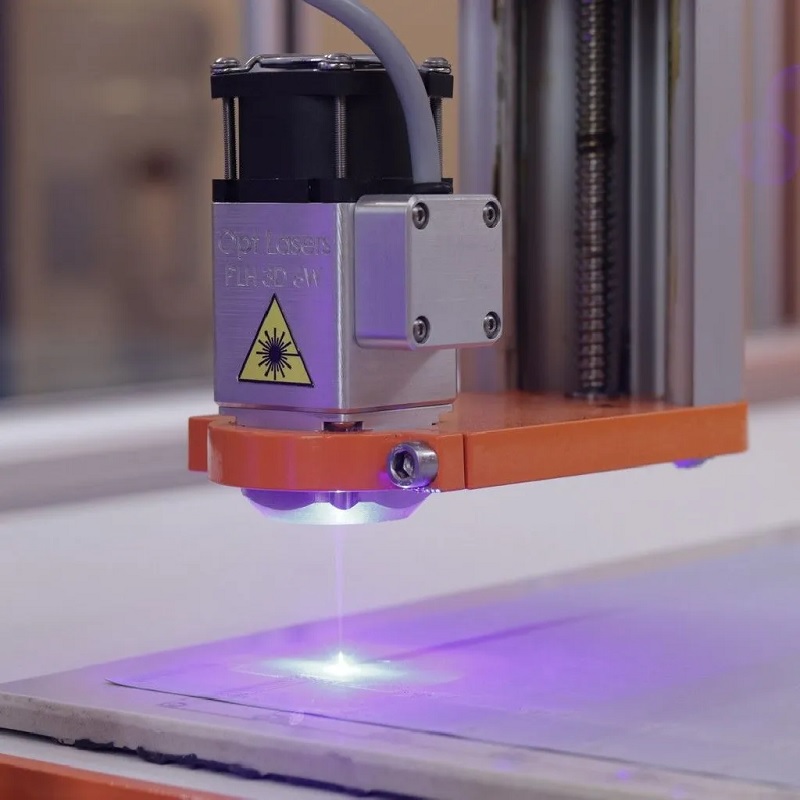
Laser Annealing
Laser annealing involves gradually heating the metal surface with a focused laser beam. This creates a marking approximately 20–30 µm below the surface as the metal begins to oxidize internally. The thickness, and therefore the resulting color, of the oxide layer is determined by the maximum surface temperature reached during the heating process. This temperature is controlled by factors such as laser intensity, beam scanning speed, and the spacing between successive scan lines. Laser-annealed markings can be produced in a variety of colors, are highly resistant to wear, and do not compromise the corrosion resistance of the component, as can occur with conventional engraving. This makes laser annealing particularly suitable for marking materials used in demanding environments, including ferrous metals and titanium.
Carbon Migration
Carbon migration involves heating the base material with a laser beam, causing the material to chemically bond with carbon molecules at or near its surface. This produces a dark, smooth, and permanent mark, making the process particularly suitable for medical devices, where surface roughness can potentially harbor contaminants and/or bacteria. Carbon migration is also a relatively fast marking process compared with laser annealing. It can be used to mark a variety of materials, including metals, paper, wood, leather, and packaging materials. However, carbon migration markings may have limited visibility on dark-colored surfaces.
Foaming
Foaming is suitable for producing light-colored markings on dark plastics and, in some applications, stainless steel. During the process, the material surface is heated by the laser until it melts, creating small bubbles that become trapped as the material cools. The resulting mark is raised by approximately 20–40 µm and can cover a relatively large area. Light is then reflected by the raised surface, creating a bright, highly visible marking against dark-colored plastic. The specific machine configuration and technical parameters may vary depending on the intended application and the customer's production requirements.
Other Product Marking and Engraving Equipment
In addition to product laser marking machines, various other types of equipment can be used to create identification marks and detailed information on products, including:
- CO₂ Laser Engraving Machines: Use high-power CO₂ laser sources and are commonly used for cutting and engraving a wide range of materials.
- Fiber Laser Marking Machines: Use fiber laser technology to produce precise markings and fine details, particularly on metals.
- Laser Printing Machines: Use laser-generated heat to print or mark information directly onto product surfaces.
- Barcode Printing Machines: Print barcode labels or identification information for application to product surfaces.
- Laser Stamping Machines: Use concentrated laser energy to create characters and markings on product surfaces.
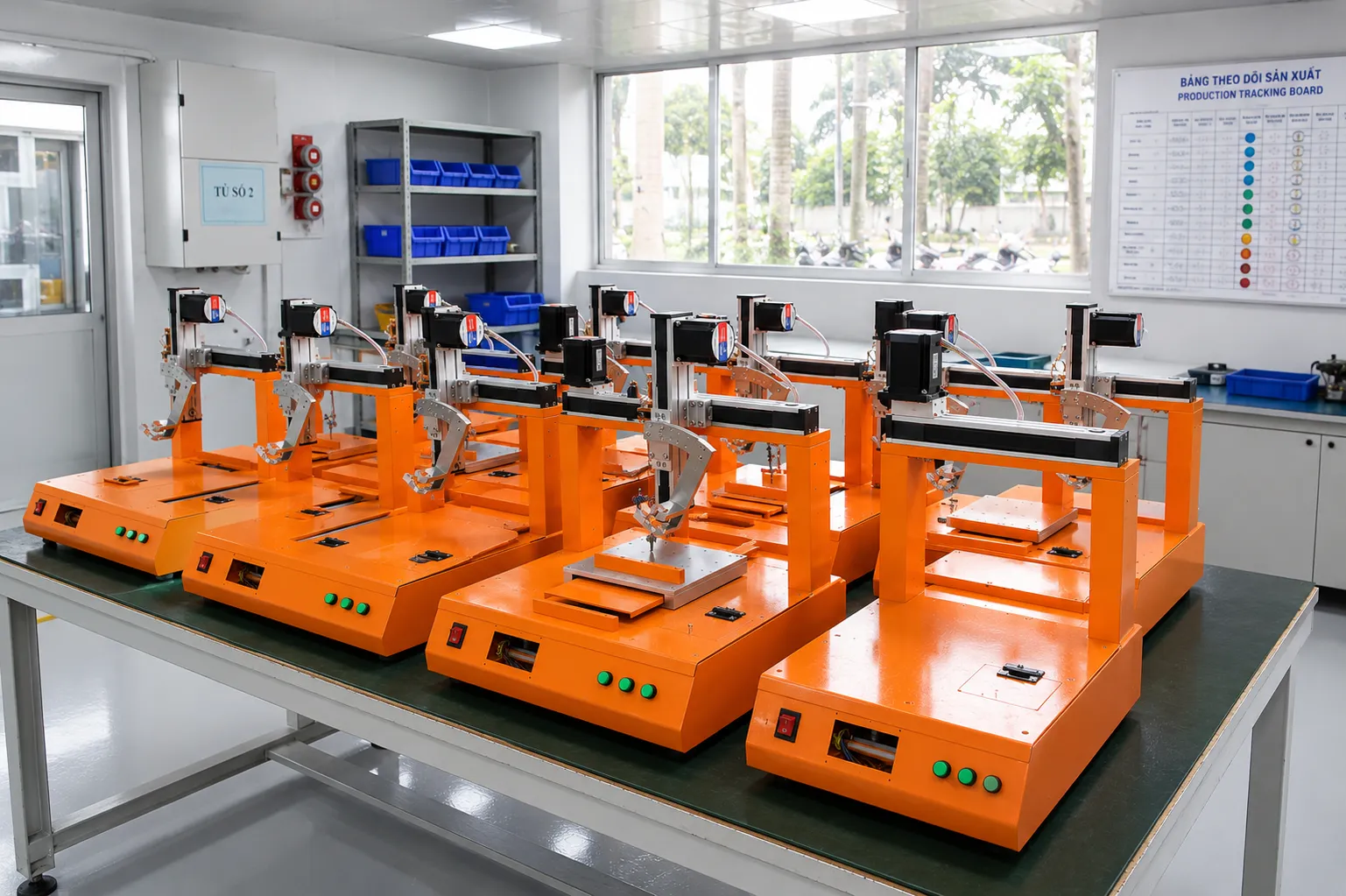
PCB laser marking machines are among the specialized automated equipment solutions supplied by CNC VINA to customers across various industries. With extensive experience in developing and manufacturing industrial automation equipment, CNC VINA provides optimized marking solutions tailored to specific production requirements, helping customers achieve high performance and reliable operation while optimizing overall investment costs.
Customers who are in need of automatic machines serving the electronics assembly industry please contact:
VIETNAM CNC & TECHNOLOGY APPLICATION JOINT STOCK COMPANY
Factory: Song Cung Industrial Site, Dong Thap Commune, Dan Phuong District, City. Hanoi Vietnam
Northern Office: Rox Center Ho Tung Mau Building (Rox Tower Goldmark City), 136 Ho Tung Mau Street, Bac Tu Liem District, Hanoi, Vietnam.
Southern Office: Lot H9, Tran Quoc Toan Street, Phu Chanh Ward, Thu Dau Mot City, Binh Duong, Vietnam.
Phone: +84.915 74 4 664 / +84.915 740 880
Website: https://cncvina.com.vn; https://cncvina.net; https://cncviname.com.vn
Email: Sales01@cncvina.com.vn | Sales03@cncvina.com.vn