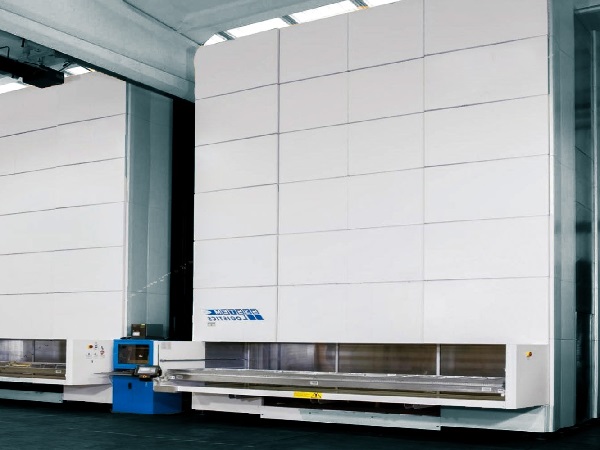
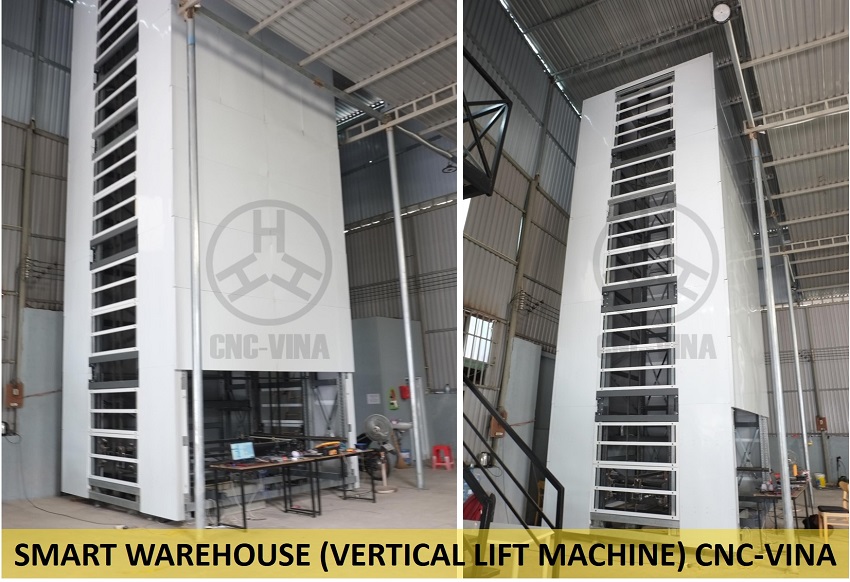
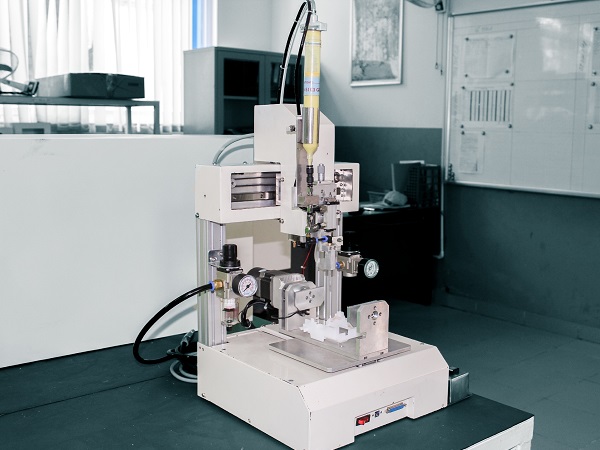
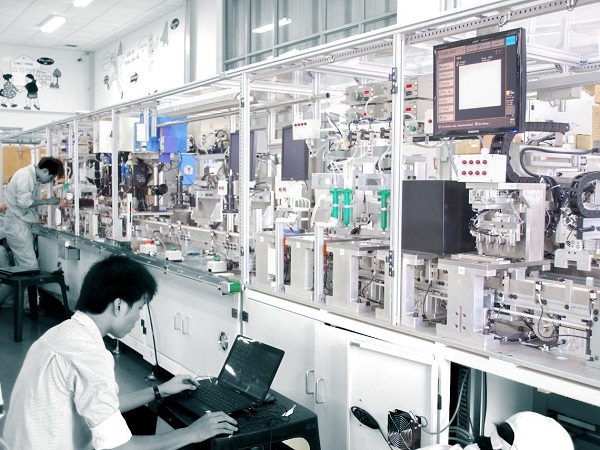
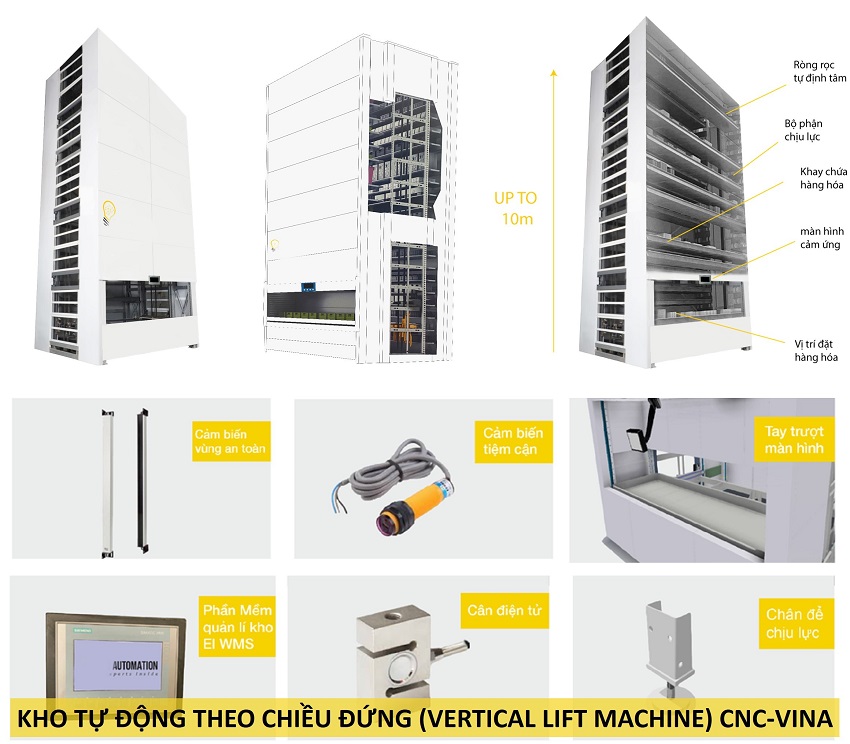
Vertical Lift Module (VLM) is an automated storage solution that uses vertically arranged storage trays and a lifting mechanism to bring goods to the operator at the access station. Instead of requiring operators to move between multiple storage racks, the system follows a goods-to-person approach, automatically delivering the required storage tray to the designated inbound/outbound station. By utilizing available vertical space, a VLM is suitable for factories, production facilities, component warehouses, spare parts warehouses, logistics centers and other environments where a large number of SKUs need to be managed within limited floor space. The system can be configured according to product dimensions, load capacity, building height, inbound/outbound frequency and the specific operational requirements of each business. When integrated with warehouse management software, a VLM can manage product information, storage locations, inventory quantities and inbound/outbound activities within a centralized system. Depending on the overall system architecture, the VLM can also be connected with WMS, WCS, ERP, conveyors or AGV/AMR systems to establish an integrated workflow for material storage and transportation within the factory.
Understanding vertical lift module (VLM)
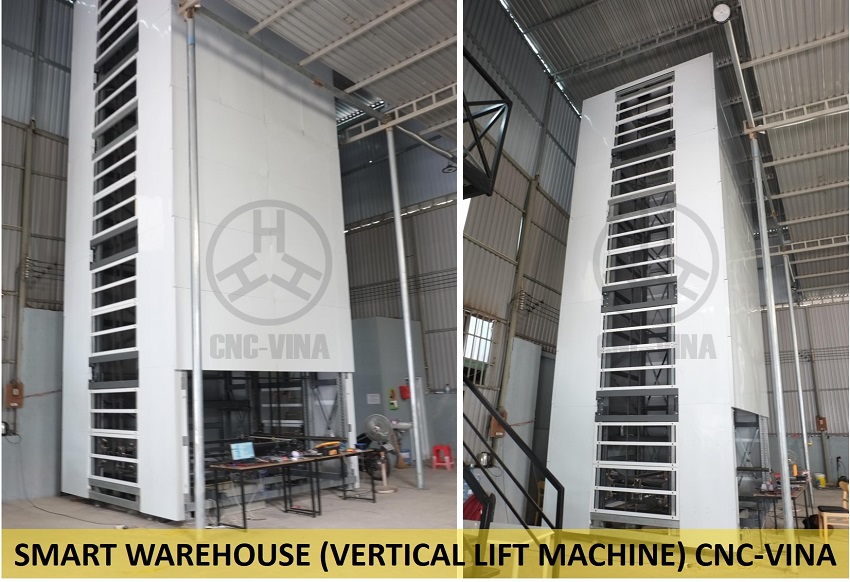
Vertical Lift Module (VLM) is a type of automated vertical storage system in which storage trays are arranged across multiple levels within the storage structure. The lifting and tray retrieval mechanism moves trays between their storage locations and the access station according to commands from the control system. This operating principle reduces the need for operators to move throughout the storage area. When a product is required, the operator can submit a request through the system interface. The system identifies the corresponding storage location and automatically delivers the required tray to the access station for the operator to retrieve or place goods.
Depending on project requirements, a VLM can be designed with different tray dimensions and load capacities. Parameters such as system height, tray dimensions, load capacity, tray spacing and access-station configuration should be determined based on product characteristics and the actual conditions of the production facility. CNC-VINA's Vertical lift module (VLM) automated storage system is designed to support storage applications for components, spare parts, materials, production tools and other product groups that require item-level identification and location-based management in manufacturing and industrial environments.
Benefits of vertical lift module
A Vertical Lift Module (VLM) uses vertically arranged storage trays combined with a lifting mechanism and control system to bring goods to the access station. This operating method reduces the need for operators to move throughout the storage area while making more effective use of the available vertical space within the facility.
Efficient use of vertical space
Instead of distributing storage locations across the floor area, a VLM arranges storage trays across multiple levels within a vertical structure. Depending on the building height, product dimensions, load capacity and operational requirements, the system can be designed to suit the available space. Utilizing vertical space is particularly useful for factories and warehouses with limited floor area but a large number of components, spare parts, materials or products that need to be managed by individual item codes. Actual space utilization depends on factors such as building height, tray dimensions, load capacity, product characteristics and system configuration. Therefore, VLM design should be based on the actual facility layout and specific storage requirements of each business.
Reducing search and picking time
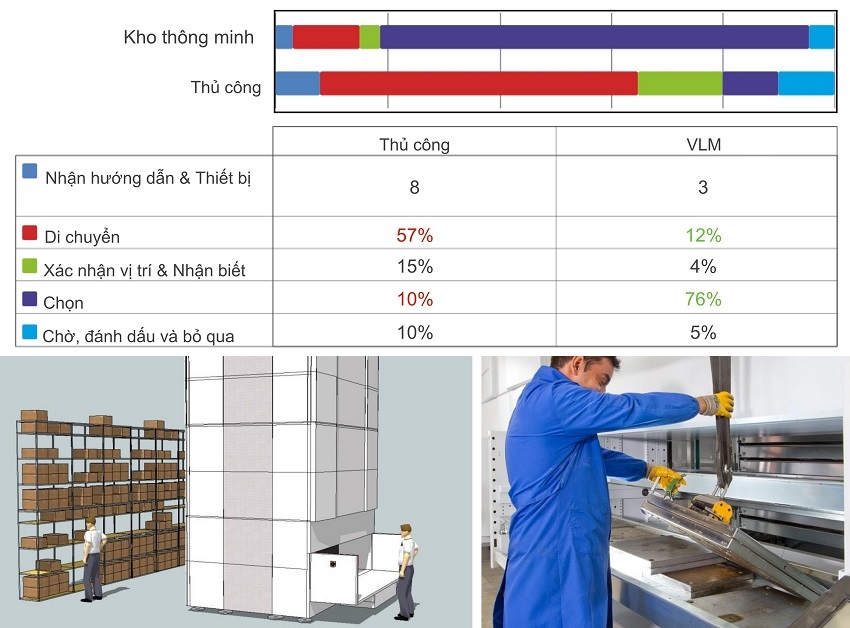
A VLM follows a goods-to-person approach, eliminating the need for operators to move between multiple storage racks to locate products. When an inbound or outbound request is received, the operator submits the command through the control interface. The system identifies the corresponding tray and automatically delivers it to the access station. This operating method can reduce product search time, unnecessary movement within the storage area and repetitive picking tasks. Operators can focus on inspecting, identifying and handling goods at a designated work area.
For large or heavy goods, the access station can be combined with lifting-assistance equipment such as an industrial manipulator to reduce manual lifting operations.
Supporting storage location management
When connected to management software, information about products, storage trays and storage locations can be recorded and updated during inbound and outbound operations. Operators can search for products by item code or other information registered in the system instead of manually identifying their locations across multiple storage racks. The software can also apply location allocation rules based on product characteristics, load capacity, dimensions and operational requirements. This helps businesses organize storage locations systematically and supports inventory counting, product retrieval and stock management.
Supporting local deployment and technical service
For systems designed, fabricated and deployed in Vietnam, businesses can benefit from more convenient communication during technical discussions, installation, maintenance and post-deployment support. CNC-VINA has a technical team in Vietnam to support system design, installation, operation and technical services according to the configuration of each project. Local deployment also allows the solution to be evaluated according to the actual facility layout, product characteristics, load requirements and operating processes of each factory, rather than applying a fixed configuration to every project.
Data and storage location management
When integrated with a WMS (Warehouse Management System), a Vertical Lift Module can exchange data related to products, storage locations, inventory quantities and inbound/outbound activities according to the system configuration. Operators can search for products by item code or other information registered in the software, then submit a request for the system to deliver the corresponding tray to the access station. This approach reduces the need for manual searching within storage racks and limits unnecessary movement by operators. Instead of manually identifying product locations across different rack sections, users can perform operations through the management interface and receive the required goods at a designated work area.
The software can also apply storage location allocation rules based on product dimensions, load capacity, product characteristics and the availability of storage locations. Depending on the system configuration, storage locations can be organized by item code, product group or other specific management requirements. For new operators, the process of learning storage layouts and product locations can also be simplified. Operators do not necessarily need to memorize individual rack sections, levels or product areas, as they can search for information through the software and perform operations according to the system instructions.
Supporting operational safety
A Vertical Lift Module combines lifting mechanisms, storage trays and control equipment, so the system should be designed with appropriate safety measures. Depending on the system configuration, safety devices such as light curtains, safety sensors, emergency stop buttons and load monitoring mechanisms can be integrated to help control the operating process.
Safety light curtains and sensors: Safety light curtains can be used to monitor the access area and detect entry into controlled zones. Other sensors can be installed to monitor operating conditions according to the system design.
Product height detection: Dimension-detection sensors can identify products that exceed the permitted height, helping reduce the risk of interference with internal mechanisms.
Emergency stop buttons: Emergency stop buttons allow operators to stop equipment movement when an abnormal situation is detected or when the system needs to be stopped in an emergency.
Tray load monitoring: A loadcell can be used to measure the weight of a tray during operation, supporting load monitoring within the design limits of the tray and lifting mechanism.
Specific safety devices and control functions should be selected based on the machine design, applicable standards and requirements of each project.
Access control and security
With the storage structure enclosed within the system, a Vertical Lift Module can help restrict direct access to the storage area. Depending on the software configuration, user accounts and access permissions can be established according to different roles. User permissions can be assigned to operators, supervisors, maintenance personnel or system administrators. Access control allows businesses to define which users are authorized to perform specific operations, such as requesting a storage tray, carrying out inbound and outbound activities, modifying information or accessing maintenance functions. For goods, components or materials that require controlled access, user authentication and permission management can be considered during the system design stage.
Improving accuracy in inventory management and product retrieval
Once products are registered in the software, information such as item codes, storage locations and quantities can be associated with the corresponding trays or storage locations. When an inbound or outbound request is generated, the operator can search for the required product and send a command for the system to deliver the corresponding tray to the access station. Managing product information by item code and storage location reduces reliance on manually memorizing storage positions while supporting inventory counting, product retrieval and data verification during daily operations.
Inventory management and software integration
Warehouse management software can support the monitoring of storage locations, inventory quantities, inbound and outbound history and other relevant information, depending on the system configuration. A centralized management interface allows operators to search for information and perform system operations more conveniently. A VLM can be designed to integrate with WMS (Warehouse Management System), ERP or other management software. Actual integration capabilities depend on the software architecture, communication protocols, data exchange methods and specific requirements of each project. When connected with existing management systems, data related to products, orders, inventory and storage locations can be exchanged between systems. This provides a foundation for more centralized management of materials and goods across storage and production operations.
Reference technical specifications of CNC-VINA vertical lift module
The specifications below are provided for reference and may be adjusted according to building height, product dimensions, load capacity, number of storage trays and operational requirements for each project.
| Specification |
Reference value |
| System height |
4.0–10.0 m |
| Tray dimensions |
0.8 × 3.0 × 0.12 m |
| Load capacity per tray |
Up to 250 kg |
| Tray spacing |
Approximately 0.25 m, depending on configuration |
| Product height |
Up to approximately 0.8 m, depending on configuration |
| Lifting mechanism |
Dual-side lifting chain system |
| Tray retrieval and delivery mechanism |
Extractor |
| Load monitoring |
Loadcell |
| Structure |
Galvanized steel, designed and fabricated in Vietnam |
The number of trays, tray spacing and overall system load capacity should be calculated based on the actual system configuration. For each project, CNC-VINA can determine suitable specifications based on building height, product characteristics, load requirements, number of SKUs and inbound/outbound demand.

Applications of vertical lift module in practice
A Vertical Lift Module (VLM) is suitable for a wide range of manufacturing and storage environments where businesses need to manage a large number of SKUs, control storage locations or make better use of available vertical space. The system is particularly suitable for goods that can be classified and managed by storage tray, product code or material group.
Automotive and motorcycle manufacturing
In the automotive and motorcycle industries, VLMs can be used to store spare parts, assembly components, sensors, electronic components, accessories, maintenance materials and other items that fit the storage tray dimensions. Managing goods by product code and storage location makes it easier to retrieve components, conduct inventory checks and supply materials to production or maintenance processes.
Mechanical manufacturing and supporting industries
VLMs can be used to store production tools, machine spare parts, machined components, semi-finished products, molds, production materials and mechanical components that need to be managed by individual item codes. For factories handling a wide range of materials within limited warehouse space, arranging storage trays vertically can help organize the storage area more systematically. Depending on product characteristics, trays and system configurations can be selected according to product dimensions, load capacity and actual inbound/outbound frequency.
Electrical and electronics manufacturing
Small components with a large number of SKUs and strict quantity control requirements are well suited to VLM-based storage. Typical items may include electronic components, circuit boards, PCBs, modules, sensors, accessories, computer components and electronic assemblies. When integrated with management software, information such as item codes, quantities and storage locations can be updated during inbound and outbound operations, supporting inventory control and component retrieval by individual product code.
Garment, footwear and leather goods manufacturing
In garment, footwear and bag manufacturing, VLMs can be used to store production materials, accessories, tools, supplies and spare parts for manufacturing equipment. For materials with different dimensions or shapes, the tray configuration should be selected according to the actual characteristics of the goods. For fabric rolls or other large materials, businesses should separately evaluate product dimensions, load capacity and the appropriate tray loading method before implementation.
Pharmaceutical, cosmetics and medical equipment
VLMs can support the storage of raw materials, packaging materials, supplies, equipment, finished products and other goods that require management by item code and storage location. For pharmaceutical, cosmetics and medical environments, the system configuration should also take into account requirements related to storage conditions, hygiene, traceability and inventory control. When storing samples, records or materials subject to specific storage requirements, businesses should clearly determine the applicable storage conditions and standards before selecting a VLM configuration.
Logistics and e-commerce
In logistics centers and e-commerce warehouses, VLMs can be used for storage and picking operations involving a large number of product SKUs. The system can be integrated with warehouse management software and material handling equipment such as conveyors to establish an integrated workflow for inbound, storage, picking and transfer to subsequent processing areas. Depending on warehouse scale and material flow, a VLM can also be combined with a product sorting conveyor system or other automation equipment to coordinate product handling processes within the warehouse.
Document and archive storage
Government agencies, banks, administrative organizations and businesses that need to store large volumes of documents and records can consider VLMs as a location-based storage management solution. Instead of distributing documents across multiple storage racks, records can be organized by tray and their storage locations managed through software. When a document is required, users can search for the relevant information in the system and request the corresponding tray. For documents or records subject to specific environmental or preservation requirements, businesses should select a system configuration and storage environment that are appropriate for the characteristics of the stored materials.
Integration with other automation systems
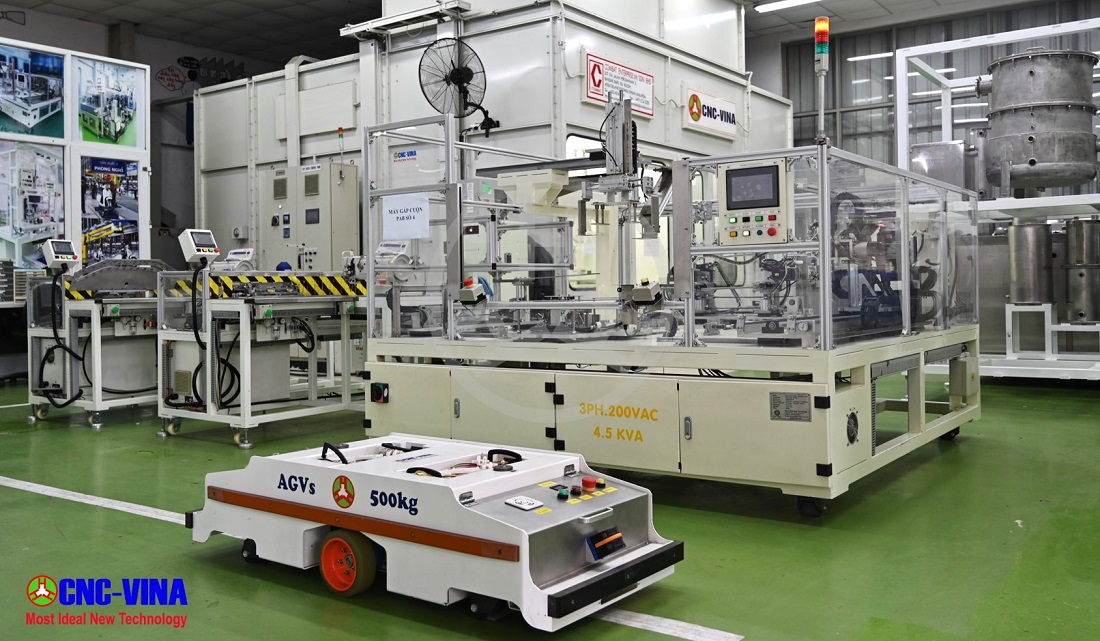
A VLM can be deployed as a standalone system or integrated with other automation equipment depending on the scale and operational requirements of the factory. Depending on the application, the system can be combined with a collaborative robot, palletizing robot, automated guided vehicle (AGV), industrial conveyors and warehouse management software. The integration of these systems should be designed based on the actual material flow, inbound/outbound locations, throughput requirements, communication methods between systems and factory layout. When properly integrated, a VLM can serve as one component of an automated storage and material replenishment system within the factory.
CNC-VINA vertical lift module solution
A Vertical Lift Module (VLM) is one of the solutions that can be considered for storage applications involving a large number of SKUs, limited floor space and the need for centralized storage location management. Depending on product characteristics, building height, load requirements, number of storage trays and inbound/outbound frequency, the system configuration can be designed to meet the actual operating requirements. CNC-VINA provides and deploys warehouse and factory automation solutions, ranging from VLM systems and automated pallet storage systems (AS/RS) to material handling equipment such as AGVs, conveyors, robots and warehouse management software. Each solution can be evaluated according to the specific application to establish effective connections between storage, production and material transportation processes within the factory. Customers looking for a Vertical Lift Module (VLM) automated storage system or automation solutions for smart factories can contact CNC-VINA to discuss their storage requirements, facility layout and suitable system configuration.
CNC VIETNAM TECHNOLOGY APPLICATION JOINT STOCK COMPANY
Factory: Song Cung Industrial Cluster, Dong Thap Commune, Dan Phuong District, Hanoi, Vietnam
Office: Rox Tower (Rox Center Goldmark City), 136 Ho Tung Mau Street, Bac Tu Liem District, Hanoi, Vietnam
Tel: +84.916 63 9355 / +84.915 74 4664
Website: https://cncvina.com.vn/ ; https://www.cncviname.com.vn/
Email: Sales01@cncvina.com.vn | Sales03@cncvina.com.vn

 Tiếng
Việt
Tiếng
Việt
 Tiếng
Anh
Tiếng
Anh
 Tiếng
Nhật
Tiếng
Nhật



 Tiếng Anh