 Tiếng
Việt
Tiếng
Việt
 Tiếng
Anh
Tiếng
Anh
 Tiếng
Nhật
Tiếng
Nhật




 Tiếng Anh

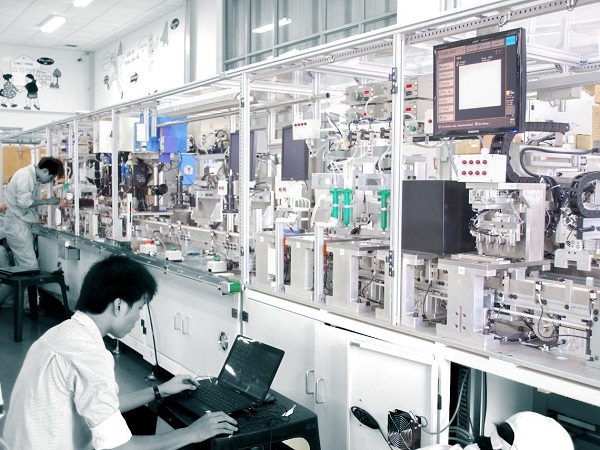
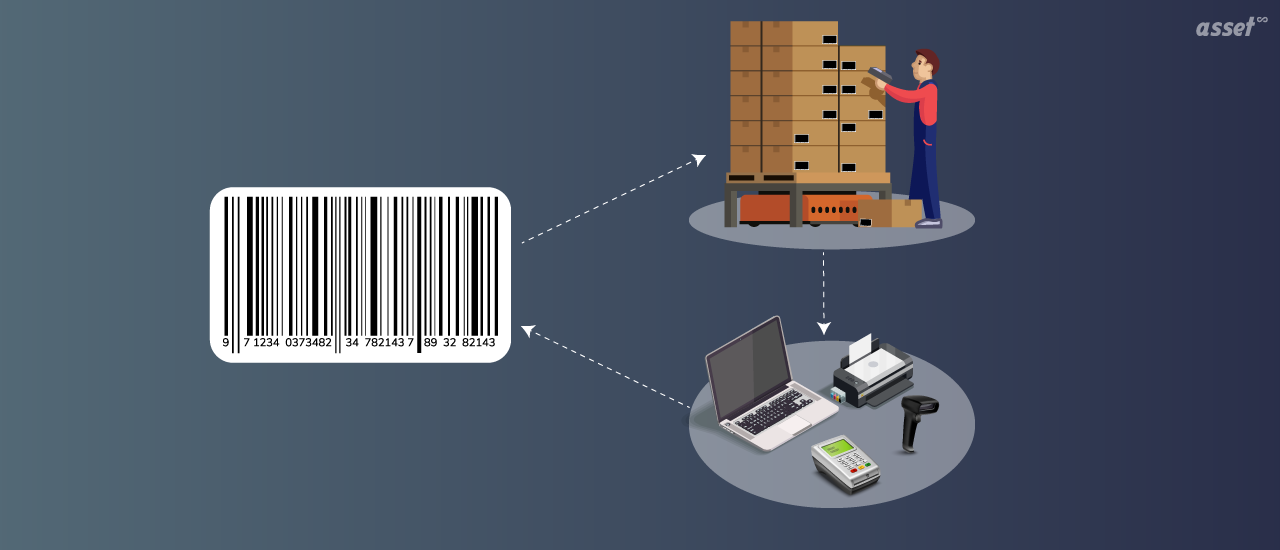
The barcode management system is an automated solution for identifying and collecting product data through barcodes, barcode reading devices, and management software. The system can record, verify, and update information at each stage, supporting product control, data traceability, and integration with automation equipment on the production line. Depending on the requirements, the system can integrate barcode scanners, label printers, cameras, PLCs, industrial computers, conveyors, and robots to establish a unified management process.
Barcode management system: Ensuring product quality
VIETNAM CNC & TECHNOLOGY APPLICATION JOINT STOCK COMPANY
Hotline: +84.916 63 9355 / +84.915 74 4664
Email: Sales01@cncvina.com.vn / Sales03@cncvina.com.vn
Product description

Overview of the barcode management system
The barcode management system is a solution that combines identification codes, barcode reading devices, and management software to collect, verify, and update product information throughout production, storage, and shipping processes. When a code is scanned at each stage, the system can identify the corresponding product, lot, or managed unit and link it to the relevant stored data. Depending on operational requirements, the system can be used to track product status, monitor production processes, retrieve product information, manage inbound and outbound operations, and support quality inspection.
In manufacturing environments, the barcode management system can be integrated with label printers, barcode scanners, cameras, industrial computers, PLCs, HMIs, conveyors, and robots to establish an automated identification and data-processing workflow. Data collected from barcodes can be compared with product information stored in the database before the product proceeds to the next stage. This configuration helps reduce manual data entry and facilitates process control and product history traceability throughout the production line.
What is a barcode management system?
A barcode management system is a combination of hardware and software used to identify products through barcodes and process the associated data. A basic system may include barcodes printed on or attached to products, barcode reading devices, a controller or computer for data processing, and management software. Depending on the requirements of the production line, the system can be expanded with label printers, barcode-reading cameras, conveyors, sorting mechanisms, robots, and other automation equipment. A barcode contains identification data encoded according to a specific structure. When scanned by a reading device, the encoded data can be decoded and transmitted to the system for comparison with the corresponding information. Depending on the company's data management structure, a barcode can be used to identify a product, SKU, lot number, serial number, or other relevant information.
Through the integration of barcode reading devices, management software, and automation equipment, barcode management systems can be deployed across various stages, including production, inspection, packaging, warehousing, shipping, and product traceability. The system configuration should be selected based on factors such as barcode type, reading distance, line speed, operating environment, and the data management requirements of each application.
Barcode identification and reading equipment
Barcode scanner
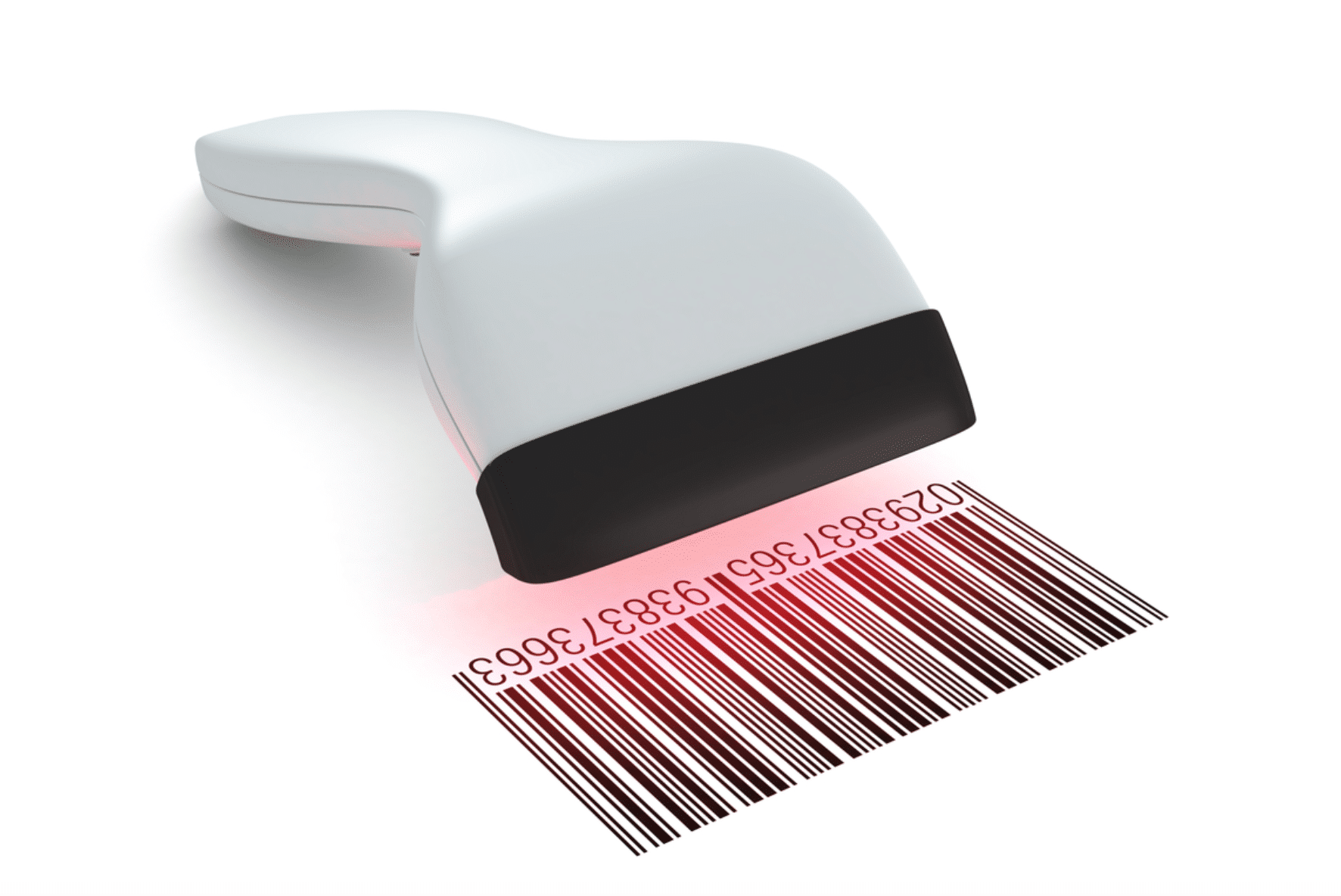
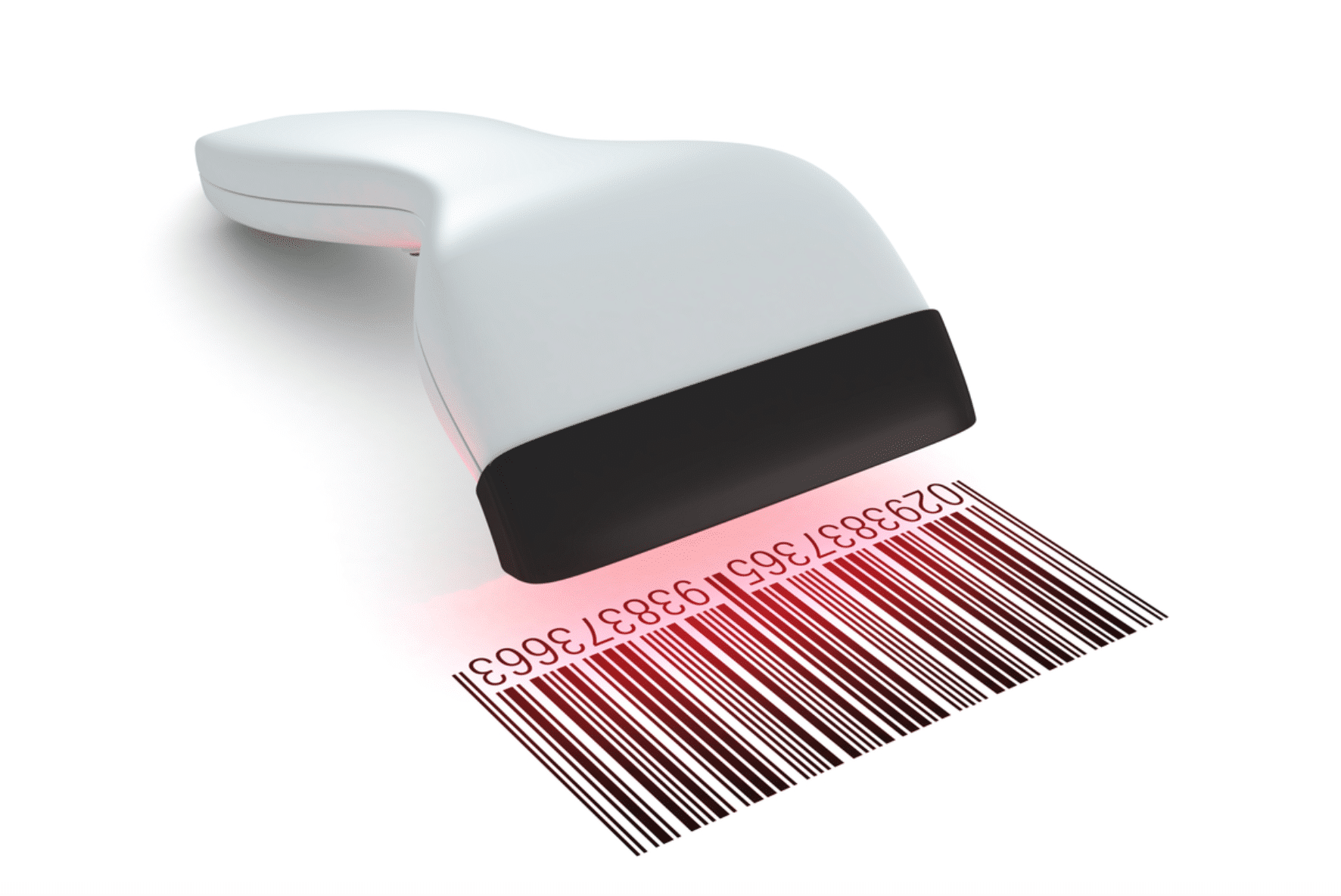
A barcode scanner (barcode scanner/barcode reader) is a device used to identify and read data encoded in a barcode. Depending on its configuration, the device uses a light source and sensor or an image processing system to capture information from the code, decode the data, and transmit the results to a computer, PLC, or management system.
In a barcode management system, barcode scanners can be installed at various locations, including production processes, inspection stations, packaging lines, warehouse entrances and exits, and inbound or outbound points. When a product passes through the scanning area, the device captures its identification data and sends the information to the system for comparison with the database or for triggering subsequent processing commands.
Depending on the required reading distance, production line speed, barcode type, and operating environment, businesses can select handheld scanners, fixed-mount scanners, or barcode reading devices integrated with camera systems. Equipment selection should take into account factors such as barcode size, print quality, barcode placement, product movement speed, and connectivity requirements with the control system.
Data processing and control equipment
After a barcode is identified and decoded by the scanner, the data can be transmitted to a computer, industrial computer, PLC, or management system for processing according to the configured program. Depending on the system configuration, the data can be used to compare the barcode with product information, display relevant details, update product status, record production history, or support product traceability.
In automated production lines, data collected from barcode reading devices can also be used to control subsequent processes. For example, the system can verify that a product has been successfully identified before allowing it to proceed to the next stage, activate a sorting mechanism, or send signals to robots and other connected equipment. The data communication and processing method depends on the management requirements, control equipment, and system architecture of each application.

Barcode label printer
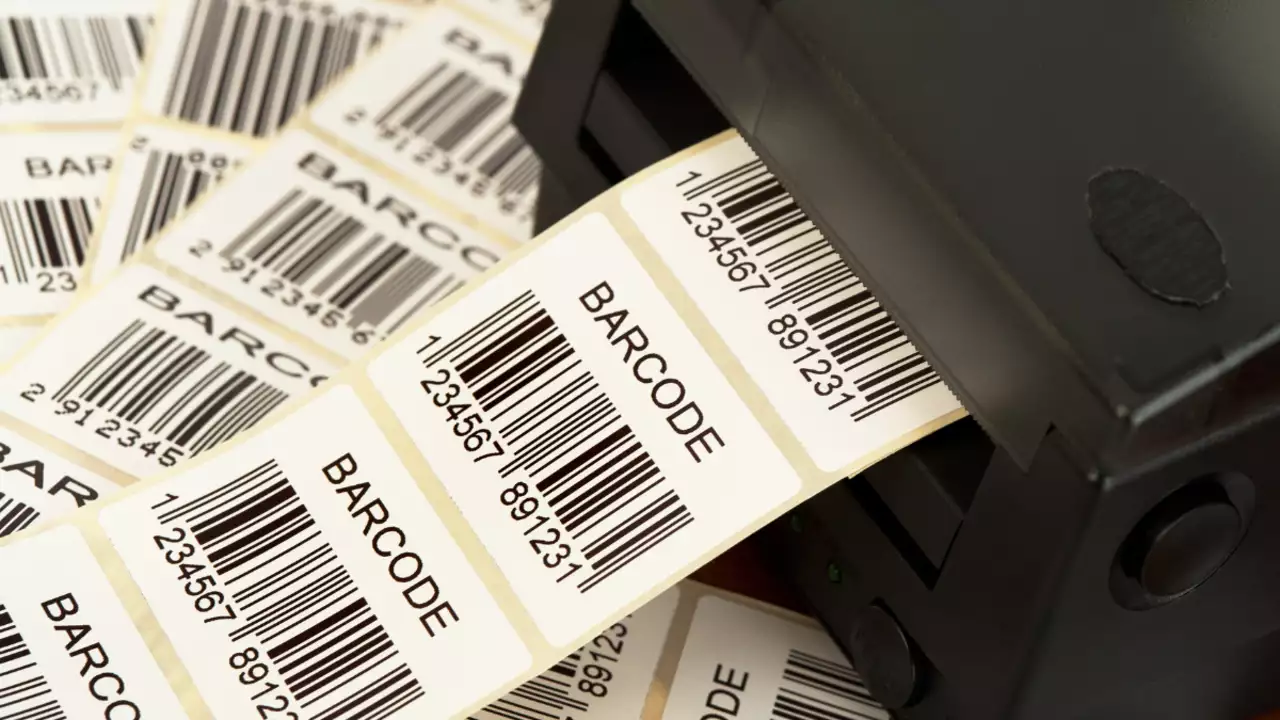
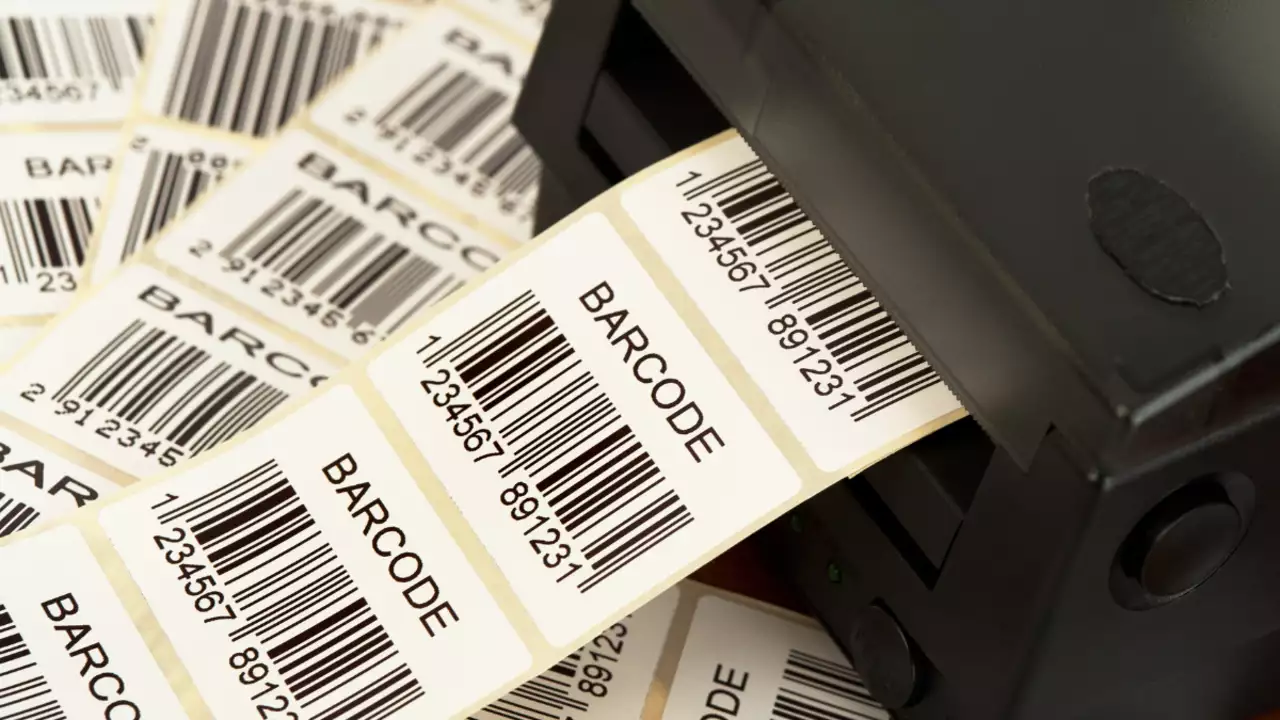
A barcode label printer is used to print barcodes and identification information on labels before they are applied to products, packaging, or packaged units. Label content may include product codes, lot numbers, serial numbers, production dates, or other data depending on the management requirements. Print quality directly affects the readability of barcodes during operation. Therefore, when selecting a printer and printing materials, factors such as barcode type, label size, print resolution, printing speed, operating environment, and barcode readability requirements should be taken into consideration. In automated production lines, the label printer can be connected to management software, PLCs, or other automation equipment to generate and print codes based on the data of each product. When the labeling process also needs to be automated, the printer can be integrated with a labeling mechanism, conveyor, sensors, or robots to form an automated printing and labeling system.
Software in a barcode management system
Data retrieval and management software
As the volume of products and data generated during production increases, manually recording and cross-checking information can be time-consuming and difficult to manage. Data management software can receive information from barcode reading devices, store data, and link identification codes with the corresponding information of products, lots, or serial numbers. Depending on the system configuration, the software can support product history searches, status updates at each production stage, inbound and outbound data management, and information retrieval when required. When connected to systems such as ERP, MES, or WMS, barcode data can be used to synchronize information across production processes, warehouse operations, and product management.
Quality management software
Quality management software can be integrated with a barcode system to link inspection results to individual products, lots, or serial numbers. When a barcode is scanned at an inspection station, the system can identify the item to be inspected, record the inspection results, and update its status according to the configured workflow. This approach supports the retrieval of inspection history and enables the status of a product to be tracked at each stage. Depending on the requirements, the collected data can be used to classify products as passed, failed, or requiring reinspection before proceeding to the next stage.
Reporting and analysis tools
Data collected by the barcode management system can be consolidated into reports for production management and quality control. Reports may include the number of processed products, product status, inspection results, traceability history, or data by lot and time period. Analysis tools can help businesses monitor operational data and identify issues that require further investigation. The selection of reporting and analysis functions depends on the type of data collected and the management systems used by the business.
Benefits of a barcode management system
Improved product identification and traceability
Barcodes can be used to identify products, lots, serial numbers, packaging units, or other managed items depending on the company's requirements. When scanned at each stage, the barcode can be linked to the corresponding data in the system, facilitating product history tracking and information retrieval. In manufacturing, identification data can be used throughout various stages, from raw material receiving and production to inspection, packaging, warehousing, and shipping.
Reduced manual data entry
Barcode scanning reduces the need to manually enter product identification information. Once read, the data can be transmitted directly to software or a control system for comparison and processing according to the configured program. Reducing manual data entry can help minimize errors caused by incorrect codes or information while also shortening processing time at points where product identification is required.
Improved data control across production stages
When barcodes are used throughout the production line, product information can be updated at each stage. The system can record which processes have been completed, inspection results, and the current status of the product within the workflow. This allows businesses to retrieve information more easily when reviewing production history or tracing the origin of a product.
Integration with automation systems
Barcode management systems can be connected to PLCs, industrial computers, conveyors, robots, sorting equipment, and other management systems. Data obtained from barcode scanning can be used as a condition for subsequent operations, such as sorting products, directing products to designated locations, or verifying process conditions before moving to the next stage.
Challenges in implementing a barcode management system
Initial investment in equipment and software
Implementing a barcode system requires investment in equipment such as barcode readers, label printers, computers or controllers, and management software, depending on the system configuration. For automated production lines, the system may also require cameras, conveyors, robots, or communication interfaces for integration with existing machinery.
The investment level depends on factors such as system scale, number of scanning points, equipment type, software requirements, and the level of integration with the production line. Therefore, the system configuration should be selected based on actual operational requirements rather than simply the number of devices involved.
Data and identification code standardization
To ensure stable system operation, businesses need to define rules for code generation, data structures, and the method of linking codes to products or other managed items. If barcode information is not properly synchronized with the database, discrepancies may occur during data retrieval and verification. In addition, print quality, barcode placement, and reading conditions should be controlled to ensure that the barcode can be consistently identified during operation.
Training and operational requirements
Training requirements depend on the user's role and the complexity of the system. For basic operations such as scanning barcodes and confirming data, businesses can standardize procedures through user interfaces and operating instructions. Personnel responsible for system administration, equipment configuration, or troubleshooting require appropriate knowledge of the software, barcode reading devices, and control systems. In addition to personnel training, businesses should establish maintenance procedures, regularly inspect barcode reading equipment, and define procedures for handling unreadable or damaged barcodes to maintain stable system operation.

Maintenance and inspection of barcode reading equipment
Regular inspection and maintenance help barcode reading equipment maintain stable identification performance during operation. Businesses should clean sensor areas and optical surfaces, check connections and power supply, verify barcode reading performance, and inspect the overall operating condition of the equipment in accordance with the manufacturer's instructions.
For barcode printers and related equipment, print quality, printing materials, printheads, and other components that may affect barcode readability should also be inspected. When the system is operated in manufacturing environments exposed to dust, temperature, humidity, or other specific conditions, the maintenance schedule should be established based on the actual operating environment.
For systems that require barcode quality inspection or measurement according to specific standards, appropriate inspection equipment and methods should be used. Equipment calibration or verification should also be carried out in accordance with the applicable technical requirements.
Compliance with standards and system requirements
When developing a barcode management system, businesses need to determine the appropriate barcode type, data structure, and traceability requirements based on the products, industry, and target market. Depending on the application, the system may need to comply with requirements related to barcode encoding, code quality, readability, or industry-specific data traceability.
In addition to the barcode itself, businesses should consider how data will be stored, exchanged, and integrated with existing management systems. Clearly defining these requirements during the design stage can help minimize the need to modify equipment or software after the system has been put into operation.
A barcode management system is an identification and data collection solution that can be deployed across various stages of production, warehousing, logistics, and product control. By combining barcodes with barcode reading devices, management software, and automation equipment, businesses can track product information throughout different processes, support data traceability, and reduce manual data entry. System performance depends on various factors, including the barcode type, print quality, reading equipment, management software, communication method, and specific requirements of each production line. Therefore, system configuration should be selected based on the products being handled, operating speed, working environment, data requirements, and the level of integration with existing equipment. With experience in the design and integration of automation systems, CNC VINA can provide barcode identification and management solutions tailored to different production processes. Depending on actual requirements, the system can be integrated with barcode readers, label printers, cameras, PLCs, conveyors, robots, and other automation equipment. Businesses can contact CNC VINA to discuss product requirements, operating processes, and suitable integration solutions for their barcode management system.
VIETNAM CNC & TECHNOLOGY APPLICATION JOINT STOCK COMPANY
Factory: Song Cung Industrial Cluster, Dong Thap Commune, Dan Phuong District, Hanoi, Vietnam
Office: Rox Tower Building (Rox Center Goldmark City), 136 Ho Tung Mau Street, Bac Tu Liem District, Hanoi, Vietnam
Phone: +84 916 63 9355 / +84 915 74 4664
Website: www.cncvina.com.vn | www.cncviname.com.vn