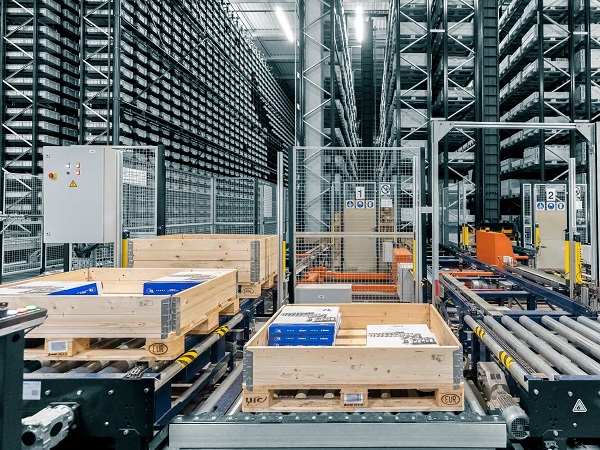
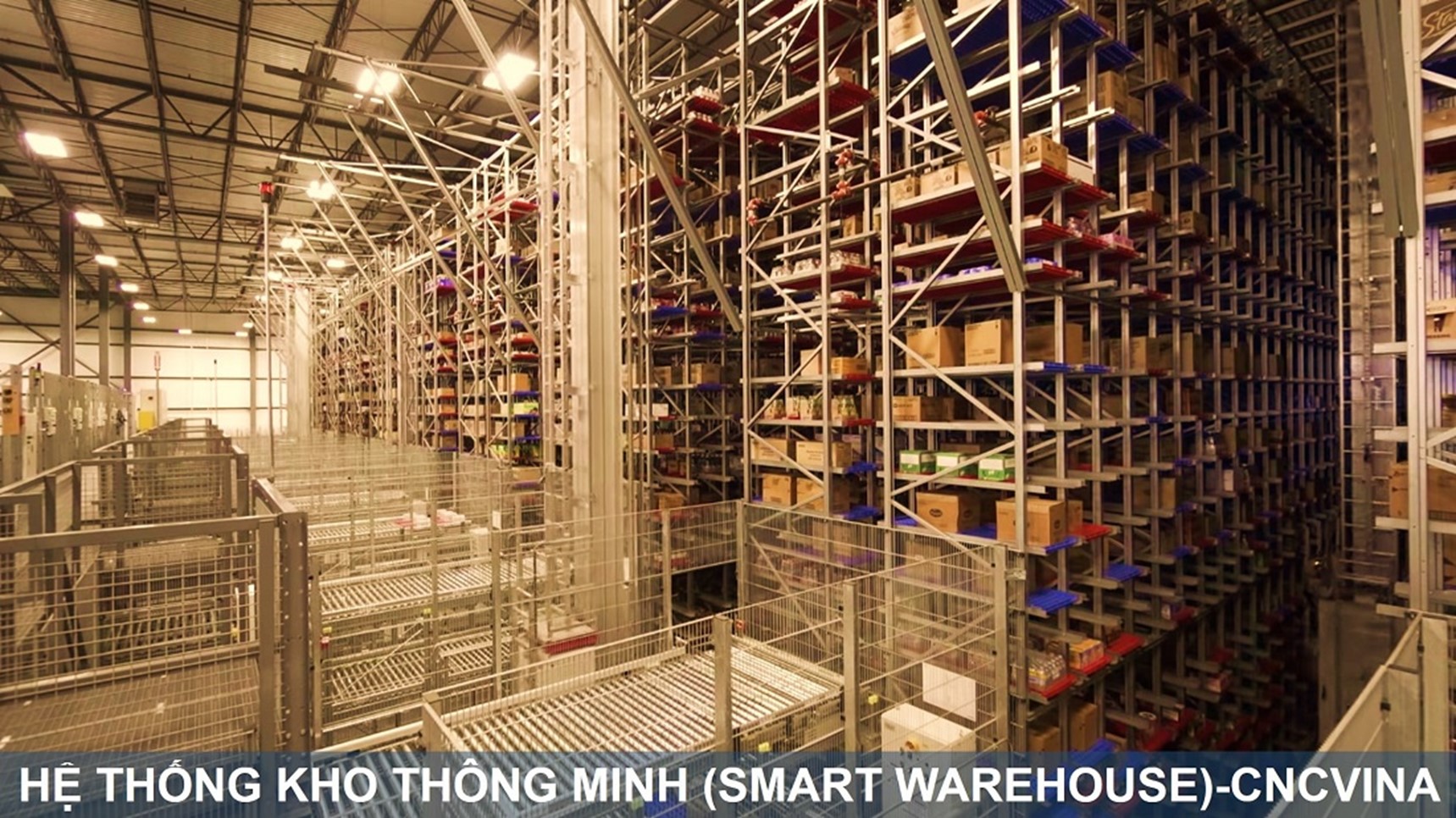
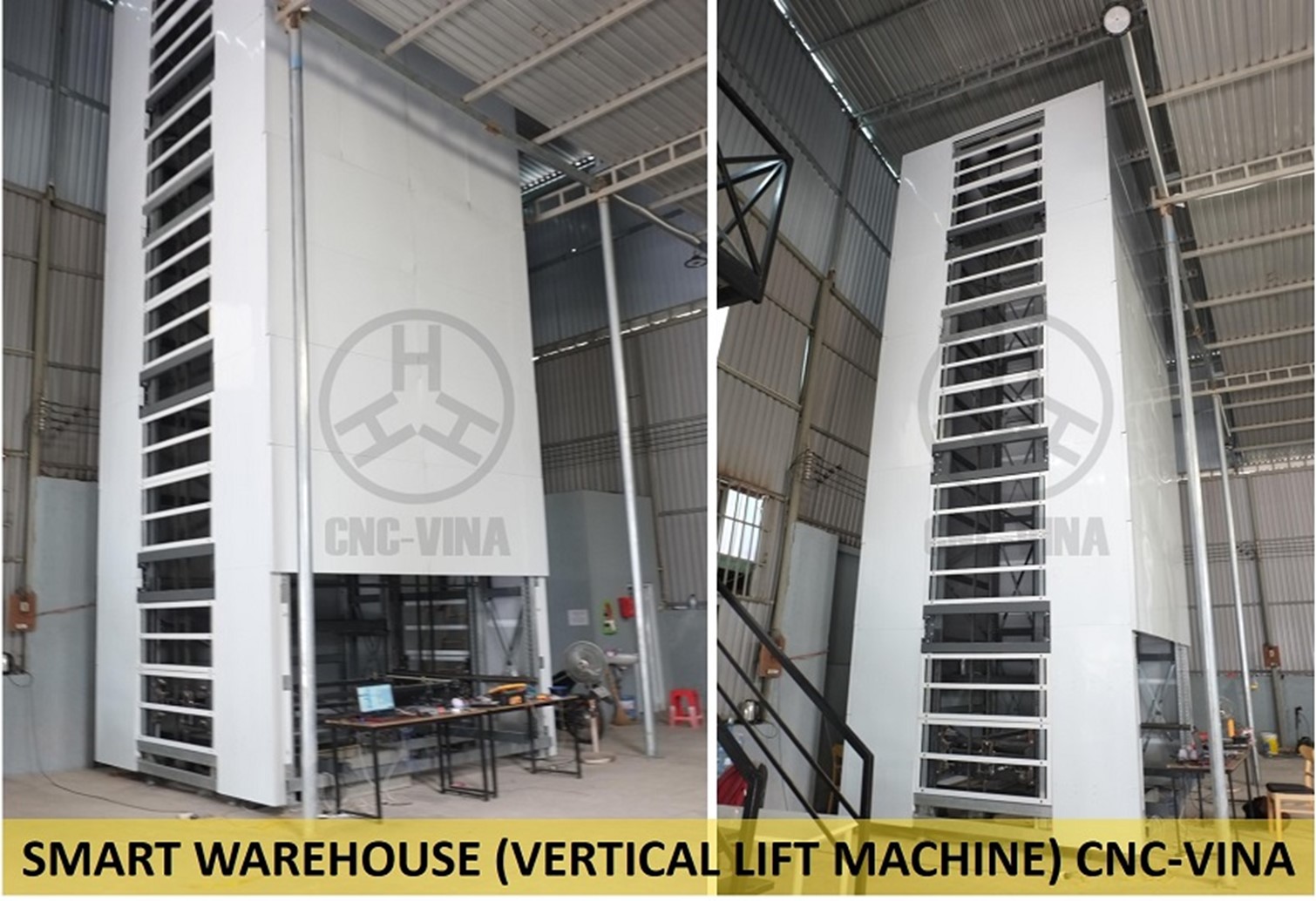
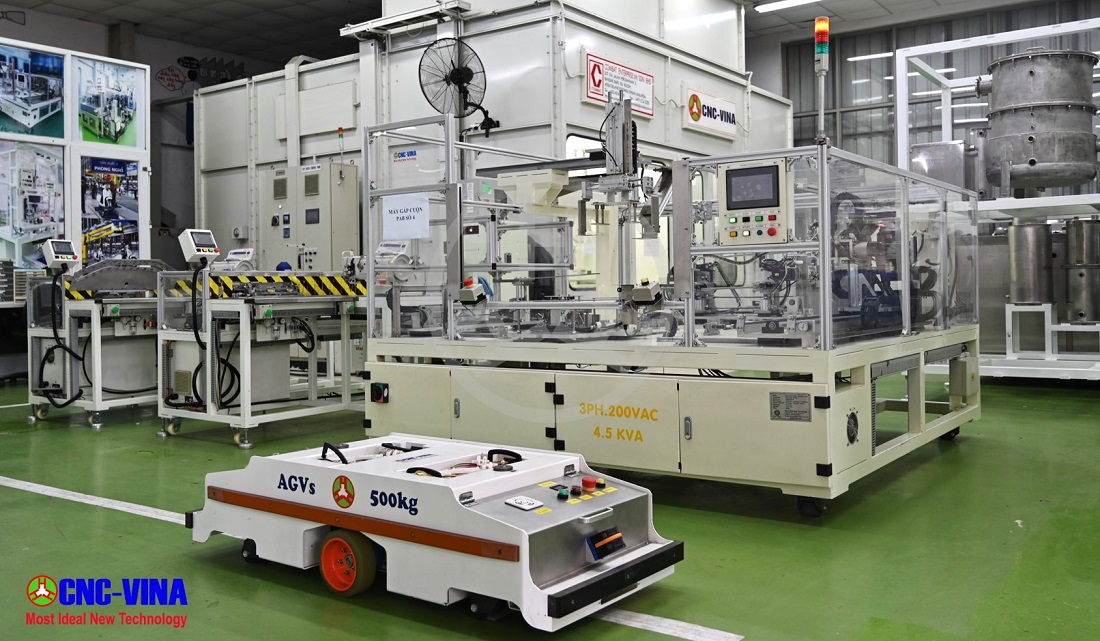
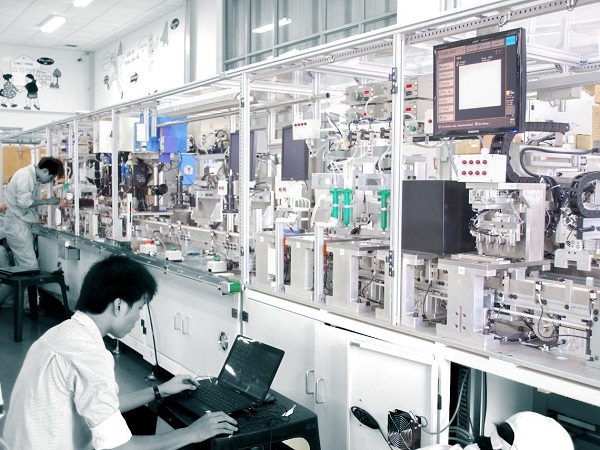
Smart Warehouse is a storage and warehouse management system that integrates storage racks, material handling equipment, identification technologies, and control software. Depending on operational requirements, the system can integrate Automated Storage and Retrieval Systems (AS/RS), Vertical Lift Modules (VLM), conveyors, cranes, Automated Guided Vehicles (AGVs), and various data collection devices. Goods are managed based on their location and status within the system, helping businesses improve the efficiency of inbound, storage, and outbound operations. For manufacturing plants with high production volumes, a large number of SKUs, or stringent inventory control requirements, a smart warehouse can become an important part of their internal logistics automation.
What is a smart warehouse?
A Smart Warehouse is a warehouse model that uses automation equipment and software systems to perform or support receiving, storage, retrieval, transportation, and inventory data management activities.
Unlike traditional warehouses, where many operations rely on personnel and manual processes, a smart warehouse can automate part or most of the material handling process. The system determines storage locations based on predefined data and then coordinates the relevant equipment to execute inbound or outbound instructions according to established workflows.
A complete smart warehouse system typically consists of three main groups of components:
- Storage system: storage racks, pallets, modular storage systems, or other specialized storage structures.
- Material handling equipment: conveyors, cranes, lifts, robots, AGVs/AMRs, and other automated handling equipment.
- Control and management system: warehouse management software, equipment control systems, and identification and data acquisition technologies.
The level of automation can be configured according to the type of goods, warehouse area, number of storage locations, and required inbound and outbound throughput.
Common terminology
- Automated Storage and Retrieval System (AS/RS) – Automatic pallet storage system (Unit Load AS/RS)
- Vertical Lift Module (VLM) – Automated vertical storage system
- Rack-Supported Building AS/RS – AS/RS integrated with a rack-supported structure
- Mini-Load AS/RS – Automated storage and retrieval system for cases or small loads
Depending on the company's requirements and operating conditions, smart warehouses can be designed and installed in various configurations.
The development of smart and automated warehouses brings significant benefits to manufacturing and assembly plants. Warehouse operations, including inbound and outbound handling and pallet location management, play an important role in overall production logistics. Ensuring that components and finished products can be stored, retrieved, and dispatched in a systematic and timely manner is therefore a key requirement for efficient warehouse operations.
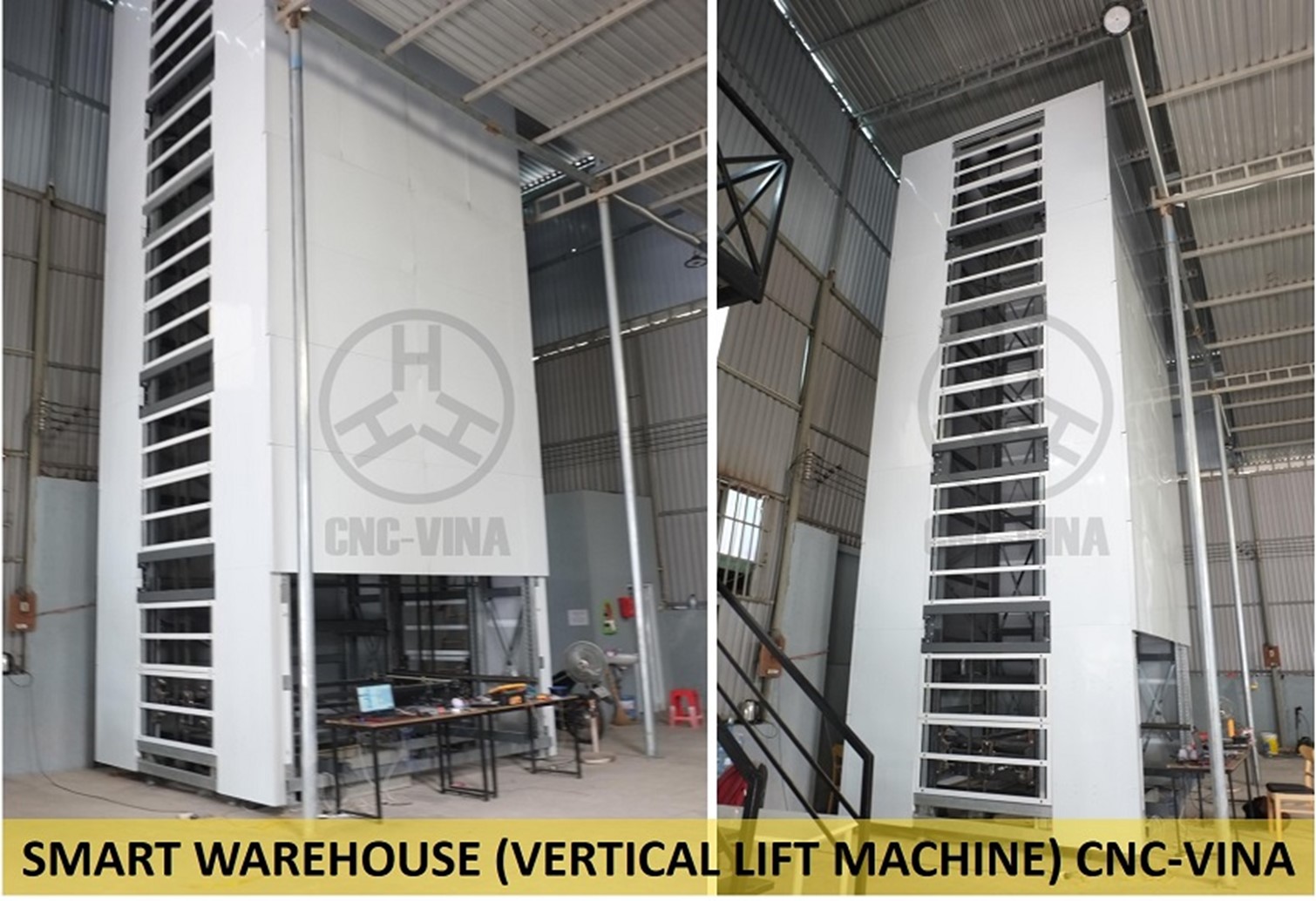
Made-in-Vietnam vertical lift module with European technology
View the Made-in-Vietnam vertical lift module
Smart warehouse system structure
An automated warehouse system consists of more than storage racks and robots. To ensure that goods can be stored and retrieved according to operational requirements, the mechanical, electrical and control components, as well as software, need to be designed and integrated as a complete system.
Storage racking system and storage locations
Storage racks form the physical storage space of a warehouse. For automated pallet warehouses, racking systems can be designed with high storage density while making effective use of the available vertical space. Each storage location can be assigned a unique identifier in the warehouse management system, allowing the software to determine the location of each load unit. Information may include product codes, quantities, inbound time, and storage location.
Depending on the type of goods and required load capacity, businesses can select an appropriate racking configuration and storage method.
Material handling and retrieval equipment
Material handling equipment is responsible for moving goods between inbound and outbound areas and storage locations, or between the warehouse and production lines.
Common equipment includes:
- Industrial conveyors.
- Cranes and lifting equipment.
- Automated storage and retrieval robots.
- Automated Guided Vehicles (AGVs) / Autonomous Mobile Robots (AMRs).
- Goods lifts and vertical transfer mechanisms.
Equipment selection depends on the dimensions and weight of the goods, transportation distance, and required inbound and outbound throughput.
Identification and data acquisition systems
Barcode and RFID technologies can be used to identify products, pallets, or storage units. Identification data is transferred to the management system to verify product information and update its status. For systems requiring environmental monitoring, sensors can be used to collect parameters such as temperature and humidity.
Warehouse management and control software
Software serves as the link between storage operations and automated equipment. The system can manage information related to goods, storage locations, inbound and outbound status, and coordinate tasks according to predefined workflows. Depending on the system architecture, the solution may use WMS (Warehouse Management System) to manage warehouse operations and WCS (Warehouse Control System) to coordinate automated equipment.
Smart warehouse operating principle
The operating process of a smart warehouse varies depending on the system configuration. In general, however, it includes a series of steps from goods receiving and identification to storage and retrieval when required.
Step 1: Goods receiving and identification
Goods or pallets are delivered to the inbound area. The system uses barcode, RFID, or another suitable identification method to record the relevant information.
Step 2: Determining the storage location
Based on product data and predefined conditions, the software determines an appropriate storage location. The assigned location is recorded in the system for subsequent retrieval.
Step 3: Automated storage
Once the storage command is received, handling equipment such as conveyors, cranes, robots, or AGVs transports the goods to the designated storage location.
Step 4: Data update
After the goods are stored, their status and location are updated in the warehouse management system. Authorized personnel can monitor inventory information and storage locations through the management interface.
Step 5: Receiving an outbound request
When goods need to be dispatched or supplied to a production line, the system receives the outbound request and identifies the storage location of the required goods.
Step 6: Retrieval and transportation
Automated equipment retrieves the goods from their storage location and transports them to the outbound area or the next process according to the predefined workflow.
Integrated technologies in smart warehouses
IoT is one of the technologies that can be integrated into a smart warehouse to connect sensors, equipment, and management software. Through data acquisition devices, the system can collect environmental and operational parameters such as temperature, humidity, CO₂ concentration, voltage, or current, depending on the requirements of each warehouse configuration. The collected data can be transmitted to the management system for real-time monitoring and updating, enabling operators to track warehouse conditions and operational parameters.
In addition to data acquisition, the system can analyze the collected information and compare it against predefined thresholds. When a parameter exceeds the specified threshold or an abnormal condition is detected, the system can trigger an alert so that operators can promptly inspect and respond to the issue. Depending on the configuration, alerts can be displayed through the management software or combined with indicator lights, audible alarms, email, text messages, and other notification methods. To meet data connectivity and transmission requirements, the system can use communication methods suitable for the infrastructure and deployment model, including wireless connections or dedicated IoT platforms. Data can be stored centrally on an on-premise server or cloud platform, depending on the system architecture, supporting access, management, and analysis throughout warehouse operations. The integration of sensors, data connectivity, and management software enables a centralized monitoring system in which information from different areas and equipment is continuously updated. Depending on actual requirements, a smart warehouse can also integrate cameras and other monitoring devices to support storage area surveillance, operational monitoring, and the handling of unexpected situations.
Key features of smart warehouses
Optimizing storage space and increasing operational efficiency
Smart automated warehouse systems can make effective use of vertical storage space while maintaining appropriate storage and handling conditions. By utilizing multi-level racking and automated storage equipment, the system can accommodate a higher number of pallets within the same floor area compared with conventional storage arrangements.
For example, specific warehouse projects may be designed with storage capacities of tens of thousands of pallets, depending on the warehouse scale, racking configuration, and operational requirements.
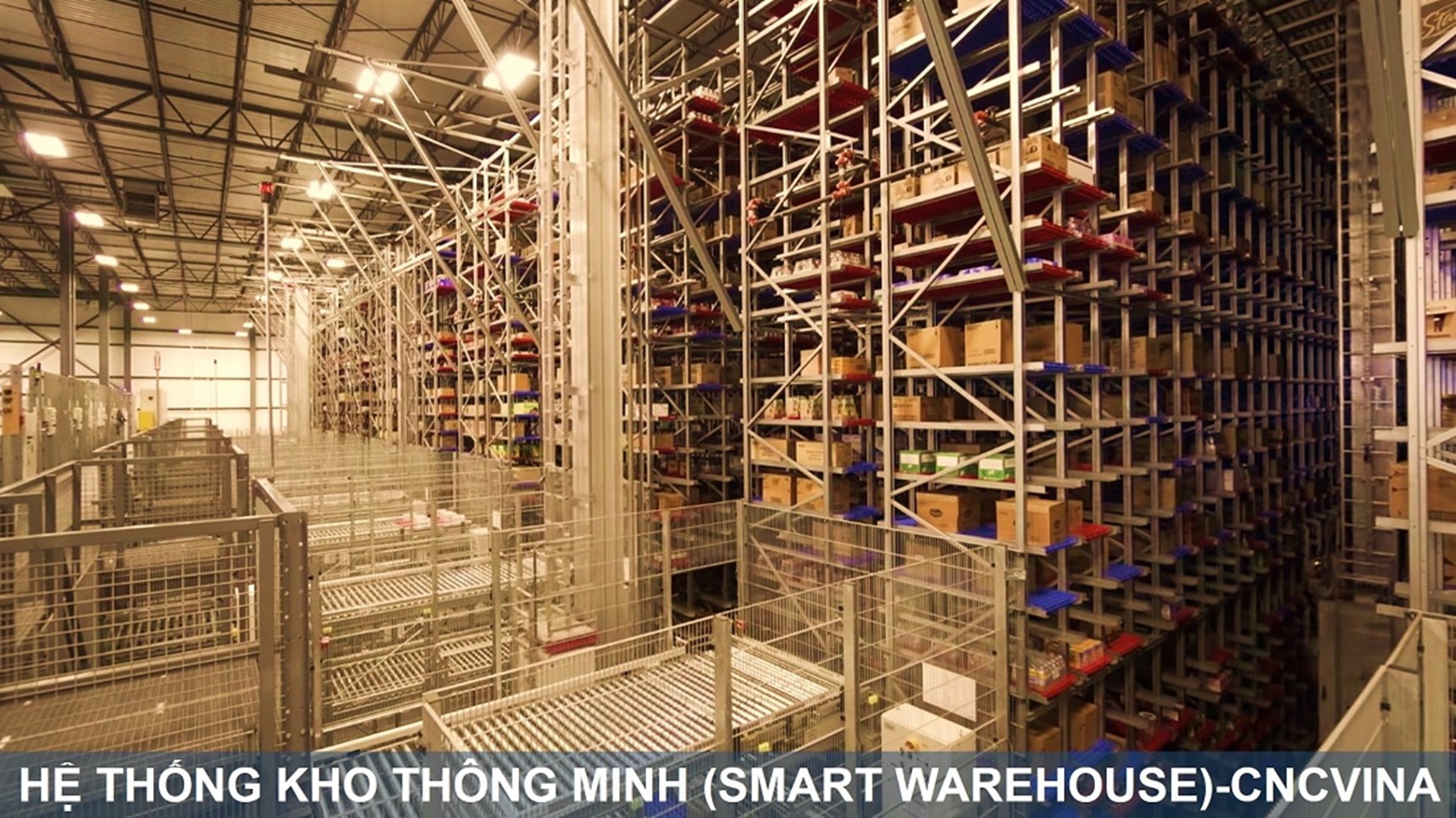
Optimizing storage space and storage density
Smart warehouse systems are designed to make effective use of both floor space and warehouse height, while allocating storage locations according to the dimensions, load capacity, and characteristics of different types of goods. Instead of relying entirely on manual arrangements, pallet and product locations can be managed based on system data, enabling businesses to better control storage density and make more effective use of the available space. The combination of automated racking systems with lifting and material handling equipment also helps organize storage areas more systematically. Depending on the design, the system can utilize the full height of the warehouse to create multiple storage levels, thereby increasing storage capacity within the same floor area.
Automating inbound, outbound and storage operations
In an automated warehouse system, each storage location is assigned a unique code or coordinate in the management software. Information about pallets and goods, such as product codes, quantities, batch numbers, production dates, and storage locations, is recorded in the system, allowing businesses to quickly identify and retrieve goods when required. When an inbound or outbound pallet request is generated, the warehouse management system determines the storage location and handling method based on the configured data. Equipment such as conveyors, robots, cranes, or AGVs can work together to transport goods between receiving, storage, and dispatch areas according to the control commands. Automating these operations helps reduce manual handling and establish a more consistent material flow throughout the warehouse.
The warehouse management software also centralizes information on inbound and outbound operations, inventory, storage locations, and equipment status, allowing managers to monitor warehouse activities through a unified platform.
Flexible and customizable software system
A smart automated warehouse can be configured with a wide range of operating scenarios to ensure that the right products are delivered to the right storage locations at the right time. These scenarios can include planning for peak and off-peak production periods for specific product groups, such as allocating additional storage capacity to products with high-volume orders that need to be processed within a short period. Configurable operating processes allow the warehouse system to adapt to changes in inventory levels, production schedules, and operational requirements while maintaining consistent control over storage and material handling activities.
Robust warehouse structure, installation and maintenance
Expanding an automated warehouse may involve adding storage rack modules, pallets, conveyors, robots, and other equipment as operational requirements change. With a modular design, the storage capacity and equipment configuration can be adjusted according to the actual needs of the warehouse.
Both the hardware and warehouse management software can be designed with a modular architecture, giving businesses greater flexibility from the initial design stage through future modifications and system expansion. This approach also supports more convenient installation, maintenance, and upgrades when the warehouse configuration or operating requirements change.
Smart automated inbound and outbound warehouse – Smart warehouse management solution
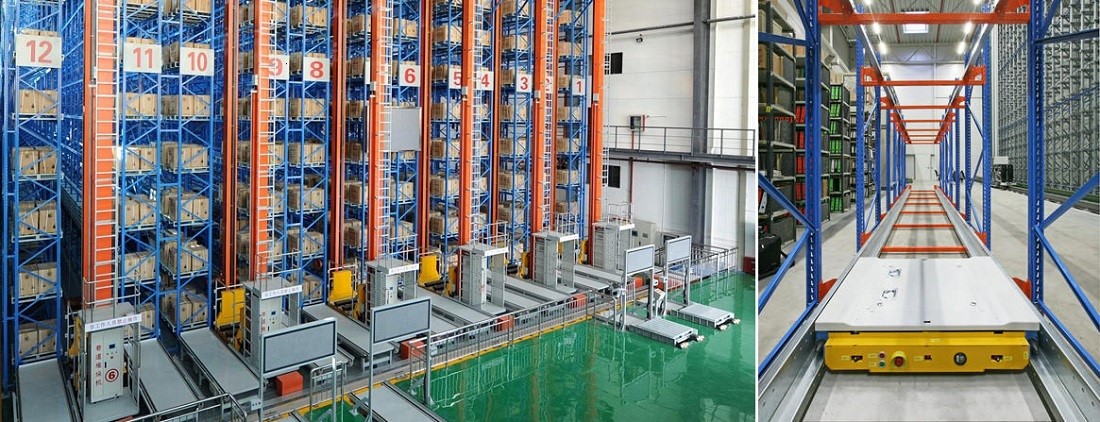
Real-time connectivity
With a smart warehouse management system, information such as product quantities, individual product locations, inventory status, expected warehouse conditions, and scenario forecasts based on production plans can be displayed and updated in real time. This enables warehouse operators to monitor operations more easily and respond quickly when changes or issues occur.
The level of automation and intelligence required for a warehouse can be determined based on the business's current operational requirements and future plans. The appropriate system configuration may vary depending on factors such as warehouse scale, product characteristics, storage capacity, throughput, and the required level of automation.
Reducing manual handling and supporting risk control
In an automated warehouse process, robots, AGVs, and conveyor systems can handle pallet transportation between different areas according to commands from the control system. After packaging, goods can be transferred to the storage area and assigned to suitable storage locations based on predefined criteria such as product type, dimensions, load capacity, available space, or outbound requirements.
Automating transportation and storage operations helps reduce reliance on manual labor for repetitive tasks while limiting certain risks that may arise during manual handling and placement of goods. Operators can focus more on system monitoring, alarm handling, and overall warehouse control.
Advantages of smart warehouses
Reducing manual handling during operations
Smart warehouses use equipment such as conveyors, robots, cranes, AGVs, and control systems to automate certain stages of goods transportation, storage, and retrieval. Reducing manual handling allows inbound, outbound, and material movement processes to be carried out according to predefined system commands while helping minimize certain errors that may occur when goods are arranged or data is recorded manually.
Improving productivity and operational efficiency
Automated equipment can work together with warehouse management software to transport and retrieve goods according to predefined processes. The system can perform repetitive tasks with a high degree of consistency, helping shorten certain stages of material flow and improve the warehouse's ability to handle increased inbound and outbound volumes. Actual performance depends on the system design, product characteristics, operational throughput, and level of automation implemented.
Reducing labor requirements for repetitive tasks
Automating processes such as transportation, lifting, sorting, and goods retrieval can reduce the need for direct labor in repetitive operations. Personnel can be reassigned to tasks such as system monitoring, inventory control, exception handling, and other activities that require human intervention. Actual labor cost savings depend on the warehouse scale, operating model, and automation configuration of each business.
Improving inventory control and traceability
Warehouse management software can record and update information such as product codes, quantities, locations, batch numbers, inbound and outbound status, and inventory levels. Centralized data management allows operators to quickly search for product locations, monitor inventory status, and control inbound and outbound activities. When combined with identification devices and automated systems, data management can reduce reliance on manual records and support faster product traceability.
IoT technology and data acquisition in smart warehouses
RFID technology
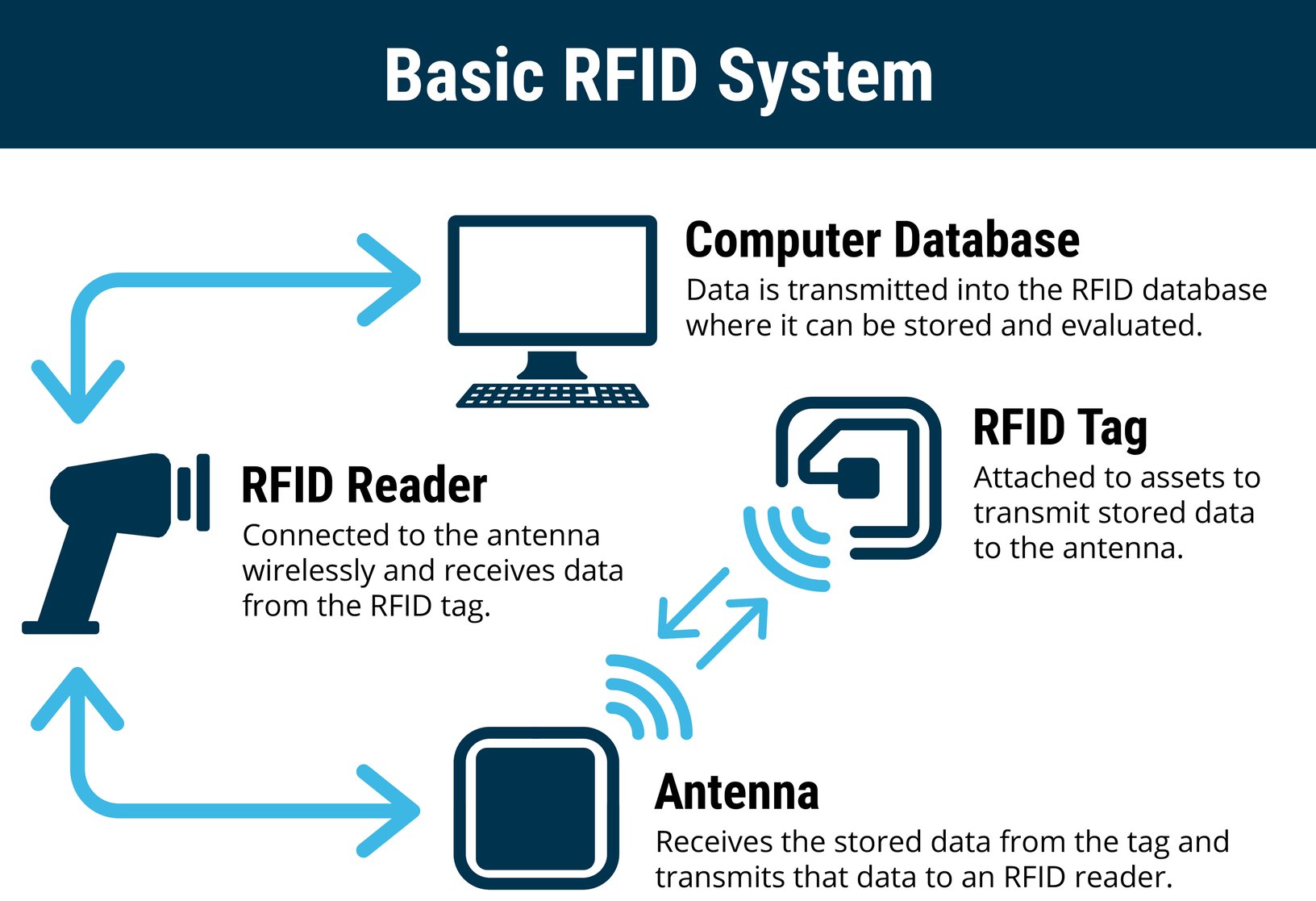
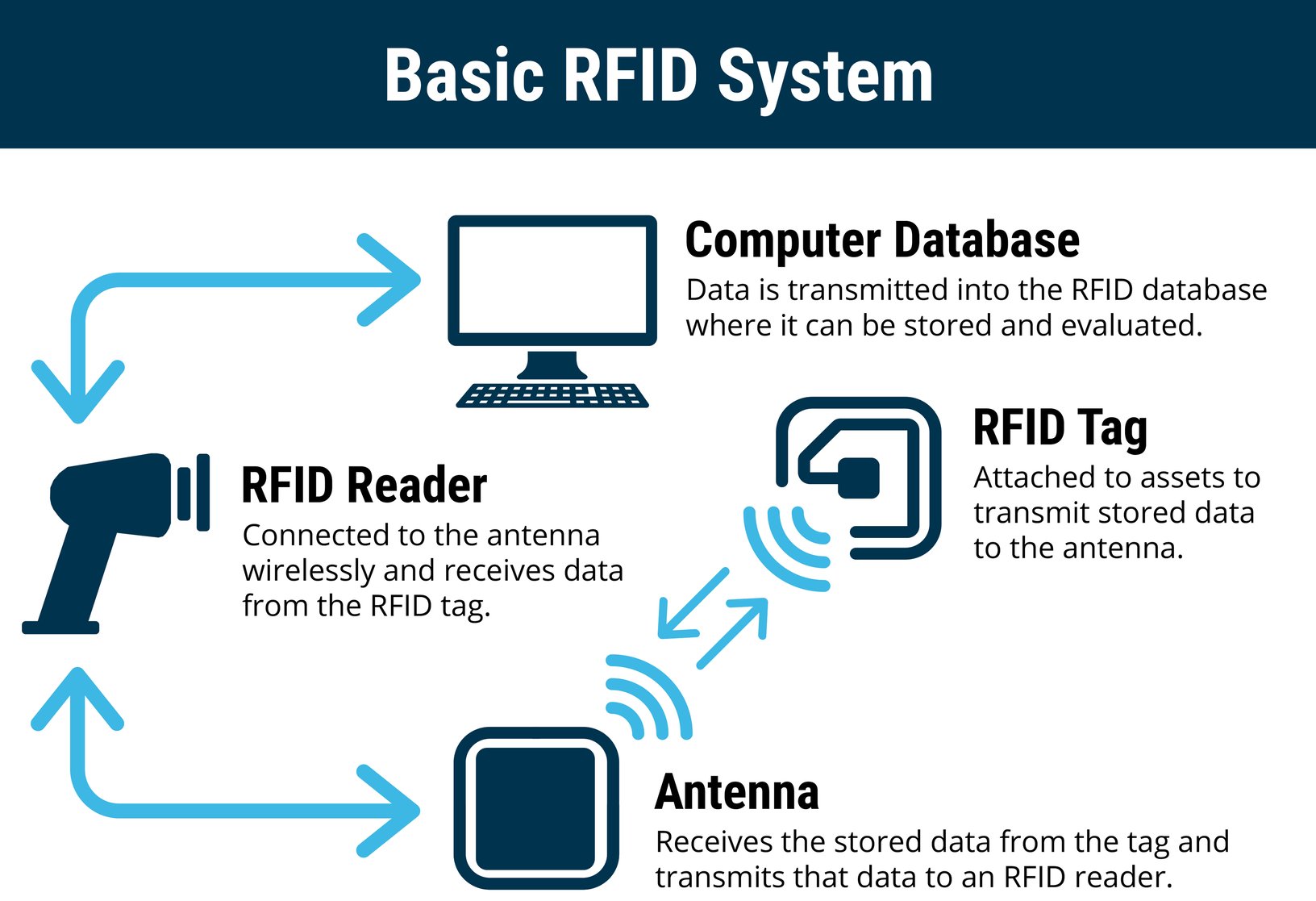
RFID (Radio Frequency Identification) is a radio-frequency identification technology that enables systems to identify objects through RFID tags and readers. A basic RFID system consists of RFID tags attached to the objects being identified, readers, and antennas for transmitting and receiving data.
In smart warehouses, RFID can be used to identify pallets, cartons, or other objects that need to be tracked without requiring each code to be scanned manually. Identification data is transmitted to the management system, supporting the recording of goods during inbound, outbound, transportation, and storage operations. When RFID is integrated with warehouse management software and automated equipment such as conveyors, robots, or automated storage systems, identification data can serve as a basis for verifying goods and initiating subsequent operations according to predefined processes.
GPS technology (Global Positioning System)
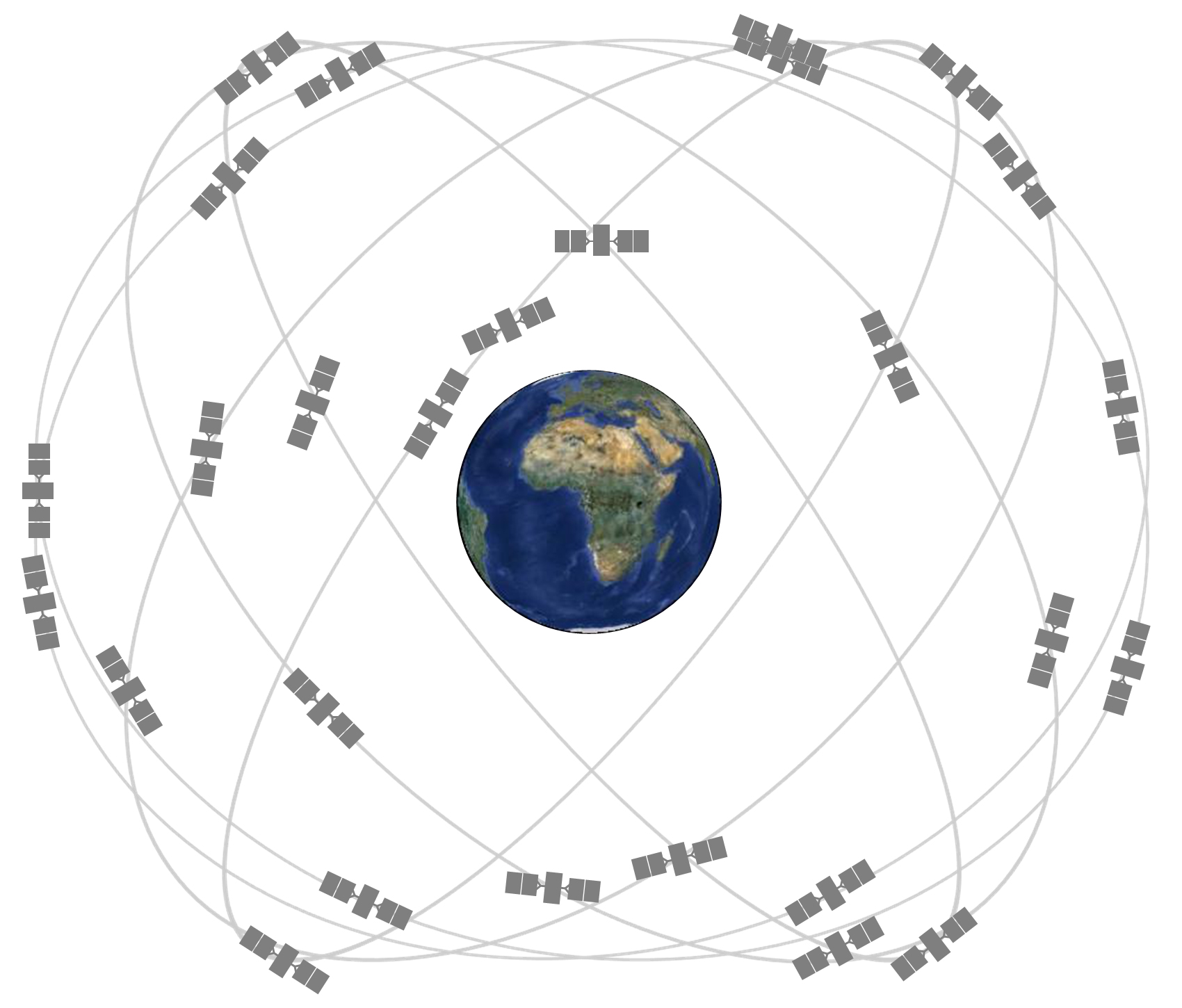
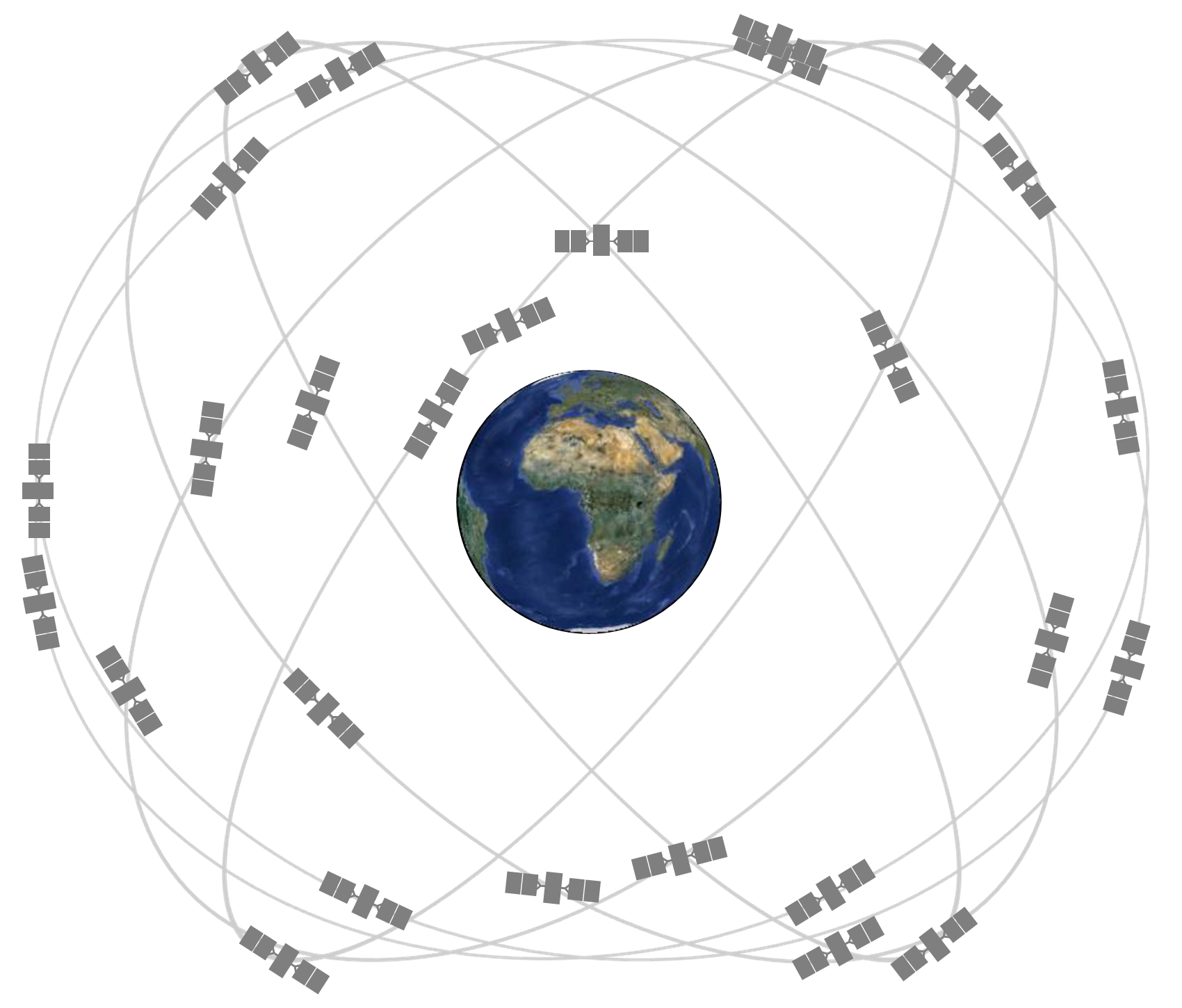
The Global Positioning System (GPS) is a network of satellites and receivers used to determine the location of something on Earth. Some GPS receivers are so accurate that they can determine their location to within one centimeter (0.4 inches). GPS receivers provide location in terms of latitude, longitude and altitude. They also provide accurate time.
Thanks to this positioning technology, Smart Warehouses will be able to determine the location of packages during transport and calculate the full time to complete the transport job if necessary.
Positioning and tracking technology
GPS (Global Positioning System) is a positioning system that uses signals from satellites to determine the location of a receiver. The technology is suitable for vehicles or equipment operating outdoors and can provide information about location, time, and travel routes.
In smart warehouse operations, GPS can be used for goods transportation vehicles operating outside the warehouse or for logistics activities connecting the warehouse with other areas. However, for accurately determining the location of pallets or goods inside a warehouse, systems typically need to combine identification and positioning technologies suitable for indoor environments rather than relying directly on GPS. The selection of positioning technology should be based on the operating range, required accuracy, warehouse structure, and type of equipment being tracked.

Real-time monitoring and inventory management
Goods tracking and traceability
Real-time monitoring systems can continuously update information on the quantity, location, and status of goods during inbound, outbound, and storage operations. When identification data is synchronized with the warehouse management software, operators can look up product locations and track material movement based on recorded data. Continuous data updates help reduce discrepancies between system information and the actual status of goods, while also supporting inventory checks and traceability when required.
Equipment condition monitoring and maintenance support
Data collected from sensors and control systems can be used to monitor the operating status of warehouse equipment such as conveyors, robots, lifting equipment, and other automated mechanisms. Collecting data on operating time, operating frequency, equipment status, and technical alarms helps businesses establish appropriate inspection and maintenance plans. For systems equipped with data analysis capabilities, operational data can also be used to support the detection of abnormal conditions before they develop into serious equipment failures.
Inventory optimization and planning support
Data on inventory levels, storage duration, inbound and outbound frequency, product types, and storage locations can be used to analyze warehouse operations. Based on this data, businesses can identify high-turnover product groups, evaluate space utilization, and adjust storage arrangements. When combined with production and order data, the system can support inbound and outbound planning, storage location allocation, and warehouse capacity preparation according to operational requirements.
Artificial intelligence (AI) in smart warehouses
AI and machine learning for data analysis
Smart warehouses can generate large volumes of data from goods, equipment, inbound and outbound activities, and operating conditions. AI and machine learning algorithms can be used to analyze this data, identify trends, and support forecasts or data-driven recommendations. However, AI is not a mandatory requirement for every smart warehouse system. The effectiveness of analytical models depends on data quality, algorithm design, and how well the solution addresses the specific operational requirements of the business.
Demand forecasting and operational optimization support
AI can be applied to analyze historical data on orders, inbound and outbound volumes, storage duration, and production demand. The analysis can help businesses forecast product demand, prepare storage capacity, and adjust operational plans. When connected with warehouse management systems and other relevant systems, analytical data can provide a basis for supporting decisions on storage location allocation, inbound and outbound planning, and resource utilization within the warehouse.
Predictive maintenance and anomaly detection
For automated systems capable of collecting operational data, AI and machine learning can be used to analyze parameters such as operating time, operating frequency, equipment status, and alarm history. Analyzing data over time can help identify abnormal trends and determine when equipment should be inspected.
This provides a basis for businesses to move from maintenance based entirely on fixed schedules toward condition-based maintenance when sufficient data and appropriate analytical capabilities are available.
Route optimization and order fulfillment
In warehouses where multiple material handling devices operate simultaneously, task allocation and route planning need to be coordinated to reduce waiting time, unnecessary travel, and potential conflicts between equipment. Optimization algorithms can be used to determine order processing sequences, assign tasks to robots or AGVs, and select suitable routes based on the actual system status. The specific optimization approach depends on the warehouse layout, number of devices, material flow, and operating rules of each warehouse.
Order management and customer service
Connecting order data with the warehouse management system
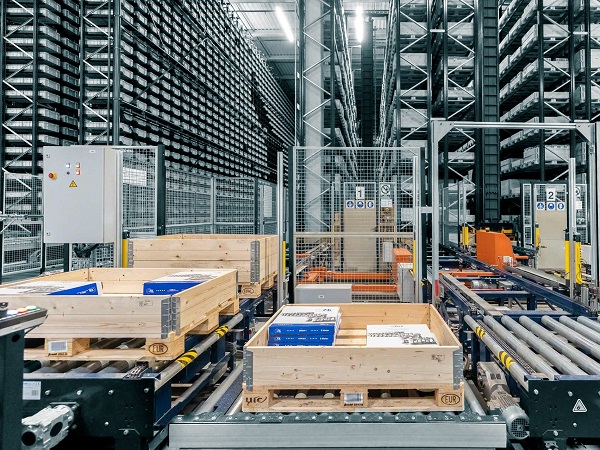
The warehouse management system can connect with order data to synchronize information such as products, quantities, delivery schedules, and outbound requirements. Based on this data, the system can support picking and order preparation planning, as well as coordinate material handling equipment according to predefined priorities.
Connecting data between the warehouse and related management systems helps reduce duplicate data entry, improve information synchronization, and support better control over the order fulfillment process.
Returns management and reverse logistics
For businesses that handle product returns, the warehouse management system can record information such as product details, quantities, product condition, and reasons for return. This data enables businesses to track the movement of returned goods back into the warehouse and determine the appropriate handling method, such as inspection, restocking, repair, or removal from inventory.
Managing return data within the same system helps maintain traceability and inventory control throughout the entire product lifecycle.
Challenges and considerations when implementing a smart warehouse
Investment costs and total cost of ownership
The cost of implementing a smart warehouse depends on various factors, including warehouse size, product characteristics, load capacity, storage capacity, inbound and outbound volume, automation equipment, management software, and the level of integration with existing systems.
Technologies such as RFID, sensors, cameras, robots, AGVs, automated storage systems, and control software can be implemented at different levels depending on operational requirements. Therefore, businesses should clearly define their operational needs before selecting a system configuration rather than basing the decision solely on the sophistication of the equipment. In addition to the initial investment, businesses should also consider operating costs, maintenance, component replacement, software upgrades, and personnel training throughout the system's lifecycle.
Personnel and training requirements
Automation can reduce certain manual tasks but does not completely eliminate the need for personnel. Operators need to be trained to monitor the system, inspect equipment, handle abnormal situations, and perform tasks that require human intervention. For systems integrating multiple mechanical, electrical, control, and software components, businesses also need appropriate training or technical support plans to ensure that the system is operated and maintained according to established procedures.
Data security and safety
Smart warehouses can collect and store various types of data, including information on goods, inventory, orders, equipment, and operational activities. When the system is connected to a network or integrated with other management platforms, data security needs to be considered from the design stage. Measures such as access control, account management, connection control, data backup, and system activity monitoring can be implemented according to the specific requirements of each business.
Compatibility with existing infrastructure
For businesses that already have warehouses, storage racks, or material handling equipment, integration with a new system can help make use of part of the existing infrastructure. However, the feasibility of reuse should be assessed based on equipment condition, load capacity, dimensions, technical standards, and compatibility with the new system. A site survey before system design helps businesses identify which components can continue to be used, which require modification, and which need to be newly invested in.
Operational risks and contingency planning
A smart warehouse consists of multiple interconnected components, so a failure in one piece of equipment or control system may affect related processes, depending on the overall system architecture. Businesses should establish procedures for fault handling, preventive maintenance, data backup, and contingency measures for critical components. For systems that require continuous operation, identifying potential points of disruption and preparing recovery plans is an important part of the overall system design.
Smart warehouses combine storage systems, automation equipment, management software, and data acquisition technologies to improve goods control and optimize inbound, outbound, and storage operations. Depending on the requirements of each business, the system can integrate technologies such as RFID, sensors, real-time monitoring, robots, AGVs, conveyors, and warehouse management software. Data analytics and AI technologies can also be implemented when businesses require demand forecasting, operational optimization, or predictive maintenance. However, the effectiveness of a smart warehouse depends on the system design, product characteristics, facility layout, inbound and outbound volume, and selected level of automation. Before implementation, businesses should evaluate technical requirements, investment costs, integration capabilities, operating personnel, and maintenance plans as a whole. With experience in implementing automation solutions and factory systems, CNC-VINA provides smart warehouse solutions tailored to practical operational requirements, ranging from automated storage systems to material handling equipment and management software.
Some solutions include:
Businesses looking to develop a smart automated warehouse solution or integrate warehouse operations with automation systems in a smart factory can contact CNC-VINA for a site survey and a solution proposal based on their warehouse scale, layout, and actual operational requirements.
CNC VIETNAM TECHNOLOGY & APPLICATION JOINT STOCK COMPANY
Factory: Song Cung Industrial Cluster, Dong Thap Commune, Dan Phuong District, Hanoi, Vietnam
Office: Rox Tower (Rox Center Goldmark City), 136 Ho Tung Mau Street, Bac Tu Liem District, Hanoi, Vietnam
Tel: +84.916 63 9355 / +84.915 74 4664
Email: Sales01@cncvina.com.vn / Sales03@cncvina.com.vn

 Tiếng
Việt
Tiếng
Việt
 Tiếng
Anh
Tiếng
Anh
 Tiếng
Nhật
Tiếng
Nhật




 Tiếng Anh