 Tiếng
Việt
Tiếng
Việt
 Tiếng
Anh
Tiếng
Anh
 Tiếng
Nhật
Tiếng
Nhật




 Tiếng Anh


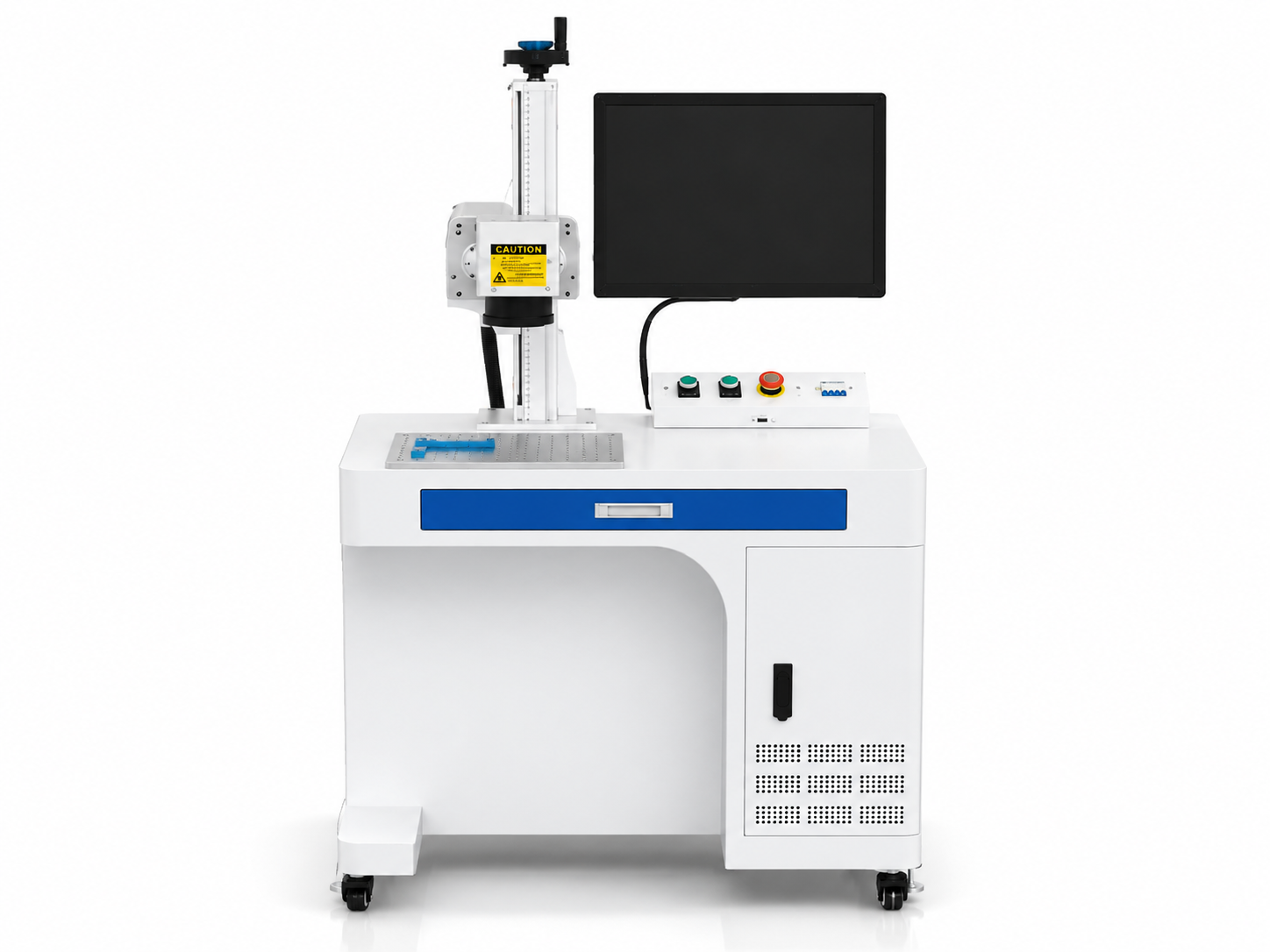
Laser engraving machine
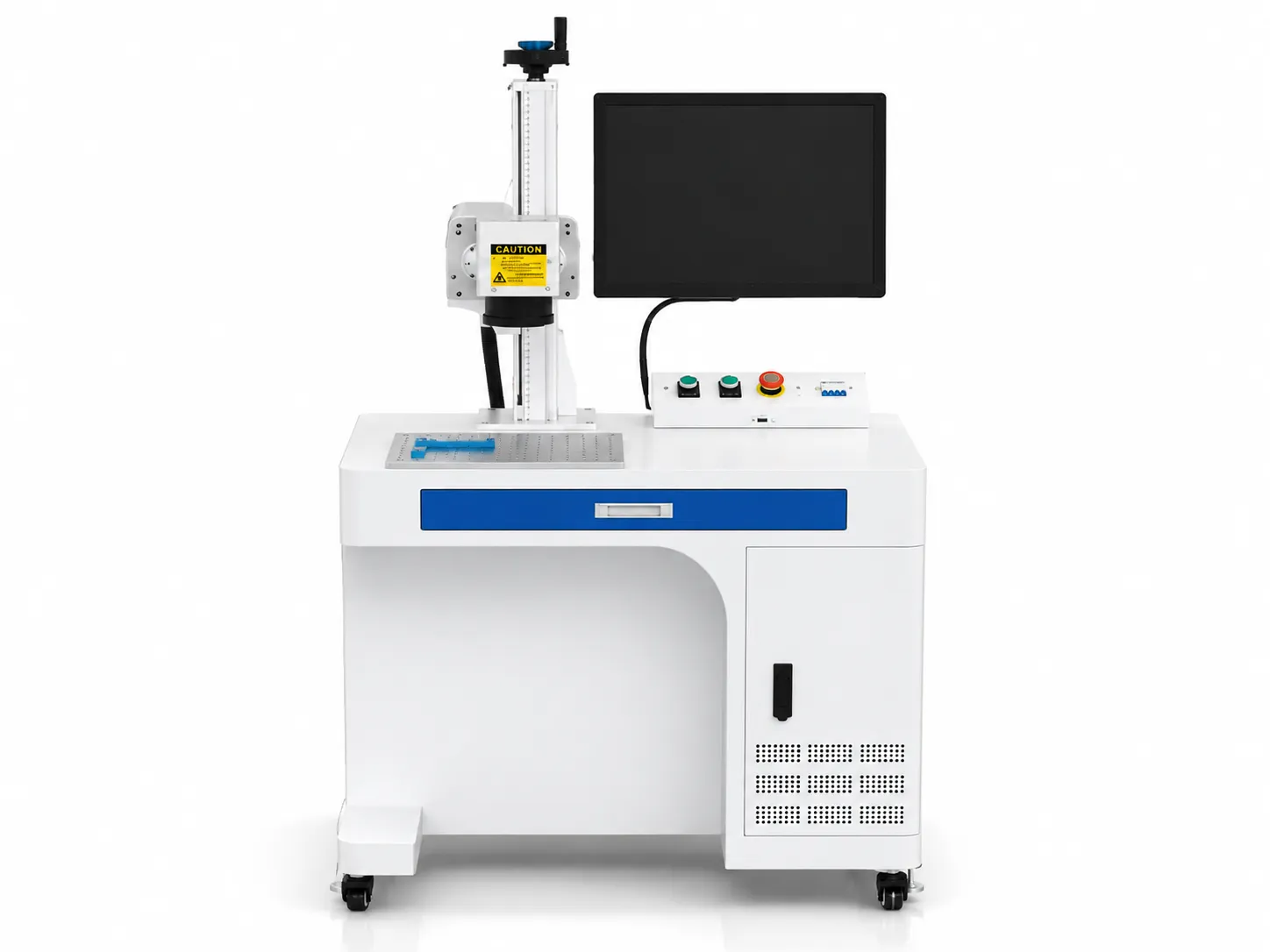
A laser engraver is a device that uses a laser beam to create permanent marks on a variety of materials. The process involves directing a high-power laser beam onto the surface of a material, causing the material to melt, vaporize or change color.
VIETNAM CNC & TECHNOLOGY APPLICATION JOINT STOCK COMPANY
Hotline: +84.916 63 9355 / +84.915 74 4664
Email: Sales01@cncvina.com.vn / Sales03@cncvina.com.vn
Product description

A laser marking machine is a technological solution that uses a laser beam to create characters, logos, QR codes, barcodes, or patterns directly on the surface of products for product marking and identification in quality management. Thanks to its ability to provide fast, precise, and permanent marking, this technology is increasingly being applied across various manufacturing industries. Depending on the material and processing requirements, businesses can choose from different types of lasers, such as CO₂ lasers, fiber lasers, green lasers, or MOPA lasers. Compared with traditional marking methods, laser marking offers outstanding advantages in terms of accuracy, speed, and non-contact operation. This technology is suitable for a wide range of materials, including metals, plastics, rubber, ceramics, and other industrial materials. So, how can you choose the right laser marking machine to meet your business requirements? In the following article, let's explore this topic together with CNC VINA.
What is a laser engraving machine?
A laser engraver is a device that uses a laser beam to create permanent marks on a variety of materials. The process involves directing a high-power laser beam onto the surface of a material, causing the material to melt, vaporize or change color. This creates a permanent mark that is resistant to abrasion, making laser marking ideal for industrial applications.
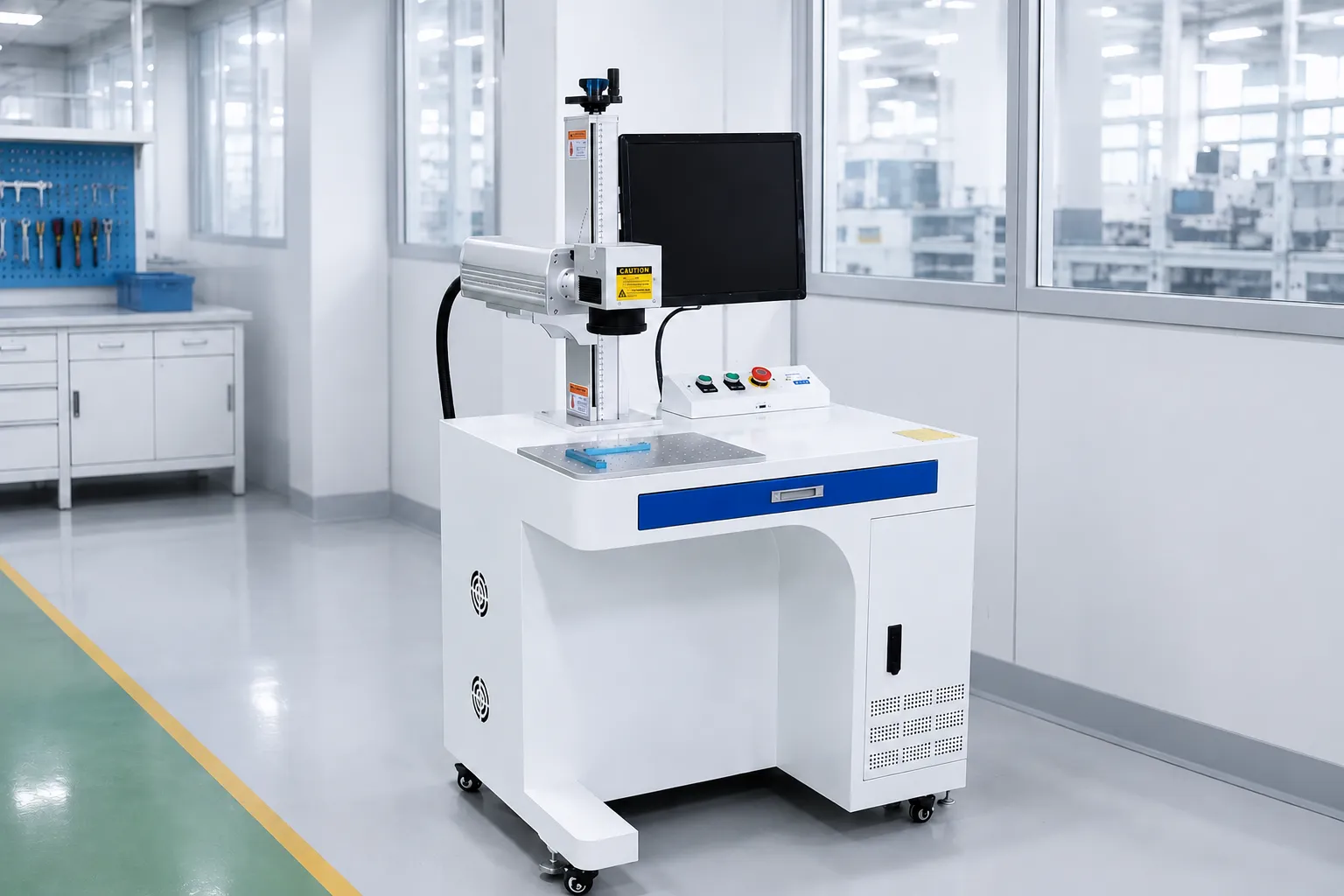
Overview of laser engraving machine
In a laser engraving machine, a focused beam of light is used to mark the surface of a material. When the beam comes into contact with the material, it changes the material's properties and appearance. The beam focused by the laser engraver targets a specific area helping the machine produce a high-contrast, precise and high-quality mark that can be easily scanned on a virtual or readable surface. Because of this feature, laser fabrication machines are best suited for applications that require durability and precision.
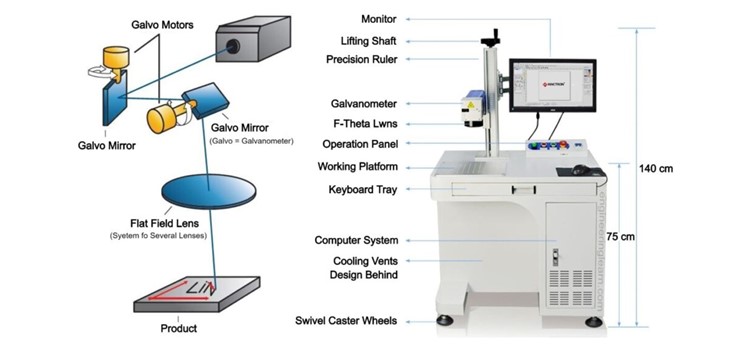
How does a laser engraving machine work?
Understanding how the laser marking process works can only be understood by understanding the laser marking machine and the generation of the laser beam responsible for marking.
Steps taken by laser engraving machine:
Step 1: Create a laser beam
The generation of a laser beam in any laser marking device depends on three important components:
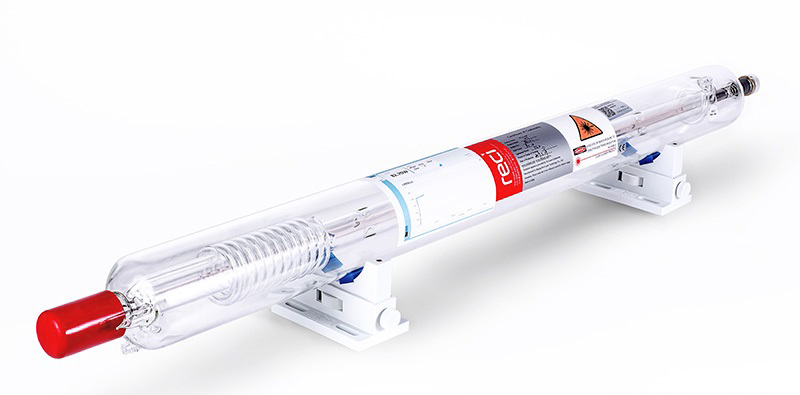
The luminescence medium is responsible for the wave position and excitation energy required by the machine. Common luminescent media include neodymium-doped yttrium aluminum garnet (solid) and organic dyes (liquid) and CO2 (gas). The luminescent medium can also be a geometric shape, such as a fiber laser.
The pump source is responsible for injecting energy into the laser engraving machine, this energy stimulates the luminescent medium and leads to photon emission through spontaneous or stimulated emission.
The optical resonator has a reflector (high reflector) and a partial reflector (output coupler). It has the function of reflecting light created by a luminescent medium. It may also contain other things, such as modulators and q-switches, that can change the properties of the laser beam produced.
Energy is introduced into the luminescent medium. This leads to the excitation of luminescent medium atoms and the emission of photons. Light enters the optical resonator and undergoes total internal reflection to create the laser beam. The laser can then be passed to components such as q-switches, lenses, beam expanders, etc., to shape the beam before releasing it.
Step 2: Mark
When the laser beam hits the workpiece surface, the heat energy generated causes changes in the properties and properties of the material. The type of change depends on the laser technology you choose. A permanent mark will then be left on the surface of the workpiece.
Why choose laser engraving machine in detail manufacturing?
The laser marking process is preferred over other marking methods, such as dot marking and ink marking. Here are a few reasons you should choose a laser engraving system.
High speed
Using a laser, you can easily create different designs and patterns on materials in a short time. This is unlike traditional marking, where speed depends on the operator. As a result, they are slower and, therefore, more time consuming. Furthermore, due to their speed, part production is more efficient.
Mark permanently
Like metal marking systems, laser marking technologies create marks that are durable under harsh conditions such as chemicals. Therefore, parts manufacturing industries such as automobile and aviation prefer to use it due to permanent marking. Permanent and durable markings allow these manufacturers to track and identify their products regardless of point of use.
Contactless process
The process is contactless. As a result, there is no change in the physical properties of the material. Furthermore, the lack of contact makes laser technology popular in the manufacturing and production industries.
Environmental friendliness
Laser marking systems do not use consumables such as chemicals compared to inkjet marking. Therefore, there is less possibility of releasing toxic materials into the environment. Furthermore, unlike dot technology, laser technology does not create noise, making them environmentally friendly.
Techniques in popular laser engraving machines
There are several laser marking systems applied in part manufacturing processes. Each type has a mechanism for using lasers. For example, laser engraving removes parts of the material. Therefore, it is applied in logo or character processing. The three most common types of laser marking include:
Vapor laser engraving
Laser vapor marking is the most popular marking method in part manufacturing and prototyping, suitable for working on materials such as metals, ceramics and plastics. Like any laser marking method, it offers permanent marking, although it is less visible than the other methods on the list.
Vapor laser engraving is a subtractive process, meaning it involves using a laser beam to remove part of a material's surface. The laser beam focused on the surface turns the removed material into plasma or vapor that is removed by the fume extractor. When removed, it leaves an engraved mark that can be easily felt by fingers.
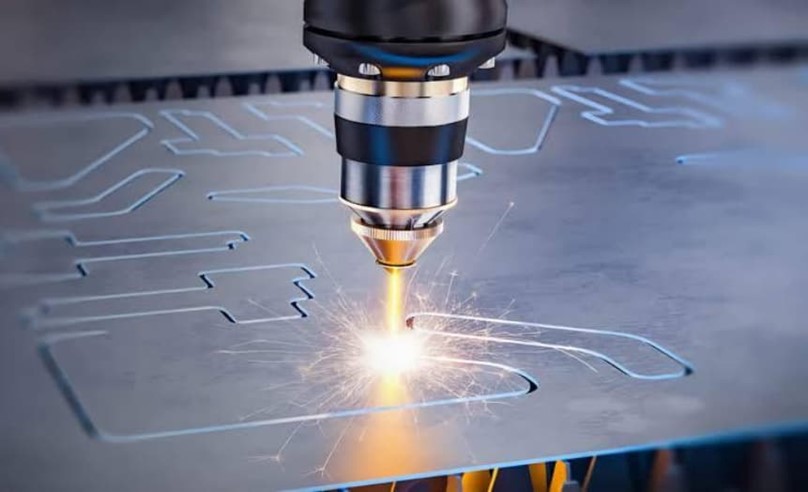
Image 4: Vaporization laser engraving technique
Melting laser engraving
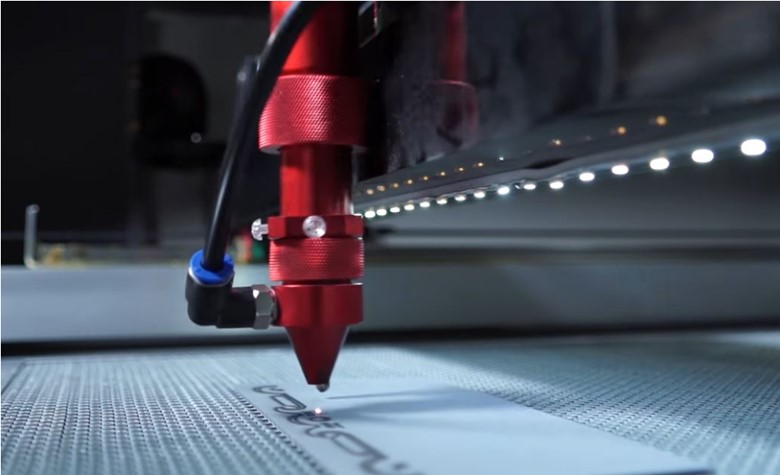
Melt laser engraving is another marking method to create a permanent mark on the workpiece. It is usually applicable to metals such as engraving aluminum, steel, stainless steel, lead, etc. Melt laser engraving machine engraves the workpiece by releasing pulsed laser beams on the surface of the workpiece. When it hits the surface, the material absorbs the beam and converts it into heat to melt the surface and lift it.
Surfaces engraved with this type of laser require less energy because it has no depth, unlike engraving with vaporization lasers. Furthermore, they are easier to see. For example, molten laser engraved aluminum is clearer than vaporized laser engraved aluminum.
Laser annealing
Laser annealing is a non-subtractive process commonly used for products where dimensional accuracy is critical. It involves using laser beams to slowly heat and cool metal surfaces to change their color (yellow, red or green) depending on the temperature of the metal surface .
Laser annealing is not suitable for non-ferrous metals and aluminum because their color is not affected by heat and oxides.
Classification of laser engraving machines
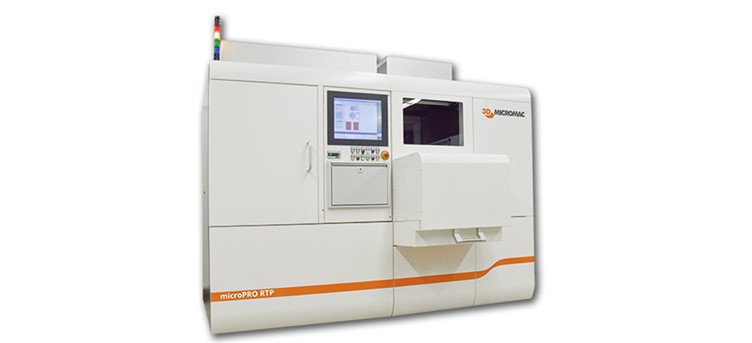
There are many types of lasers, but we will discuss the four most common types used to mark production parts.
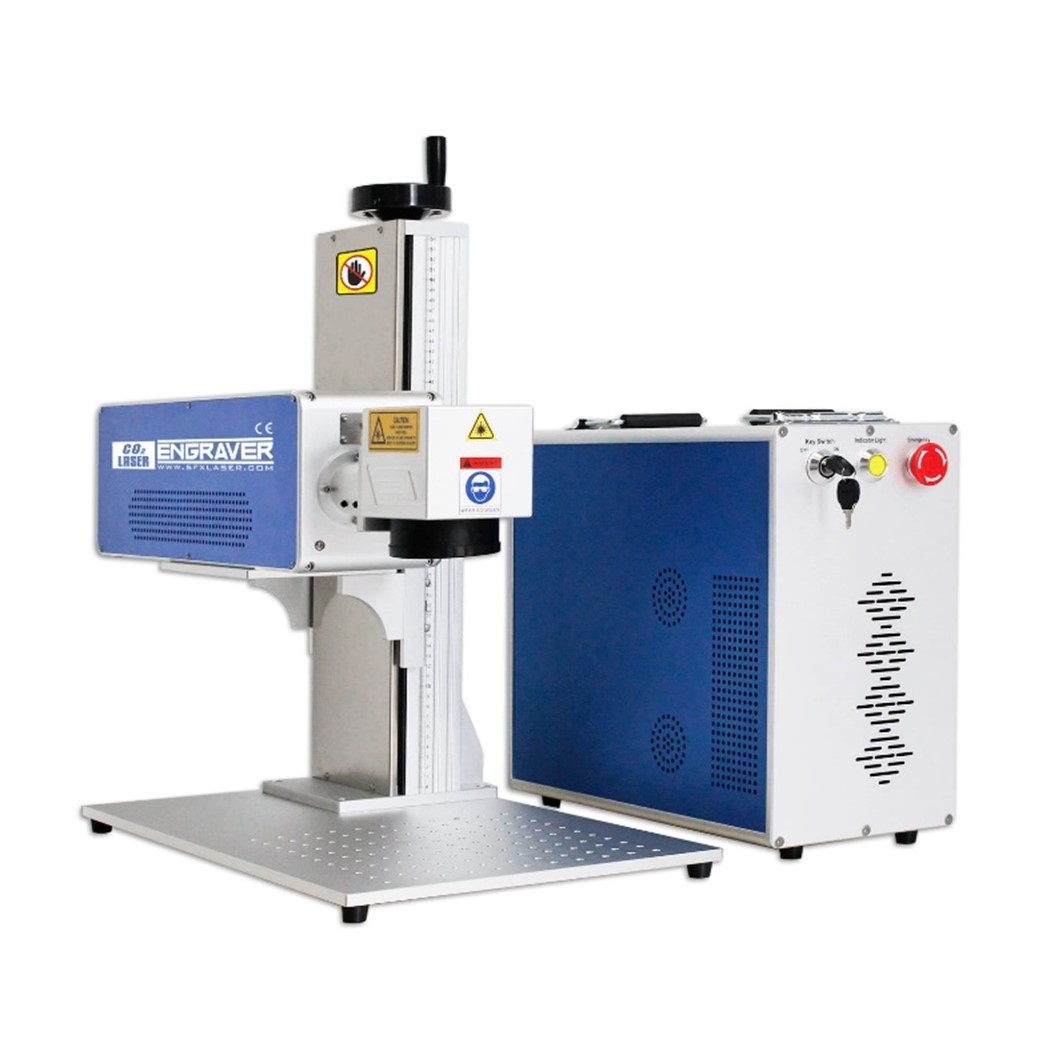
CO₂ laser engraving machine
CO₂ laser marking machines use CO₂ as the laser emitting medium and are the most suitable marking system for organic materials (they are also suitable for metals after treating the metal with a special marking agent). distinctive, giving the metal a permanent, high-contrast signature).
They have the longest wavelength (10600nm) among all laser marking systems, making them useful in marking various materials as required by different industries. Furthermore, they also provide faster marking speeds when working with thick materials, especially in sheet metal laser cutting.
Although they are more suitable for industrial applications, CO₂ lasershave high maintenance costs and energy consumption. Furthermore, they are slower than others.
Fiber laser marking machine
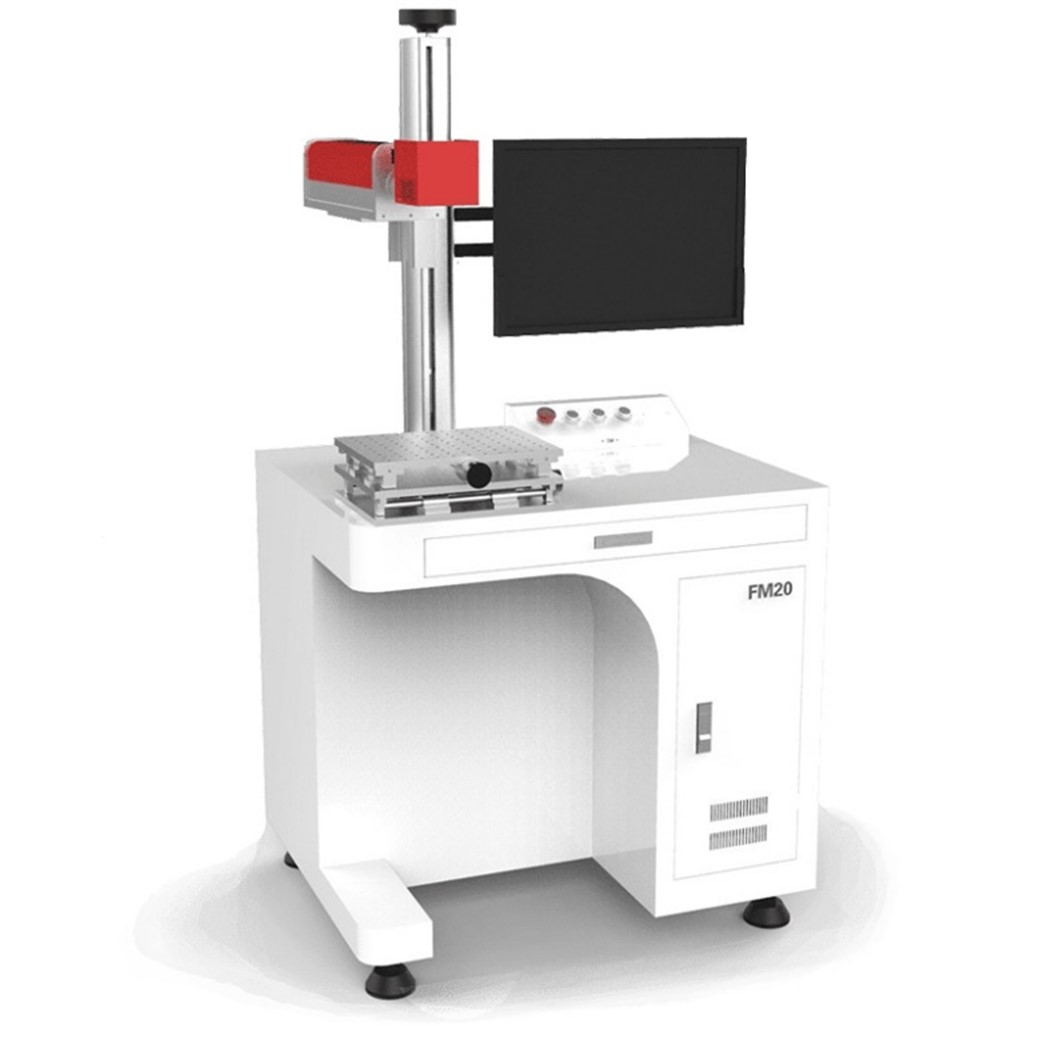
Fiber laser marking machine is a newer, simpler and more flexible marking system that uses high-tech fiber optics as the luminescent medium. They are suitable for marking non-organic materials such as metals, steel, aluminum, etc
Fiber optic marking system has high marking speed and consumes less energy. Furthermore, they require low maintenance. However, they are not suitable for marking thick materials.
Green marking laser engraving machine
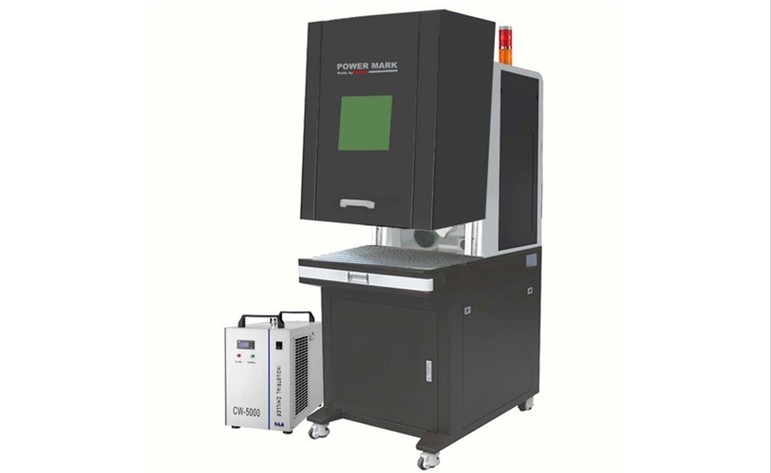
Green mark laser engraving machine has high wavelength (532nm). They are suitable for marking highly reflective and sensitive materials such as PCB circuit boards, soft plastics, etc. Additionally, they produce highly accurate markings on the workpiece and can absorb different types of materials.
MOPA laser engraving machine
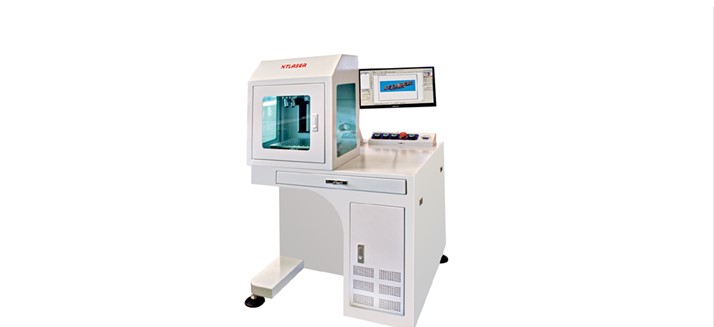
The Main Oscillator Power Amplifier (MOPA) laser can be applied to create dark spots on high quality metals and plastics. They use a master oscillator to create the beam and a power amplifier to increase the output power level.
Typically, the pulse duration of laser markers cannot be adjusted. However, for the MOPA laser, the pulse duration and pulse energy are adjustable. As a result, they are very flexible.
Other direct part marking processes in machining
There are other marking techniques with wide industrial applications. The three most common marking techniques include:
Mark
Dot marking systems use carbide pins or tungsten carbide to create deep, permanent marks using compressed air or electricity. Unlike laser markers, dot peen do not create thermal shocks on the surface of the material. However, they are only suitable for durable parts due to their mechanical strength.
Marking with inkjet printer
Inkjet printing is a non-contact process that involves using ink to mark a part. There are two types of inkjet marking: thermal and chemical.
Thermal inkjet printers have a print head that uses heat to transfer ink to the surface of the material. They are applied to mark sensitive parts such as food packages and medical equipment.
Chemical printers are more complex and use unique inks and papers to print on a wider variety of materials such as glass, metal, and plastic.
Chemical etching
This subtractive process involves using chemical sprays to remove material from the surface of the workpiece to create a permanent mark on the metal.
It works by printing a design or logo onto a photoresist, exposing it to UV light, then layering the design onto the metal surface. The contact will corrode when you expose the set to a corrosive solution such as ferric chloride.
Application of laser engraving machine
Laser marking has wide industrial applications in traceability and part identification. Manufacturers can use laser markers to apply expiration dates, barcodes, production dates, and logos on products. Therefore, laser marking technologies are used in the food, medical, aerospace, automotive and electronics industries.
A laser marking machine is one of the modern marking solutions that effectively meets the requirements for speed, accuracy, and durability in industrial manufacturing. Depending on the material, product shape, and intended application, businesses can choose the most suitable laser technology and marking method. Today’s laser systems not only produce clear and precise marks but also provide effective support for product identification, management, and traceability. The application of laser marking machines also helps reduce consumable materials, minimize environmental impact, and optimize production processes. In particular, when integrated with automation systems, these machines can meet the requirements of production lines with high demands for productivity and operational stability. Therefore, investing in a suitable laser marking system is a worthwhile consideration for businesses moving toward modern manufacturing and automation. If you are interested in a laser marking machine, please contact CNC VINA to have a system designed according to your actual requirements, meeting a wide range of applications and providing an optimal and effective solution for your products.
Customers who need laser engraving machines please contact:
VIETNAM CNC & TECHNOLOGY APPLICATION JOINT STOCK COMPANY
Factory: Song Cung Industrial Site, Dong Thap Commune, Dan Phuong District, City. Hanoi Vietnam
Phone: +84.916 63 9355 / +84.915 74 4664
Website: www.cncvina.com.vn ; www.cncvina.net
Email: Sales01@cncvina.com.vn / Sales03@cncvina.com.vn