 Tiếng
Việt
Tiếng
Việt
 Tiếng
Anh
Tiếng
Anh
 Tiếng
Nhật
Tiếng
Nhật




 Tiếng Anh

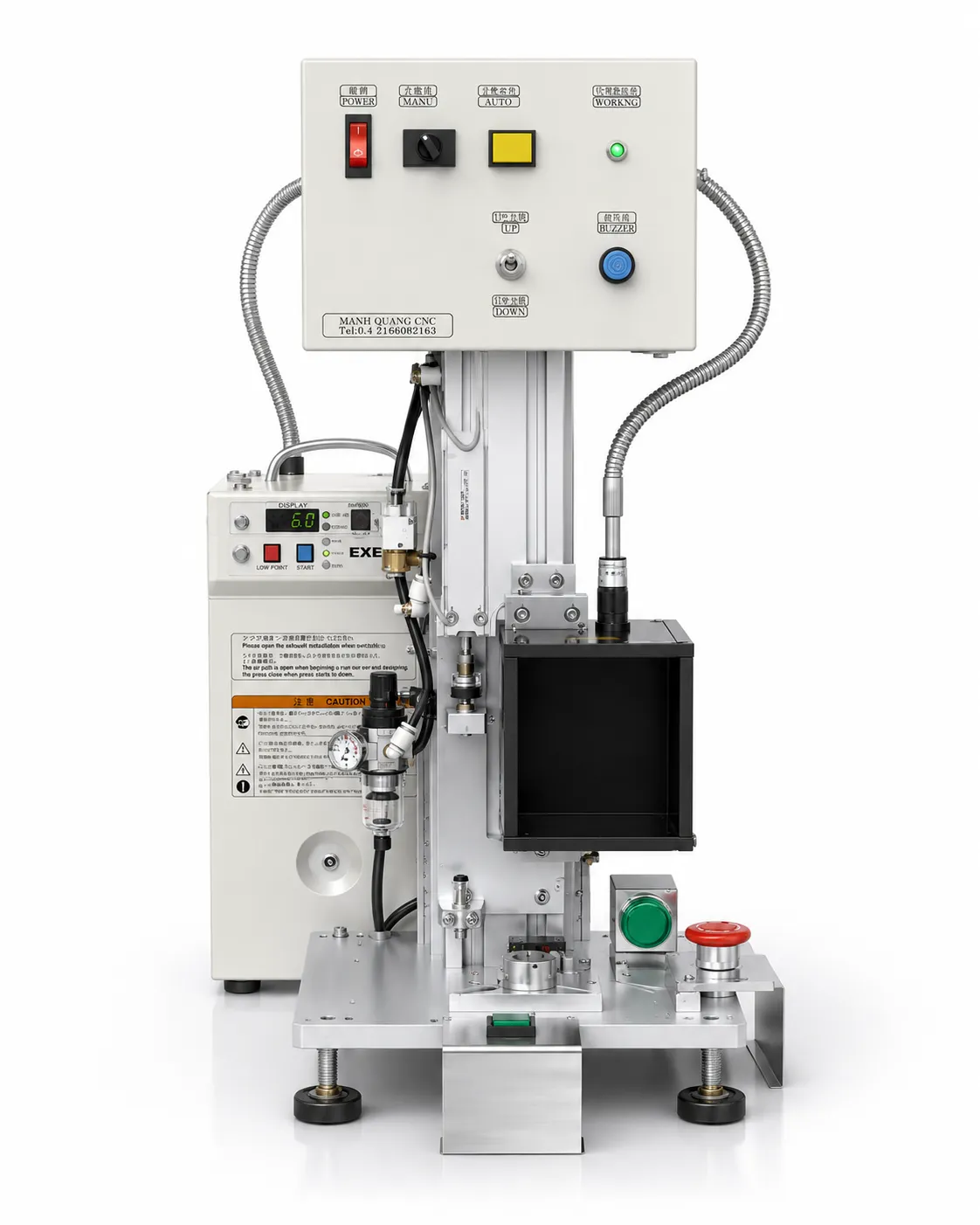
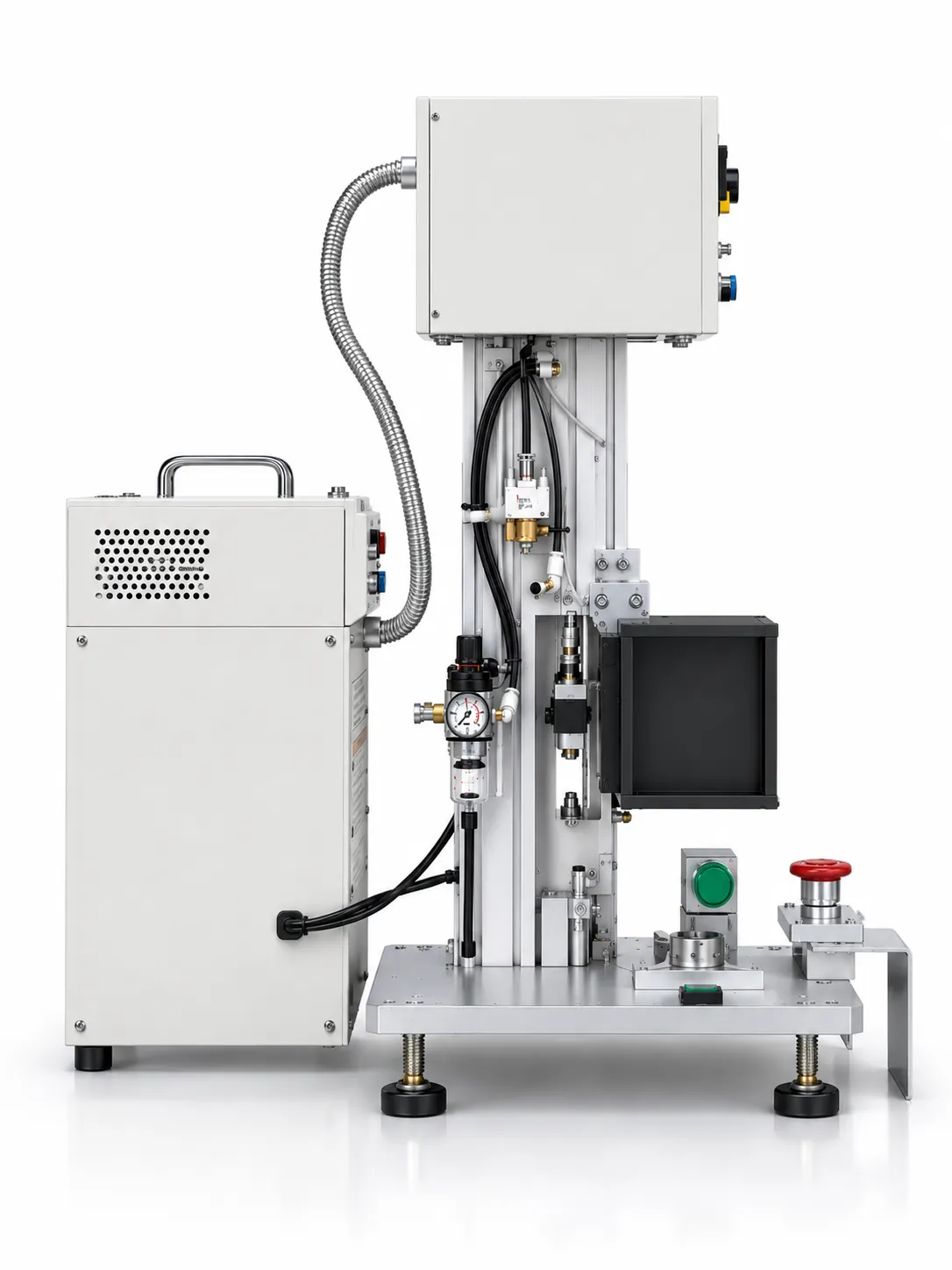
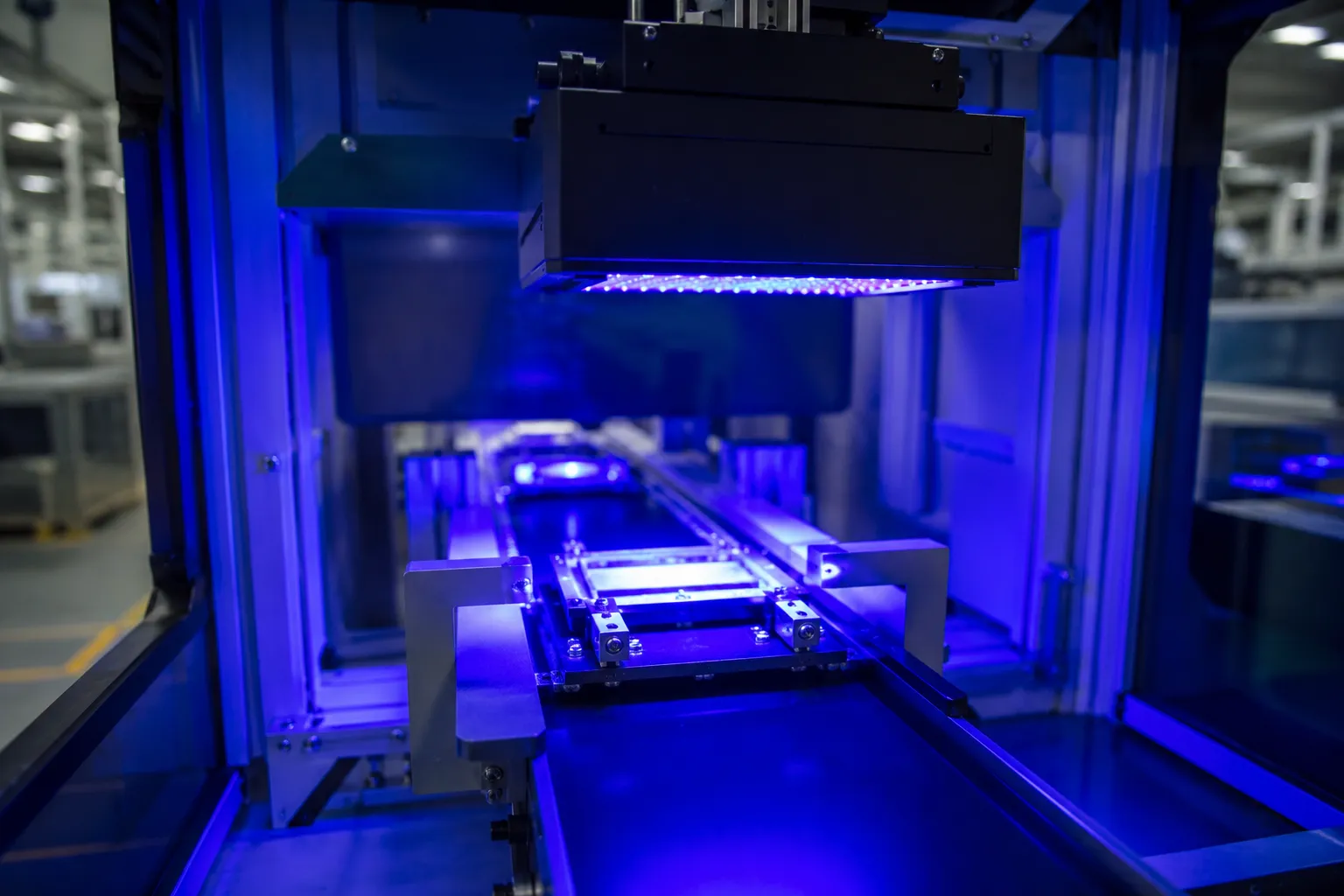
The UV curing machine
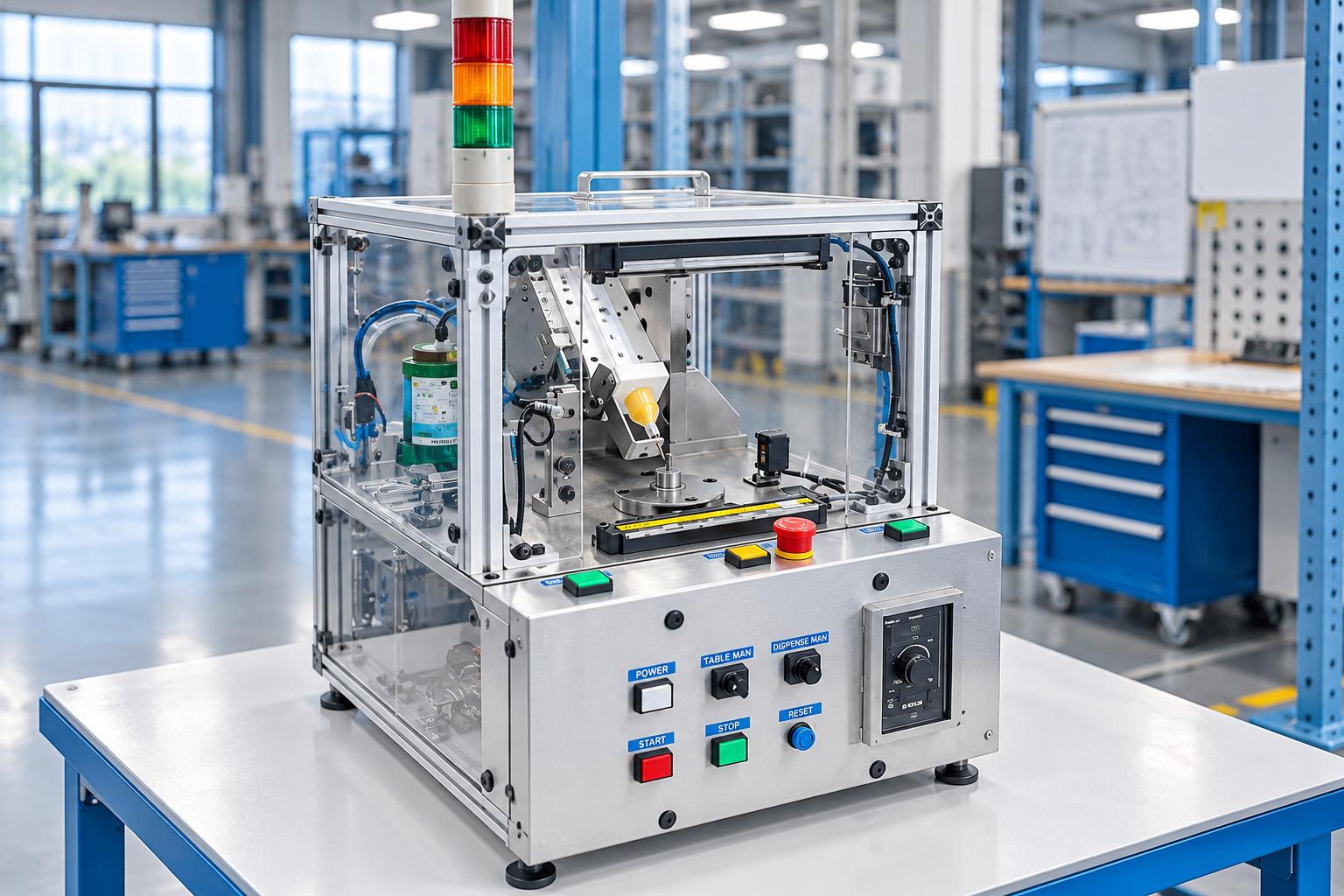
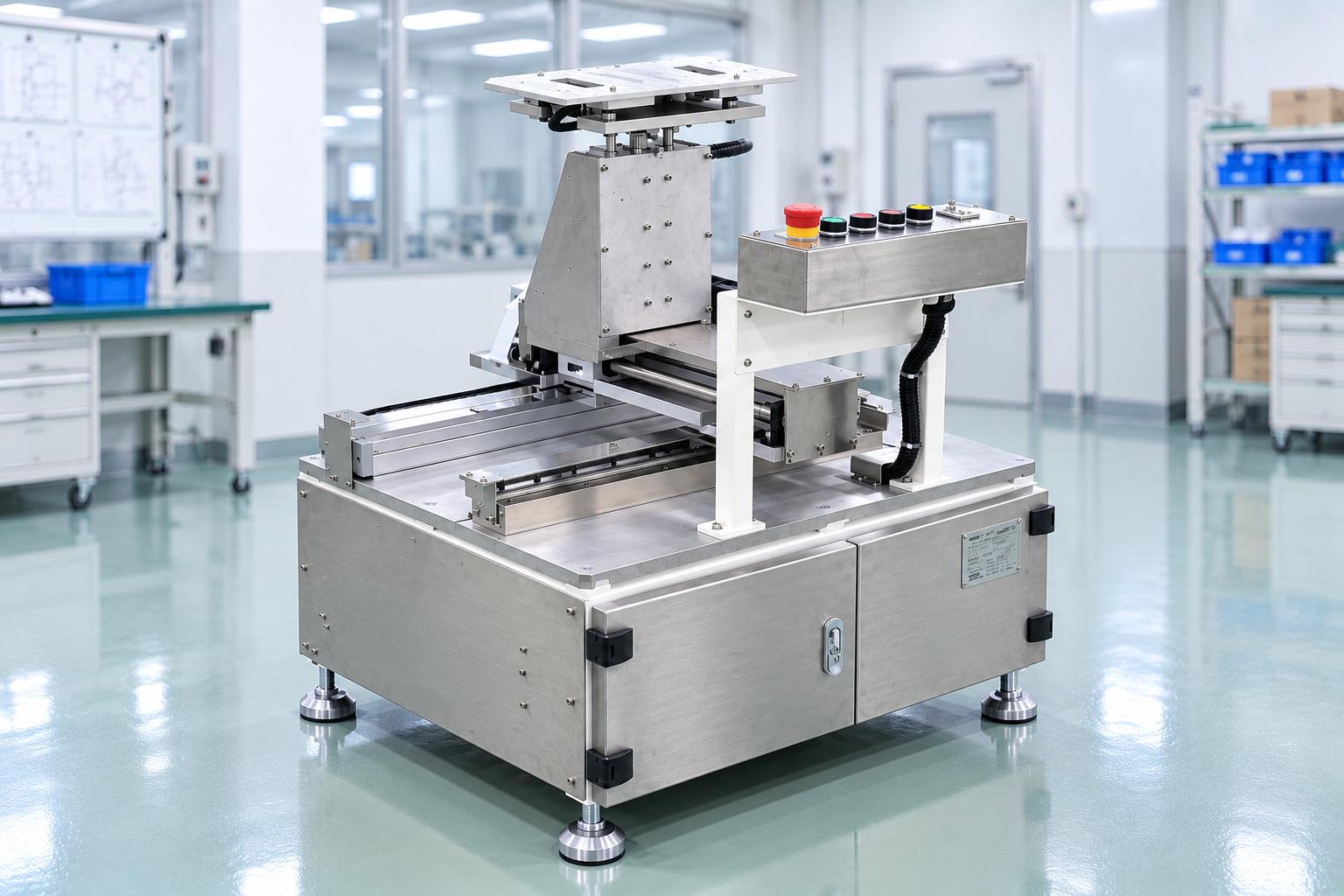
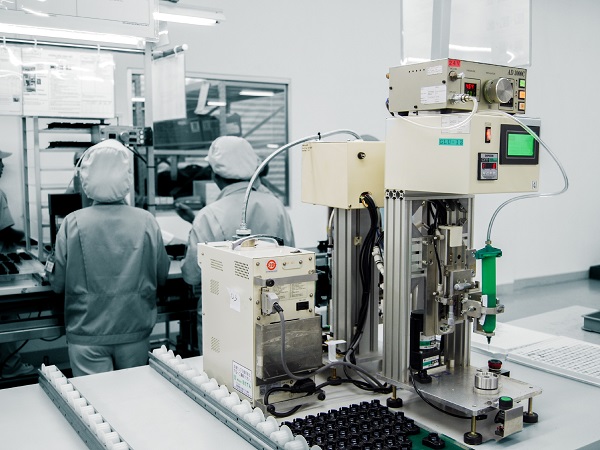
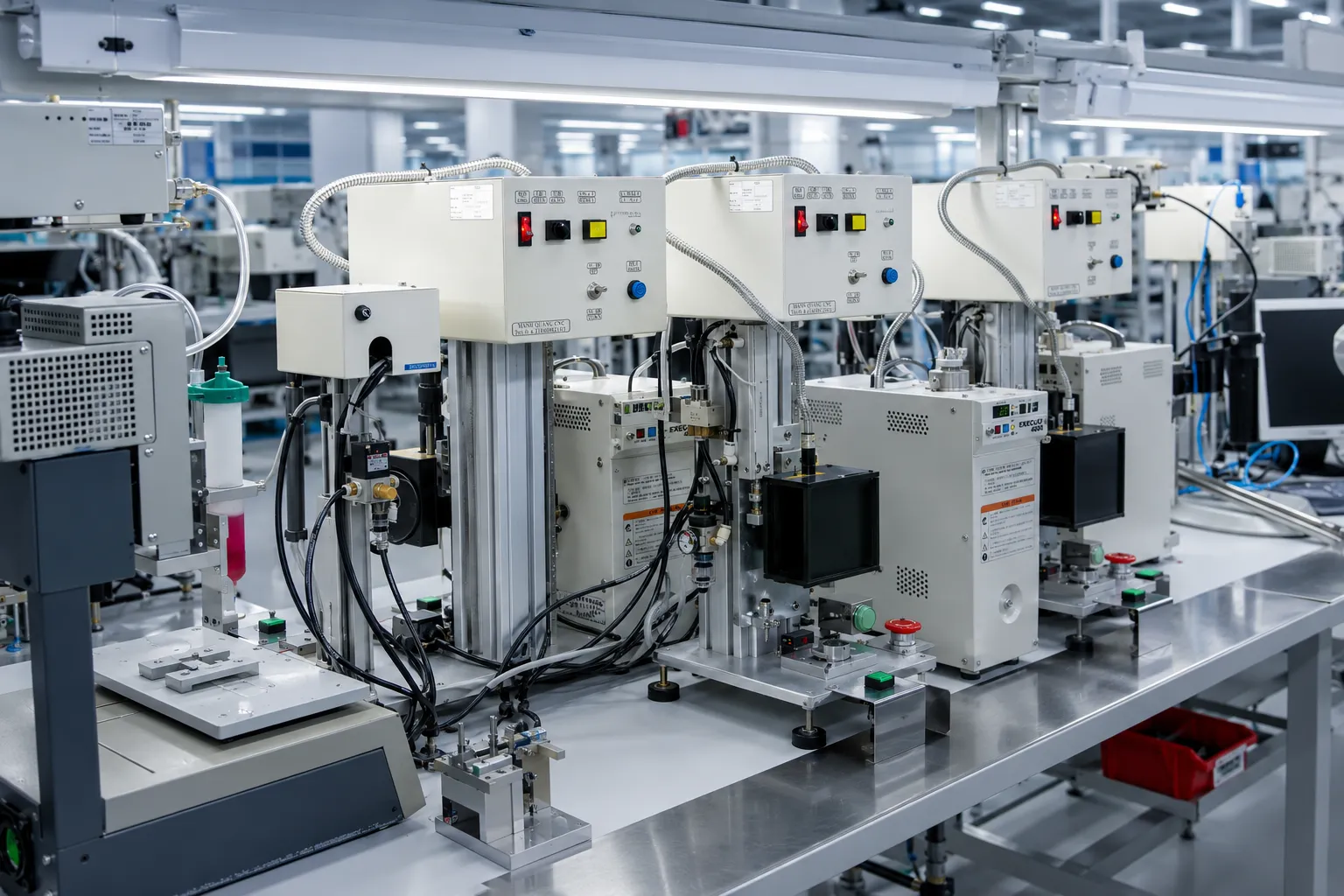
The UV curing machine is one of the most widely used assembly machines for speaker and electronic circuit board assembly lines. The machine is designed to perform the drying process of glue lines on circuit boards by irradiating UV rays on the glue surface. This step takes place after the glue injection and assembly stages of bonding the layers together, and injecting glue to seal the circuit board.
The UV projector is compactly designed, operates automatically and safely. Design according to customer requirements with each component assembly requirement on the circuit board and in the assembly line. The design is flexibly customized thanks to changing programming methods and jigs, detailed jigs for each product and purpose of use.
Design machines according to customer requirements for electronic component assembly lines for mobile phones, computers, televisions,...
VIETNAM CNC & TECHNOLOGY APPLICATION JOINT STOCK COMPANY
Hotline: +84.916 63 9355 / +84.915 74 4664
Email: Sales01@cncvina.com.vn / Sales03@cncvina.com.vn
Product description

Introduction to UV Curing Machine
The UV curing machine is a specialized industrial device that uses ultraviolet (UV) light to initiate and accelerate the curing process of UV-curable adhesives, inks, and other light-sensitive materials. Instead of relying on natural drying or prolonged heat treatment, the UV curing machine delivers controlled light energy directly to the target area, significantly reducing curing time and allowing products to proceed quickly to the next stage of production. In industrial manufacturing, particularly in electronic component assembly, speaker and earphone manufacturing, electronic device production, PCB assembly, and other applications involving UV adhesives, curing time directly affects the overall productivity of the production line. When adhesives require extended curing periods, products may accumulate at intermediate processing stages, increasing storage requirements and reducing the efficiency of labor and equipment utilization.
CNC VINA's UV curing machines are designed and manufactured based on the specific requirements of each product and production process, providing an optimized curing solution with stable performance and high compatibility with automated production lines.
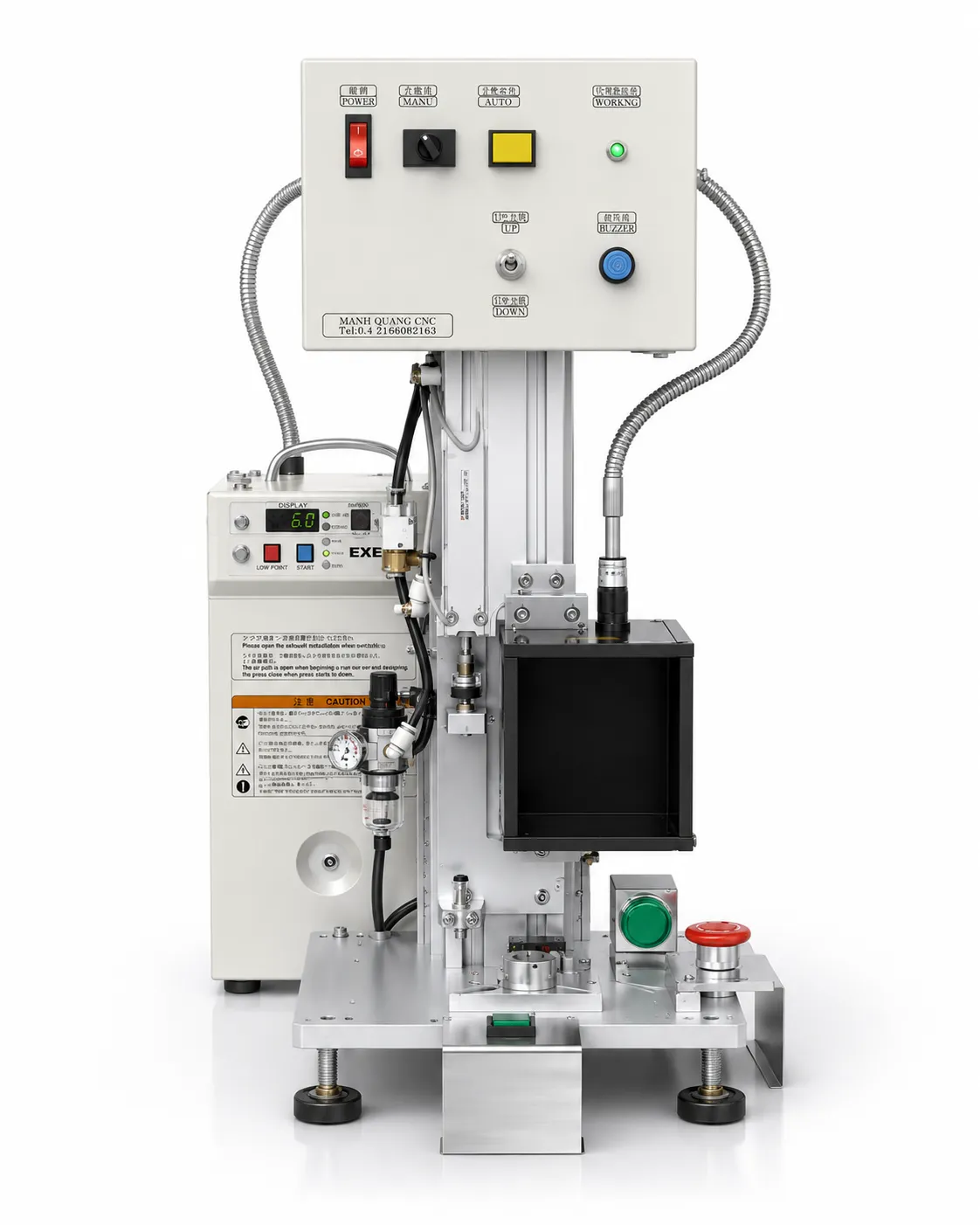
| Machine Dimensions | L1500 × W1200 × H700 mm |
|---|---|
| UV Light Source | High-power UV LED lamp array |
| Main Power Supply | Single-phase, AC 220 V, 50 Hz |
| Control Voltage | DC 24 V – DC 5 V |
| Air Supply | 0.4–0.6 MPa |
| Effective Exposure Area | 1250 × 650 mm |
| Resolution | 1.2 million; dry film thickness ≤ 20 µm 2.3 mil; wet film thickness ≤ 20 µm; dry film thickness ≤ 40 µm |
| Environmental Requirements | Temperature: 22–25°C; Humidity: 55–60%; Cleanroom requirement: Class 10,000 |
Why do manufacturers need UV curing machines in production?
In assembly processes, adhesives are commonly used to secure, bond, or seal components. If an adhesive requires a long time to cure, products must remain idle before they can proceed to the next production stage. This can be particularly disadvantageous for high-volume production lines or manufacturing processes with short cycle-time requirements.
The UV curing machine addresses this issue by incorporating adhesive curing into a controlled and repeatable process. After adhesive dispensing and assembly, the product is placed into a Jig fixture and transferred to the UV exposure area. The UV light source is then activated according to the programmed curing parameters for a specified period of time. Once the curing cycle is completed, the product can be removed from the exposure chamber and transferred to the next production stage.
As a result, manufacturers can:
- Shorten adhesive curing and waiting time.
- Increase product throughput between production stages.
- Reduce work-in-process inventory in curing or waiting areas.
- Maintain consistent processing conditions across products.
- Reduce dependence on manual operations.
- Easily integrate the UV curing process into automated production lines.
- Precisely control exposure time and curing conditions for different products.
In particular, when manufacturing multiple product models, storing dedicated curing programs for each model makes product changeovers more convenient and efficient.
Operating Principle of the UV Curing Machine
The machine's operating process can generally be implemented through the following steps:
Step 1: Product loading and fixturing
After adhesive dispensing and assembly, the product is placed onto a Jig fixture. The fixture securely holds the product in a predefined position, ensuring that the adhesive area requiring curing is correctly aligned within the UV exposure zone.
Step 2: Product transfer into the UV curing chamber
Depending on the machine configuration, the product can be loaded manually or transferred automatically using a dedicated mechanism, conveyor, or robot.
Step 3: Position and safety verification
Before starting the curing cycle, the machine verifies the required operating conditions. If the specified conditions are not satisfied, the control system can prevent the UV light source from being activated, enhancing operational safety and process reliability.
Step 4: UV exposure
The UV light source is activated for the preset exposure time. The UV energy acts on the adhesive layer and initiates the photochemical curing process, allowing the adhesive to rapidly reach the required curing state.
Step 5: Cycle completion
Once the programmed exposure time has elapsed, the UV light source is switched off and the product is either removed from the chamber or transferred to the next production stage. For automated production lines, the entire process can be integrated with other equipment to establish a continuous and synchronized production cycle.
Key Features of CNC VINA UV Curing Machine
UV Curing chamber designed for specific products
The machine is equipped with a dedicated UV curing chamber to concentrate the UV light on the target product while minimizing UV exposure to the surrounding environment. The chamber dimensions, light source positioning, exposure distance, and internal structure can be calculated and optimized based on the product dimensions and specific curing areas. This design helps maximize the utilization of UV energy rather than distributing the light inefficiently across unnecessary areas. For products with complex geometries or multiple areas requiring curing, CNC VINA can design dedicated jigs and positioning mechanisms to ensure accurate and consistent product positioning before each curing cycle.
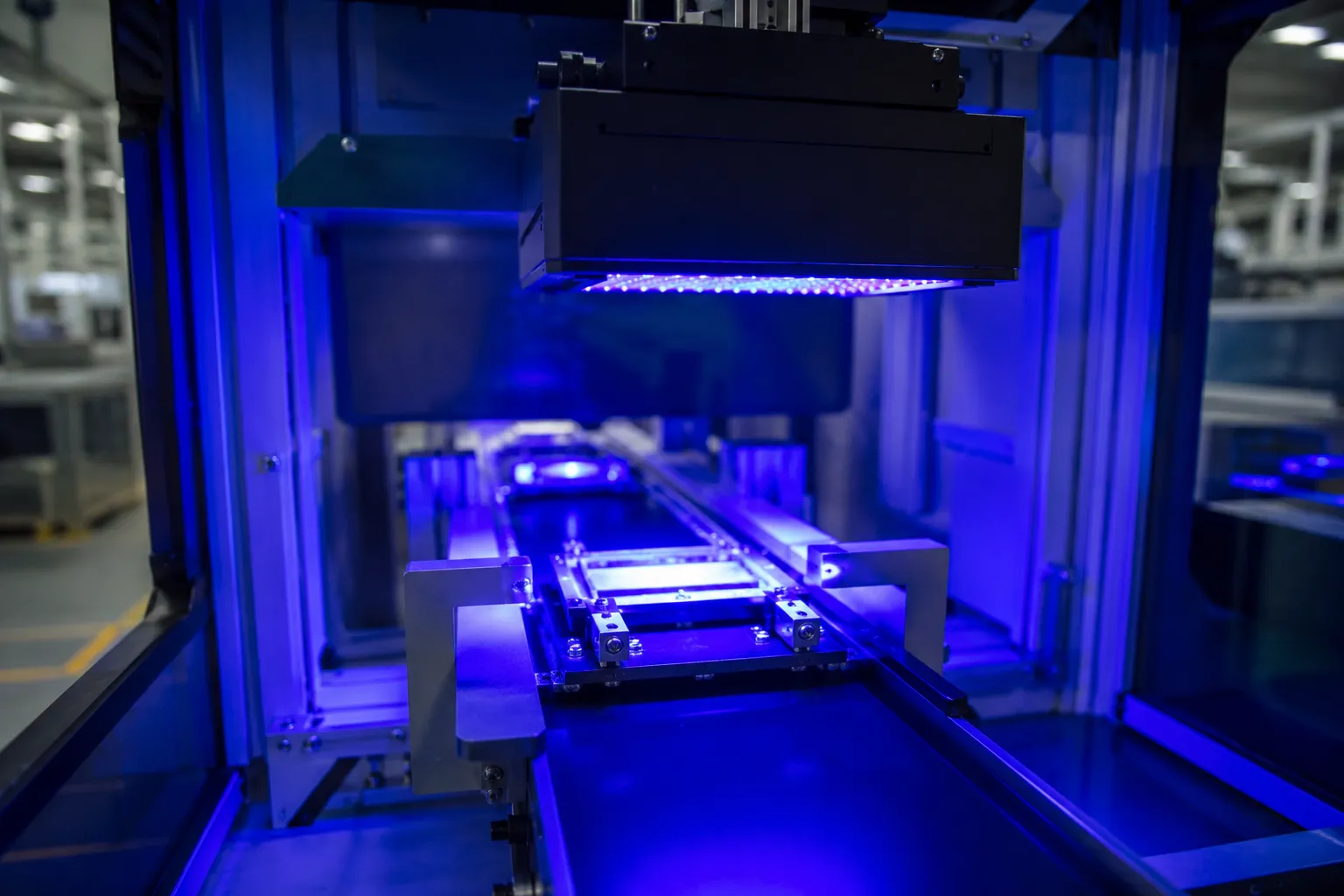
UV Light source system
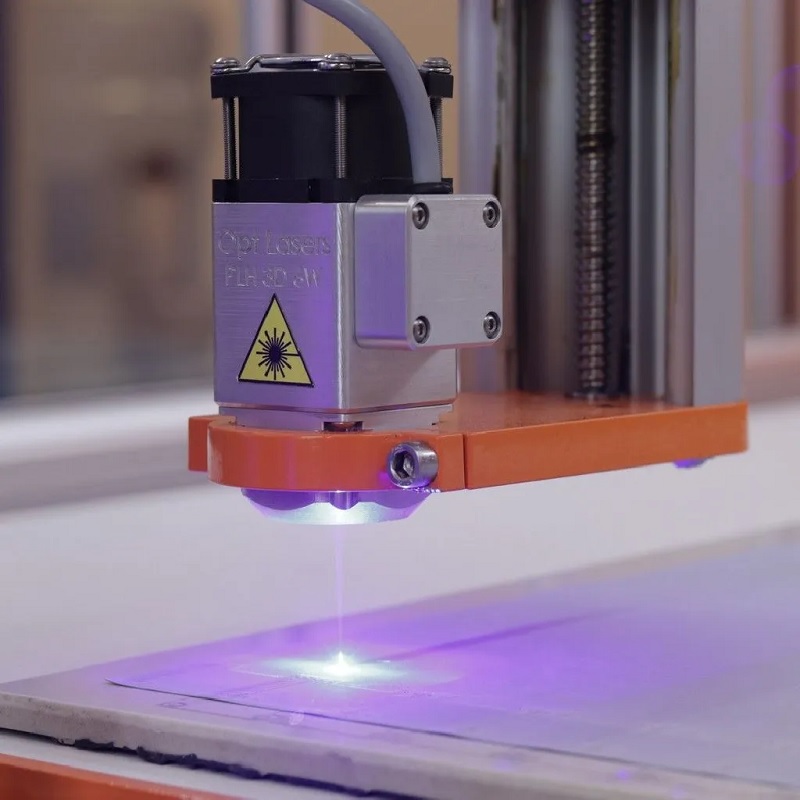
The light source is one of the most critical components of the machine. Depending on the material requirements and application, the system can be equipped with UV LED lamp arrays or a light source configuration specifically optimized for the adhesive being cured. The curing process depends not only on the light source power but also on factors such as wavelength, irradiance intensity, exposure time, and distance from the adhesive surface. These parameters should be determined based on the adhesive manufacturer's technical specifications and validated through testing with the actual product. For systems using UV LEDs, the light sources can be arranged by specific zones or target areas, allowing the machine to accommodate products with different exposure areas and curing requirements.
Product positioning Jig and Fixture
The Jig fixture plays an essential role in securely positioning the product throughout the UV exposure process. A properly designed jig not only prevents product movement but also ensures that the adhesive area is positioned within the optimal UV exposure zone. For production lines handling multiple product models, jigs can be designed specifically for each product or developed in a modular configuration to facilitate quick and convenient changeovers. This is also one of the key aspects that CNC VINA focuses on when developing automated machines. Rather than simply providing a UV curing unit, CNC VINA develops a complete fixturing and product handling system tailored to the customer's actual product and production requirements.
Control system and exposure time settings
UV exposure time has a direct impact on the adhesive curing process. Therefore, the machine is equipped with a control system that allows operating conditions to be configured according to the requirements of each application. Operating parameters can be programmed and stored according to individual product models. When changing products, operators can simply select the appropriate program instead of configuring the entire process from the beginning. For automated production lines, the machine's control system can also be configured to communicate and coordinate with upstream and downstream equipment, such as conveyors, robots, and adhesive dispensing machines, enabling synchronized operation throughout the production process.
Operator safety design
UV radiation can potentially affect the eyes and skin if personnel are directly exposed for an inappropriate period of time. Therefore, the UV exposure area should be isolated from the operator's working position. The machine chamber and protective covers help minimize the risk of direct exposure to the UV light source while the machine is operating. The system can also be equipped with an appropriate safety interlock mechanism to prevent access to the protected area while the UV light source is active. For industrial production lines, safety considerations should be incorporated from the initial machine design stage rather than being added after the equipment has been completed.
Advantages of Using an Automated UV Curing Machine
Shorter curing time
UV-curable adhesives can be processed significantly faster than natural drying methods or certain conventional curing processes. UV light delivers energy directly to the adhesive area requiring treatment, enabling rapid curing when the material is formulated for UV curing. By reducing waiting time between production stages, products can proceed to assembly, inspection, or packaging more quickly. This is particularly beneficial for production lines requiring short cycle times and high production volumes.
Increased productivity
Reduced waiting time allows products to move to the next production stage more quickly, providing significant benefits for mass production. Once the curing process is automated, the machine can operate continuously according to a predefined cycle, minimizing product waiting time and reducing dependence on manual operating speed. Maintaining a consistent processing cycle also enables manufacturers to more accurately calculate production capacity and balance throughput between different stages of the production line. This provides a foundation for optimizing production flow and improving equipment utilization.
Better process control
Exposure time, product positioning, and operating conditions can be programmed and controlled, reducing dependence on manual operations. Products are securely positioned using dedicated jigs and transferred to the exposure area according to predefined coordinates, helping maintain a more consistent distance between the UV light source and the target curing area.
Operating parameters can be configured separately for each product or processing program, minimizing unwanted variations between curing cycles. As a result, manufacturers can establish a highly repeatable curing process and achieve more effective quality control.
Easy integration with automation systems
The UV curing machine can be designed to integrate seamlessly with conveyors, industrial robots, adhesive dispensing systems, assembly equipment, and other automated production machinery. Product loading, positioning, UV exposure, unloading, and transfer to the next process can be synchronized through the machine's control system. This configuration enables the UV curing process to become an integral part of an automated production line, reducing manual intervention while improving production continuity, process consistency, and overall line efficiency.
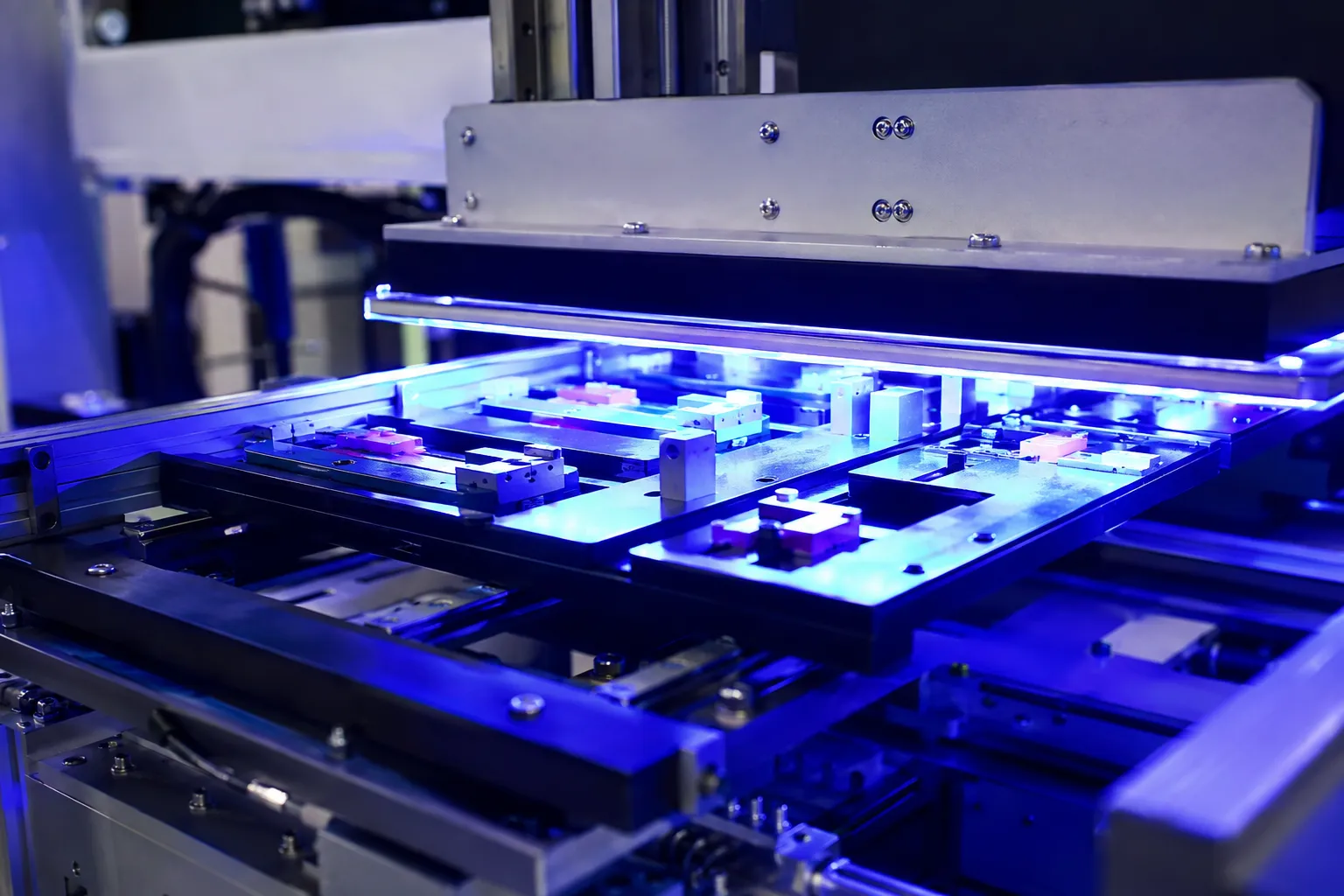
The machine can be designed to integrate with robots, conveyors, dispensing machines, or other assembly processes. After dispensing, the product can be automatically transferred to the UV curing area, where the adhesive is cured before the product continues to the next process without requiring extensive manual handling. In highly automated production lines, the UV curing machine can be integrated as part of a continuous production process and synchronized with the control signals of other equipment. This enables manufacturers to gradually build a fully automated production line while reducing reliance on manual labor for repetitive operations.
Reduced Intermediate Storage Space
By shortening the curing time, manufacturers can reduce the amount of work-in-process inventory waiting between production stages. Products no longer need to remain in a holding area for extended periods while waiting for the adhesive to stabilize, thereby reducing the need for intermediate storage areas or racks for products awaiting curing. Reducing the amount of semi-finished products accumulated between processes also makes the production line more compact and easier to manage. This is particularly beneficial for factories with limited production space or those seeking to optimize their factory layout.
Suitable for Multi-Model Production
Jigs and control programs can be configured for individual products, making it easier to switch between different models. When changing to another product model, operators can replace the jig or select the corresponding control program instead of having to reconfigure the entire system from the beginning. This design approach helps reduce setup time during product changeovers and minimizes errors caused by manual adjustments. For manufacturers producing multiple product variants with different production volumes, this flexibility enables the UV curing machine to better adapt to actual production requirements.
CNC VINA – Customized UV Curing Machine Design
Not every production line uses the same products, adhesives, or throughput requirements. Therefore, CNC VINA does not apply a fixed configuration to every project. Instead, we design and manufacture UV curing machines based on each customer's actual production requirements. The design process typically begins with an assessment of the product, adhesive type, curing locations, required curing time, and target production capacity. Based on these requirements, our engineers determine the appropriate jig configuration, curing chamber design, UV light source arrangement, motion mechanism, and control system.
For highly automated production lines, the UV curing machine can be integrated as one process within a larger automated system, working in conjunction with dispensing machines, industrial robots, conveyors, product handling mechanisms, and inspection equipment.
For applications where the appropriate UV configuration has not yet been clearly determined, testing with the actual adhesive and product is an important step before finalizing the machine design. This approach helps manufacturers minimize the risk of investing in equipment with insufficient or excessive UV power, or a configuration that is not suitable for the material being used. Depending on the customer's requirements for sealing adhesive curing or bonding components together, different solutions can be selected, including an automatic Dispensing Machine, a UV Curing Machine, or an integrated 2-in-1 Dispensing and UV Curing Machine that combines both processes in a single system: Dispensing and UV Curing Machine.
For applications such as mobile phone speaker assembly and electronic component assembly, the equipment can be integrated with robotic systems and product-feeding conveyors to create a highly automated production process. This enables continuous material flow, stable operation, high production efficiency, and consistent process quality, ultimately helping manufacturers improve productivity and maximize overall production efficiency and profitability.
CNC VINA TECHNOLOGY APPLICATION JOINT STOCK COMPANY
Factory: Song Cung Industrial Cluster, Dong Thap Commune, Dan Phuong District, Hanoi, Vietnam
Office: Rox Center Ho Tung Mau Building (Rox Tower Goldmark City), 136 Ho Tung Mau Street, Bac Tu Liem District, Hanoi, Vietnam
Tel: +84.916 63 9355 / +84.915 74 4664
Websites: https://cncvina.com.vn; https://cncvina.net; https://cncviname.com.vn