 Tiếng
Việt
Tiếng
Việt
 Tiếng
Anh
Tiếng
Anh
 Tiếng
Nhật
Tiếng
Nhật




 Tiếng Anh

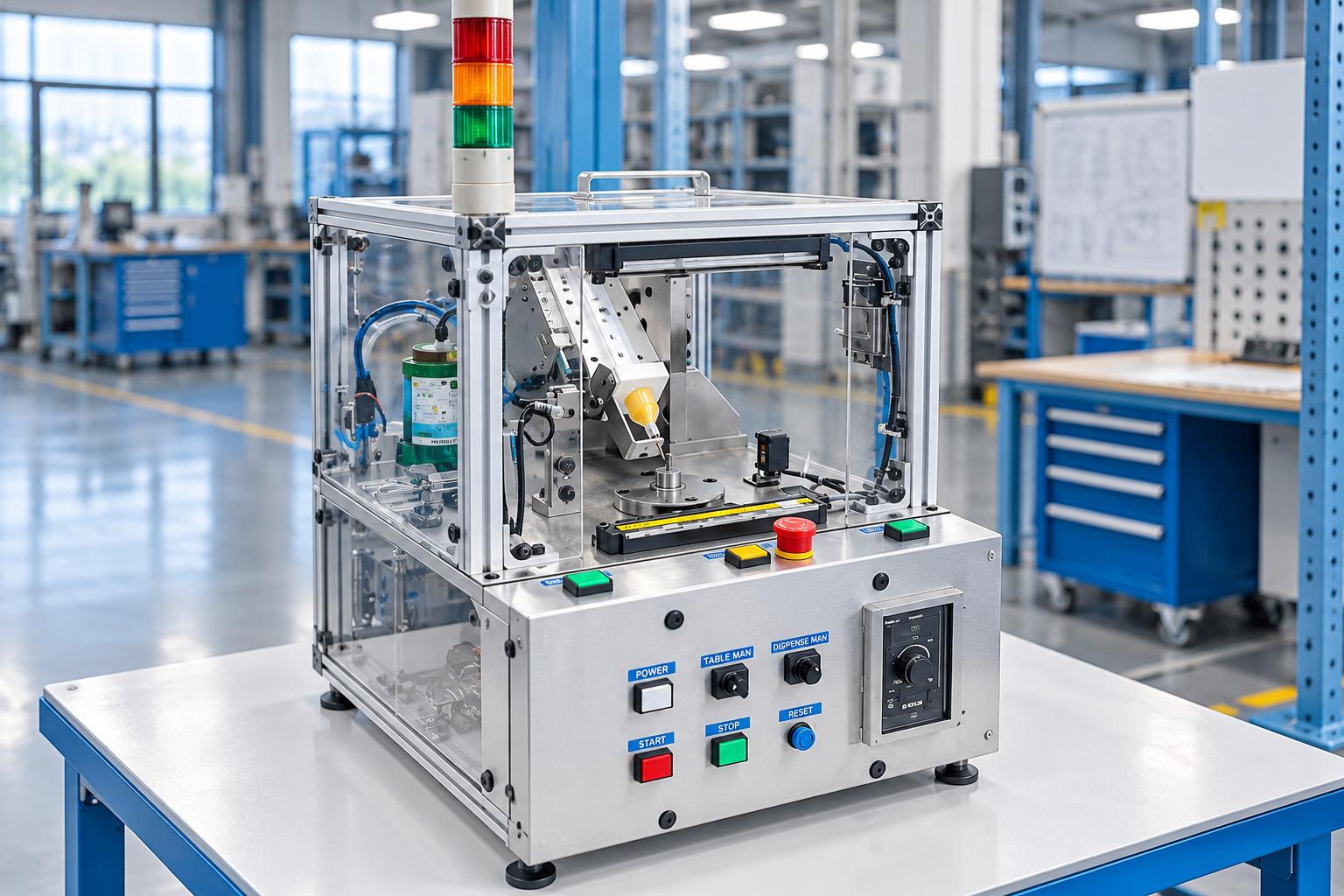
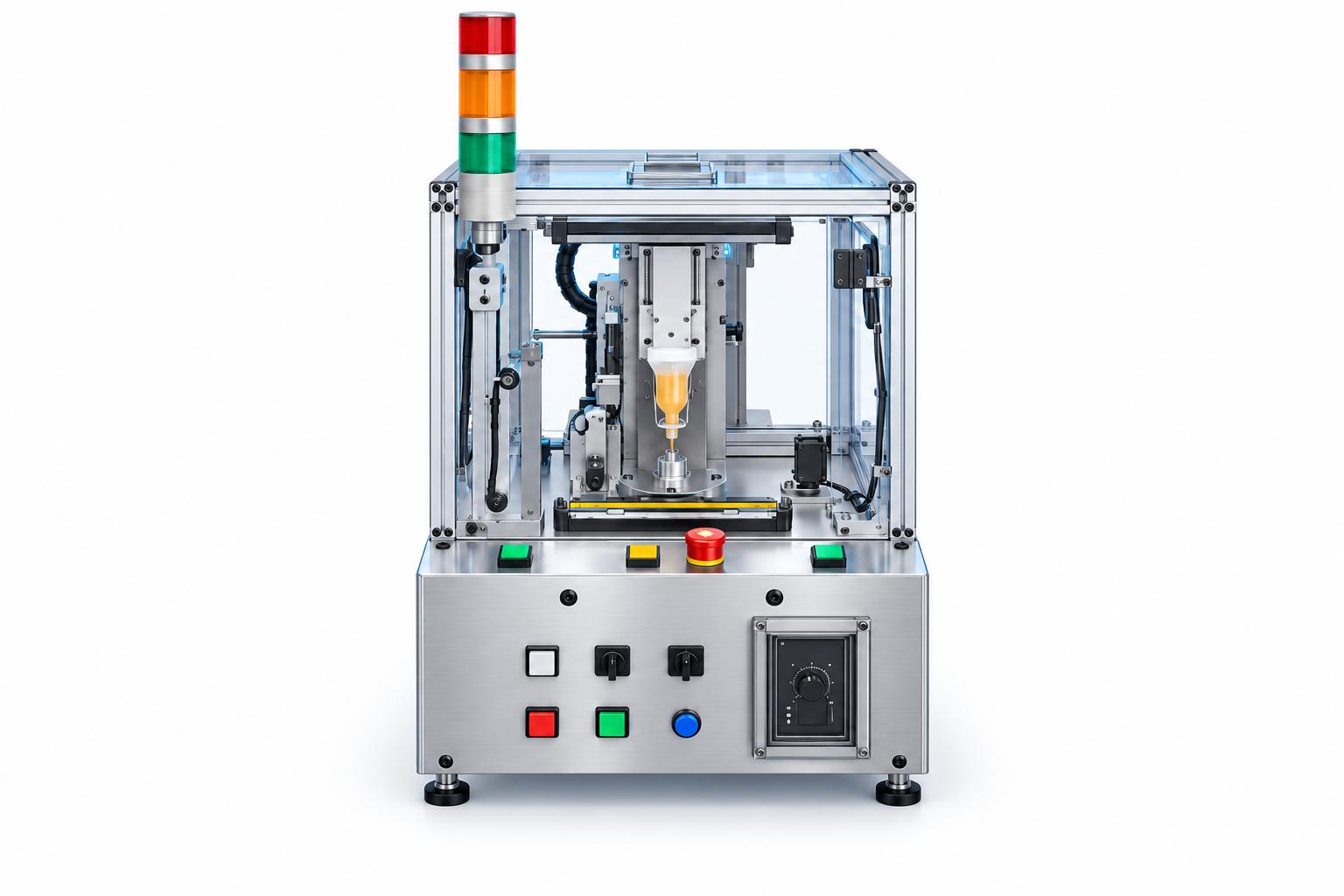
Semi-automatic gear greasing machine
Semi-automatic gear greasing machine performs grease application before assembly. The operator loads the gear onto the fixture and removes the workpiece after the cycle. The machine coordinates the lowering of the dispensing needle, workpiece rotation, grease dispensing and post-application grease signal inspection. The pneumatic dispensing unit allows air pressure and dispensing time to be adjusted, while rotational speed can also be modified to establish suitable greasing conditions. The workpiece sensor helps monitor operator actions, while the grease sensor checks for a grease signal after application. The inspection scope must be validated using actual samples against defined criteria for application location, grease quantity and distribution area. When selecting the machine, manufacturers should consider gear geometry, positioning methods, grease type, dispensing needle specifications and the overall cycle time, including workpiece loading and unloading. CNC VINA can customize the fixture, grease dispensing mechanism and inspection method to meet specific requirements. The feasibility of applying the same principle to other rotating components is assessed through workpiece evaluation and sample testing to ensure suitability for the production process.
VIETNAM CNC & TECHNOLOGY APPLICATION JOINT STOCK COMPANY
Hotline: +84.916 63 9355 / +84.915 74 4664
Email: Sales01@cncvina.com.vn / Sales03@cncvina.com.vn
Product description

Semi-automatic gear grease application machine, designed and manufactured by CNC VINA, is used to apply grease to designated areas of gears before assembly. The machine integrates a positioning fixture, a gear rotation mechanism, and a pneumatic grease dispensing system to standardize the greasing process and reduce manual operations. The operator places the gear onto the fixture, starts the cycle, and removes the workpiece once the process is complete. Grease dispensing pressure, dispensing time, and rotation speed can be adjusted to meet the requirements of different products. The integrated sensor system detects workpiece presence and checks for grease after application, helping manufacturers monitor and control the production process.
What is a gear grease application machine?
A gear grease application machine is a device designed to apply lubricating grease to specified areas of gears before assembly. It combines a positioning mechanism, gear rotation, and grease dispensing to control the application position, standardize the operating sequence, and support post-application inspection.
The role of gear grease application machines in manufacturing
During assembly, manual grease application requires operators to hold the workpiece, identify the application area, and apply grease to the gear surface. When performed repeatedly, the amount and position of the applied grease may vary depending on the operator's technique. Using a gear grease dispensing machine helps manufacturers standardize this process. The fixture holds the workpiece in a defined position, the rotation mechanism drives the gear, and the dispensing nozzle applies grease according to preset parameters. Dispensing pressure, dispensing time, and rotation speed can be adjusted to suit the characteristics of each product.
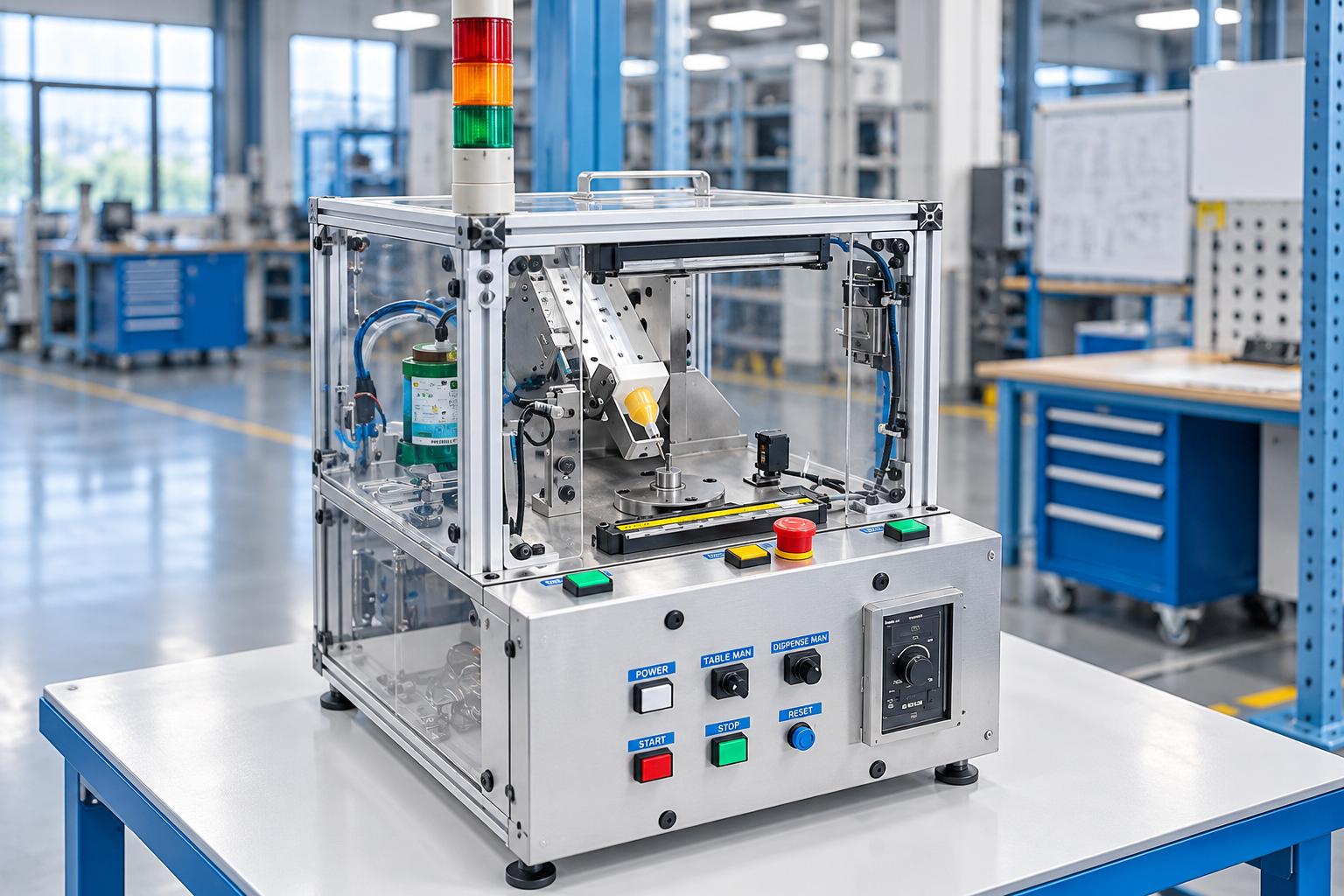
In addition to grease dispensing, the machine is equipped with sensors to detect the presence of a workpiece and check the grease signal after application. The control system provides alarms for certain out-of-sequence operations, helping operators monitor the machine status and reduce the risk of missed process steps.
Key features of the semi-automatic gear greasing machine
The CNC VINA semi-automatic gear greasing machine integrates a positioning fixture, a gear rotation mechanism and a pneumatic grease dispensing system into a single workstation. The machine allows grease application parameters to be adjusted according to the workpiece characteristics and incorporates sensors to monitor the operating sequence and perform post-application checks. Its main features include:
- Gear positioning with a fixture: Holds the workpiece in a defined position, helping maintain the distance between the dispensing needle and the target greasing area during operation.
- Grease application with workpiece rotation: A motor rotates the gear while the dispensing needle delivers grease, allowing grease to be applied to the designated area according to the configured operating parameters.
- Adjustable grease dispensing settings: Air pressure, dispensing time and rotational speed can be adjusted to suit the grease type and the requirements of each product.
- Pneumatic dispensing head movement: A pneumatic cylinder moves the dispensing head into the working position and retracts it after grease application is complete.
- Post-application grease signal detection: A sensor performs a check during the post-dispensing rotation step, helping detect the presence or absence of grease at the inspection point.
- Sequence-based control and alarms: The system integrates workpiece detection, manual and automatic operating modes, an emergency stop button and alarm functions for out-of-sequence operations.
With these functions, the gear greasing machine helps reduce direct manual grease application, standardize the process and improve control of the pre-assembly stage. Actual performance depends on the gear characteristics, grease type and configured operating parameters.
Structure and technology of the gear greasing machine
The gear greasing machine is designed with mechanical, pneumatic and control assemblies that work together within a single operating cycle. These assemblies perform workpiece positioning, rotational movement, grease dispensing and post-application signal checking. The specific configuration is selected according to the workpiece characteristics and production process requirements.
Gear fixture and rotation mechanism
The fixture holds the gear in the working position, allowing the dispensing needle to access the designated greasing area. The fixture design must match the workpiece geometry, ensure reliable positioning and facilitate manual loading and unloading. The rotation mechanism uses a motor in combination with a speed reducer and a belt drive connecting the pulleys. A speed controller allows the rotational speed to be adjusted to coordinate with the grease dispensing process. When changing to a different gear type, the fixture, dispensing needle position and workpiece rotation capability should be reassessed.
Pneumatic grease dispensing unit and dispensing needle
The pneumatic grease dispensing unit uses compressed air to deliver grease from the reservoir through the dispensing needle to the designated area on the gear. Air pressure and dispensing time are adjusted through the control system and coordinated with rotational speed to establish a suitable greasing cycle. The dispensing needle is positioned according to the target area on the workpiece. Needle dimensions, grease properties and dispensing conditions affect the actual amount of grease applied. Therefore, the operating parameters should be determined through sample testing before the machine is introduced into production.
Dispensing head lifting and lowering assembly
The lifting and lowering assembly uses a pneumatic cylinder to move the dispensing needle into the greasing position and retract it after dispensing is complete. The needle and grease tube holder incorporates a locking mechanism to secure their positions during operation. The cylinder stroke and clearance between the dispensing needle and the gear must be set appropriately. This allows the dispensing head to reach the required area while reducing the risk of collision with the workpiece during operation.
Sensor and control system
The control system coordinates signals from the workpiece detection sensor, grease sensor and actuators to execute the greasing cycle. The workpiece sensor confirms that a gear has been placed at the workstation before the cycle starts. After grease dispensing, the machine continues rotating the workpiece so that the grease sensor can perform an inspection and transmit the result signal. The machine is equipped with control buttons, indicator lights and an audible alarm to help operators monitor its operating status. The system also includes an emergency stop button, protective guarding and sensors for safeguarding the operating area. The grease sensor performs checks within the detection capabilities of the configured system. It does not replace quantitative grease measurement or a comprehensive assessment of grease distribution across the entire target area. Any additional inspection requirements should be defined during machine design and testing.
Operating principle of the gear greasing machine
The semi-automatic gear greasing machine operates through a sequence that combines manual workpiece loading and unloading with machine-controlled grease dispensing and inspection. The control system coordinates the movements of the dispensing needle, rotation mechanism and grease dispensing unit to complete the operating cycle. The operating process consists of the following steps:
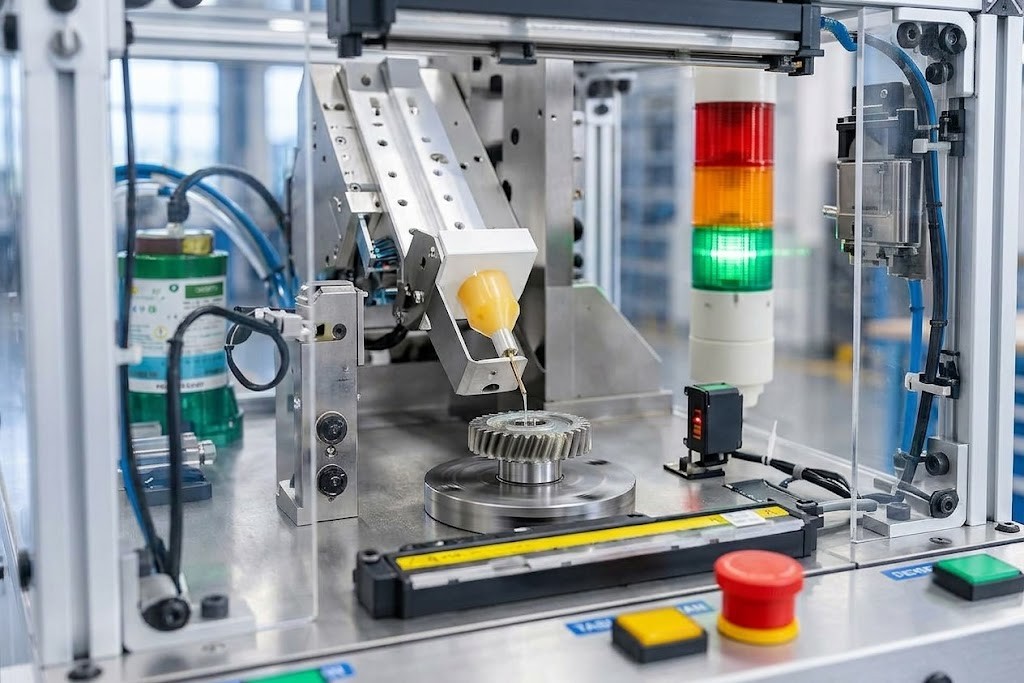
- Load the gear: The operator places the workpiece on the fixture. A sensor confirms that a workpiece is present at the workstation.
- Start the cycle: The operator presses both Start buttons simultaneously when the machine is in a ready-to-operate state.
- Position the dispensing needle and apply grease: The cylinder lowers the dispensing head into the working position. The motor rotates the gear while the dispensing unit delivers grease through the needle.
- Complete grease dispensing: The dispensing unit stops, and the cylinder retracts the dispensing head to its initial position.
- Perform post-application inspection: The gear continues rotating while the sensor checks the grease signal. The system reports the result according to the configured control logic.
- Unload the workpiece: The motor stops, and the operator removes the gear from the fixture before preparing for the next cycle.
In addition to the main operating cycle, the system provides alarms for certain operating conditions, including attempting to start the machine without a workpiece, requiring reapplication when the workpiece has not been removed, or loading and then removing a workpiece without performing the greasing operation. These functions help control the operating sequence at the workstation. The system response to each condition should be verified during commissioning and acceptance testing.
Industrial applications of the gear greasing machine
The gear greasing machine is used in processes that require lubricant grease to be applied to components before assembly. It is suitable for gears that can be positioned using a fixture, have accessible greasing areas for the dispensing needle, and require workpiece rotation during grease dispensing or inspection.
Gear greasing before assembly
This is the machine's primary application. The gear is placed on the fixture, grease is applied to a designated area, and the post-application grease signal is checked before the workpiece proceeds to the next process. Using the machine helps standardize the greasing sequence, reduce dependence on manual operations and support workpiece status monitoring at the workstation.
Applications in drive mechanism manufacturing
In the production of small drive assemblies, greasing can be performed before the gear is installed in the completed mechanical assembly. Using gear grease dispensing equipment allows manufacturers to establish a dedicated greasing station, clearly define the target application area and identify surfaces that must remain clean. The fixture, dispensing needle and dispensing settings are selected according to the workpiece characteristics and assembly requirements.
Adaptation for other rotating components
The principle of combining workpiece positioning, rotation and grease dispensing can also be considered when designing equipment for other rotating components that require localized grease application. However, each component has its own geometry, greasing locations and inspection requirements. The feasibility of each application must be evaluated through workpiece assessment, fixture design and practical testing before the equipment design is finalized.
Technical specifications of the gear greasing machine
The CNC VINA semi-automatic gear greasing machine operates on a 220 V AC power supply and uses a pneumatic system to control the dispensing head and deliver grease to the workpiece. Air pressure, grease dispensing time and gear rotational speed can be adjusted according to process requirements. The following table presents reference specifications for the machine configuration described.
| Item | Technical specification |
|---|---|
| Operating mode | Semi-automatic |
| Main power supply | AC 220 V, single-phase |
| Control voltage | DC 24 V |
| Main air supply pressure | 0.5 MPa |
| Grease pump air pressure | 0.2 ± 0.025 MPa |
| Reference cycle time | 3 seconds |
| Rotation mechanism | Motor, speed reducer and belt drive |
| Rotational speed adjustment | Available |
| Grease dispensing adjustment | Pressure and dispensing time |
| Dispensing head movement | Pneumatic cylinder |
| Sensor system | Workpiece detection sensor and grease sensor |
| Control modes | Manual and automatic |
Note: The main air supply pressure and grease pump air pressure are two different parameters. The 3-second cycle time is a reference value specified on the drawing and does not fully account for the operator's workpiece loading, unloading and handling time. Actual specifications must be confirmed according to the machine configuration and production conditions.
Key criteria for selecting a gear greasing machine
The selection of a gear greasing machine should be based on the workpiece characteristics, the type of grease used and the requirements of the assembly process. Properly identifying these factors helps manufacturers select a suitable fixture, grease dispensing mechanism and inspection method while minimizing design modifications when the machine is introduced into production.
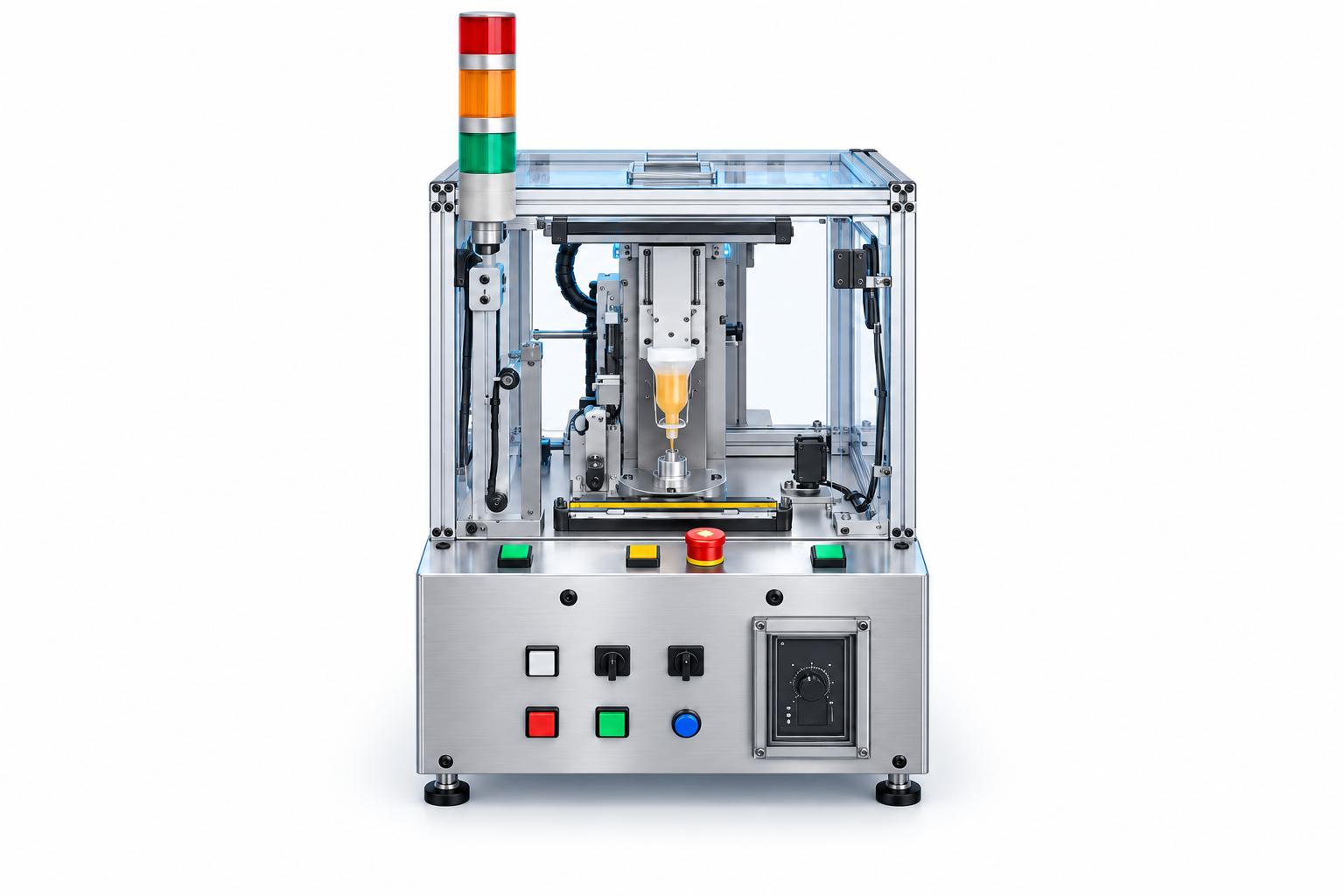
Greasing locations and positioning methods
Before designing the machine, the target greasing locations, application width and surfaces that must remain free of grease should be identified. Gear geometry also affects fixture layout, dispensing needle accessibility and rotational movement during grease application. For production lines handling multiple gear types, manufacturers should assess whether a common fixture can be used or dedicated fixtures are required for different product groups. The selected solution must ensure proper workpiece positioning and facilitate loading and unloading.
Grease type and dispensing settings
Grease properties directly affect its ability to flow through the dispensing needle and its distribution on the gear surface. Therefore, the grease type should be determined before selecting the dispensing needle and establishing the operating parameters. Air pressure, dispensing time and rotational speed must be adjusted based on sample testing. Manufacturers should also define the target grease quantity, required distribution area and permissible excess grease to establish clear criteria for post-application quality assessment.
Production cycle time and inspection requirements
When selecting a semi-automatic greasing machine, manufacturers should consider the actual production cycle time of the line. The time required to complete one workpiece includes not only the greasing cycle but also loading, unloading and other related operations. In addition, post-application inspection requirements must be clearly defined. The grease sensor in the described configuration detects a grease signal at the inspection point but does not provide confirmed functionality for accurately measuring grease quantity or evaluating distribution across the entire target area. These requirements must be assessed separately when selecting an appropriate inspection solution.
Operating and maintenance guidelines for the gear greasing machine
The gear greasing machine requires regular inspection and maintenance to maintain the performance of its mechanical, pneumatic and control systems. Following the correct operating procedures also helps reduce problems involving the dispensing needle, fixture and sensors during production.
Pre-operation inspection
Before starting the machine, the operator should check the power supply, compressed air supply, grease level in the feed tube, dispensing needle condition and fixture position. Sensors, control buttons and protective devices must be ready for operation in accordance with the handover instructions. When changing the gear type or lubricant, the dispensing settings and greasing results should be rechecked using sample workpieces before production resumes.
Maintenance of machine components
During operation, the dispensing needle, fixture and sensor areas should be kept clean to minimize interference with grease delivery and workpiece detection. Components such as pneumatic cylinders, drive belts, pulleys, bearings and motors should be inspected according to the maintenance schedule. Air leaks, emergency stop operation and protective devices should also be checked regularly. Before cleaning, adjusting or replacing any component, stop the machine and isolate the electrical and pneumatic supplies in accordance with the applicable safety procedures. Never reach into moving areas while the machine is operating.
Frequently asked questions about the gear greasing machine
The following are common questions manufacturers may have when evaluating a semi-automatic gear greasing machine for assembly operations.
Does the gear greasing machine automatically load and unload workpieces?
The described configuration requires the operator to load and unload gears manually. Once the operator starts the cycle, the machine performs grease dispensing, rotation-based inspection and result signaling automatically. If automatic loading and unloading are required, manufacturers can request an assessment of additional automation options.
Can the gear greasing machine adjust the amount of grease applied?
The machine allows air pressure and dispensing time to be adjusted to establish the greasing conditions. However, the actual grease quantity also depends on grease properties, dispensing needle specifications and operating conditions. Testing with actual workpieces is necessary to determine suitable parameters.
Can the machine handle multiple gear types?
The machine can be designed for multiple gear types depending on their geometry, dimensions and greasing locations. Some products may share a fixture, while others may require different fixtures or dispensing needles. Compatibility must be confirmed through product assessment and trial runs.
Can the grease sensor accurately measure the amount of grease after application?
The described configuration uses a sensor to check the grease signal after application; direct measurement of grease quantity has not been confirmed. If the process requires quantitative inspection or grease distribution assessment, an appropriate supplementary inspection method must be specified.
Does the 3-second cycle time represent the machine's actual production capacity?
No. This is a reference cycle time specified on the machine drawing. Actual production capacity must account for workpiece loading, unloading and other auxiliary operations at the workstation. Manufacturers should evaluate the operating cycle under the intended production conditions.
CNC VINA – Custom-designed and manufactured gear greasing machines
With experience in industrial machine design, manufacturing and automation systems, CNC VINA provides gear greasing machine solutions tailored to workpiece characteristics and individual production process requirements. The equipment can be configured with suitable fixtures, grease dispensing mechanisms, rotational movements and inspection methods to meet actual operating conditions. CNC VINA focuses on workpiece assessment, technical requirement definition and testing before finalizing the equipment configuration. The design process aims to achieve reliable operation, ease of use and compatibility with the customer's production line layout. In addition to gear greasing machines, CNC VINA also provides glue application machines, glue dispensing machines and customized industrial automation equipment.
If your company is looking for a semi-automatic gear greasing machine or requires a dedicated greasing workstation, contact CNC VINA for a suitable solution. You can provide technical drawings, gear samples, the grease type and process requirements so that the engineering team can assess the appropriate machine configuration. Clearly defining these conditions helps ensure that the design and testing process aligns with actual production needs.
CNC VIETNAM TECHNOLOGY APPLICATION AND CNC JOINT STOCK COMPANY
Factory: Song Cung Industrial Cluster, Dong Thap Commune, Dan Phuong District, Hanoi, Vietnam.
Office: Rox Tower Goldmark City, 136 Ho Tung Mau Street, Phu Dien Ward, Hanoi, Vietnam.
Tel: +84 916 639 355 / +84 915 744 664.
Website: www.cncvina.com.vn | www.cncvina.net