 Tiếng
Việt
Tiếng
Việt
 Tiếng
Anh
Tiếng
Anh
 Tiếng
Nhật
Tiếng
Nhật




 Tiếng Anh

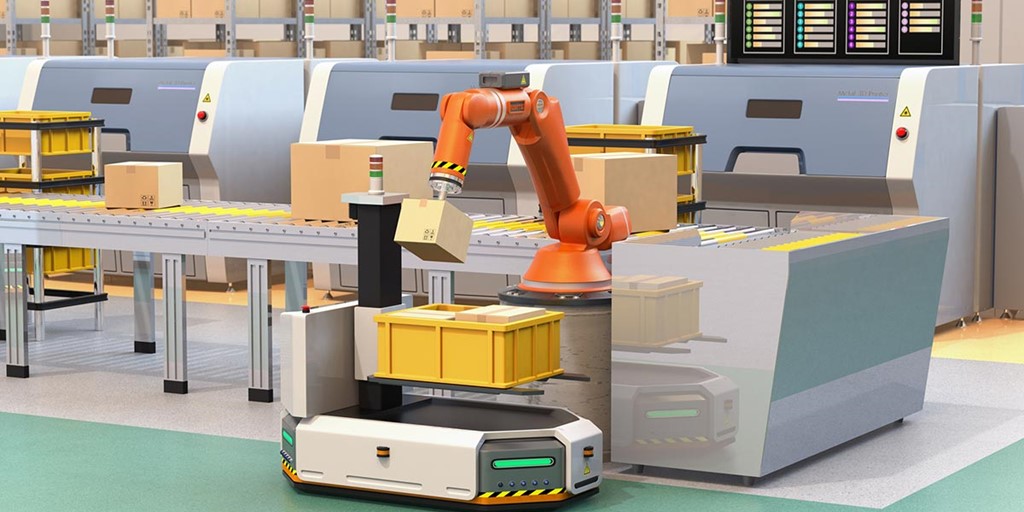
Automatic box packaging line
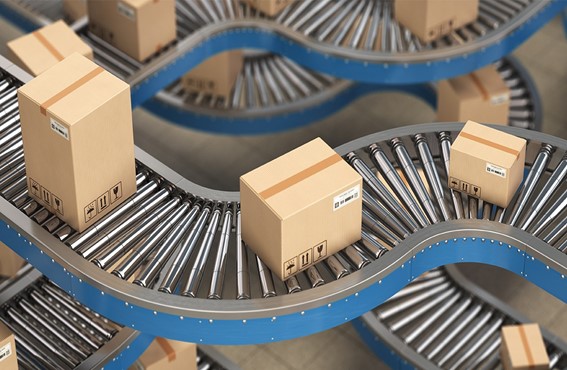
Automatic carton packaging line is a solution that enables manufacturers to automate processes ranging from carton forming and product feeding to case packing, sealing, and palletizing. When the equipment is properly selected and synchronized, the system can help increase productivity, reduce manual handling, and improve control over the packaging process. The performance of the line depends on various factors, including product characteristics, carton specifications, target production output, available floor space, and the required level of automation. Therefore, manufacturers should evaluate the entire packaging process before selecting the equipment configuration and integration solution.
VIETNAM CNC & TECHNOLOGY APPLICATION JOINT STOCK COMPANY
Hotline: +84.916 63 9355 / +84.915 74 4664
Email: Sales01@cncvina.com.vn / Sales03@cncvina.com.vn
Product description

Introduction to automatic carton packaging lines
An automatic carton packaging line is an equipment system designed to carry out a series of packaging processes, from placing products into boxes or cartons to sealing and closing them, with a high level of automation. Depending on the product type and packaging requirements, the line may include equipment such as carton erectors, conveyors, packaging machines, carton sealing machines, as well as inspection and control systems. Integrating these machines into a synchronized system helps maintain a consistent operating sequence, reduce manual handling, and support production output control. The line configuration should be selected based on product dimensions, carton specifications, packaging speed, and the specific requirements of each manufacturing facility.
Manual and automatic carton packaging lines
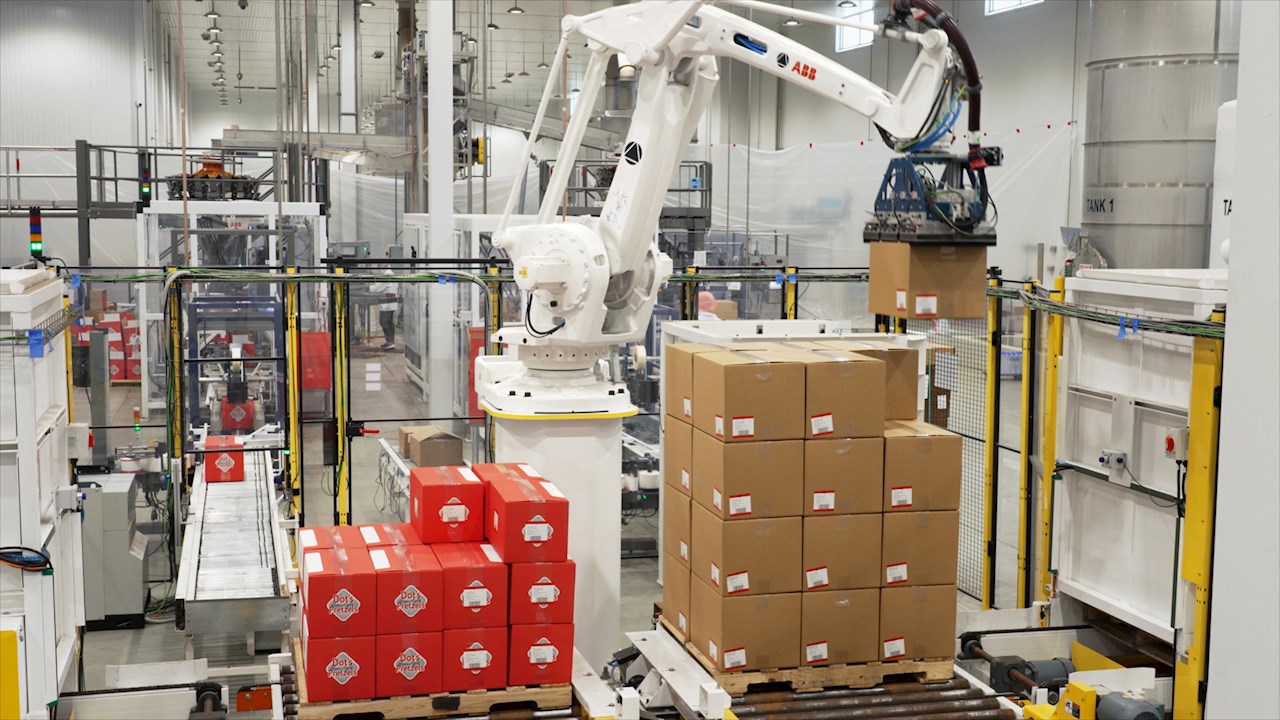
Challenges of manual packaging
Manual packaging is suitable for some operations with low production volumes or frequent changes in packaging specifications. However, as production volume increases or manufacturers need to maintain continuous operations, this method may present certain challenges related to labor requirements, productivity, and packaging consistency.
Time- and labor-intensive
Processes such as carton forming, placing products into cartons, folding carton flaps, and sealing typically require direct manual handling. As production volume increases, manufacturers may need to allocate additional personnel to maintain packaging output, resulting in higher operating costs.
Difficulty maintaining consistency
The results of manual packaging may depend on the handling skills and experience of individual operators. Inconsistent carton folding, product placement, or sealing can affect the appearance and structural integrity of finished packages.
Increased repetitive tasks for operators
Packaging processes involve highly repetitive tasks, particularly when handling large quantities of products over extended periods. Automating suitable processes can reduce reliance on manual handling and allow operators to focus more on monitoring the packaging line.
Limited scalability as production volume increases
With a manual packaging line, increasing production output often depends heavily on the number of workers and working hours. As production demand grows, manufacturers may need to reorganize their workforce or add more packaging stations to achieve the required capacity.
Ability to accommodate changes in packaging specifications
When product dimensions, carton types, or packaging specifications change, manual packaging can be relatively easy to adjust in some cases but remains highly dependent on operator handling. For automatic packaging lines, the ability to change packaging formats depends on the machine design and adjustment range of each piece of equipment.
Advantages of automatic carton packaging lines
An automatic carton packaging line can continuously perform packaging processes at a speed configured according to production requirements. Equipment such as carton erectors, packaging machines, carton sealers, and conveyor systems can be integrated to reduce manual handling and maintain synchronization between processes. When properly configured, the system can help manufacturers increase productivity, reduce reliance on labor for repetitive tasks, and maintain greater consistency throughout the packaging process.
In addition, sensors and control systems allow the equipment to detect the status of products, cartons, and individual processes within the line. When an abnormal condition is detected, the system can issue an alert or perform a predefined response according to its configuration. This enables operators to monitor the line more conveniently and supports better control of the packaging process.
Components of an automatic carton packaging line
An automatic carton packaging line can be configured with different types of equipment depending on the product, carton specifications, and required production capacity. Common equipment includes carton erectors, conveyors, packaging machines, carton sealers, and control systems.
Carton erector
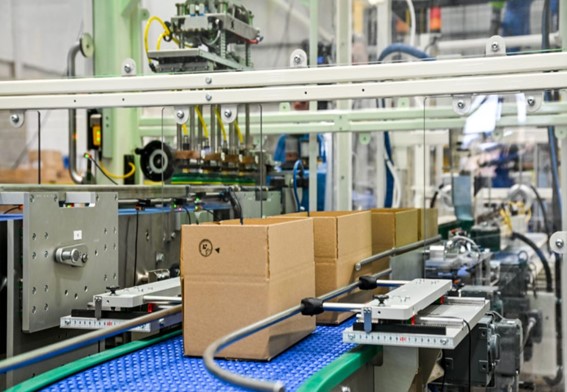
A carton erector automatically picks carton blanks from the carton supply unit, opens and forms the cartons. The machine can then fold and seal the bottom flaps to form complete cartons ready for the next stage. Automating this process helps maintain a stable carton feeding rate and reduces the need for manual carton forming.
Conveyor system
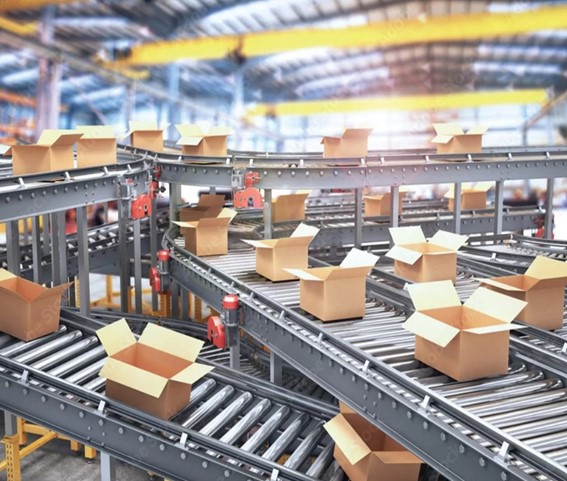
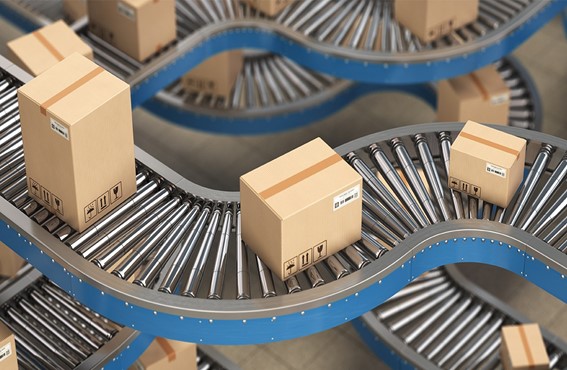
The conveyor system transports cartons between different machines in the packaging line. After being formed and bottom-sealed, the cartons are conveyed to the packaging area or subsequent processes according to the configured operating sequence. The conveyor speed should be adjusted to match the capacity of each machine to minimize congestion or carton shortages at individual processing stations.
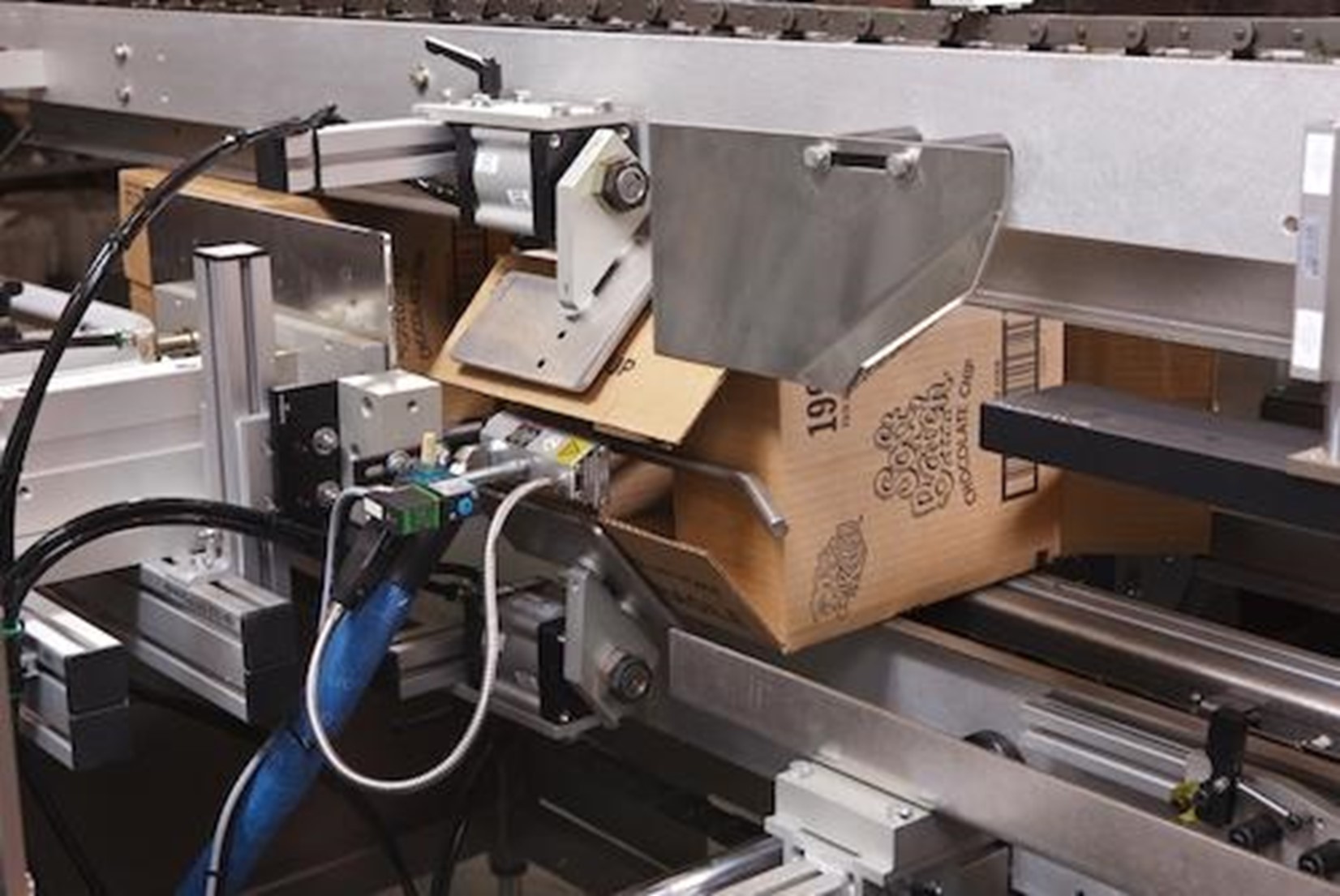
Carton sealing machine
The carton sealing machine performs the folding and sealing of the carton flaps after the products have been placed inside. Depending on the carton specifications and production requirements, the machine can use adhesive tape or another suitable sealing method to ensure that the carton is securely closed before moving to the next stage. Automating this process helps maintain a consistent carton sealing rate and reduce manual handling. The machine automatically seals the carton flaps, helping ensure the strength and security of the carton after the products have been loaded inside.
Product picking robot
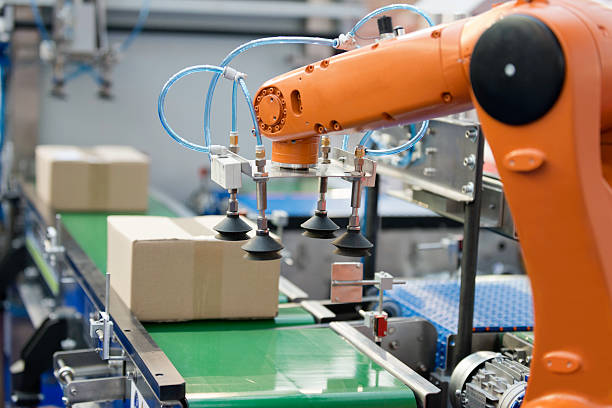
The product picking robot is used to automatically pick products from the feeding position and place them into cartons according to a predefined program. Depending on the product characteristics, the robot can be equipped with a suitable gripper and sensors to ensure accurate and synchronized picking and placement with other equipment in the packaging line.
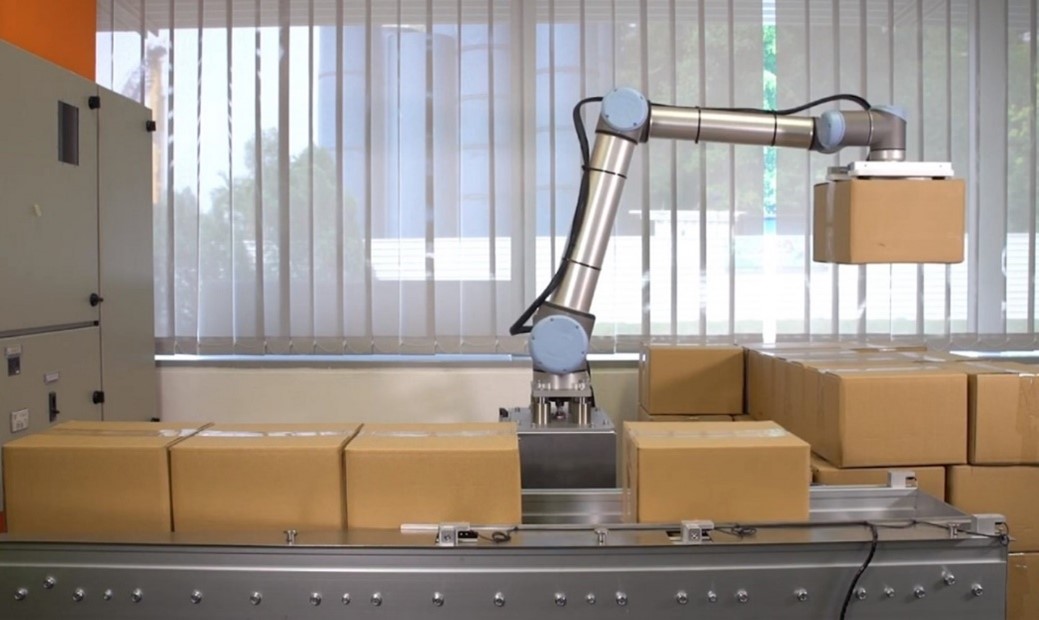
In addition, the robot can be installed at the carton palletizing station to arrange cartons onto pallets, making them easier to handle and transport.

Benefits of automation in carton packaging lines
The adoption of automation should be considered based on production volume, packaging specifications, and the operational requirements of each manufacturing facility. When properly designed, an automated system can provide benefits in terms of productivity, process consistency, and operational control.
Increased productivity
Automated equipment can perform repetitive processes at speeds configured according to production requirements. When the carton erector, product picking robot, carton sealer, and conveyor system are properly synchronized, the line can maintain a more continuous product flow and reduce waiting time between processes.
Improved consistency
Automated equipment performs operations according to predefined programs and parameters, reducing reliance on manual handling for repetitive tasks. More consistent control of product positioning, carton packing, and operating sequences can help maintain greater consistency throughout the packaging process.
Reduced reliance on labor
Automating processes such as carton forming, product picking, carton sealing, and palletizing reduces the amount of direct manual handling required. Operators can focus more on equipment monitoring, quality inspection, and handling unexpected situations.
Improved workplace safety
Some packaging processes require workers to perform repetitive tasks or lift and move cartons for extended periods. Using machines and robots at suitable workstations can reduce direct exposure to these tasks, particularly in carton handling and palletizing areas.
Greater production scalability
As production demand increases, manufacturers can expand line capacity by adding equipment, integrating additional robots, or upgrading the control system, depending on the original line design. The actual scalability depends on available floor space, equipment capacity, and the requirements of each packaging line.
Enhanced monitoring and process control
Automated equipment can be integrated with PLCs, HMIs, sensors, and other suitable control systems. Depending on the system configuration, operators can monitor equipment status, production output, error alerts, and selected operating parameters. This supports faster detection of abnormalities and more effective line management.
Trends in carton packaging automation
Packaging automation is developing toward greater connectivity, improved data monitoring, and more flexible equipment. However, the technologies adopted still depend on production volume, product type, and the specific requirements of each packaging line.
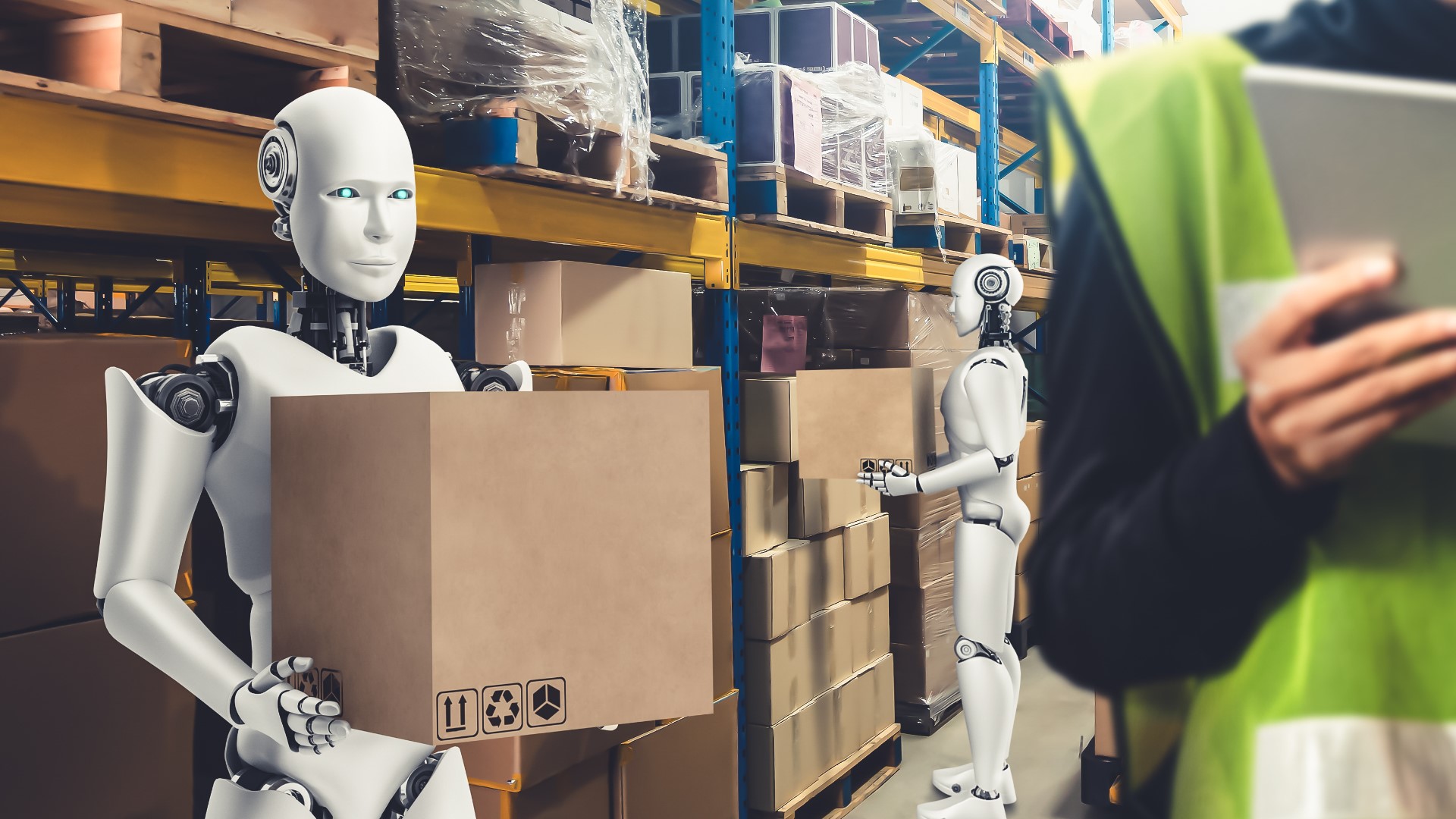
AI and machine vision applications
AI and machine vision technologies can be integrated into certain systems to identify products, inspect packaging, determine product positions, or support defect detection. These technologies are suitable for packaging lines that require automated inspection or need to handle multiple product types.
Robots and collaborative robots
Industrial robots continue to be used for processes such as product picking, packaging, and palletizing, particularly in highly repetitive operations. Collaborative robots can be considered for applications that require interaction between workers and equipment, depending on the safety requirements and overall line design.
Flexible automation
Manufacturing facilities that handle multiple products or frequently change packaging specifications are increasingly interested in systems that can be adjusted quickly. Equipment can be designed with suitable adjustment ranges for product dimensions, carton sizes, or operating programs, allowing the line to accommodate a wider range of production configurations.
Connectivity and data monitoring
Equipment within the packaging line can be connected through PLCs, HMIs, sensors, and suitable data management systems. Information such as machine status, production output, alarms, and downtime can be collected to support operational monitoring and process optimization. The level of connectivity should be selected based on actual management requirements rather than implementing technologies beyond the needs of the packaging line.
Automatic carton packaging lines provide a solution for automating processes ranging from carton forming and product feeding to carton packing, sealing, and palletizing. When the equipment is properly selected and synchronized, the system can help increase productivity, reduce manual handling, and improve control over the packaging process. The performance of the line depends on various factors, including product characteristics, carton specifications, target production output, available floor space, and the required level of automation. Therefore, manufacturers should evaluate the entire packaging process before selecting the equipment configuration and integration solution.
Customers looking for automatic carton packaging lines are welcome to contact:
CNC VIETNAM TECHNOLOGY & APPLICATION JOINT STOCK COMPANY
Factory: Song Cung Industrial Area, Dong Thap Commune, Dan Phuong District, Hanoi, Vietnam.
Office: Rox Tower (Rox Center Goldmark City), 136 Ho Tung Mau Street, Bac Tu Liem District, Hanoi, Vietnam.
Phone: +84.916 63 9355 / +84.915 74 4664
Website: www.cncvina.com.vn ; www.cncvina.net