 Tiếng
Việt
Tiếng
Việt
 Tiếng
Anh
Tiếng
Anh
 Tiếng
Nhật
Tiếng
Nhật



 Tiếng Anh

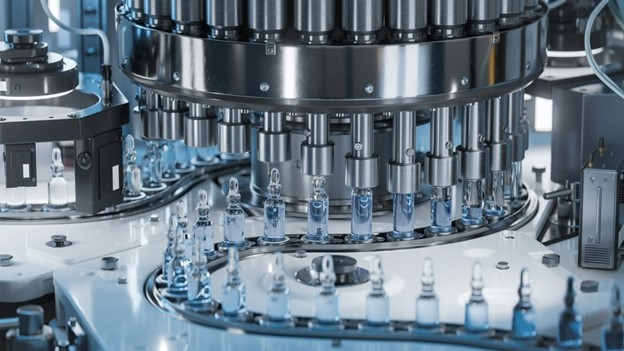
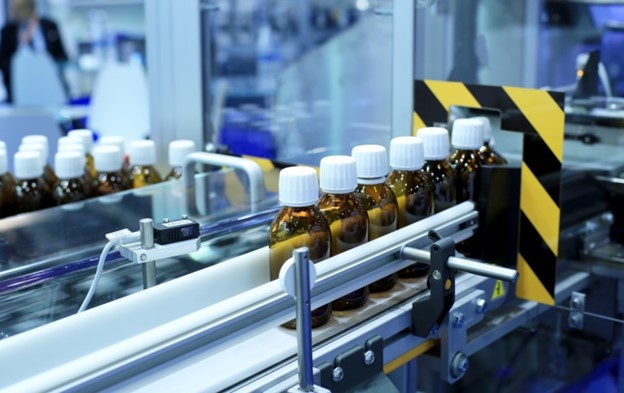
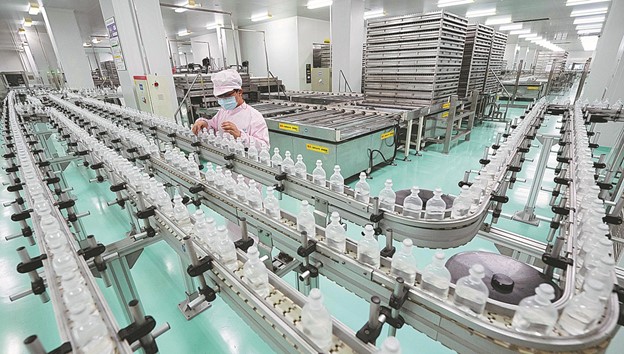
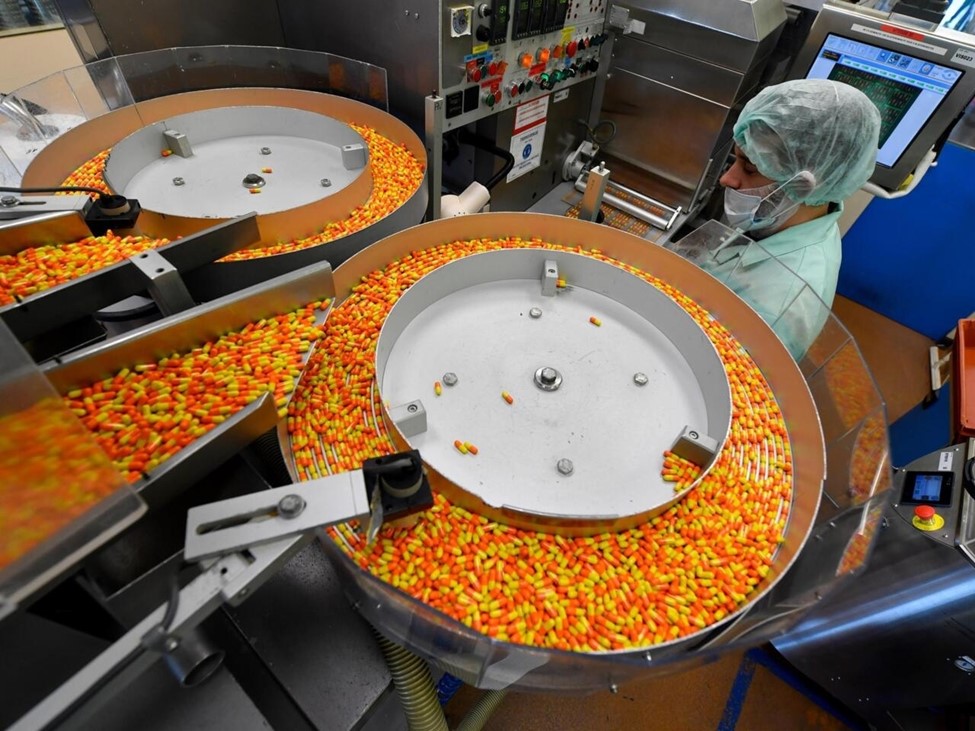
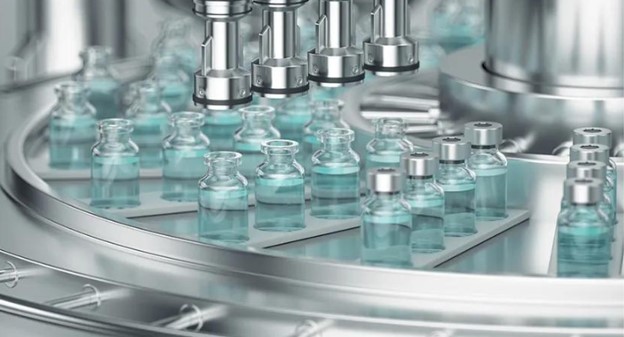
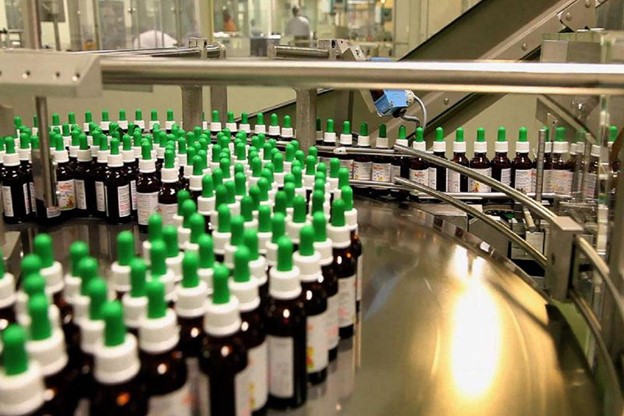
Filling line in pharmaceutical production
The health sector plays an important role in public health care, disease treatment, and disease prevention to ensure a learning and working life. Liquid pharmaceuticals need to be stored in tubes, serums, and tablets need to be stored in bottles with a determined quantity. In addition, the volume needs to be weighed and the dosage adjusted accurately to ensure safety. completely for users. Therefore, an efficient filling line is essential, not only to improve productivity but also to protect the health of users.
VIETNAM CNC & TECHNOLOGY APPLICATION JOINT STOCK COMPANY
Hotline: +84.916 63 9355 / +84.915 74 4664
Email: Sales01@cncvina.com.vn / Sales03@cncvina.com.vn
Product description

A pharmaceutical filling line is an automated system designed to perform packaging feeding, product dosing, and filling into bottles, vials, or other suitable containers. For liquid pharmaceutical products, filling accuracy directly affects product consistency across individual units as well as the overall efficiency of the production line. In addition to meeting throughput requirements, the equipment must also satisfy stringent standards for hygiene, process control, and operational stability during continuous production. Therefore, selecting a filling line configuration that is compatible with the product characteristics and packaging specifications is essential for pharmaceutical manufacturers.
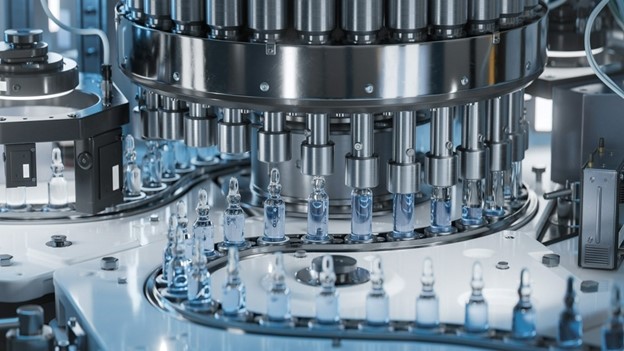
Liquid pharmaceuticals need to be stored in tubes, serums, etc. Pills need to be stored in bottles with a certain quantity, and the volume needs to be weighed and adjusted accurately to ensure Safety for the user. Therefore, an efficient filling line is essential, not only to improve productivity but also to protect the health of users.
The importance of quality and efficiency in pharmaceutical manufacturing
Because of the importance of pharmaceuticals to society, pharmaceutical production activities need to comply with legal requirements and quality standards set out in the Pharmaceutical Law circular, including:
National standards for drugs, medicinal ingredients, and packaging in direct contact with drugs are developed by the Ministry of Health, appraised and published by the Ministry of Science and Technology according to the provisions of the Law on Standards and Technical Regulations. ;
Establishment standards are developed by establishments that produce drugs, medicinal ingredients, and packaging in direct contact with drugs to apply within the scope of their establishment's operations but must not be lower than equivalent national technical regulations. meet regulations in Vietnam Pharmacopoeia. In cases where the Vietnam Pharmacopoeia does not have national technical regulations on drugs, medicinal ingredients, and packaging in direct contact with the corresponding drugs, the basis for developing standards is based on scientific research results or according to regulations. regulations of foreign Pharmacopoeia and approved by the Ministry of Health.
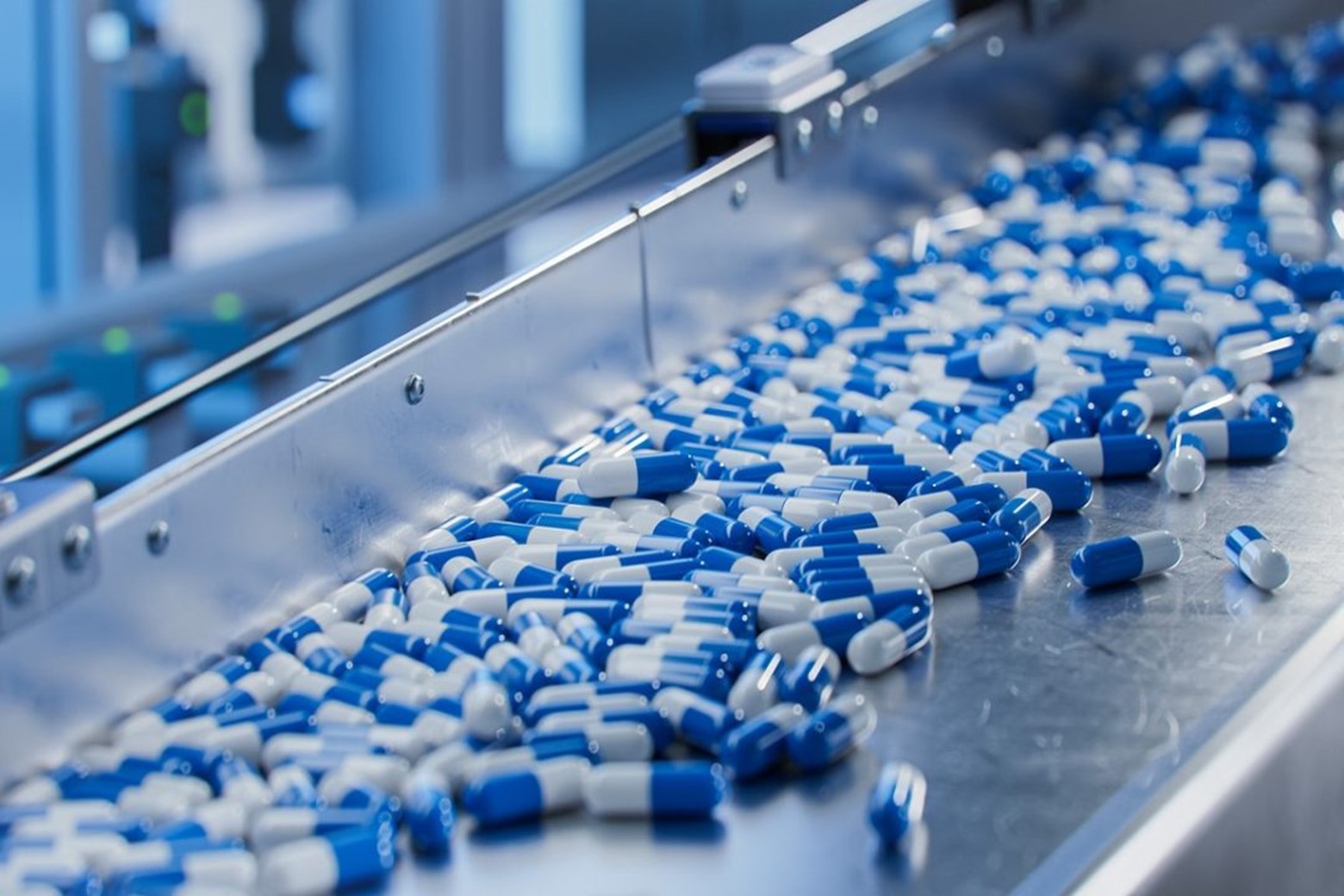
Pharmaceuticals of poor quality, unsafe, and with incorrect dosages when introduced to the market cause harm to users' health, cause confusion, and negatively affect the image of the pharmaceutical industry. Poor quality pharmaceuticals can be due to inefficient production lines or intentionally producing poor quality products, but whatever the reason, it has a negative impact on the market and public health.
For these reasons, pharmaceutical production requires a consistent and reliable filling line that both ensures productivity to meet growing demand and complies with regulatory circulars. about product quality before it reaches the user.
Components of a pharmaceutical filling line
Depending on the product characteristics and packaging specifications, a filling line can consist of multiple interconnected machines and systems. A typical configuration for liquid pharmaceutical products includes a bottle feeding system, filling machine, capping machine, labeling machine, inspection system, and conveyor system.
Bottle and packaging feeding system
The bottle feeding system is responsible for supplying containers to the production line in the correct orientation and at the required spacing before the filling process. The system can be configured to accommodate different bottle or vial sizes, shapes, and materials used in production. Stable container feeding helps minimize misalignment, accumulation, or insufficient bottle supply at the filling station. When integrated with sensors and a control system, the line can detect the status of containers and adjust the operation of related processes accordingly.
Filling machine
The filling machine is the core component of the line, responsible for accurately dosing and dispensing the product into containers. The filling method is selected based on the characteristics of the product, such as viscosity, foaming tendency, and required fill volume. Depending on the application, the system may use different dosing mechanisms, including pumps, pistons, or other specialized filling technologies. The number of filling heads is also determined by the required production capacity. When higher throughput is needed, manufacturers can consider a multi-head filling configuration rather than simply increasing the operating speed of a single filling head.
In addition to dosing accuracy, the filling nozzle design should be suitable for the characteristics of the product. For liquids that are prone to foaming or have high viscosity, the filling method and filling speed may need to be adjusted to minimize their impact on packaging quality.
Capping system
After filling, the bottles are transferred to the capping station to complete the packaging process. The capping system can be designed according to the type of cap and bottle specifications, while being synchronized with the filling machine and conveyor speed. Automating this process helps control the capping sequence and reduce reliance on manual operations. Depending on production requirements, the system can also integrate cap feeding and cap inspection mechanisms.
Labeling machine
After capping, the products can be transferred to the labeling machine. The equipment automatically feeds and applies labels to the bottles at predefined positions, helping maintain consistent product presentation. In an automated line, the labeling machine is integrated with the conveyor system and upstream equipment to maintain an appropriate conveying speed. Depending on the packaging specifications, the system can be configured to accommodate different bottle and label sizes.
Product inspection system
Post-filling inspection can be integrated into the line depending on specific production requirements. Inspection systems may use sensors or specialized equipment to identify products that do not meet predefined criteria. For example, the system can inspect product weight, fill level, or packaging condition, depending on the selected configuration. Products that fail to meet the specified requirements can be automatically detected and rejected from the production line.
Conveyor and control system
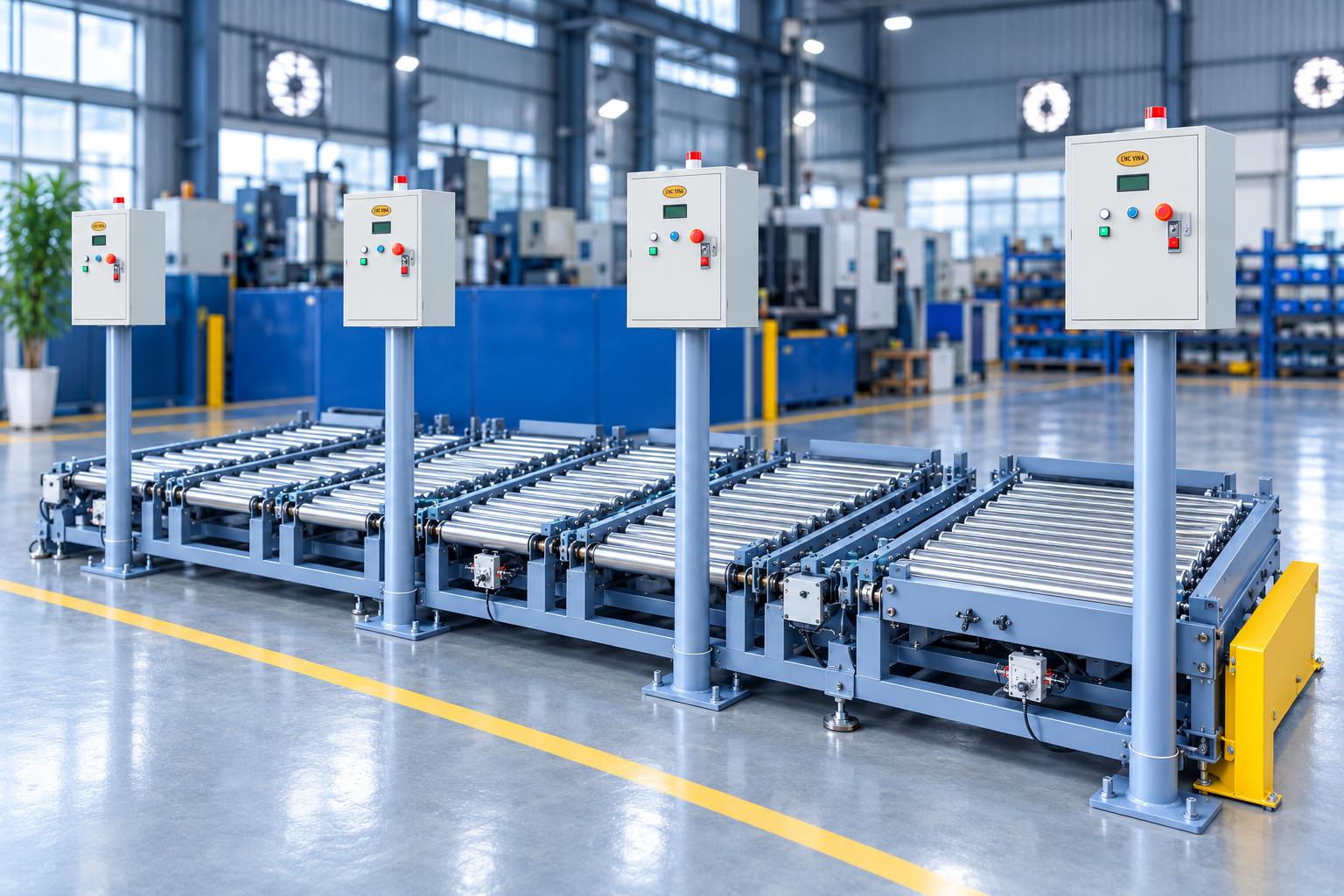
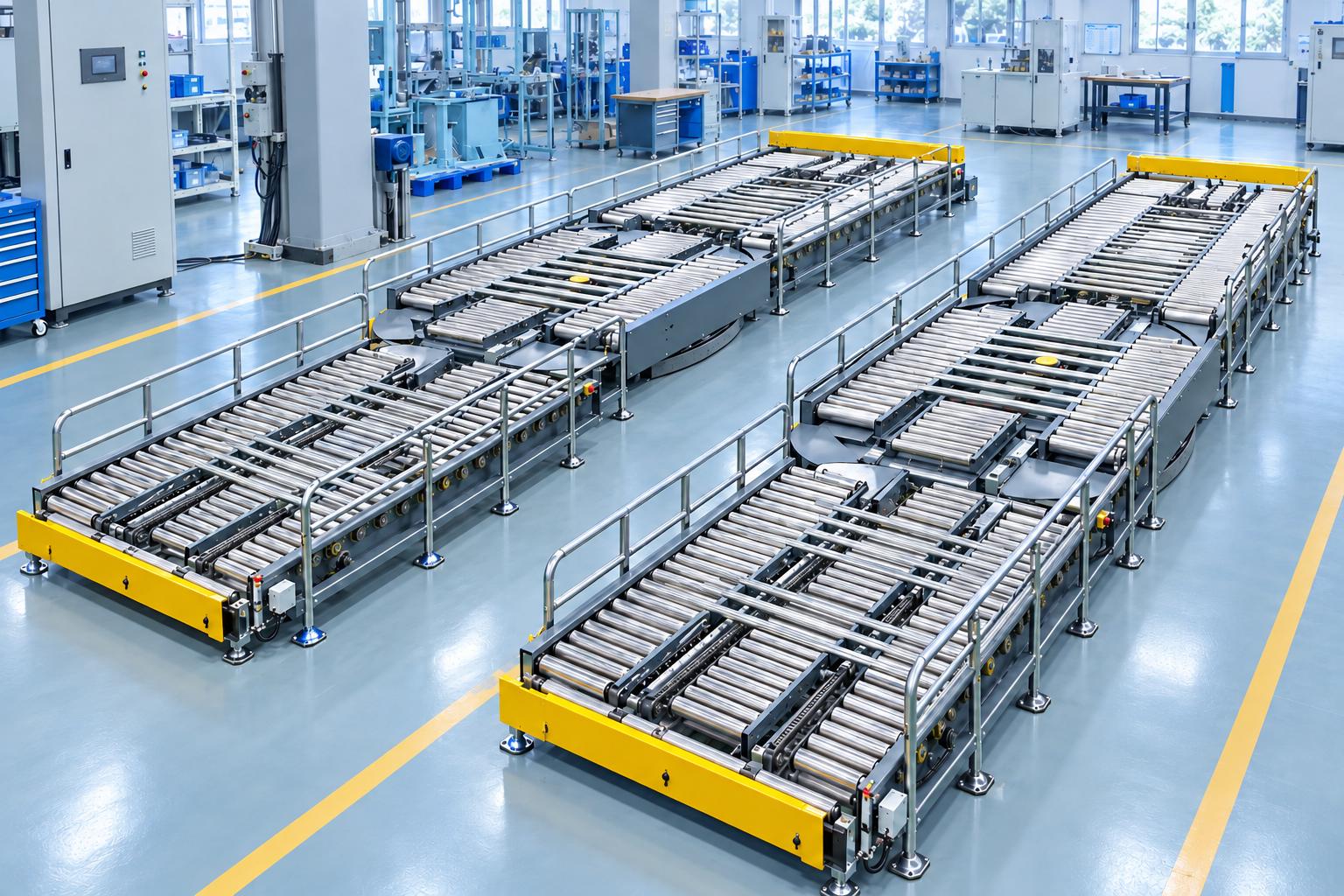
The conveyor system transports bottles between different processing stages while helping the equipment operate in a coordinated sequence. Conveyor speed must be properly calculated and adjusted to match the throughput of the filling machine and downstream equipment. The control system uses PLCs, HMIs, sensors, and other suitable electrical components to manage line operation. Operators can monitor equipment status, adjust permitted operating parameters, and receive alerts when faults or abnormal conditions occur.
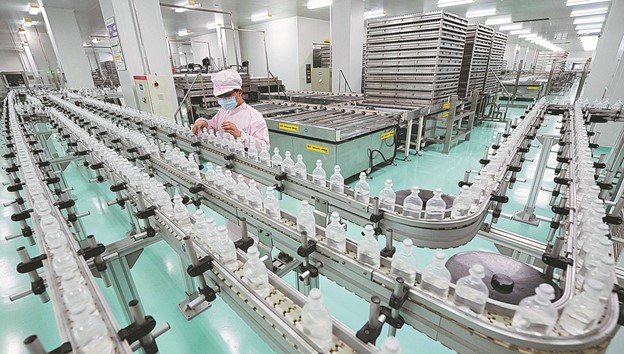
Above are the parts of a fully automatic filling line. With semi-automatic or manual lines, some steps can be replaced by human resources such as packaging, filling or closing. bin. However, for manual filling lines, it will be difficult to ensure productivity, consistency for pharmaceuticals, and hygiene and safety issues due to human factors.
Ensuring quality in the filling line
To be able to ensure quality for the filling line, it is necessary to apply GMP - GOOD MANUFACTURING PRACTICE or Positive Manufacturing Practices.
GMP is a system of good manufacturing practice standards to control factors that can affect the process of forming product quality, to ensure product quality. GMP criteria require manufacturers, processors, and packaging of drugs, medical devices, and certain foods to take proactive steps to ensure their products are safe.
GMP controls the basic elements of the manufacturing process: Personal hygiene, plant, equipment & facilities, manufacturing process, sanitary operations, hygiene standards, handling and storage .
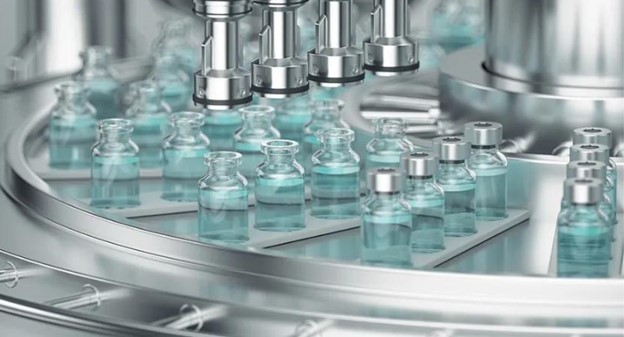
Pharmaceuticals are an item that requires strict control, so for a pharmaceutical filling line to operate, it needs to be inspected and certified by qualified and competent parties. GMP is often applied as the standard for such assessments.
Parts in the filling line are made from stainless materials, do not generate fine dust, each working area is regularly disinfected to ensure the safety and quality of pharmaceuticals . The line can install an additional weight check step after the filling stage to check and detect unsatisfactory products, ensuring product uniformity. When you see an increase in the frequency of defective products, it is necessary to proceed. Carry out timely inspection and repair to the filling area.
Improve efficiency in filling lines
A filling line operates mainly on the process of extracting pharmaceuticals and transporting packaging through stages. Therefore, to improve the efficiency of the line, it is necessary to focus on improving the filling speed while still ensuring stable operation, followed by optimizing the path of the conveyor belt to save time moving the packaging. and save factory space.
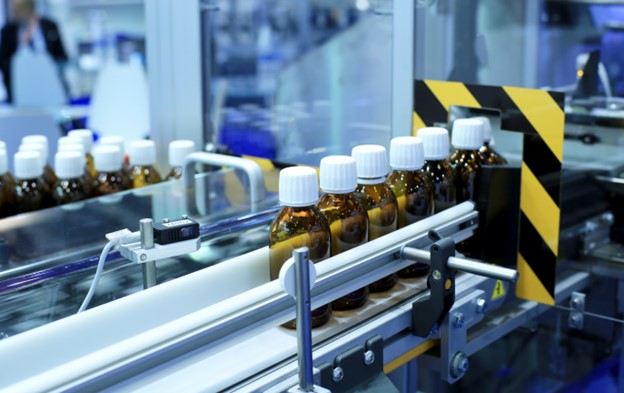
Install and operate the line to ensure proper procedures and labor safety, perform maintenance, and create preventative plans to minimize the time the line has to be shut down due to technical problems.
The line with the highest and most stable working performance is an automation line. Therefore, it is necessary to apply advances in technology to improve the pharmaceutical filling line towards full automation.
Future development trends
New filling trends:
Restructuring the supply chain : The Covid-19 pandemic has dramatically changed the supply chain in the industry, including the liquid filling industry. Many filling facilities have begun to source domestic supplies instead of internationally as before.
Multi-function filling machine : Use single devices that perform multiple operations to reduce space and costs. It can handle 4-6 stages in a filling system, allowing for a smaller operation while still producing a variety of products.
IoT integration : IoT connectivity will enable these machines to communicate with others in the facility, creating a more cohesive and flexible workplace. Workers can also use these features to remotely check maintenance data. As more liquid filling machines feature this connectivity, users will get more value from them.
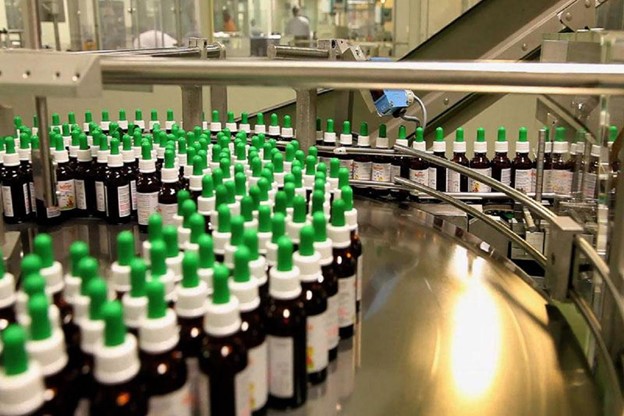
Following the COVID-19 pandemic, the importance of hygiene standards will become even more prominent in the filling industries. As a result, lines with more hygienic features will become increasingly popular.
Demand for sterilization features has increased dramatically over the past year, and this will repeat itself in filling machines. Many manufacturers will be looking for systems with this anti-bacterial feature. Likewise, machines that can be easily disassembled for quick cleaning will also become more popular as cleanliness standards increase.
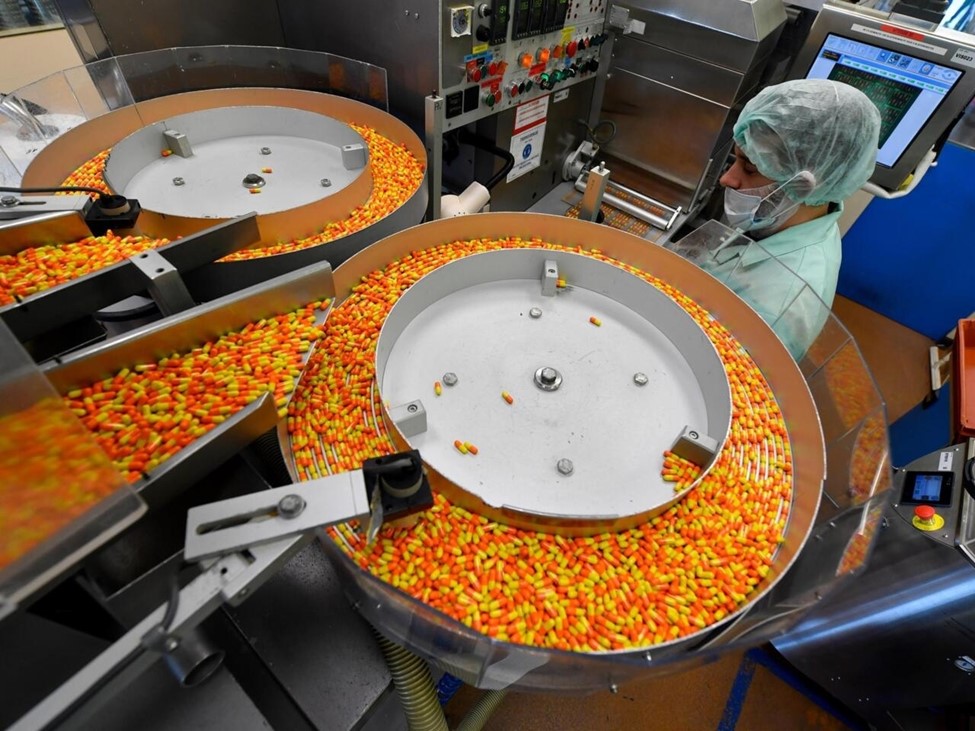
A pharmaceutical filling line should be configured based on product characteristics, fill volume, packaging type, and the plant’s actual production capacity. A fully integrated system covering bottle feeding, filling, capping, labeling, and inspection can help reduce manual operations, maintain consistent performance, and improve process control. In addition to throughput, manufacturers should also consider dosing accuracy, material selection, cleanability, maintenance requirements, and the level of automation when selecting equipment.
With experience in designing and integrating industrial automation systems, CNC VINA can provide consultation on filling line solutions tailored to each manufacturer’s product characteristics, packaging specifications, and production requirements.
Customers who need a filling line in pharmaceutical production, please contact:
VIETNAM CNC & TECHNOLOGY APPLICATION JOINT STOCK COMPANY
Factory: Song Cung Industrial Site, Dong Thap Commune, Dan Phuong District, City. Hanoi Vietnam
Office: Rox Tower (Rox Center Goldmark City), 136 Ho Tung Mau Street, Bac Tu Liem District, Hanoi, Vietnam
Phone: +84.916 63 9355 / +84.915 74 4664
Website: www.cncvina.com.vn ; www.cncvina.net
Email: Sales01@cncvina.com.vn / Sales03@cncvina.com.vn