 Tiếng
Việt
Tiếng
Việt
 Tiếng
Anh
Tiếng
Anh
 Tiếng
Nhật
Tiếng
Nhật




 Tiếng Anh

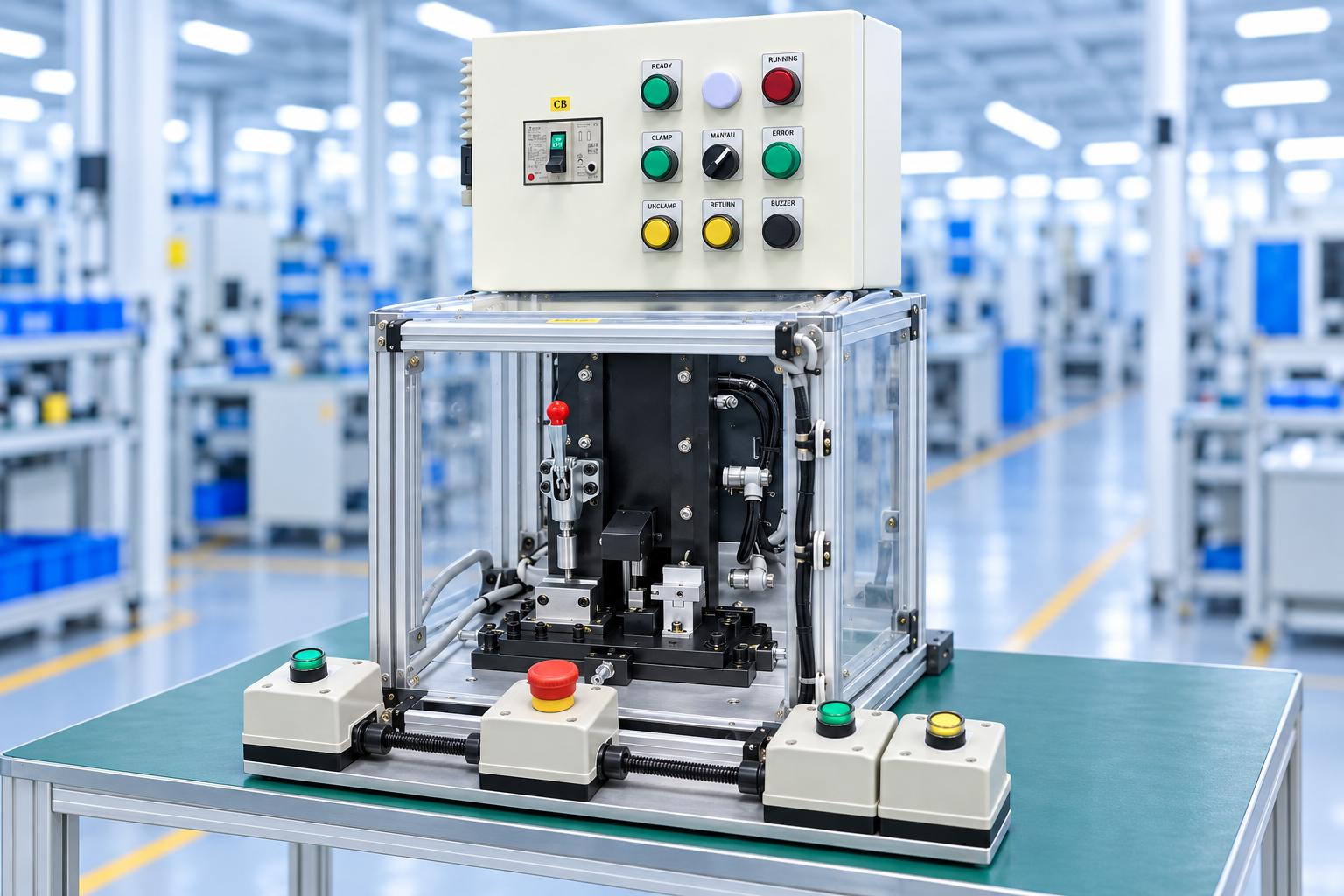

The automatic cable-end ferrule pressing machine
The automatic cable-end ferrule pressing machine is a specialized machine used to press-fit ferrules, sleeves, or similar components onto wire or cable ends at positions defined by a dedicated fixture. The pressing cycle is automatically controlled by a pneumatic cylinder, providing more consistent pressing force and stroke repeatability compared with manual operation. This machine series is designed and customized by CNC VINA for each specific product. Part dimensions, pressing stroke, fixture, pressing force, working position, sensor configuration, and level of automation can all be adjusted according to the requirements of each project.
VIETNAM CNC & TECHNOLOGY APPLICATION JOINT STOCK COMPANY
Hotline: +84.916 63 9355 / +84.915 74 4664
Email: Sales01@cncvina.com.vn / Sales03@cncvina.com.vn
Product description

The automatic cable-end ferrule pressing machine is a specialized machine used to press-fit ferrules, sleeves, or similar components onto wire or cable ends at positions defined by a dedicated fixture. The pressing cycle is automatically controlled by a pneumatic cylinder, providing more consistent pressing force and stroke repeatability compared with manual operation. This machine series is designed and customized by CNC VINA for each specific product. Part dimensions, pressing stroke, fixture, pressing force, working position, sensor configuration, and level of automation can all be adjusted according to the requirements of each project.
Machine structure and main functional components
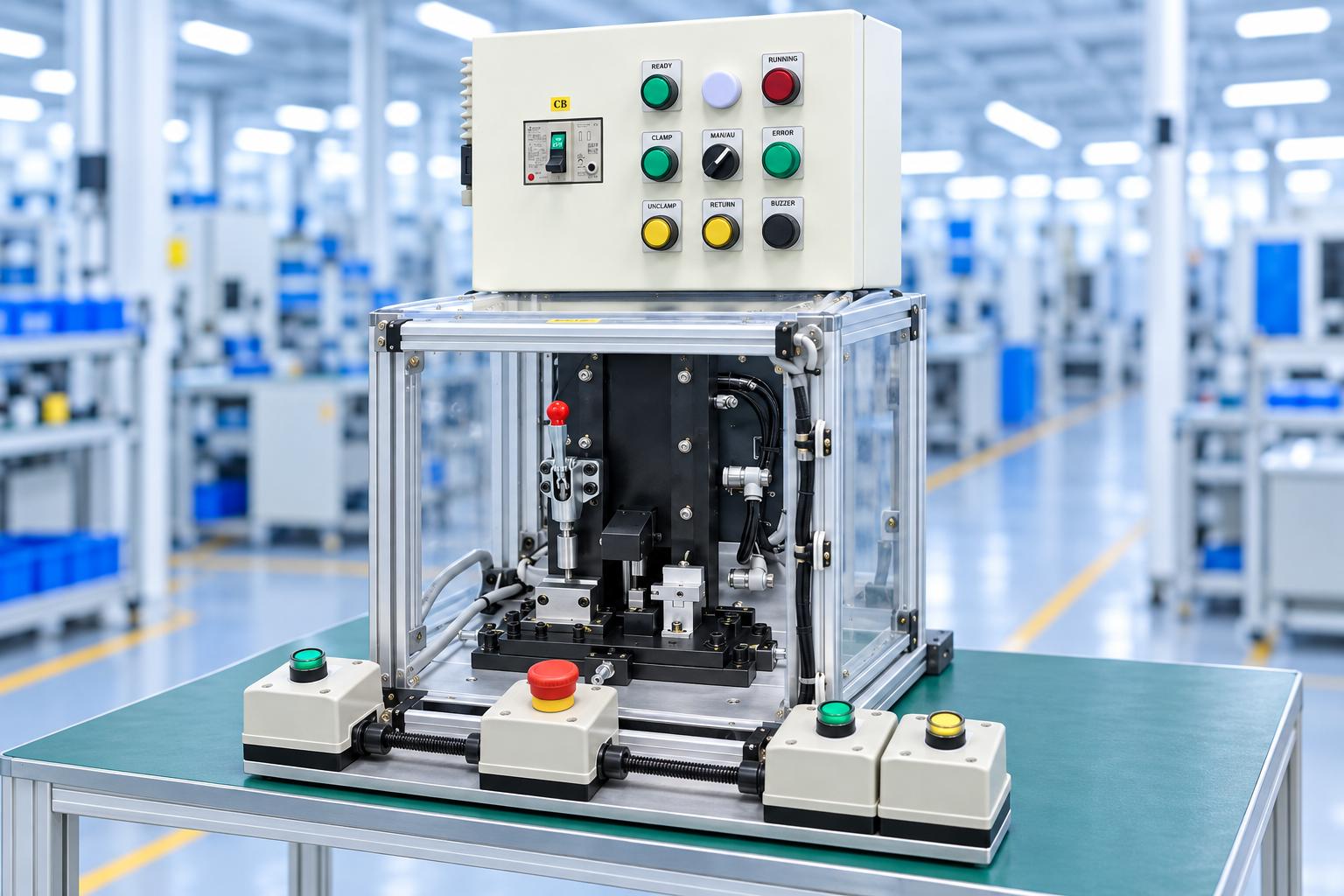
Machine frame and fixture table
The machine features a compact tabletop frame with the working area positioned at the front, allowing the operator to easily load and unload products. The machine table serves as the mounting platform for the fixture, pressing cylinder, clamping mechanism, and sensors.
Product positioning fixture
The fixture holds the product in the correct position before pressing. For different product models, the fixture can be changed to match the product dimensions, shape, and pressing points. The fixture design directly affects positioning stability during each cycle.
Pneumatic cylinder pressing unit
The pressing mechanism uses a pneumatic cylinder positioned along the main pressing direction. The cylinder moves downward to perform the pressing operation and automatically returns to its home position after completing the cycle. Air pressure is monitored to ensure that the machine operates only when the air supply is within the specified range.
Clamping mechanism
The clamping mechanism keeps the product securely in position throughout the pressing process. In the reference configuration, the machine uses a mechanical clamp combined with a dedicated fixture to secure the part before the cycle starts.
Safety area sensor
The area sensor monitors the working area at the front of the machine. If a hand or obstruction remains within the hazardous area while the cycle is running, the system stops or prevents the pressing operation from continuing.
Control panel and two-hand start buttons
The machine is equipped with a dedicated control panel featuring mode selection, ready, home, reset, and clamp control functions. Two start buttons are positioned separately so that the operator must use both hands simultaneously to start the automatic cycle, helping reduce the risk of hands entering the pressing area.
Electrical cabinet and pneumatic system
The electrical cabinet integrates the programmable controller, relays, control power supply, buzzer, and indicator lights. The pneumatic system includes an air filter-regulator, solenoid valve, pressure gauge, and pneumatic accessories for operating the cylinder.
Operating principle
The product is placed in the fixture and secured at the pressing position. Once the system confirms that all conditions are ready, the air pressure is within the required range, and the working area is safe, the operator presses both start buttons simultaneously.
- Place the product in the fixture and secure it with the clamp.
- The system checks the ready status, air pressure, and area sensor.
- The operator presses both start buttons simultaneously.
- The pressing cylinder moves to the working position and performs the pressing operation.
- After reaching the preset stroke, the cylinder automatically returns to its home position.
- The operator releases the clamp, removes the product, and repeats the cycle.
Key features of the automatic cable-end ferrule pressing machine
The machine is designed to stabilize the pressing process, reduce manual operations, and ensure that the operator works within a controlled and monitored working area.
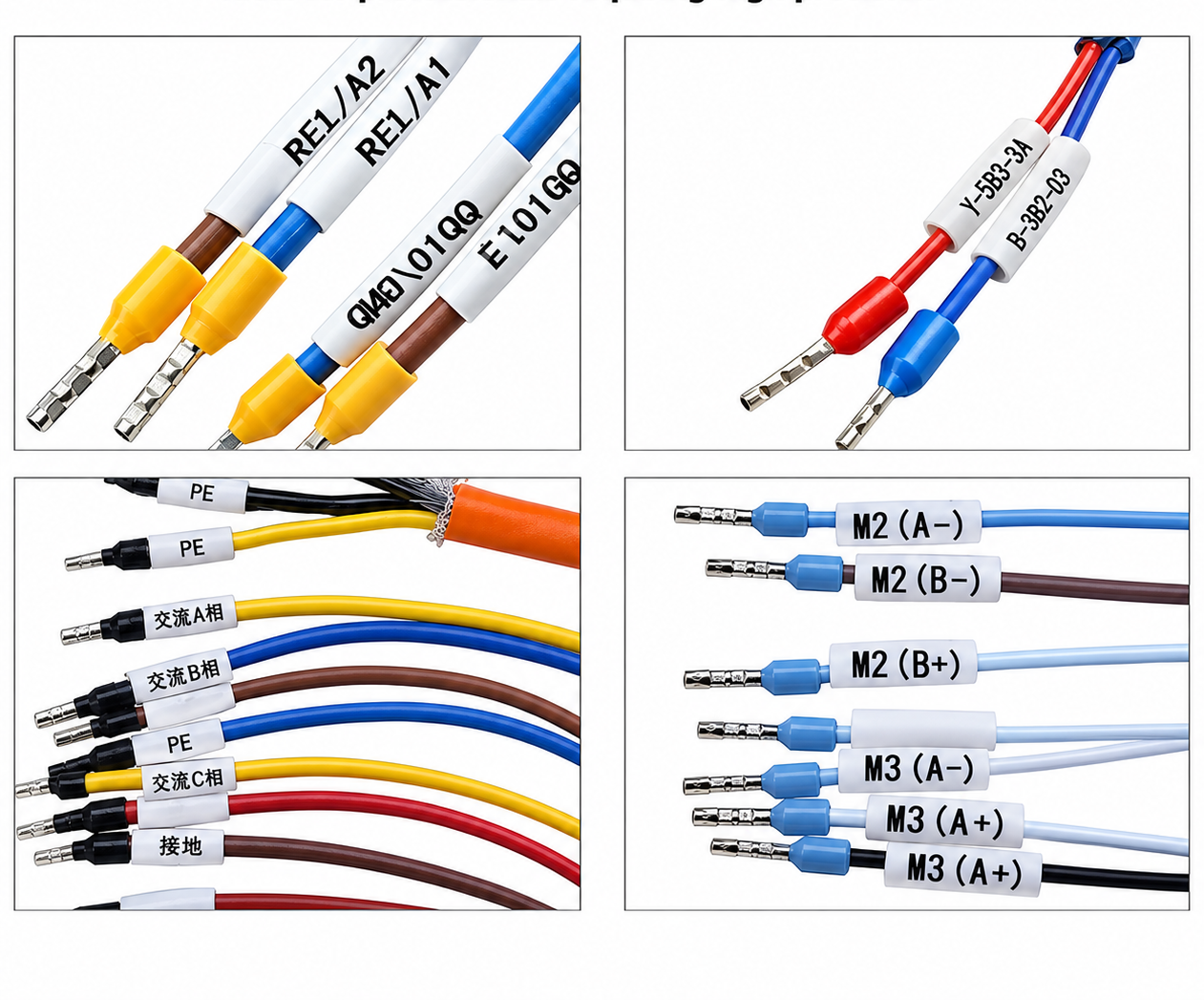
Automatic Pressing Cycle: The cylinder performs the pressing stroke and automatically returns to its home position after completing the operation.
Product-Specific Fixture: Holds wires, cables, or components securely in position during assembly.
PLC Control: Manages the operating sequence and sensor signals.
Two-Hand Start: Two separate push buttons require the operator to use both hands simultaneously to start the cycle.
Safety Area Sensor: Monitors the working area and prevents the cycle from starting when an unsafe condition is detected.
Air Pressure Monitoring: The machine only performs the pressing cycle when the air supply meets the preset conditions.
Manual and Automatic Modes: Supports machine setup, adjustment, inspection, and production operation.
Replaceable Fixture: Suitable for projects involving multiple product models, provided they are within the machine's designed operating range.
Customized Configuration: Machine dimensions, pressing force, stroke, clamping mechanism, and sensor configuration can be customized according to project requirements.
Technical specifications of the automatic cable-end ferrule pressing machine
The specifications below are based on a reference configuration from an actual machine. They are not fixed specifications for every project, as the machine is designed according to the product and assembly requirements.
| Item | Reference Specification |
|---|---|
| Machine type | Automatic cable-end ferrule pressing machine |
| Pressing method | Pneumatic cylinder |
| Overall dimensions | Approx. 300 × 530 × 600 mm |
| Operating height | Approx. 600 mm from floor |
| Number of operators | 1 person |
| Power supply | 1-phase, 220 VAC, 50 Hz |
| Reference power | Approx. 0.1 kVA |
| Control voltage | 24 VDC |
| Air pressure | Approx. 0.4–0.6 MPa |
| Actuator | Pneumatic cylinder |
| Fixture | Product-specific design |
| Safety | Two-hand start, area sensor, emergency stop |
| Control system | Industrial PLC, Mitsubishi as reference configuration |
| Operating modes | Manual / Automatic |
| Pressing force | According to product requirements |
| Pressing stroke | According to product requirements |
Parameters such as pressing force, cylinder stroke, fixture dimensions, and machine structure should be determined based on the actual product. Therefore, manufacturers should not select a machine based solely on its overall dimensions, but should also evaluate the required pressing force, speed, cycle time, and product loading method.
Safety when operating the automatic pneumatic pressing machine
For machines equipped with a pressing mechanism, safety should be considered from the machine design stage rather than added only after the machine has been completed. The pressing area is controlled using safety devices such as an emergency stop button, two-hand start buttons, and an area sensor. The two-hand start function requires the operator to use both hands simultaneously to activate the cycle. This arrangement helps reduce the possibility of one hand remaining inside the pressing area when the machine starts moving. The area sensor detects people or obstructions within the monitored area. If the required safety conditions are not met, the control system can prevent or stop the cycle depending on the machine's safety design. Air pressure is also monitored during operation. If the pressure does not meet the required level, the machine should not perform the pressing cycle, helping prevent insufficient pressing force or an incomplete assembly process.
Applications of the cable-end ferrule pressing machine in manufacturing
The automatic cable-end ferrule pressing machine is suitable for processes that require a component to be pressed onto the end of a wire, cable, or wire harness with stable positioning and pressing force. Typical applications include:
Pressing ferrules and cable-end sleeves
The wire is placed in the fixture, while the ferrule or sleeve is positioned correctly before the cylinder performs the pressing operation. This is a primary application of the machine in wire and cable assembly processes.
Assembling components onto wire harnesses
The machine can be used to press small components onto the ends of wires or cable assemblies after they have been properly positioned. The fixture is designed for each product to minimize movement during pressing.
Replacing manual pressing operations
For repetitive processes with high production frequency, the machine standardizes the product loading, clamping, and pressing sequence while reducing manual force required from the operator.
Assembly Stations and Automated Production Lines
The machine can be configured as a standalone workstation operated by one person or integrated into an automated production line through control signals. Depending on the required automation level, the system can also incorporate product feeding, inspection, or transfer mechanisms for the next process.
Automatic cable-end ferrule pressing machine by CNC VINA
The automatic cable-end ferrule pressing machine is suitable for wire and cable assembly processes that require stable control of product positioning, pressing stroke, and operating sequence. The machine uses a pneumatic cylinder, dedicated fixture, and sensor system to reduce manual operations and maintain a consistent repeatable cycle. CNC VINA designs and manufactures pressing machines, assembly machines, and customized automation stations. From the machine frame and fixture to the pressing mechanism, PLC, sensors, and safety system, each component can be designed according to the actual product requirements.
For businesses looking for an automatic cable-end ferrule pressing machine, cable-end pressing machine, or pneumatic assembly station, product drawings, samples, and production requirements can be provided to CNC VINA for configuration and technical consultation.
CNC VIETNAM TECHNOLOGY & CNC APPLICATION JOINT STOCK COMPANY
Factory: Song Cung Industrial Cluster, Dong Thap Commune, Dan Phuong District, Hanoi, Vietnam.
Office: Rox Tower Goldmark City, 136 Ho Tung Mau Street, Phu Dien Ward, Hanoi, Vietnam.
Tel: +84 916 639 355 / +84 915 744 664.
Website: www.cncvina.com.vn ; www.cncvina.net