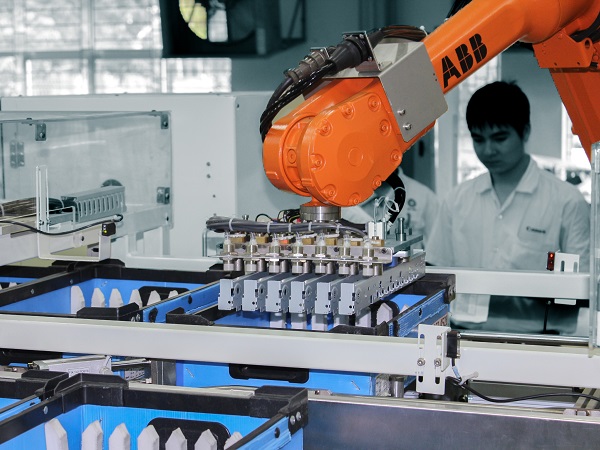
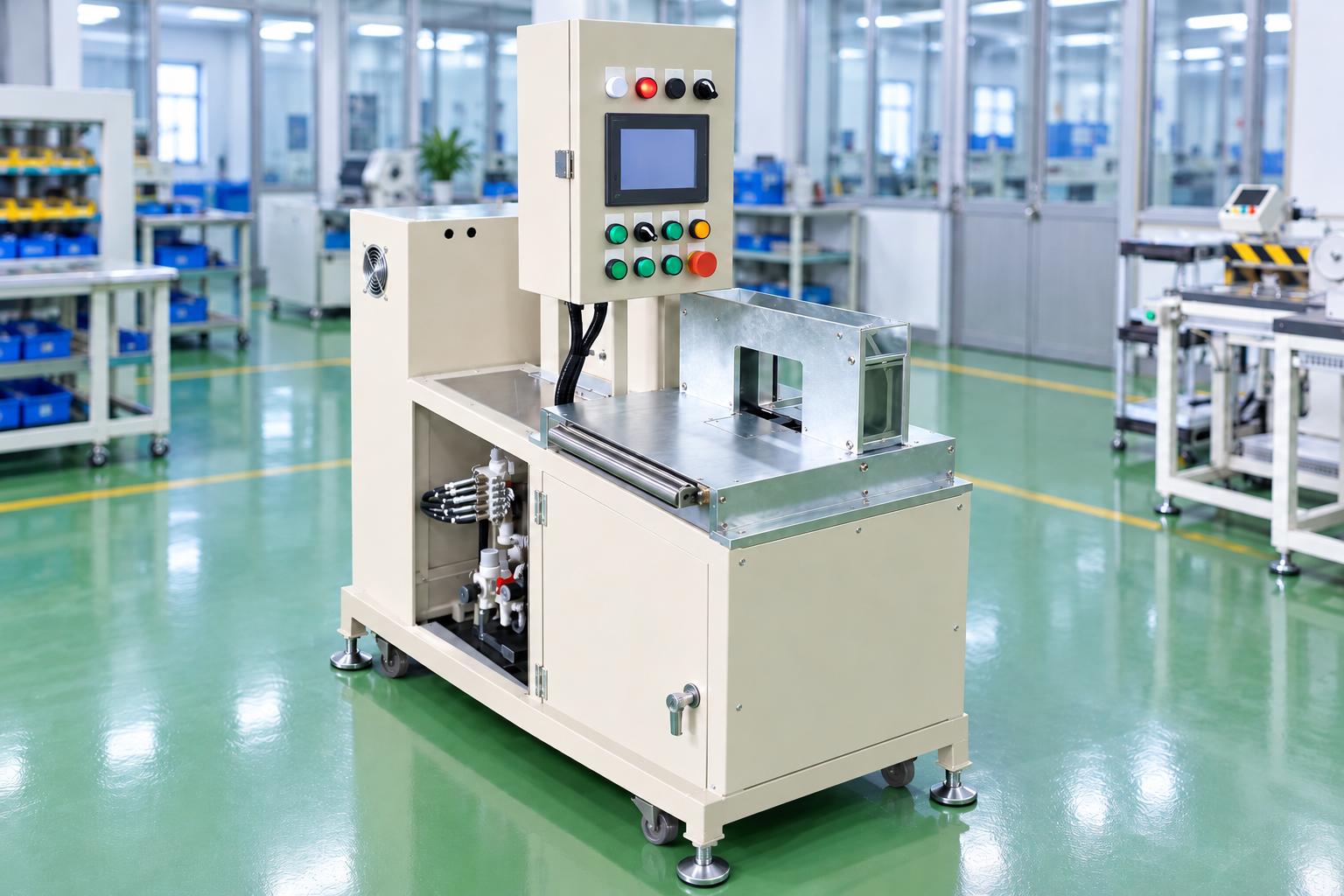
Automatic packaging line is a line with a sufficient number of automatic machines to perform the steps and segments of product packaging in sequence. Ensuring the production and assembly process takes place continuously with optimal flow and efficiency. Packaging can be done by packaging machines or industrial robot arms that load goods into boxes and pallets - automatic palletizer machine.
With traditional packaging methods, most steps take place manually or thanks to universal, semi-automatic machines. Consumes a huge amount of labor. Wasted downtime for transitions between stages. Low productivity and difficulty in controlling the quality of each stage in particular as well as the quality of output products in general.
In the industrial automation chain, participants include workers and machines (mostly automatic, combining industrial robot arms and production process control systems) arranged at each position. , each line according to layout in workshops and factories. Each workshop performs one production step. While workpieces, semi-finished products, and products move continuously on automatic conveyors, transferring goods from the department in charge of one stage to the department performing another stage. From the initial raw material, passing through the parts in the chain, the product is gradually formed, the finished product is automatically packaged with guaranteed and uniform quality.
Important components in automatic packaging lines
An automatic packaging line is a system that automates the packaging process without requiring manual labor intervention. It is widely applied in goods manufacturing and packaging enterprises, automatic packaging lines help increase labor efficiency, improve packaging quality and enhance production productivity. Below are the important types of components in automatic packaging lines
Automatic packaging machine system
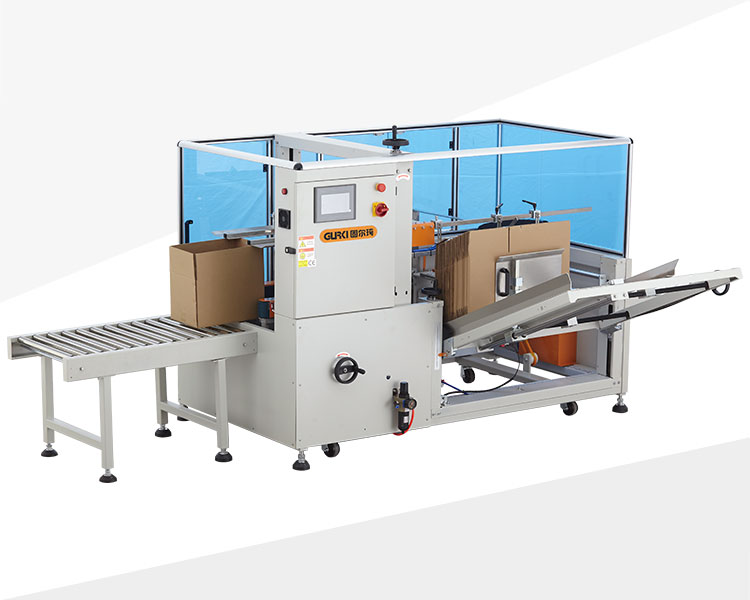
Carton making machine
The carton erecting machine is an automatic machine used in the first step of packaging lines using cartons. The task of this type of machine is to build cartons from flat, sheet shapes into boxes to contain products
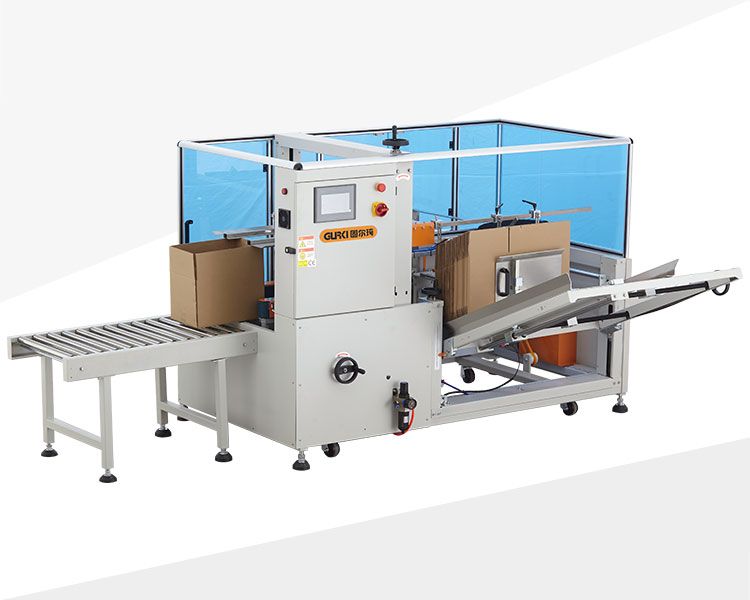
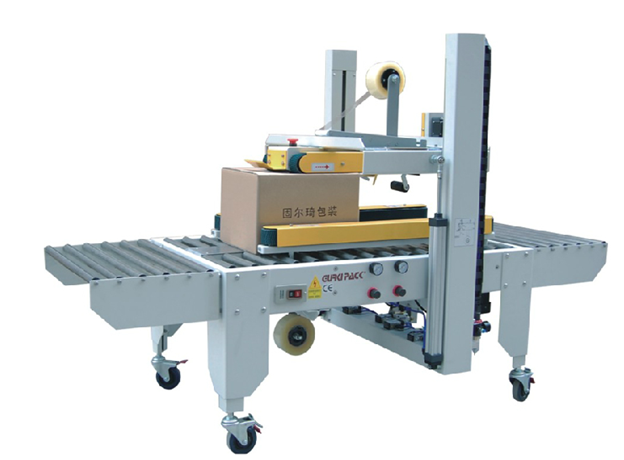
Carton sealing machine
Automatic and semi-automatic carton gluing machines help apply tape on the top, bottom or both sides of cartons. Integrated lid folding mechanism and tape on the sides and sides of the box with taut, sturdy and aesthetically pleasing lines. Easily integrated with labeling, packaging, strapping and wrapping machines in the line.
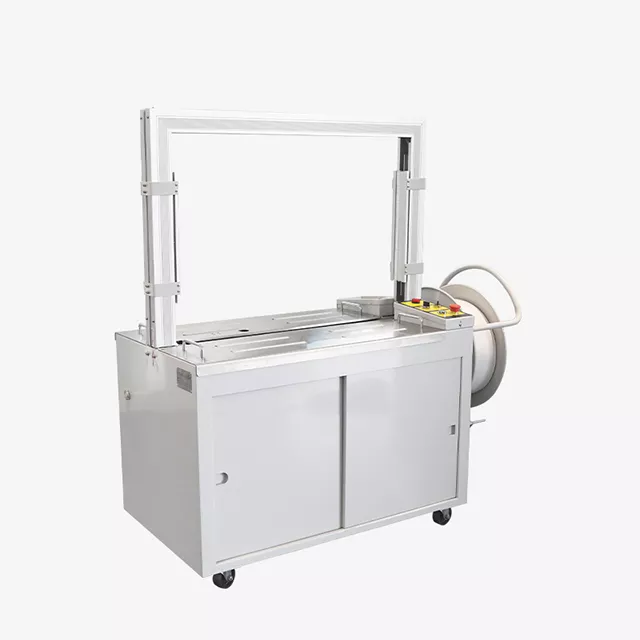
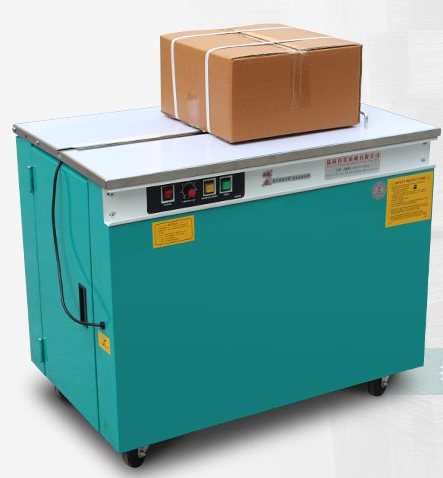
Strapping machines
A strapping machine is a type of machine used after the packaging process of a product container, that is, the goods have been packaged in boxes. In addition, the belt can also be attached directly to the product to fix multiple products together to form batches of products for convenient trading. The task of strapping machines is to tie straps around a package or product.
Shrink wrapping machine
A shrink wrapping machine is an automatic device used to wrap and secure products on pallets for transportation or storage. These machines use a roll of stretch film, which is stretched and then wrapped around the pallet to hold the product in place. The stretch wrapping process involves placing the pallet on a turntable or conveyor belt, where it rotates while the stretch film is applied. The film is mechanically stretched when applied, which allows it to closely conform to the shape of the product on the pallet and create a strong, stable load.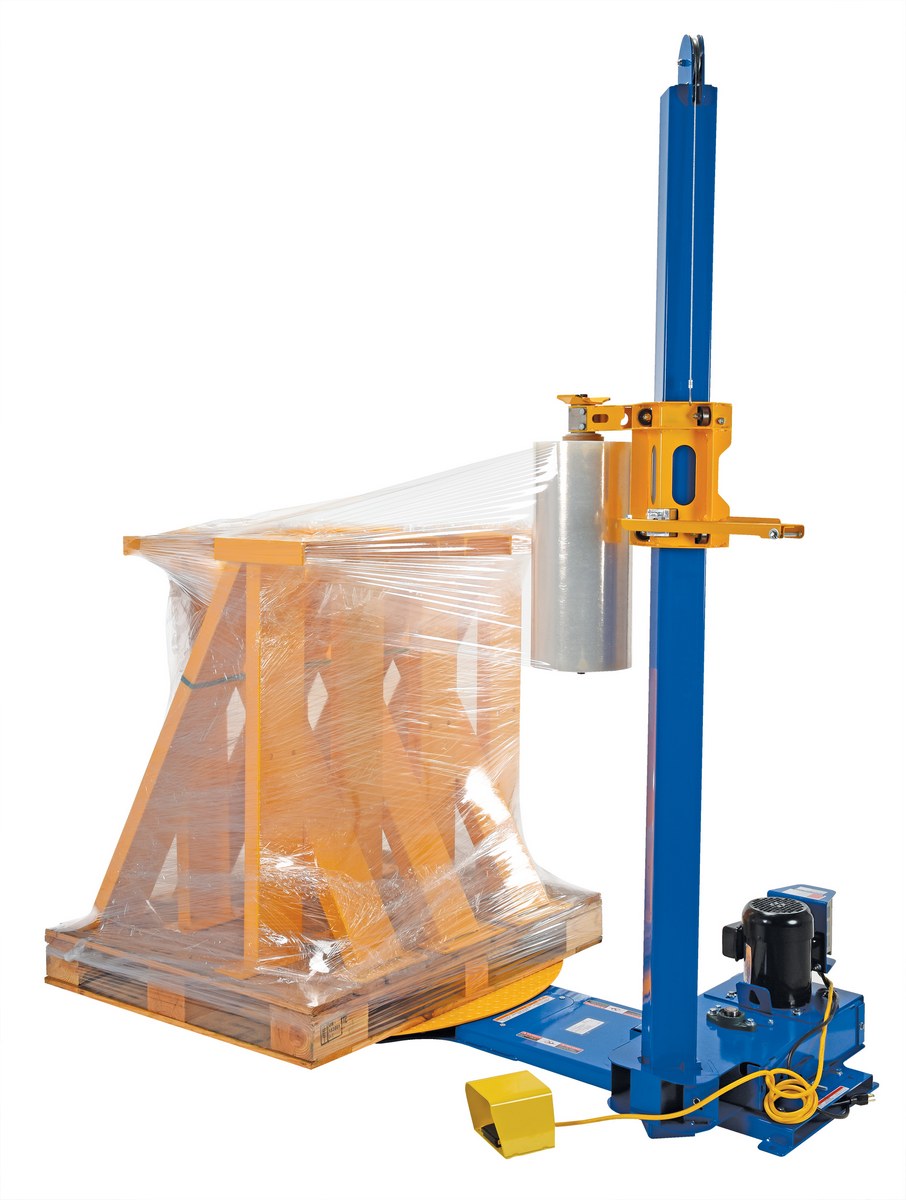
Robot system, robot arm
What is a robot arm?
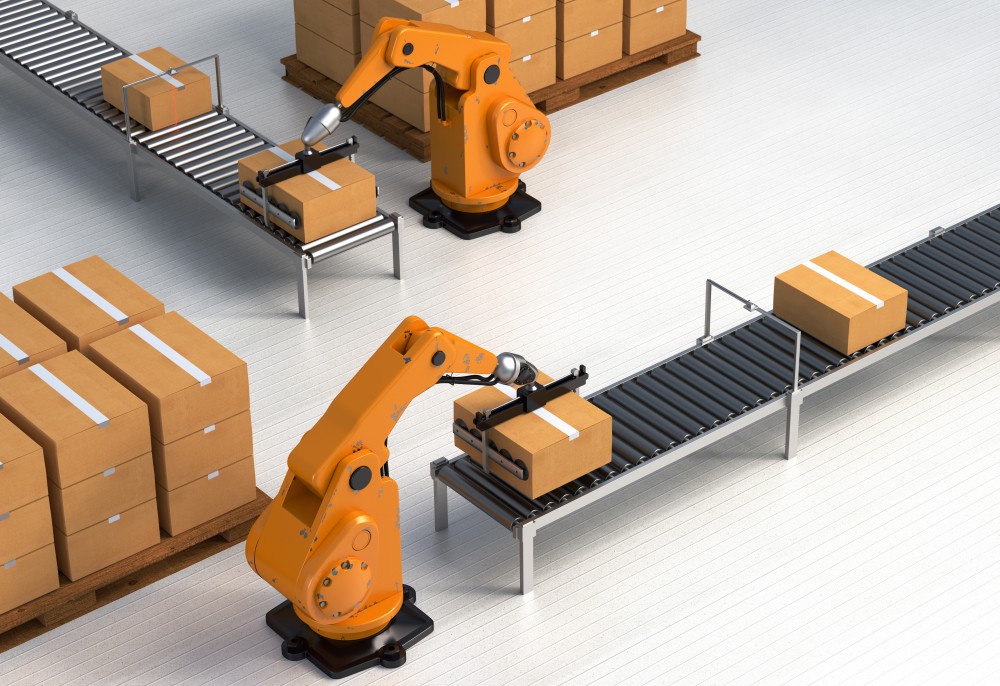
Robotic arms enable a range of different packaging tasks, such as picking, placing and palletizing, to be performed safely, efficiently and effectively. Robotic systems can consist of stand-alone robots, including the common robotic arm that can be used for pick and place, or they can be integrated into broader manufacturing processes, such as on-line automobile assembly…
Advantages of robot arms in packaging systems
Robot arms offer several advantages when integrated into automated packaging systems:
Increase packaging efficiency by performing repetitive operations at a consistent speed.
Reduce repetitive manual tasks, allowing operators to focus on other production activities.
Improve workplace safety by handling repetitive, physically demanding or potentially hazardous operations.
Optimize operating costs by reducing manual intervention and improving resource utilization.
Reduce product handling errors and waste through consistent and repeatable movements.
Support continuous operation and can be configured for extended production cycles.
Provide flexibility for different applications, including pick-and-place, sorting, packing and palletizing.
Deliver high accuracy and repeatability, helping maintain consistent positioning and handling throughout the production process.
How are robots used in packaging?
Robotic packaging systems are extremely versatile and they can be used for a variety of packaging tasks. From sorting sausages into packages to stacking boxes in a warehouse, if this task can be automated then robots can perform it with precision and speed.
There are four main types of robots used in the packaging industry:
Articulated robot: the most common type of robotic packaging device, consisting of a jointed human-like robotic arm. Various attachments can be fixed to the arm, such as a pick for picking or a welding gun for welding.
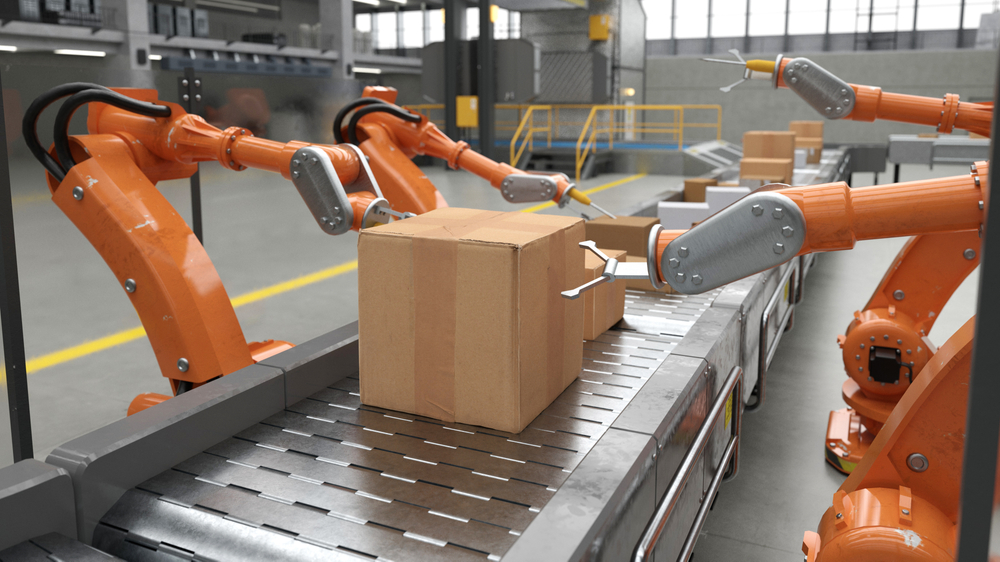
Cartesian robot: designed to operate on 3 axes, allowing the robot to move up, down and horizontally. These are large robots designed for heavy lifting and stacking.
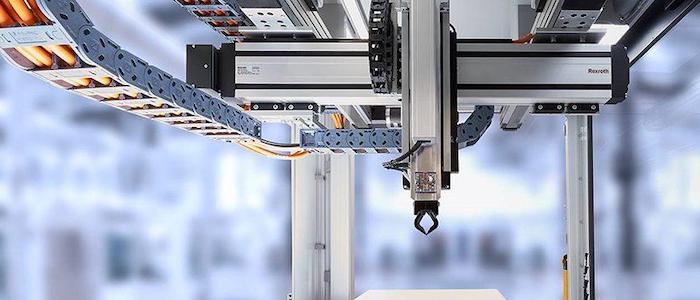
SCARA Robot: The Selective Compliance Assembly Robotic Arm (SCARA) robot is designed to simulate the movements of a human arm. The arm operates on the Z axis and is usually fixed in position on a production line or conveyor. Great when precision and speed are needed.
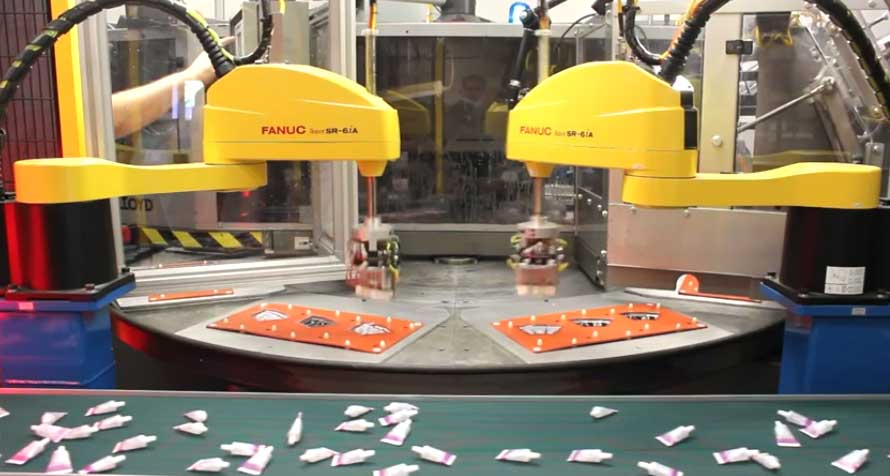
Delta robots: are designed primarily for pick and place work as they consist of three sets of robotic arms programmed to work simultaneously.
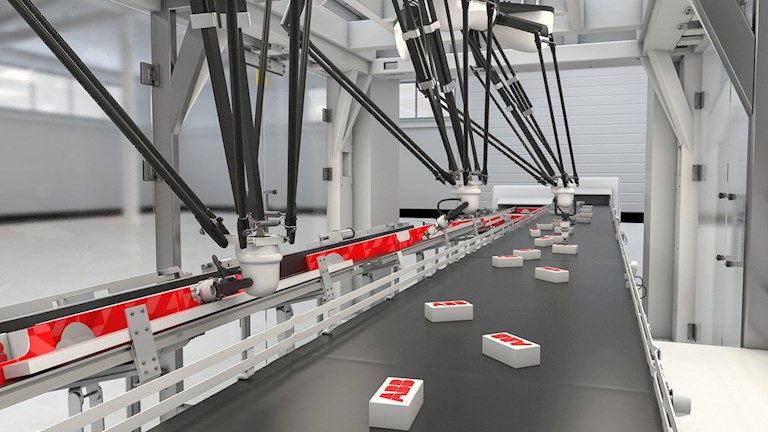
Conveyor system
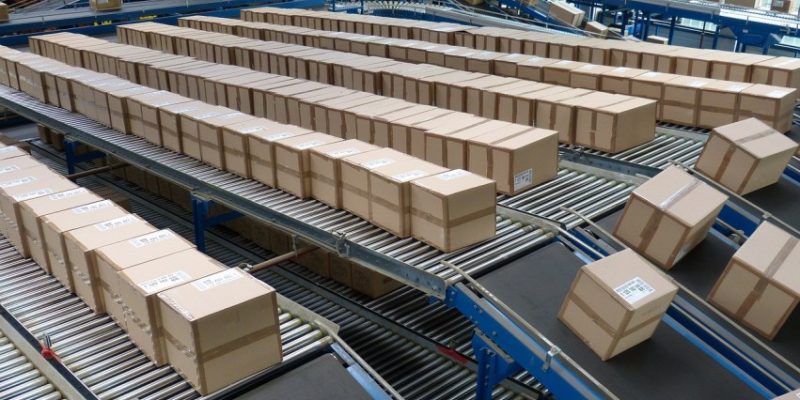
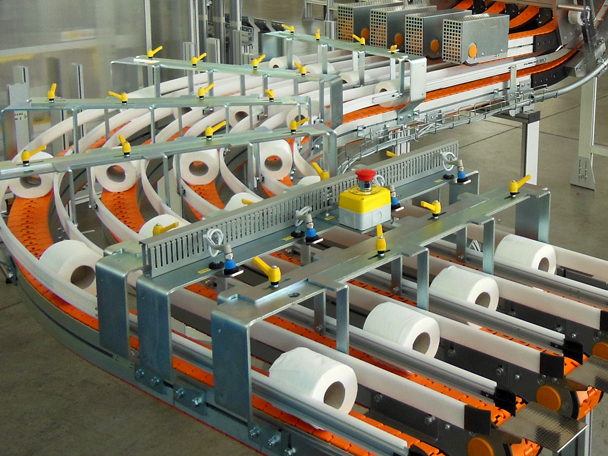
Conveyors are important equipment in modern packaging lines, helping to transport materials and products between work stations. Conveyor belts can move in many directions at flexible speeds according to the requirements of each stage.
They help link parts in the production line and operate continuously, helping to improve labor productivity. Conveyors are an indispensable part in the automation of production lines, especially modern packaging lines.
Some types of conveyors are often used in automatic packaging lines
Flat conveyor belt
Roller conveyor
Module conveyor
Plastic chain conveyor
Quality inspection and control system
In automated packaging lines, quality control and inspection systems play an important role to ensure quality and ultimately a product. Quality control and testing equipment is used to determine and monitor critical quality parameters during the packaging process.
Below are some types of equipment commonly used in automatic packaging lines for inspection and quality control:
Computer vision systems: With the rapid development of technology, computer vision systems can perform countless quality control tasks with high accuracy and speed. Here are some applications of computer vision in automated packaging lines:
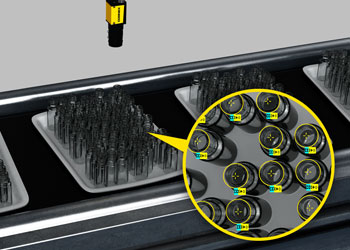
Counting products: AI-based vision systems and software are the ideal solution for automatic contactless counting. The part locator learns from a small set of images of filled trays, then identifies and positions each container even if the part appears differently to the camera at different angles and adapt to variations in light reflection from surfaces and contents or refraction through the transparent layer. glass.
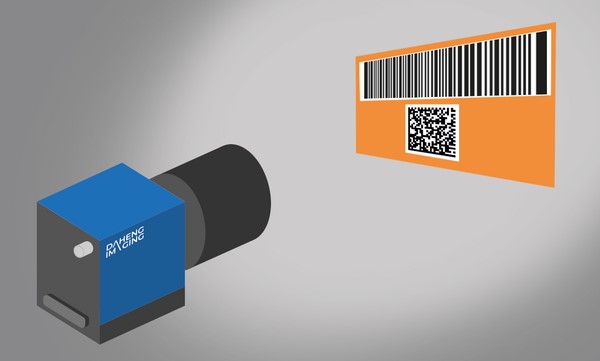
Read and inspect barcodes: Vision systems and image-based barcode readers serve as key components in a simple yet powerful traceability system. Data matrix codes have been used as a standard in many applications because they allow the storage of information such as manufacturer, product ID, lot number, expiration date, and even unique serial numbers.
Check package seals: Seal integrity is important to ensure food and beverage packages are free of contaminants. The costs of recalling or returning products due to contamination, damage, or foreign materials can be substantial. Seal inspection is notoriously challenging when using vision systems
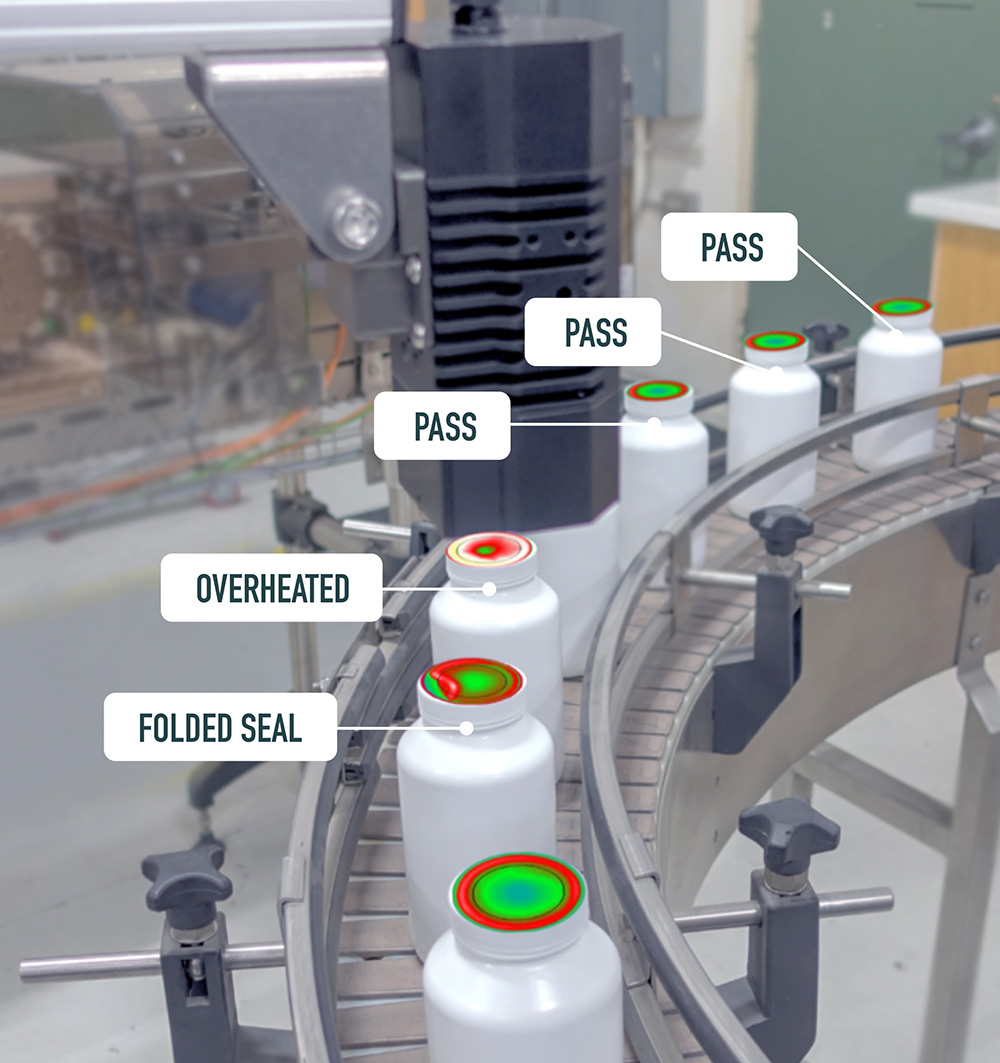
Frequently used products
Q4X series: LASER DISTANCE SENSOR
The flexible, rugged laser distance sensor delivers outstanding performance and is capable of detecting sub-millimeter distance changes.
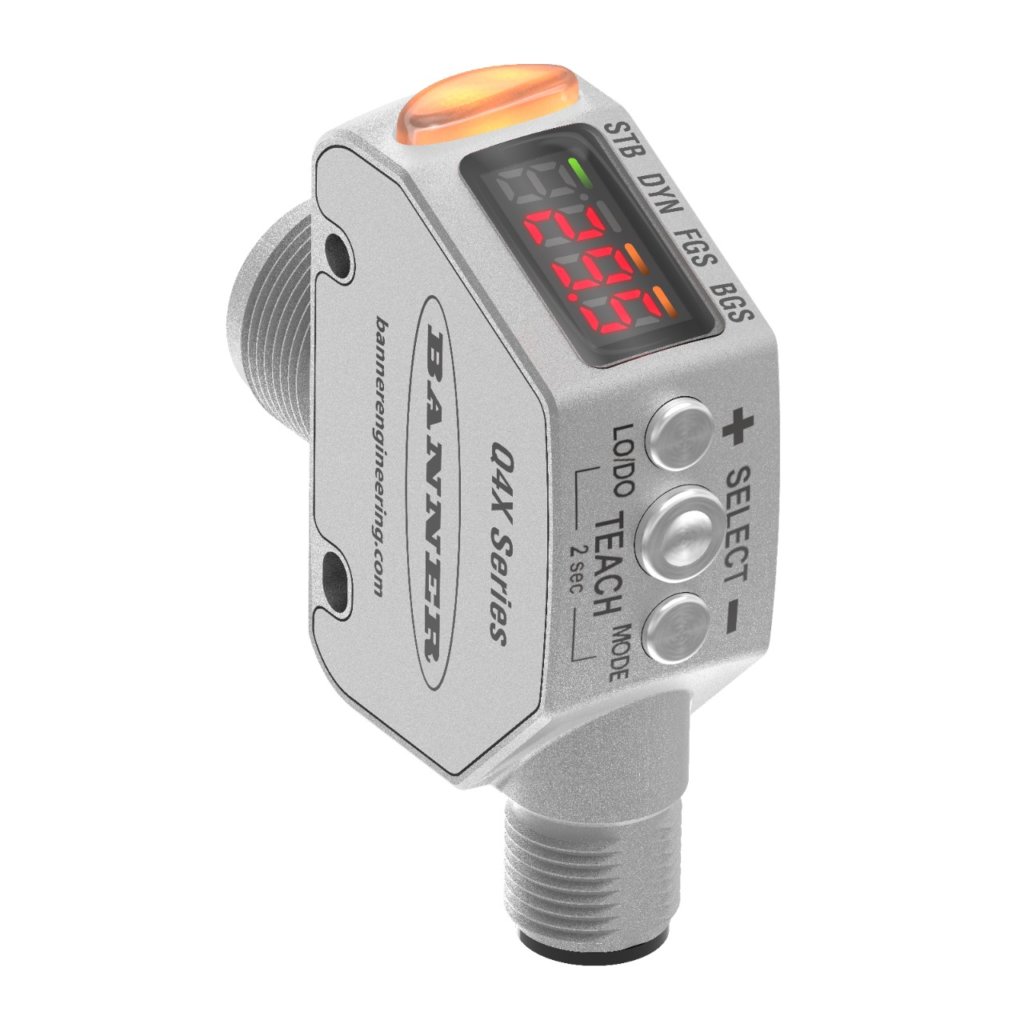
Available in discrete, analog (0 to 10 V or 4 to 20 mA), clear object, and IO-Link models
Reliable sensing range from as close as 25 mm and as far as 610 mm
Detection on a variety of target colors, materials, and surfaces based on distance
Rugged housing is IP69K rated with FDA-grade stainless steel
Dual guidance mode (intensity + distance) is ideal for error-proof applications and allows clear object detection without the need for a back-reflector
LM Series: PRECISION MEASUREMENT SENSORS
LM series precision measurement sensors deliver best-in-class performance and real-world stability in a compact device with an intuitive user experience.
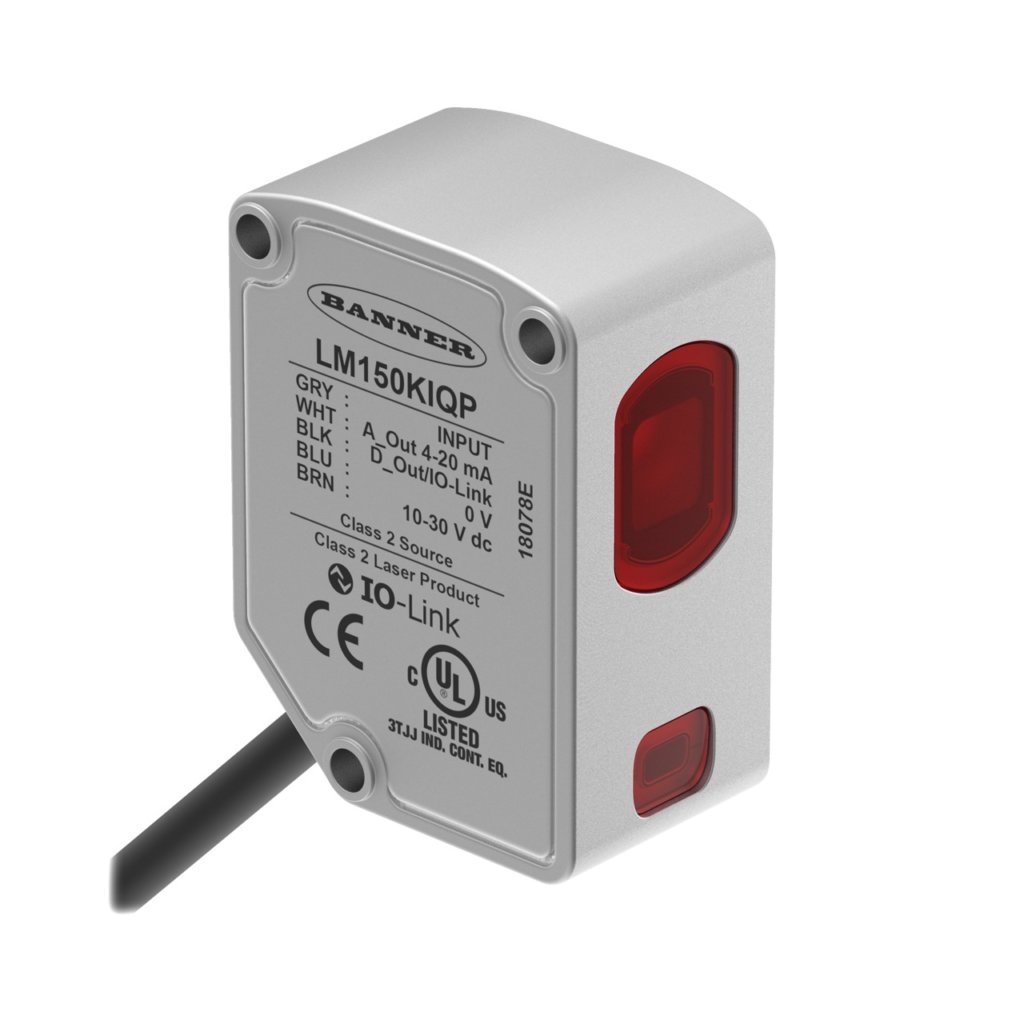
· Accurate measurement with resolution 0.002 - 0.004 mm
· Fast response speed of 0.5 ms and sampling rate of 0.25 ms
· The compact case is designed to fit into small spaces
· Best thermal and mechanical stability
· IP67 and grade 316 stainless steel for chemical compatibility
· Optional Remote Sensor Display (RSD) for remote monitoring and setup
· Supports Industry 4.0/IIoT with IO-Link®, discrete and analog outputs in one model
iVu Series: VISION SENSOR
iVu and iVu color imaging sensors are used to monitor parts for type, size, orientation, shape, position, and color or hue variations.
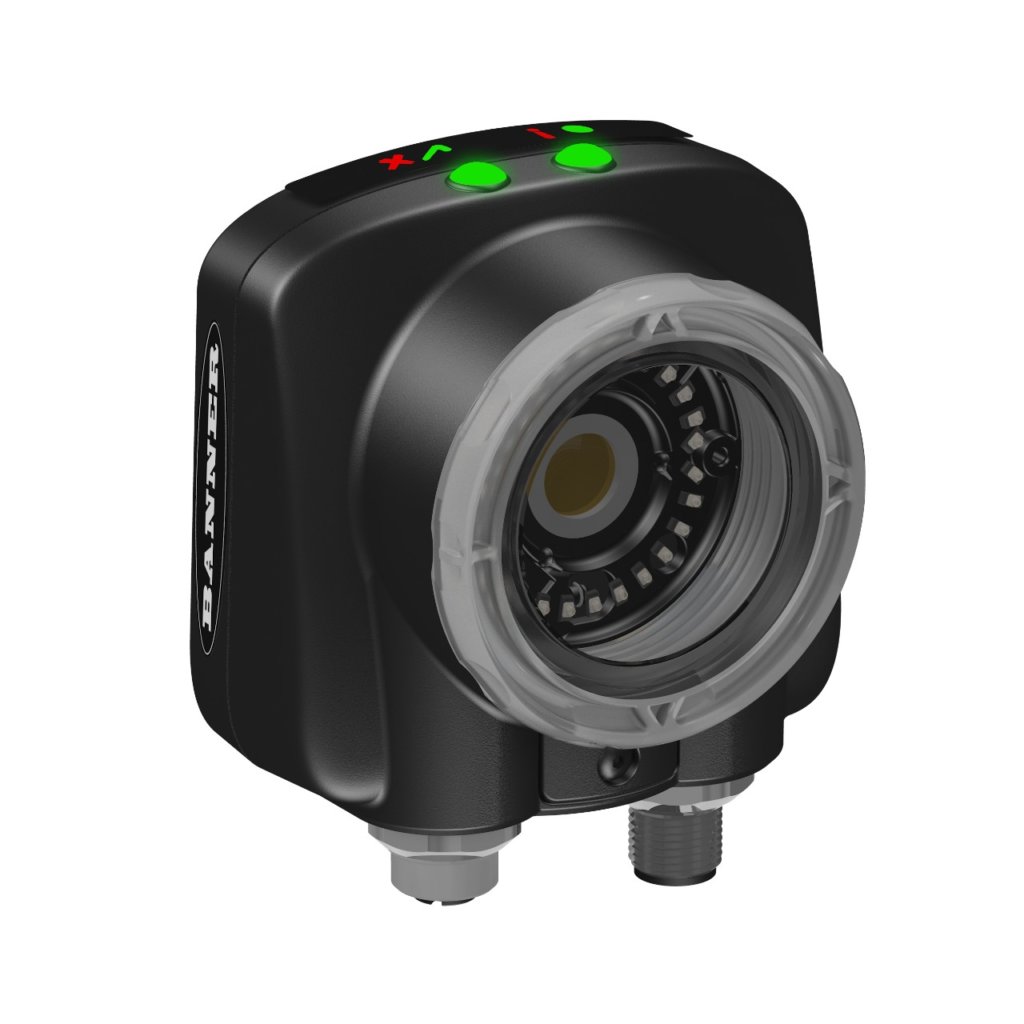
· All-in-one solution includes camera, controller, lens and light in one package
· Configure in minutes by Vision Manager PC software, onboard or remote touch screen
· Test multiple points using a variety of grayscale or color tools
· Compact, rugged IP67 housing, available with built-in ring light in red, blue, green, white, infrared or UV
· Interchangeable lenses, including C-mount, provide maximum application flexibility
Advantages of automatic packaging line
Increase productivity and efficiency
Automated packaging lines are designed to streamline the packaging process, delivering greater productivity and efficiency. It can handle packaging tasks at a much faster rate than manual packaging, reducing the time needed to package products.Besides, automating the production line also helps reduce the risk of occupational accidents for workers during the working process.
Efficient and cost-effective
Automated packaging lines can bring significant cost savings to businesses. Although the initial investment may be higher than with a manual packaging system, the long-term benefits will outweigh the costs. These systems require less labor because fewer workers are needed to operate them.Additionally, they can reduce packaging errors and waste, leading to material cost savings. Increased speed and efficiency also enable businesses to achieve production goals more efficiently, leading to improved cost efficiency.
Improve product quality and safety
The automatic packaging line ensures consistent and accurate packaging, contributing to improving product quality and safety. These systems can accurately measure and dispense the right amount of product.It can also incorporate quality control mechanisms such as automated inspection and barcode scanning to identify any defects or inconsistencies in the packaging process. This helps maintain product integrity and reduces the likelihood of customer returns.
Industries and applications of automatic packaging lines
Food and beverage industry
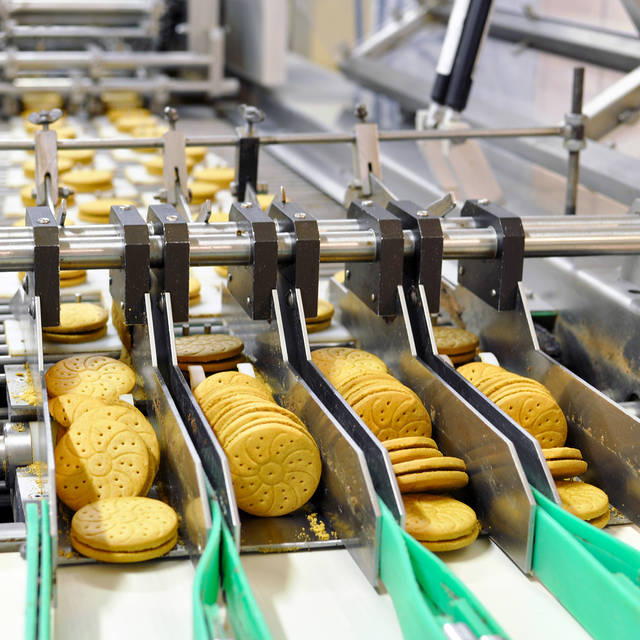
Food packaging : Automatic packaging lines are widely used in the food industry to package various food products such as snacks, cereals, dairy products, frozen foods, grill and drinks. These packaging lines ensure efficient and hygienic packaging, extending the shelf life of food products and maintaining their quality.
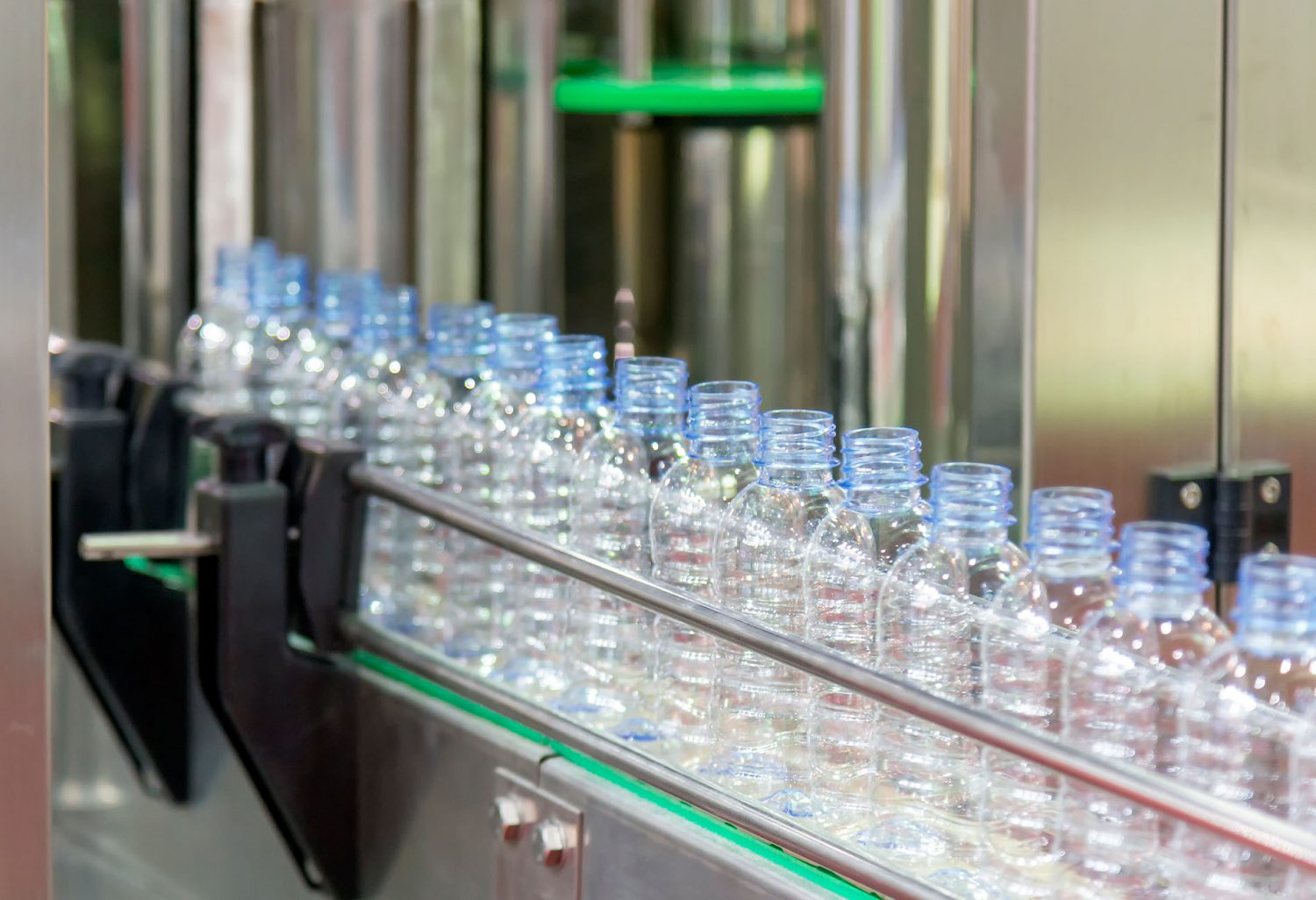
Bottling : Automatic packaging lines are commonly used for bottling beverages such as mineral water, soft drinks, juices and alcoholic drinks.
Pharmaceutical and healthcare industry
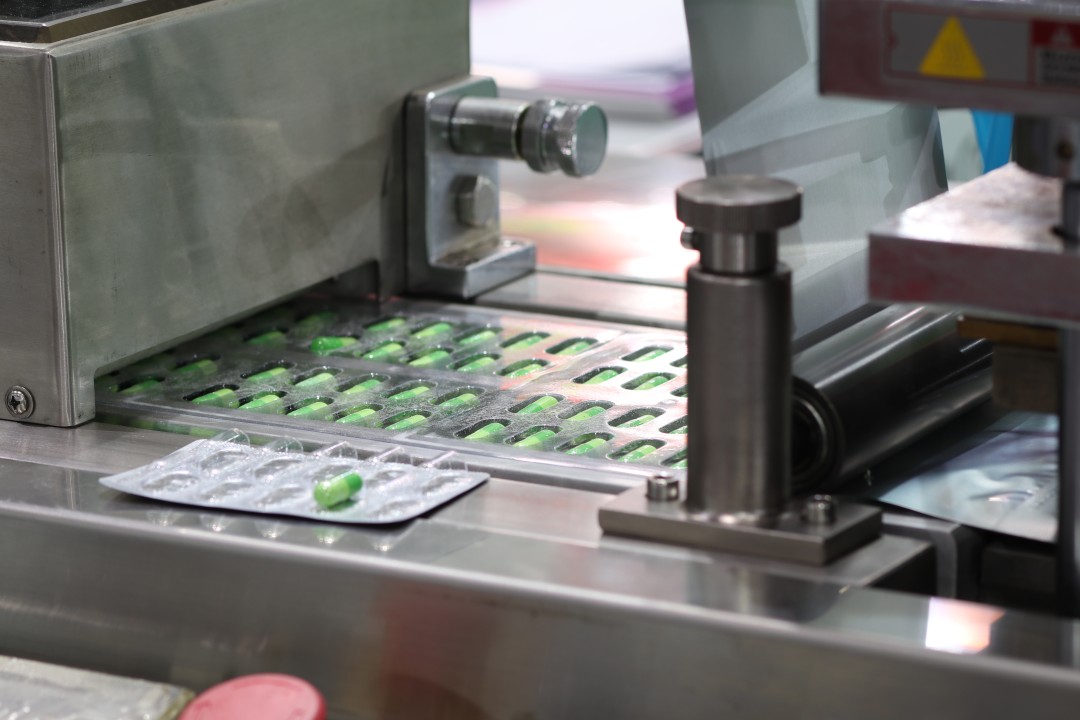
Drug packaging : Automated packaging lines play an important role in the pharmaceutical industry by packaging a variety of drugs, including tablets, capsules, vials, ampoules, ampoules, and blister packs. These lines ensure accurate counting, labeling and sealing, maintaining the integrity and safety of pharmaceutical products.
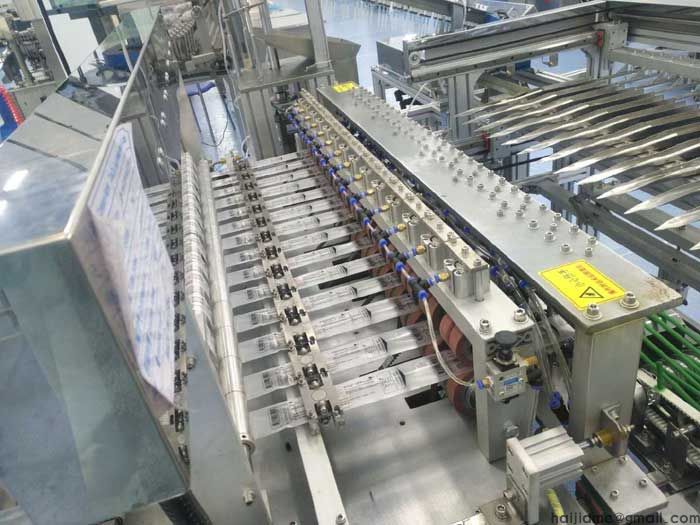
Medical Device Packaging : Automated packaging lines are used to package medical devices such as syringes, catheters, surgical instruments, bandages, and diagnostic kits. These lines ensure aseptic packaging and compliance with strict quality standards and regulations.
Customers
Beauty products : Automatic packaging lines are used to package cosmetics and beauty products such as creams, lotions, shampoos, perfumes and makeup items. These lines ensure accurate filling, capping, labeling and packaging, maintaining product quality and aesthetics.
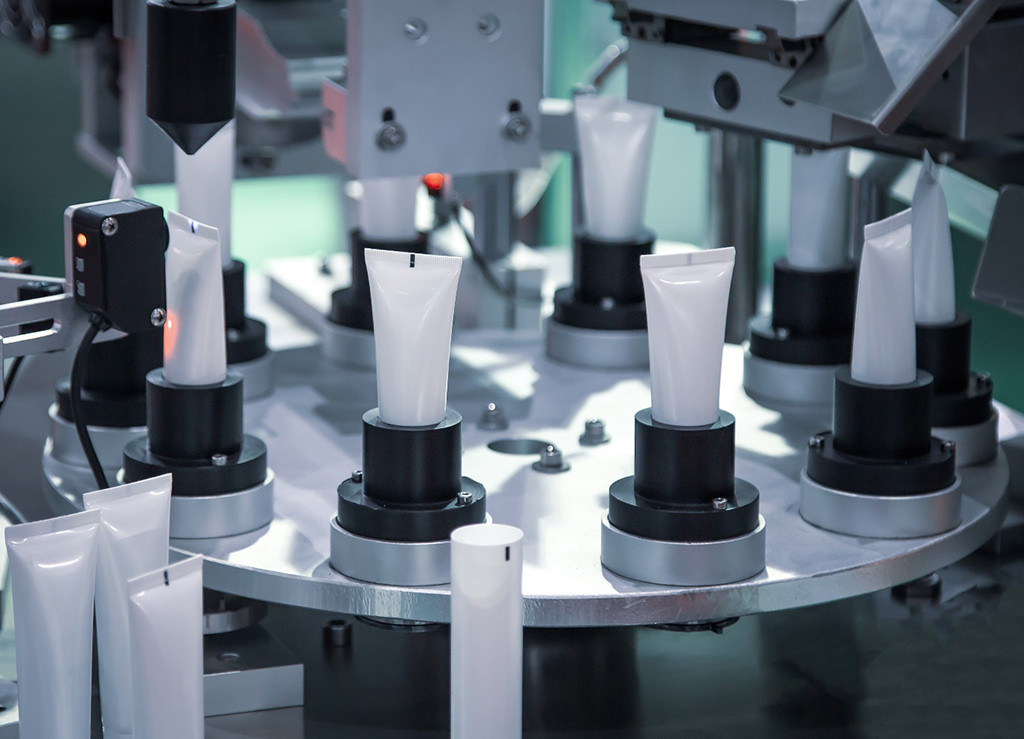
Household products : Automatic packaging lines are used to package household products such as detergents, soaps, toiletries. These lines handle tasks such as filling, sealing, labeling and palletizing, ensuring efficient packaging and streamlined distribution.
CNC VINA – 自動化ライン・包装ラインのパートナー
産業オートメーション分野で豊富な経験を持つエンジニアチームを擁するCNC VINAは、各企業の実際の生産条件や要求に応じて、製造・組立・包装工程向けの自動化ソリューションを提供しています。システム設計や設備レイアウトの構築から、コンベヤ、ロボット、各種自動化設備の統合まで、各工程間の連携、サイクルタイム、実際の運用条件を考慮したシステム設計を行っています。設備の製作に入る前には、3Dシミュレーションによって設備配置や設置スペース、動作・運用方法を事前に確認できるため、実際の導入時に発生する設計変更や調整を抑えることができます。
CNC VINAは、自動機、組立機、包装ラインの設計・製作において約20年の経験を有しており、個別工程の自動化から複数設備を連携させた一貫した自動化ラインまで、幅広いソリューションに対応しています。製品の特性、生産量、運用条件などを踏まえ、設備構成、レイアウト、自動化レベルについて、お客様の要求に適した仕様を提案します。これまで国内外のさまざまな企業に自動化ソリューションを提供しており、Canon、Panasonic、SEWなどのお客様とも、技術面および運用面での実際のニーズに基づき、長期的な協力関係を築いてきました。
自動化された**包装ライン**、組立ライン、または生産自動化システムの導入をご検討の場合は、CNC VINAまでお気軽にお問い合わせください。製品の仕様や生産条件についてお伺いしたうえで、現場の調査および適切な設備・システム構成をご提案します。
CNC VIETNAM TECHNOLOGY & CNC APPLICATION JOINT STOCK COMPANY
工場: Điểm công nghiệp Sông Cùng, xã Đồng Tháp, Huyện Đan Phượng, Tp. Hà Nội, Việt Nam
オフィス: Tòa nhà Rox Tower (Rox Center Goldmark City), 136 Hồ Tùng Mậu, Bắc Từ Liêm, Hà Nội
電話: +84.916 63 9355 / +84.915 74 4664
Webサイト: https://cncvina.com.vn | https://cncvina.net | https://cncviname.com.vn
E-mail: Sales01@cncvina.com.vn | Sales03@cncvina.com.vn

 Tiếng
Việt
Tiếng
Việt
 Tiếng
Anh
Tiếng
Anh
 Tiếng
Nhật
Tiếng
Nhật




 Tiếng Anh