 Tiếng
Việt
Tiếng
Việt
 Tiếng
Anh
Tiếng
Anh
 Tiếng
Nhật
Tiếng
Nhật




 Tiếng Anh

The origin and development history of electric motorcycles

The origin and development of electric motorcycles is a journey spanning more than a century, closely associated with significant advances in science, technology, and the growing demand for sustainable transportation. From the earliest electric vehicle prototypes that appeared in the late 19th century, when technology was still highly limited, electric motorcycles have gone through many periods of decline and resurgence before becoming one of the most prominent transportation trends of the 21st century.
Today, with their quiet operation, energy efficiency, and environmental friendliness, electric motorcycles are not only an alternative to internal combustion engine vehicles but also play a vital role in the green transportation strategies of many countries. In this article, CNC VINA explores the origins, key milestones, and development of the electric motorcycle supporting industry.
1. The birth of electric motorcycles
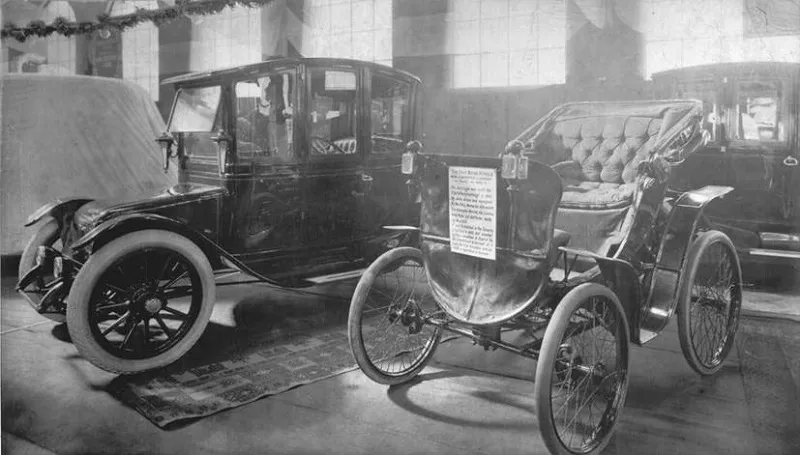
Electric motorcycles first emerged in the late 19th century, during a period of rapid progress in electrical engineering. Inventors began experimenting with the application of electric motors to two-wheeled vehicles, laying the foundation for modern electric motorcycles.
The earliest electric motorcycles typically used simple electric motors powered by lead-acid batteries. Compared with steam-powered vehicles and the primitive internal combustion engines of the time, electric vehicles offered smoother operation, less vibration, and zero direct emissions. These advantages led many people to believe that electricity could become the energy source of the future.

However, battery technology at the time was still highly limited. Lead-acid batteries were heavy and had low energy density, restricting vehicle range after each charge. Long charging times and short battery life further reduced the practicality of these early electric motorcycles.
In the early 20th century, electric motorcycles continued to be researched but failed to achieve commercial success. Meanwhile, internal combustion engines rapidly improved in terms of power, durability, and fuel efficiency. The expansion of the petroleum industry and fuel distribution networks enabled gasoline-powered motorcycles to dominate the global market.
As a result, electric motorcycles gradually faded into the background throughout much of the 20th century. It was not until the late 1980s and early 1990s, when environmental concerns and energy crises became global issues and more advanced battery technologies emerged, that electric motorcycles began their revival and entered a new stage of development.
2. The development history of electric motorcycles
After decades of being overshadowed by internal combustion engine vehicles, electric motorcycles regained attention during the 1960s and 1970s. The primary driving force was the global energy crisis, which led to rising fuel prices and concerns about oil supply stability. At the same time, worsening air pollution in major cities encouraged governments and manufacturers to seek cleaner transportation alternatives.
During this period, numerous electric vehicle research and testing projects were launched in the United States, Japan, and Europe. Manufacturers believed electric motors could become a viable alternative to gasoline engines due to their quiet operation, low emissions, and lower maintenance requirements.

Nevertheless, battery technology remained the greatest obstacle. Most electric vehicles still relied on lead-acid batteries, which were heavy, offered limited capacity, and required long charging times. As a result, vehicle range and performance remained insufficient for everyday use.
The 1990s marked an important turning point with the introduction of more advanced battery technologies, such as Nickel-Metal Hydride (NiMH) batteries and the first generations of lithium batteries. These innovations enabled the development of more compact electric motorcycles with improved performance and modern designs, making them more suitable for urban transportation.
Although the market remained relatively small and was mainly driven by technology enthusiasts and environmentally conscious consumers, this period laid the groundwork for the modern electric motorcycle industry. The advances in design, electric motors, and energy storage technologies during the 1990s paved the way for the rapid expansion of electric motorcycles in the early 21st century.
3. A major turning point in the history of electric motorcycles
The most significant breakthrough in the development of electric motorcycles came with the widespread adoption of Lithium-Ion battery technology in the early 2000s. Before this, traditional battery types such as lead-acid and Nickel-Metal Hydride (NiMH) batteries suffered from limitations in weight, energy capacity, and lifespan, making it difficult for electric motorcycles to meet daily transportation needs.
Compared with previous battery generations, Lithium-Ion batteries offer significantly higher energy density, allowing more energy to be stored within the same physical size. As a result, electric motorcycles can travel longer distances without increasing vehicle weight. In addition, these batteries provide longer service life, faster charging times, and improved energy efficiency, enhancing the overall user experience.

These advances helped electric motorcycles overcome one of the greatest barriers that had constrained the industry for decades. New-generation electric motorcycles became capable of stable operation, higher speeds, faster acceleration, and greater versatility in both urban and long-distance travel. Consequently, electric motorcycles emerged as genuine competitors to conventional gasoline-powered vehicles.
During the 2010s, the growing potential of the electric vehicle market attracted many leading motorcycle manufacturers worldwide. Companies invested heavily in battery research, electric motor development, and energy management systems to create increasingly efficient products. At the same time, numerous startups entered the electric mobility sector, driving innovation across the industry.
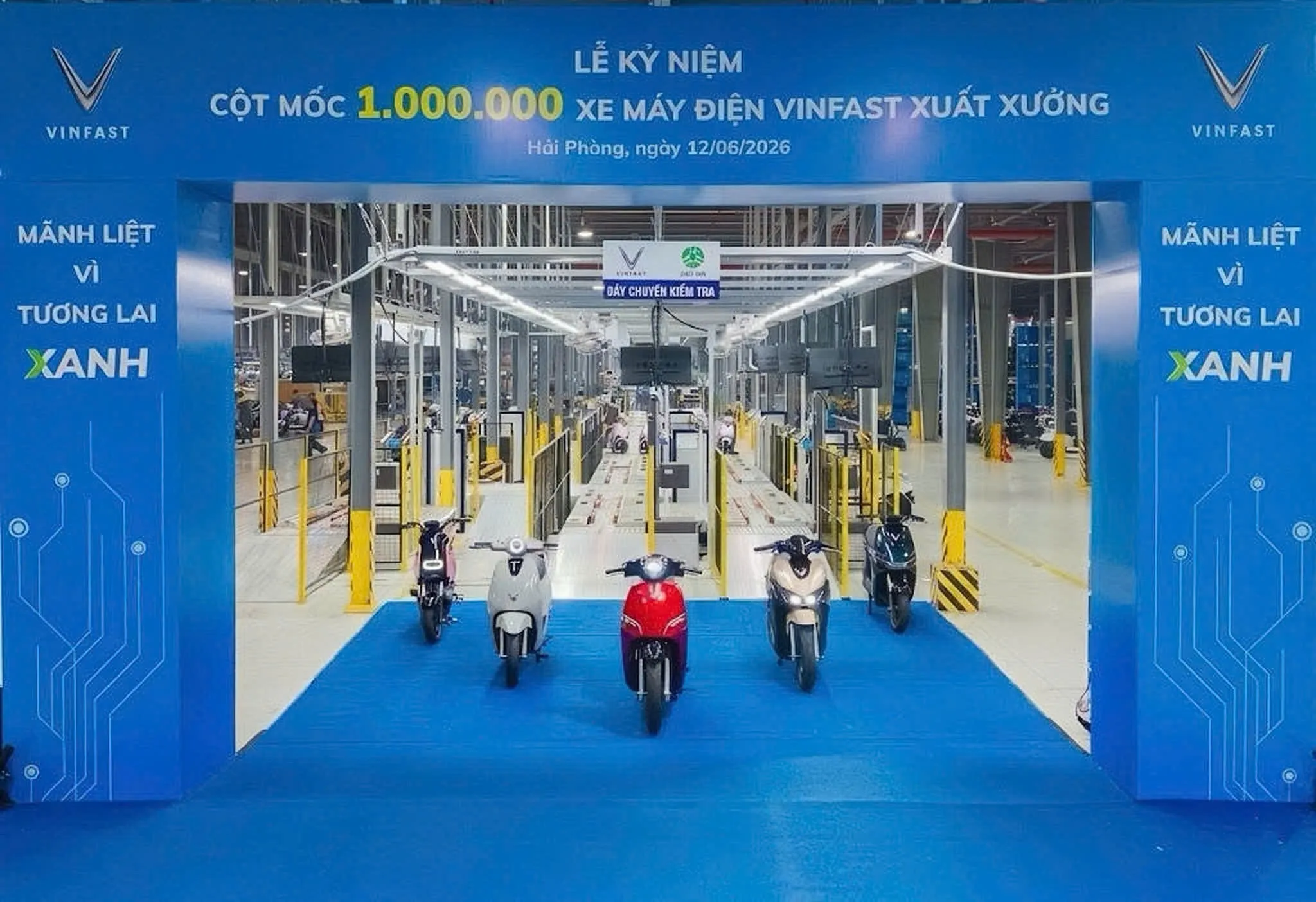
As major manufacturers entered the market, electric motorcycles became available in a wide range of categories, including electric scooters, electric sport bikes, electric off-road motorcycles, and long-distance touring models. Product quality improved significantly, after-sales services expanded, and consumer confidence in electric vehicle technology continued to grow. This period transformed electric motorcycles from a niche market into a major trend in modern transportation.
4. The impact and challenges of electric motorcycles in modern transportation
After more than a century of development, electric motorcycles have become a key component of the transportation industry, offering substantial economic and environmental benefits. Their clean operation, energy efficiency, and integration of advanced technologies are gradually changing mobility habits worldwide. However, despite their rapid growth, the industry still faces several challenges that must be addressed to ensure sustainable development.

4.1. The impact of electric motorcycles on modern transportation
One of the greatest advantages of electric motorcycles is that they produce no direct emissions during operation. This helps reduce air pollution, lower greenhouse gas emissions, and support green transportation initiatives in modern cities.

Compared with internal combustion engine vehicles, electric motorcycles have lower operating costs because they rely on electricity rather than fossil fuels. Their simpler mechanical structure also reduces maintenance and repair expenses.
Quiet operation, rapid acceleration, and the integration of smart technologies have made electric motorcycles increasingly attractive to consumers. Younger generations, in particular, are showing a strong preference for environmentally friendly and technologically advanced transportation solutions.
4.2. Challenges facing the electric motorcycle market
Despite their rapid development, electric motorcycles still face challenges such as high battery costs, limited battery lifespan, and significant replacement expenses. In addition, charging infrastructure in many regions remains underdeveloped, affecting user convenience and adoption rates. Battery collection, recycling, and disposal at the end of their lifecycle also require greater attention to ensure environmental sustainability.

Looking ahead, electric motorcycles are expected to continue evolving through innovations such as solid-state batteries, ultra-fast charging, wireless charging, and artificial intelligence (AI). Combined with the expansion of smart transportation ecosystems and declining production costs, electric motorcycles are projected to become one of the most widely used transportation solutions worldwide.
5. The development of the electric motorcycle supporting industry
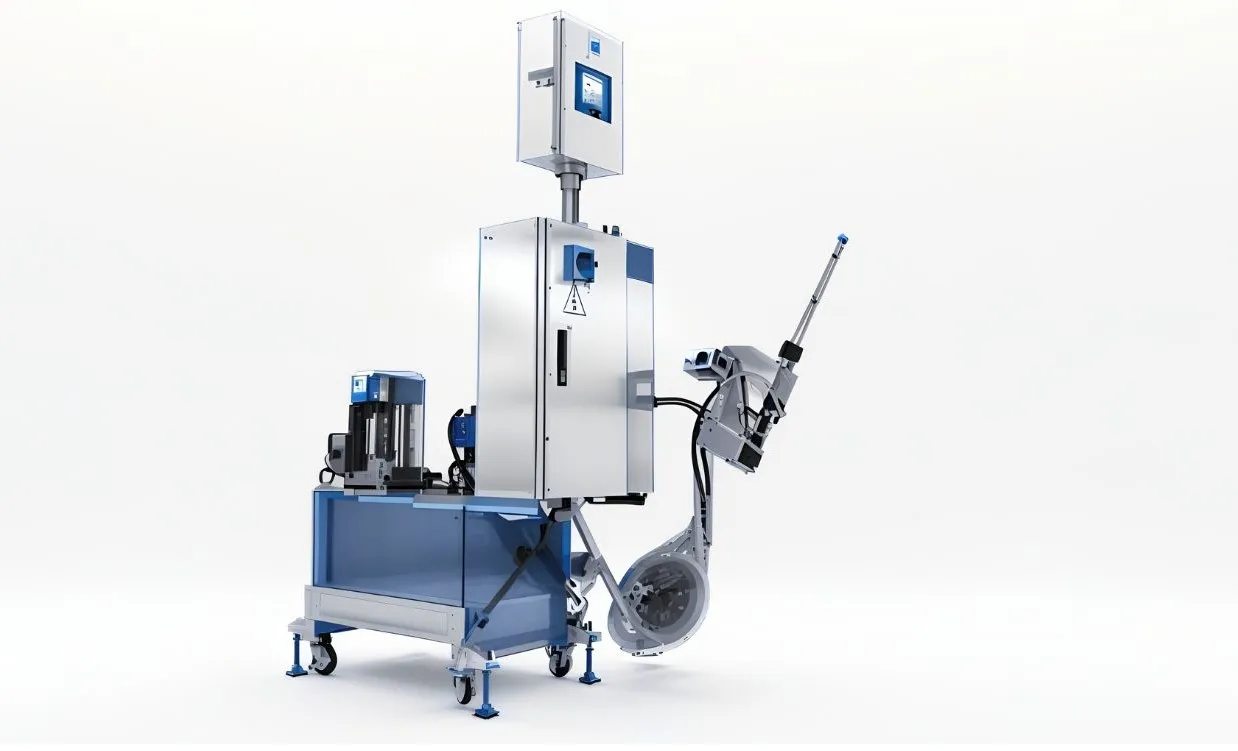
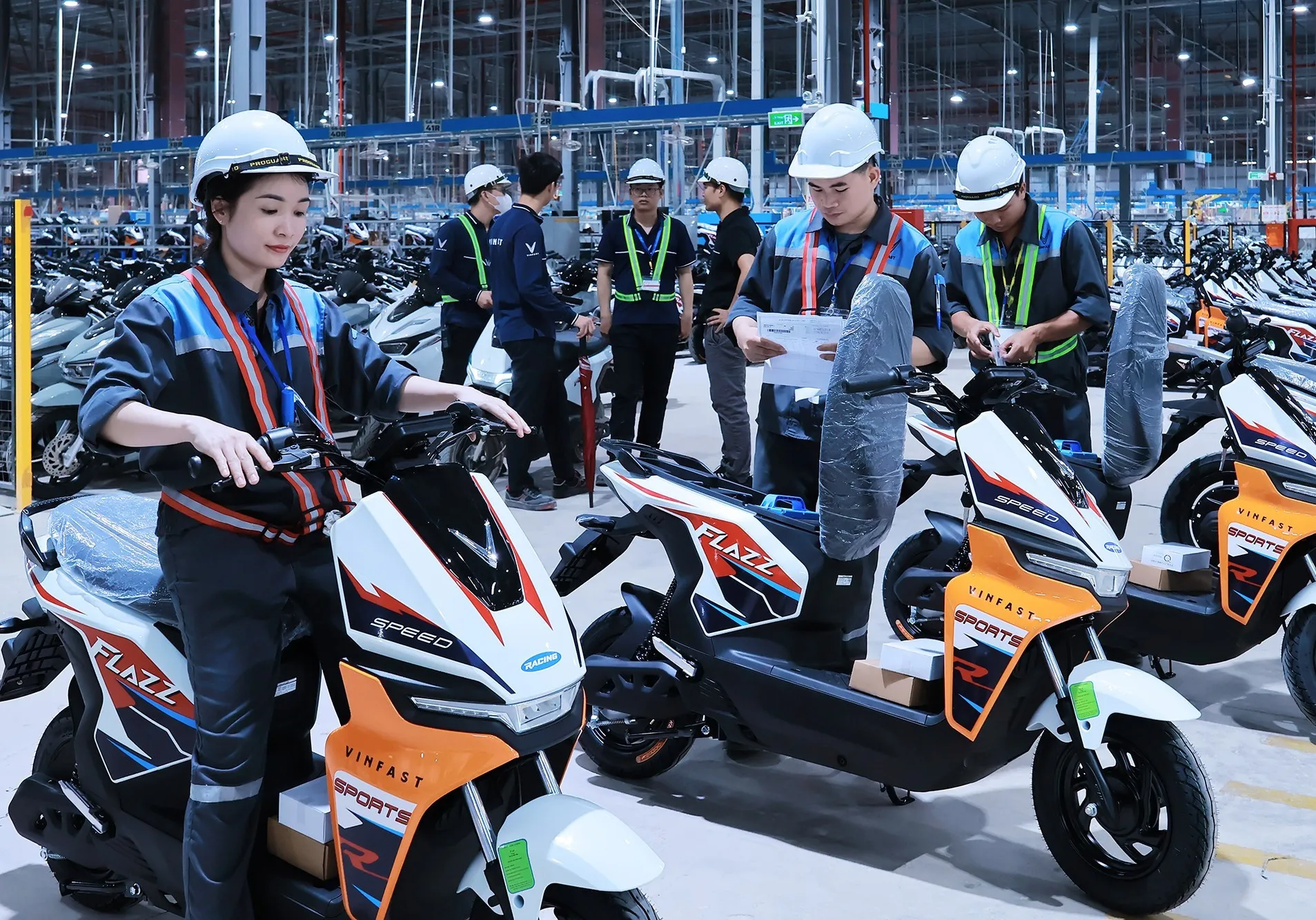
The rapid growth of the electric motorcycle market has generated increasing demand for supporting industries, including the production of components, electrical systems, batteries, motors, and assembly equipment. To meet requirements for productivity, quality, and manufacturing consistency, companies are investing heavily in advanced machinery and automated production lines.

With many years of experience in industrial automation, CNC VINA specializes in providing machinery, equipment, and production line solutions for the electric motorcycle supporting industry. CNC VINA's solutions are designed to meet manufacturing needs ranging from small-scale production to large industrial operations, helping businesses optimize production processes and enhance competitiveness.
The history of electric motorcycles demonstrates the remarkable progress of science and technology in the transportation sector. From experimental prototypes in the late 19th century, electric motorcycles have evolved into a modern, efficient, and environmentally friendly mobility solution. With ongoing advancements in battery technology, electric motors, and intelligent connectivity systems, the electric motorcycle industry is expected to continue its strong growth in the future. This development also drives the expansion of supporting industries, creating increasing demand for advanced machinery, equipment, and automated production lines. CNC VINA is proud to provide automation solutions for electric motorcycle manufacturing plants, contributing to the growth of Vietnam’s electric motorcycle industry.
Lịch sử phát triển của xe máy điện là minh chứng cho những bước tiến vượt bậc của khoa học và công nghệ trong lĩnh vực giao thông. Từ những mẫu xe thử nghiệm đầu tiên vào cuối thế kỷ XIX, xe máy điện đã trở thành giải pháp di chuyển hiện đại, tiết kiệm và thân thiện với môi trường. Với sự phát triển của công nghệ pin, động cơ điện và hệ thống kết nối thông minh, xe máy điện được dự báo sẽ tiếp tục tăng trưởng mạnh mẽ trong tương lai. Sự phát triển này cũng tạo động lực cho ngành công nghiệp phụ trợ, thúc đẩy nhu cầu đầu tư vào máy móc, thiết bị và dây chuyền sản xuất hiện đại. CNC VINA tự hào là đơn vị cung cấp các giải pháp tự động hóa cho dây chuyền lắp ráp nhà máy xe máy điện, đồng hành cùng sự phát triển của ngành công nghiệp xe máy điện tại Việt Nam.