 Tiếng
Việt
Tiếng
Việt
 Tiếng
Anh
Tiếng
Anh
 Tiếng
Nhật
Tiếng
Nhật




 Tiếng Anh

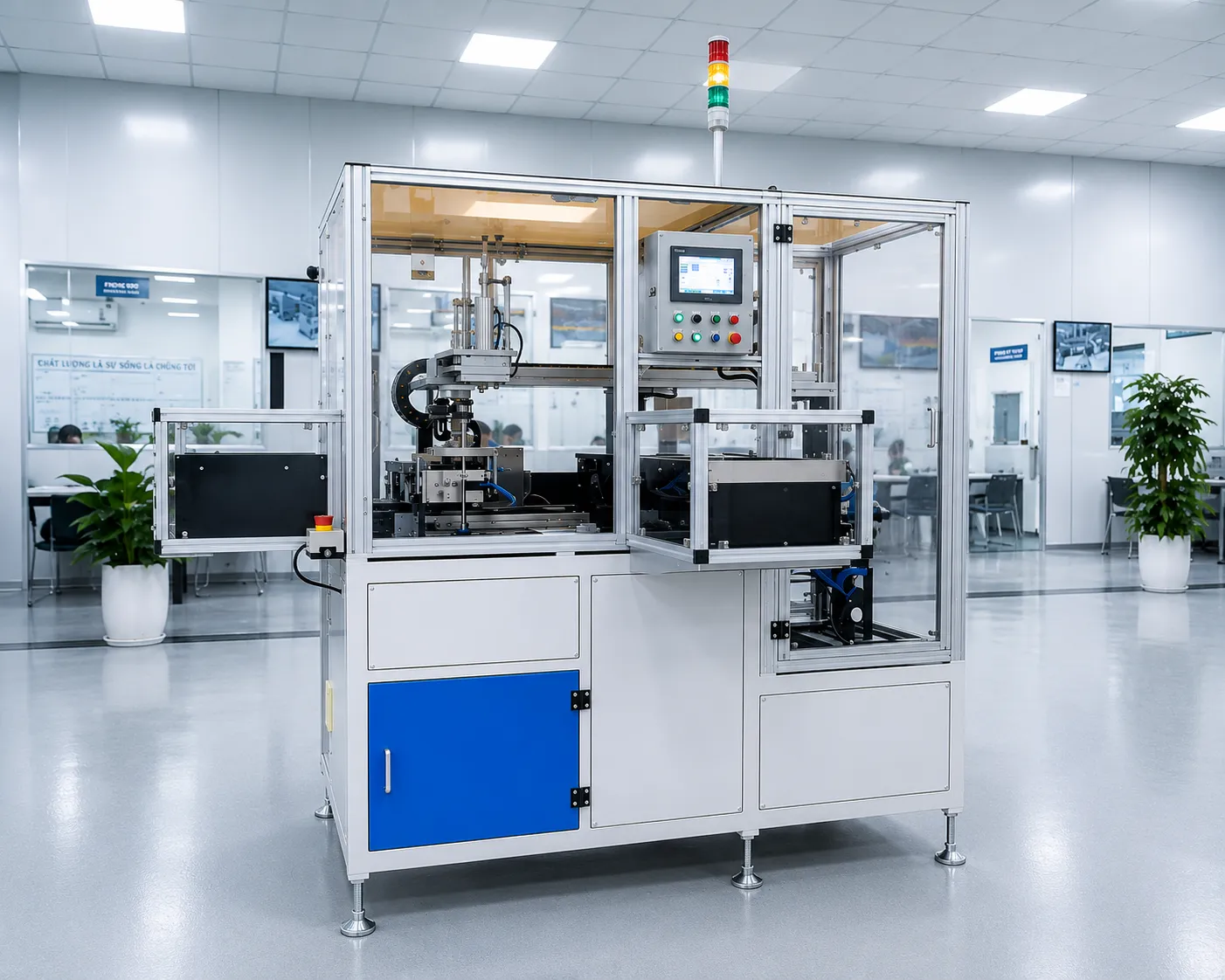
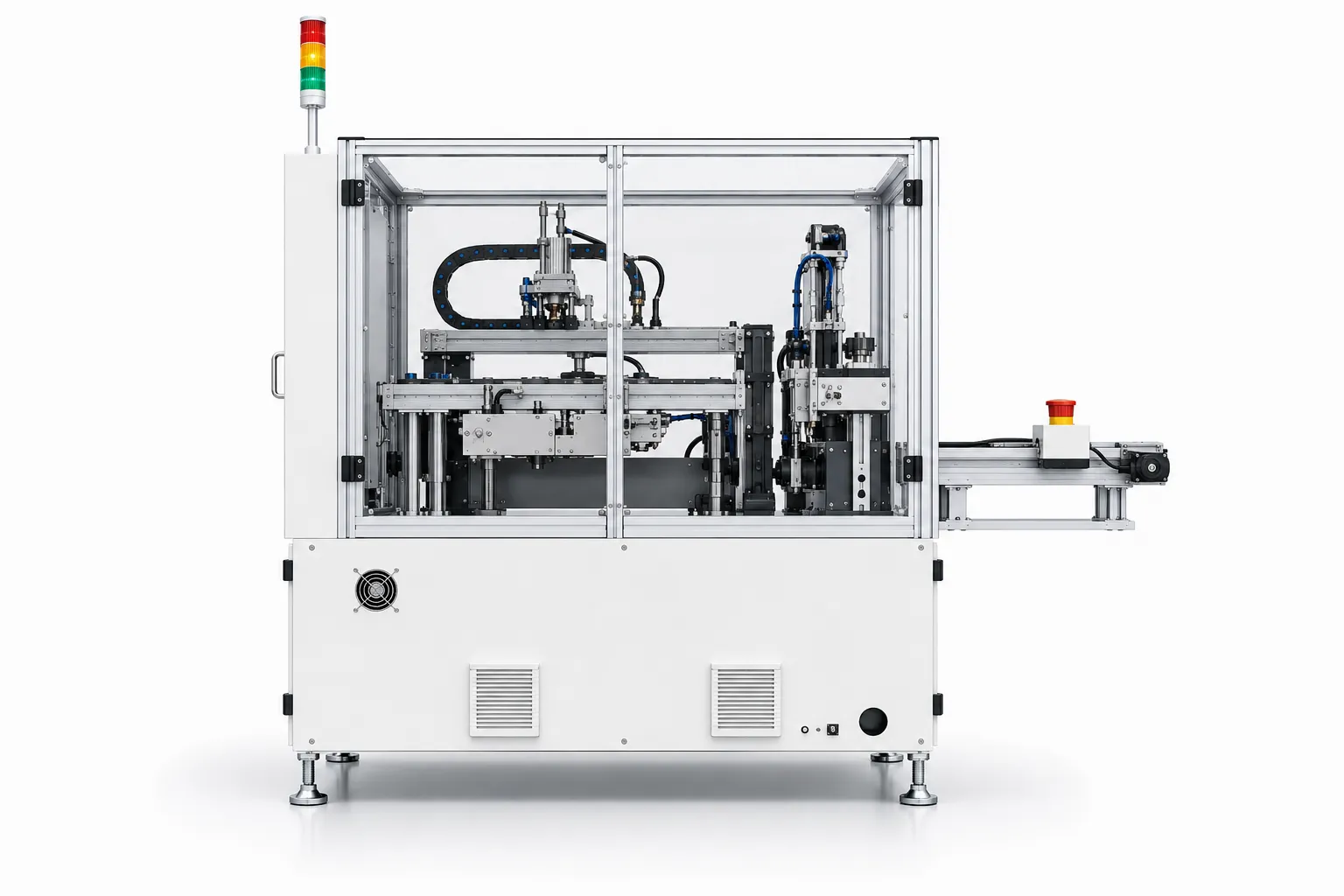
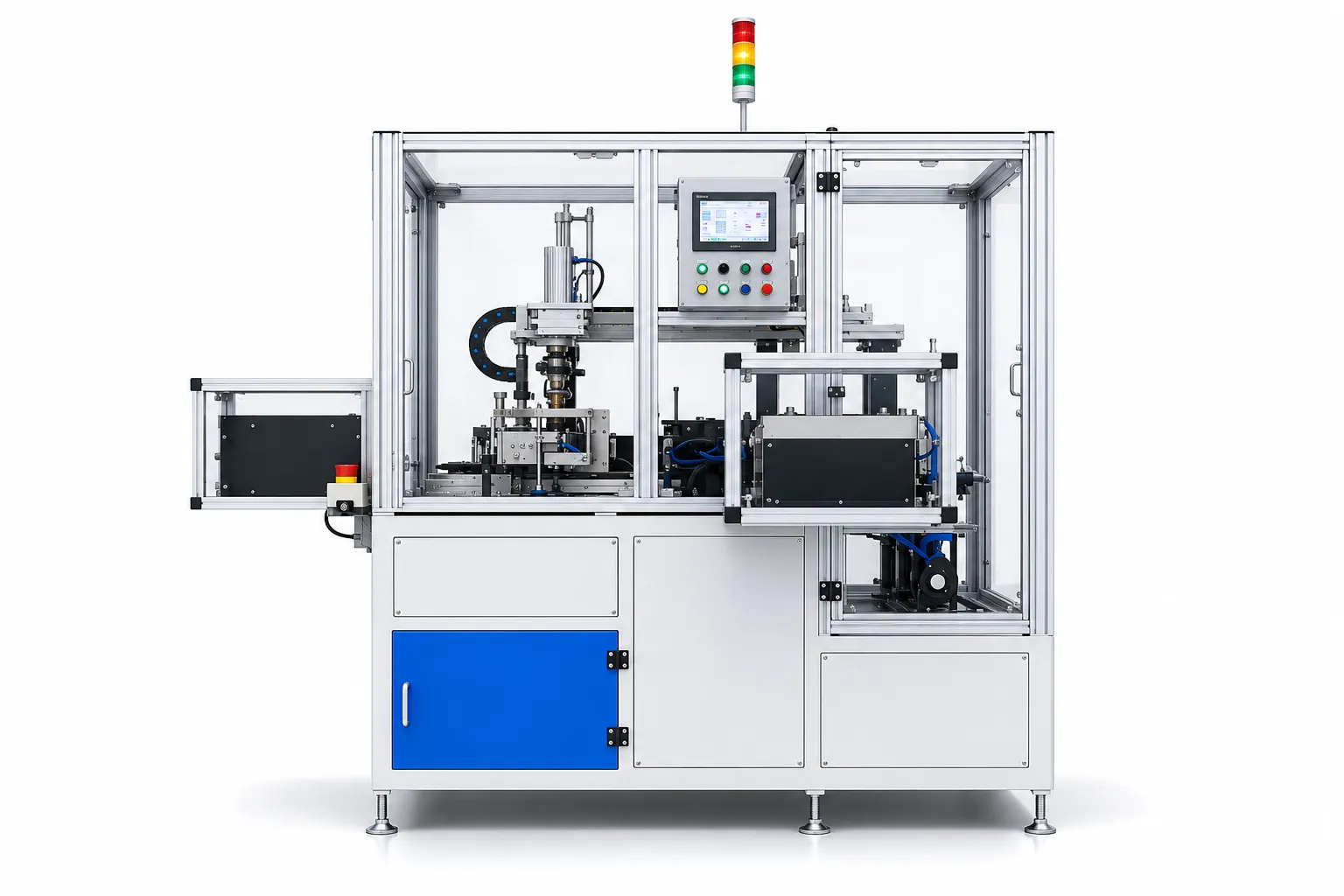
Flux Spraying and Solder Dipping Machine
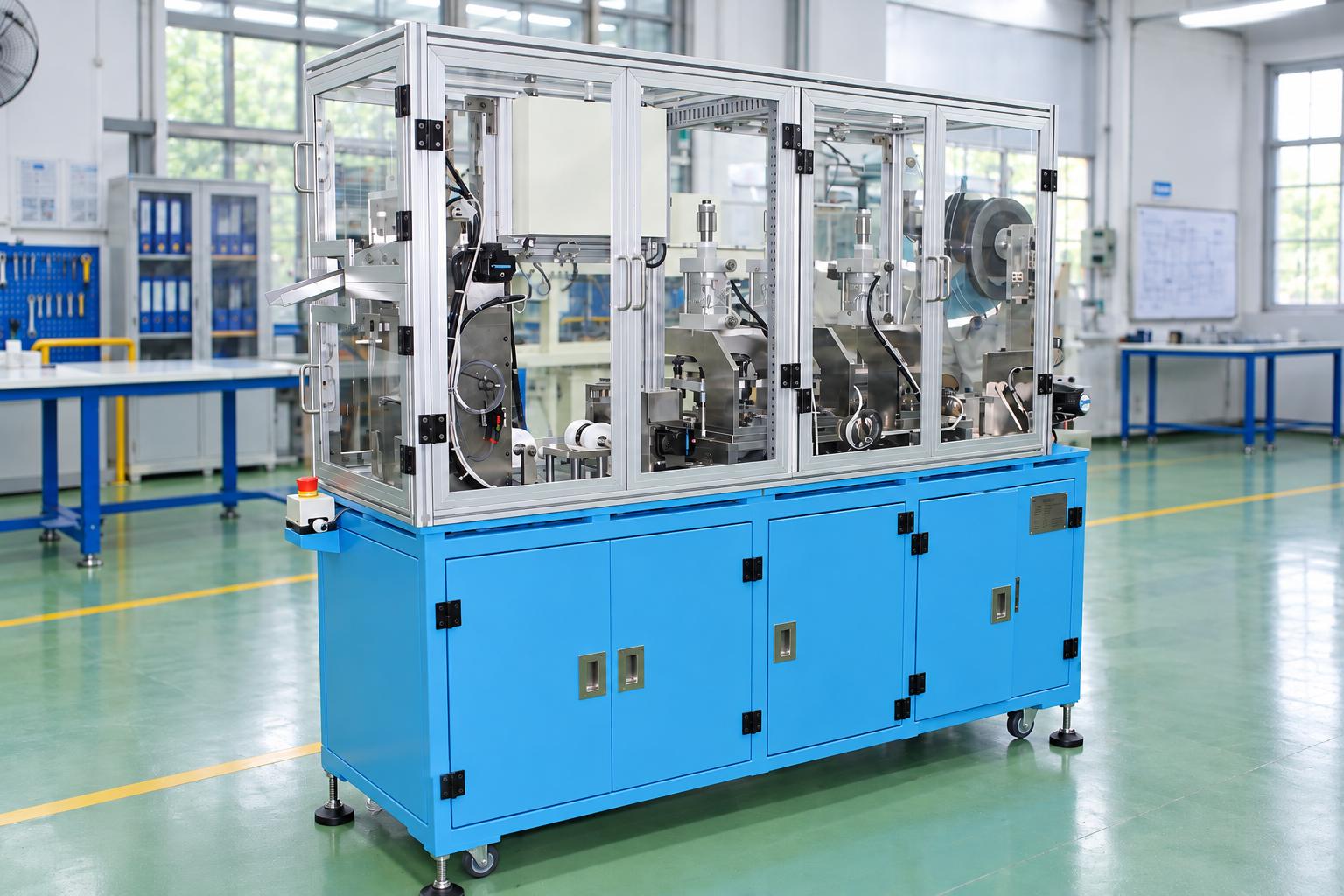
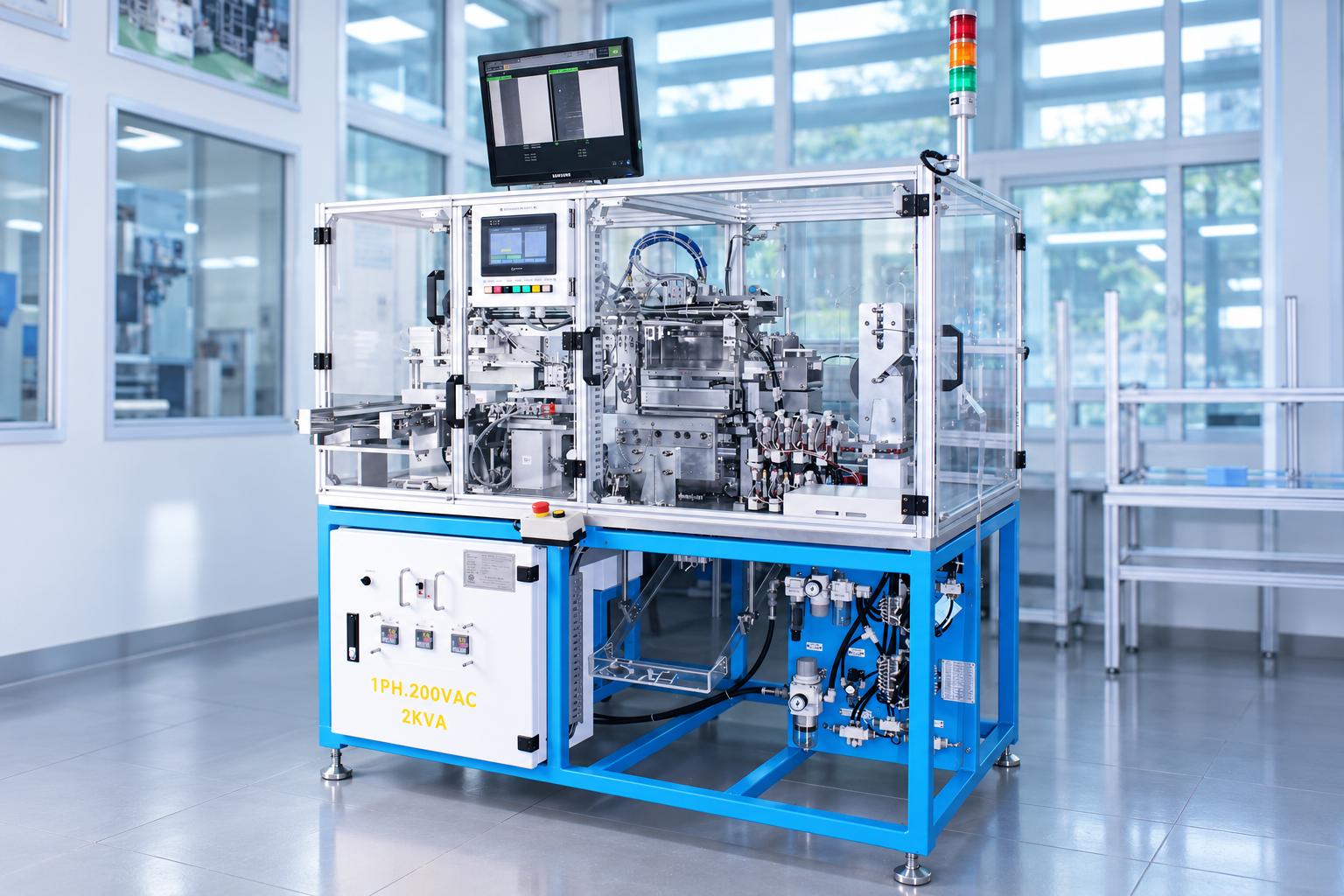
Flux Spraying and Solder Dipping Machine is a specialized automated system designed for electronic manufacturing and assembly lines. It performs the flux spraying and solder dipping processes consecutively for components, PCBs, cables, and other products according to pre-programmed parameters. The system enables precise control of the spraying position, flux volume, dipping speed, and processing conditions, thereby improving process stability and ensuring consistent soldering quality.
After the flux spraying process, the workpiece is automatically transferred to the solder dipping station, minimizing manual handling and ensuring consistent processing across products. With customizable jig design, motion mechanisms, and control systems, the machine can be engineered to meet the specific requirements of each application, including product geometry, process specifications, and production line configuration. With more than 15 years of experience in industrial automation, CNC VINA has designed, manufactured, and supplied customized automated equipment and production solutions for numerous customers in Japan, South Korea, and the electronics manufacturing industry.
VIETNAM CNC & TECHNOLOGY APPLICATION JOINT STOCK COMPANY
Hotline: +84.916 63 9355 / +84.915 74 4664
Email: Sales01@cncvina.com.vn / Sales03@cncvina.com.vn
Product description

Introduction to the Flux Spraying and Solder Dipping Machine
Flux Spraying and Solder Dipping Machine is a specialized automated system designed for electronic manufacturing and assembly lines. It performs the flux spraying and solder dipping processes consecutively for components, PCBs, cables, and other products according to pre-programmed parameters. The system enables precise control of the spraying position, flux volume, dipping speed, and processing conditions, thereby improving process stability and ensuring consistent soldering quality.
After the flux spraying process, the workpiece is automatically transferred to the solder dipping station, minimizing manual handling and ensuring consistent processing across products. With customizable jig design, motion mechanisms, and control systems, the machine can be engineered to meet the specific requirements of each application, including product geometry, process specifications, and production line configuration.
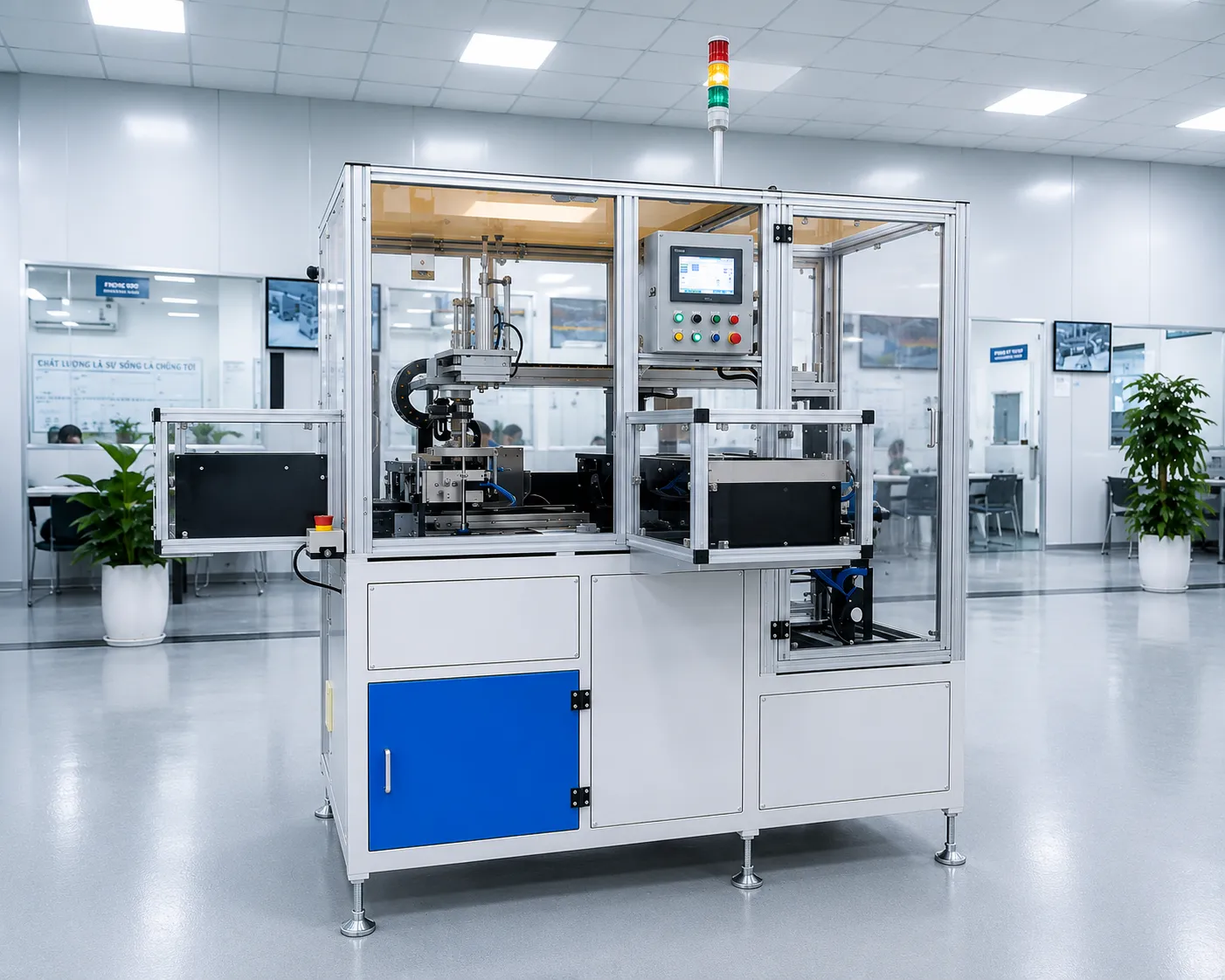
Technical Specifications of the Flux Spraying and Solder Dipping Machine
| Specification | Details |
|---|---|
| Machine Dimensions | L1566 × W1022 × H1950 mm |
| Power Supply | 1 phase, 220V – 50 Hz |
| Air Supply Requirement | 0.4 – 0.6 MPa |
| Conveyor Speed | 200 mm/s |
| Solder Dipping Unit Speed | 250 mm/s |
| Jig Transfer Unit Speed | 250 mm/s |
| Upper Frame | 30 × 30 aluminum profile |
| Chemical Tank | SUS304 stainless steel |
Features of the Flux Spraying and Solder Dipping Machine
The Flux Spraying and Solder Dipping Machine is an automated system designed for electronics manufacturing plants to automate surface treatment and soldering processes. The equipment integrates a flux spraying system with a solder dipping mechanism, enabling precise control of the spraying, heating, and dipping processes according to pre-programmed parameters. Automating these processes reduces manual handling, maintains consistent quality across products, and supports continuous, high-throughput production.
The flux spraying system is designed to distribute flux evenly over the designated areas of the workpiece. Spray volume, pressure, speed, and spraying distance can be adjusted according to the characteristics of each product, allowing precise control of flux consumption while minimizing insufficient or excessive application. For products with complex geometries or multiple areas requiring treatment, the spraying mechanism can be programmed according to specific zones and motion paths, improving coating uniformity while reducing material consumption. Following the flux spraying process, the solder dipping system performs the soldering operation according to predefined parameters. Solder bath temperature, travel speed, dipping depth, and immersion time are precisely controlled to maintain stable soldering conditions. Synchronized control of these parameters helps minimize defects such as insufficient solder coverage, excessive solder, or inconsistent solder joints, while improving the stability and reliability of the finished product after solder dipping.
The entire process is automatically controlled through a PLC and HMI system, allowing operators to set, monitor, and manage production parameters through an intuitive interface. Different programs can be configured for individual product models, reducing changeover time when switching between models and minimizing errors caused by manual settings. The control system can also incorporate alarm and protection functions to ensure stable and safe equipment operation in an industrial production environment.
In addition to its automation capabilities, the machine is designed to optimize material usage and improve production efficiency. Precise control of flux volume and solder dipping parameters helps reduce material waste, minimize defective products, and shorten rework time. The equipment can operate continuously with high stability, making it suitable for electronics production lines that require high throughput and consistent product quality. Depending on the requirements of each production line, the CNC VINA Flux Spraying and Solder Dipping Machine can be customized and integrated with feeding systems, conveyors, robots, positioning jigs, and inspection equipment. The machine configuration can be tailored to the product dimensions and geometry, required spraying or dipping locations, and target production cycle time. This product-specific design enables manufacturers to implement an automation solution that optimizes installation space and facilitates integration with existing production lines.
Flux Spraying Process
During the soldering of cables and electronic circuits, flux serves three primary purposes: removing oxides and contaminants from the surfaces to be soldered, preventing further oxidation by shielding the surfaces from air, and improving the wetting and spreading characteristics of molten solder to facilitate proper bonding.
Flux and soldering agents help clean the soldering surfaces, promote better solder wetting, and contribute to achieving high-quality solder joints. Since soldering is a critical process in electronics assembly, flux performance has a significant impact on the overall quality and reliability of the finished product. For applications requiring low-volume and low-pressure flux delivery, CNC VINA flux spray nozzles provide high transfer efficiency while minimizing overspray and airborne mist. The spray nozzles are designed for reliable operation over millions of cycles with minimal maintenance, requiring only periodic cleaning. The spray nozzle can be cleaned by flushing it with a suitable solvent to maintain stable spraying performance. The amount of flux dispensed is controlled by the valve open time, air pressure inside the reservoir, and needle stroke. The spray coverage area is determined by the nozzle size and the distance between the spray nozzle and the workpiece.
Flux Spraying Mechanism
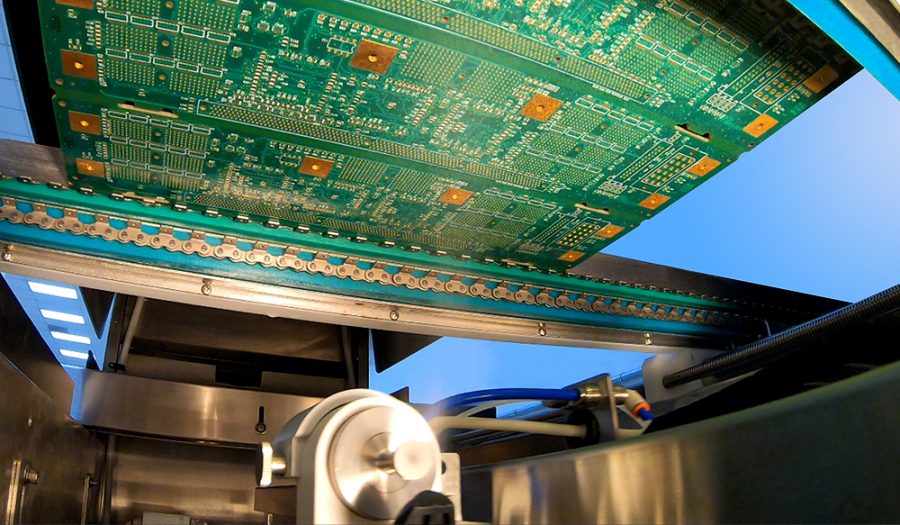
The flux stored in the reservoir is pumped to the spray nozzle under high pressure. When the workpiece reaches the spraying position, the control valve opens, and the flux is evenly sprayed onto the designated surface according to the preset flow rate and spray angle.
A typical flux spraying system consists of the following main components:
- Flux reservoir
- High-pressure pump
- Pressure and flow control valve
- Spray nozzle, designed as either a fixed or movable type depending on the product requirements
Machine Operating Principle
Step 1: The operator places the Jig onto the conveyor and presses the Start button.
Step 2: The conveyor transfers the Jig to the flux spraying unit.
Step 3: After the spraying process is completed, the Jig transfer unit moves the Jig to the solder dipping unit.
Step 4: The solder dipping unit immerses the Jig into the solder bath according to the pre-programmed parameters.
Step 5: Once the solder dipping process is completed, the Jig transfer unit lifts the Jig and moves it to the Output conveyor.
Step 6: The operator removes the Jig from the conveyor, completing the processing cycle.
Types of Flux Used in Flux Spraying and Solder Dipping Machines
Rosin Flux
Overview of Rosin Flux
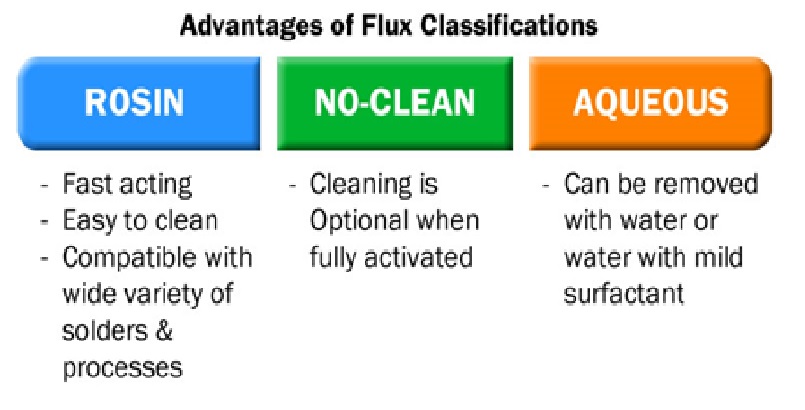
One of the most basic flux materials, which has been used for more than a thousand years, is natural rosin. Rosin is dissolved in a solvent and then refined to produce a purified, water-white rosin used in soldering. Rosin is a mixture of naturally occurring resins, primarily abietic acid and its related compounds. When used as a soldering flux, purified rosin is dissolved in a solvent, typically isopropyl alcohol. When used without the addition of acid activators, it is classified as R-type rosin flux.
Advantages and Applications of Rosin Flux
Activators can be added to flux to improve its ability to dissolve heavier oxide films, particularly those formed at the higher soldering temperatures required for lead-free solder alloys. Activated fluxes can be classified as RMA (Rosin Mildly Activated) or RA (Rosin Activated), depending on their level of activation. Common activators include organic acids, halogen-containing compounds such as chlorine and bromine, amides, and monobasic or dibasic organic salts. These activators can be corrosive and may need to be removed from the PCB after soldering to ensure long-term product reliability.
Automatic Solder Dipping Process
Solder dipping is a soldering process used to solder the leads of electronic components, cables, and other parts to form electronic assemblies. The process is performed by immersing the parts to be joined into a bath of molten solder. As a result, the exposed surfaces of the components are coated with a layer of solder material. Solder has relatively low surface tension and good wetting properties, which facilitate the formation of reliable solder joints. The most important component of a solder dipping system is the molten solder bath. Different types of solder alloys are available for different applications. Lead-silver alloys are used where enhanced strength at room temperature is required. Tin-lead alloys are commonly used as general-purpose solder, while tin-zinc alloys are suitable for aluminum applications. Silver-cadmium alloys are used for applications requiring high-temperature strength, whereas aluminum-zinc alloys are used for aluminum and corrosion-resistant applications. Tin-silver alloys are widely used in electronics manufacturing.
Common solder dipping processes use zinc-aluminum and tin-lead solder alloys. Typical solder bath temperatures are 220–260°C for binary tin-lead alloys and 350–400°C for lead-free alloys, depending on the specific solder composition and application. A typical solder composition is 60% Sn / 40% Pb, or a eutectic solder alloy.
Key Features of the CNC VINA-Designed Solder Bath:
- Integrated temperature controller: Reduces energy consumption by up to 30% and provides temperature control accuracy of up to ±1°C.
- Separate solder dross collection tank: The solder dross collection system is separated from the main solder pot, allowing solder residues to be collected and potentially reused.
- Automatic power reduction: Once the solder temperature reaches the preset level, the temperature stabilization system is activated and the heating power is automatically reduced.
Types of PCB Solder Dipping and Surface Finishes
Hot Air Leveling (HAL)
Definition of HAL
Hot Air Leveling (HAL) is a traditional and widely used PCB surface finishing method. The process applies molten solder to the exposed copper surfaces of the PCB, after which hot air is used to remove excess solder and produce a relatively uniform coating across the board surface. HAL offers advantages such as low cost, ease of implementation, good solderability, and compatibility with many standard assembly processes. However, the method may result in variations in solder coating thickness, can be susceptible to oxidation over time, and introduces thermal stress during processing. HAL is also less suitable for PCBs using fine-pitch components or applications requiring a highly flat surface. When lead-containing solder is used, the process does not comply with RoHS requirements unless a lead-free solder material is adopted.
Organic Solderability Preservative (OSP)
OSP is an organic protective coating applied directly to the copper surface of a PCB to minimize oxidation and maintain solderability. The coating is removed during the soldering process, exposing the underlying copper surface. OSP offers advantages including low cost, lead-free composition, and compliance with RoHS requirements. It also provides a relatively flat surface, making it suitable for PCBs with high-density and fine-pitch components. However, OSP has a limited shelf life and may degrade after multiple soldering cycles. The coating is also relatively sensitive to humidity and handling conditions. Compared with some other surface finishing methods, OSP can make PCB repair and rework more challenging.
Electroless Nickel Immersion Gold (ENIG)
Electroless Nickel Immersion Gold (ENIG)
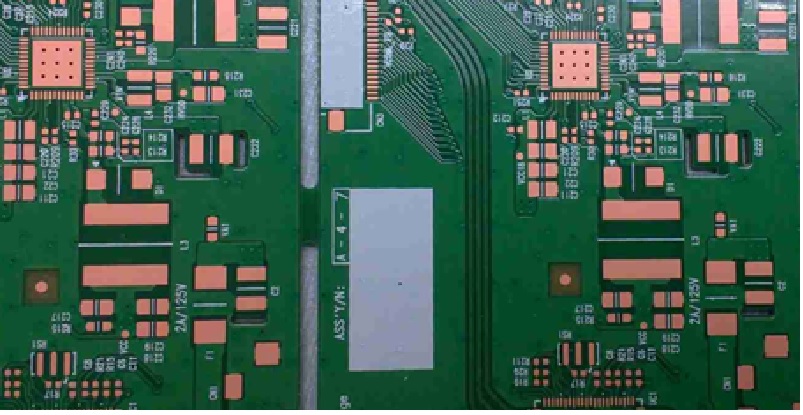
ENIG is a surface finishing process in which a layer of electroless nickel is deposited onto the copper surface, followed by a thin layer of immersion gold. The nickel-gold structure provides the PCB with a flat surface, high corrosion resistance, and stable solderability over an extended period. ENIG is suitable for PCBs with fine-pitch components, stringent surface flatness requirements, and applications involving multiple thermal cycles. The process is also lead-free and compliant with RoHS requirements.
The main disadvantages of ENIG are its higher cost compared with HAL and some other surface finishing methods. In certain conditions, gold embrittlement may occur, while PCB repair and rework can also be less convenient.
Immersion Silver (IAg)
Immersion Silver (IAg) uses a chemical displacement process to form a thin layer of silver on the copper surface of the PCB. The silver coating maintains good solderability while providing low contact resistance. It is also lead-free and suitable for applications requiring RoHS compliance.
IAg is compatible with a wide range of assembly processes and can withstand multiple reflow cycles without significantly affecting the spacing between circuit traces due to its thin coating thickness. However, IAg is generally more expensive than HAL. In addition, silver may oxidize or undergo migration over time, which can affect surface stability. PCB repair and rework after processing can also be more challenging.
Immersion Tin (ISn)
Immersion Tin (ISn) is a surface finishing process that forms a thin layer of tin on the copper surface through a chemical treatment. The coating protects the copper from oxidation and helps maintain good solderability.
ISn offers several advantages, including a lead-free composition, compliance with RoHS requirements, and a relatively flat surface finish suitable for PCBs with high-density and fine-pitch components. Compared with HAL, ISn provides better control of surface flatness and can withstand repeated thermal cycles.
However, ISn is generally more expensive than HAL, while PCB repair and rework can be less convenient. Compatibility with certain legacy flux formulations may also be limited.
Key Features of the Flux Spraying and Solder Dipping Machine
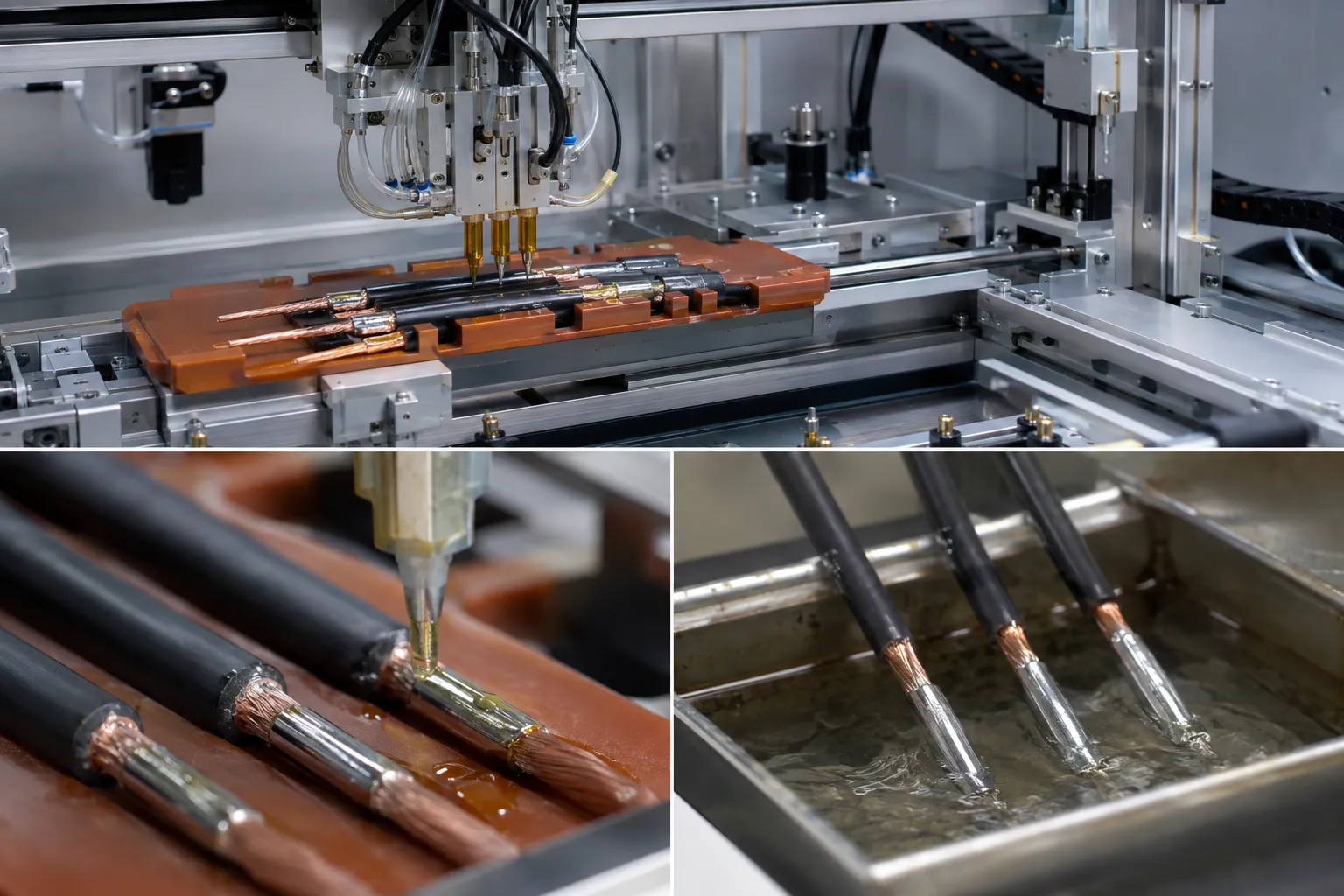
The Flux Spraying and Solder Dipping Machine is designed to automate the flux spraying and solder dipping processes, ensuring consistent processing conditions while minimizing manual handling. Cables or other workpieces are securely positioned on a Jig and then automatically transferred to the flux spraying and solder dipping stations according to the programmed sequence. This configuration ensures accurate product positioning throughout the process while facilitating integration with automatic loading and unloading operations. The spray head is designed with two-axis movement, enabling multi-point spraying according to the product profile and predefined spraying positions. Stepper motors are used to control the spray head movement with high positioning accuracy, helping maintain consistent spray locations and minimize variations between production cycles.
For products with multiple spraying points or different spraying patterns, operators can directly set and fine-tune the coordinates through the HMI touchscreen, making program setup and product changeovers more convenient. The machine supports multi-point spraying, allowing multiple spray coordinates to be programmed according to the specific areas requiring treatment on the workpiece. Process parameters and spray coordinates can be adjusted directly through the HMI interface, enabling operators to easily create new programs or fine-tune spraying conditions when changing products. The ability to save and reuse programmed settings helps reduce production preparation and setup time, particularly on production lines handling multiple product models.
In addition to the motion control system, the machine is equipped with an operation status monitoring and alarm system. When an abnormal condition is detected, the equipment can automatically stop to prevent defective products or potential damage to other machine components. Operating status and error information are displayed on the control panel, allowing operators to quickly identify the cause and take appropriate corrective action. This function plays an important role in reducing unplanned downtime and maintaining stable production line performance during continuous operation.
Advantages of the Flux Spraying and Solder Dipping Machine
Automating the flux spraying and solder dipping processes helps manufacturers reduce manual operations, thereby lowering labor requirements and improving production productivity. Products are positioned using Jigs and processed according to pre-programmed sequences, reducing dependence on operator handling and maintaining consistent processing conditions from one product to another. Compared with manual spraying, the coordinate control system and spray head mechanism provide more consistent control over the spraying position, pattern, and volume. The multi-point spraying function enables flux to be accurately applied to the required areas, minimizing uneven or excessive spraying. This helps reduce flux consumption and optimize material costs throughout the production process.
The HMI-based control system simplifies machine setup, operation, and program changeovers. Operators can directly adjust spray coordinates on the touchscreen without performing extensive mechanical adjustments. Programs configured for individual product models also help shorten changeover time between different models, making the machine suitable for production lines handling multiple product variants. Another advantage of the equipment is its ability to automatically detect abnormal conditions and stop the machine when necessary. Alarm information is displayed on the control panel, enabling maintenance personnel to quickly identify the equipment status, reduce troubleshooting time, and minimize unplanned downtime. This contributes to maintaining operational efficiency and reducing the risk of defects throughout the production line.
Related Products to the Flux Spraying and Solder Dipping Machine
Protective Gel Spraying Machine: Used to spray waterproof and moisture-resistant protective gel onto product surfaces.
Electrostatic Powder Coating Machine: Uses electrostatic spraying technology to apply coating materials onto metal surfaces.
Adhesive Dispensing Machine: Used to dispense adhesive for bonding components together during the manufacturing process.
Solvent Spraying Machine: Used to clean and remove contaminants from surfaces with solvents before subsequent manufacturing processes.
Mist Spraying Machine: Generates a fine mist to humidify material surfaces in certain manufacturing and processing applications.
PCB Flux Spraying Machine: Designed specifically for the flux spraying process.
Adhesive Dispensing and UV Curing Machine: Used for adhesive dispensing and application processes.
Although these machines differ in terms of their functions and spraying materials, they share similar operating principles with the Flux Spraying and Solder Dipping Machine, including automated material dispensing, controlled spraying, and programmable motion.
The Flux Spraying and Solder Dipping Machine is an essential solution for manufacturers in the electronics industry looking to automate flux application and solder dipping processes before products move to subsequent production stages. With high operating speed and optimized energy consumption, the machine enables manufacturers to improve productivity while reducing dependence on manual labor. Although the initial investment cost of an automated machine may be relatively high, the long-term benefits in terms of labor cost reduction, production efficiency, process consistency, and reduced material waste can make it a cost-effective solution over the machine's service life. If your company is looking for a customized solution for flux spraying and solder dipping, please contact CNC VINA for professional consultation and a suitable automation solution.
Customers looking for automated equipment for the electronics assembly industry are welcome to contact:
VIETNAM CNC & TECHNOLOGY APPLICATION JOINT STOCK COMPANY
Factory: Song Cung Industrial Cluster, Dong Thap Commune, Dan Phuong District, Hanoi City, Vietnam
Office: Rox Center Ho Tung Mau Building (Rox Tower Goldmark City), 136 Ho Tung Mau Street, Bac Tu Liem District, Hanoi, Vietnam
Phone: +84.916 63 9355 / +84.915 74 4664
Website: https://cncvina.com.vn; https://cncvina.net; https://cncviname.com.vn