 Tiếng
Việt
Tiếng
Việt
 Tiếng
Anh
Tiếng
Anh
 Tiếng
Nhật
Tiếng
Nhật



 Tiếng Anh

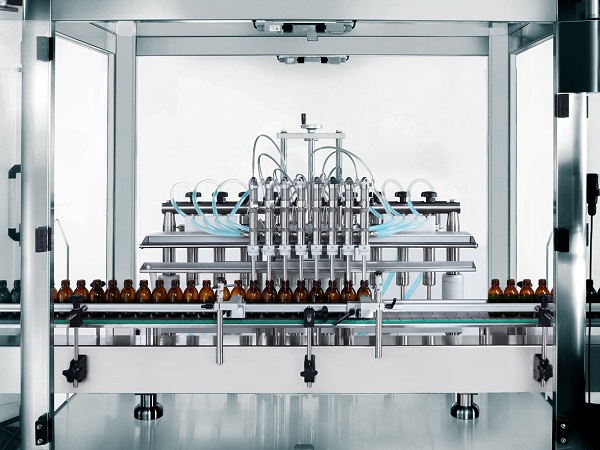
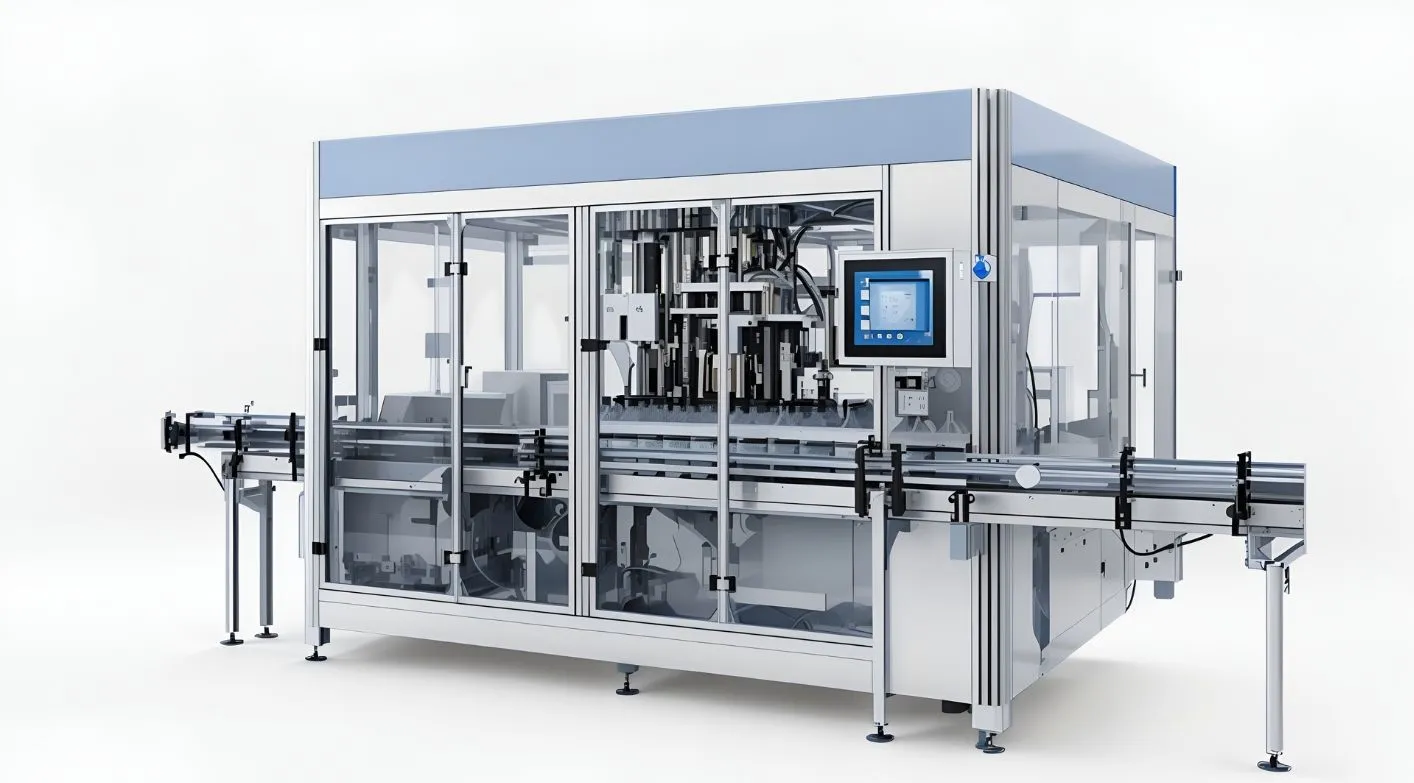
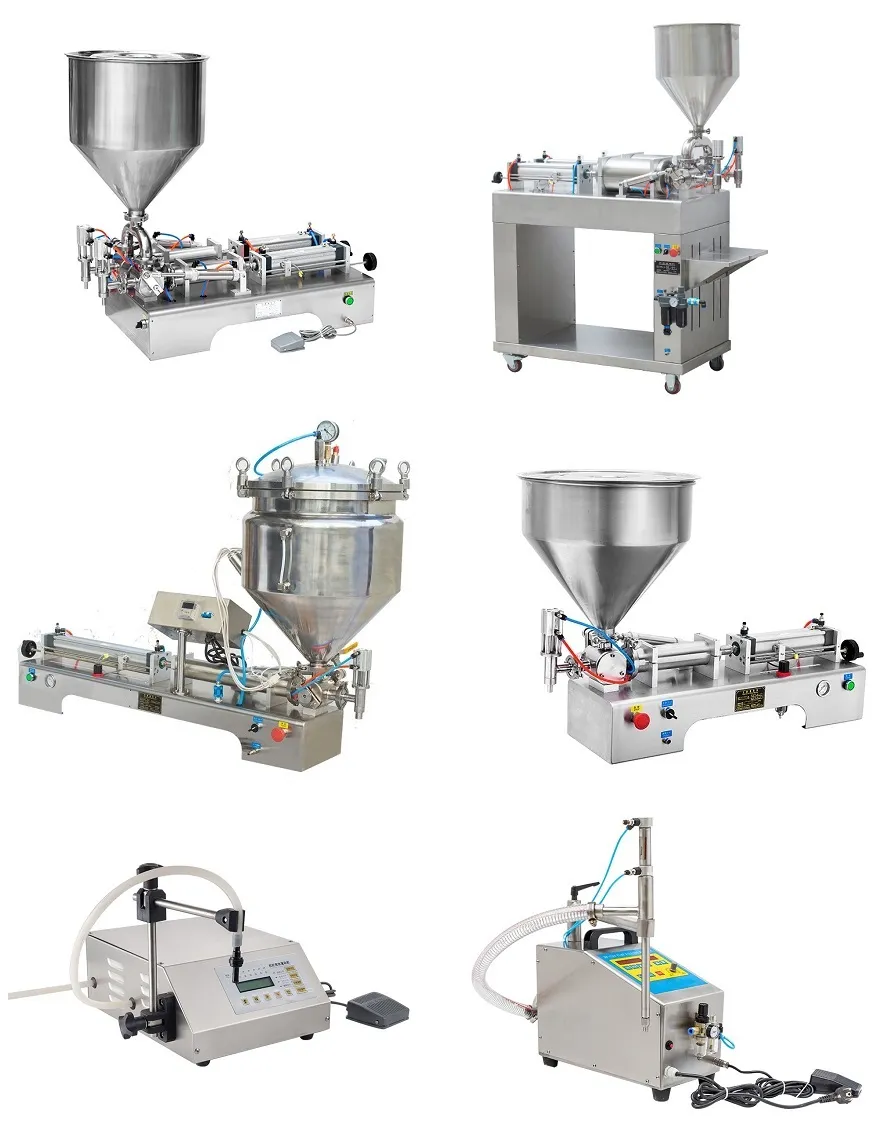
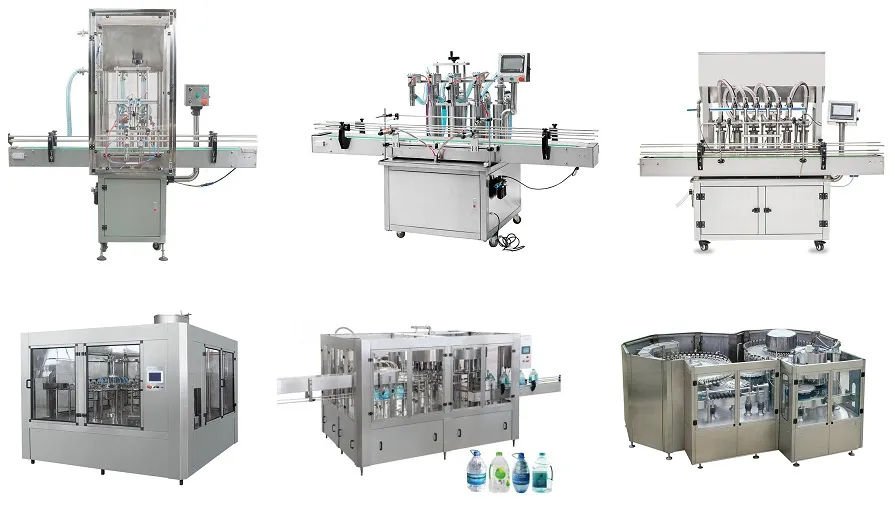
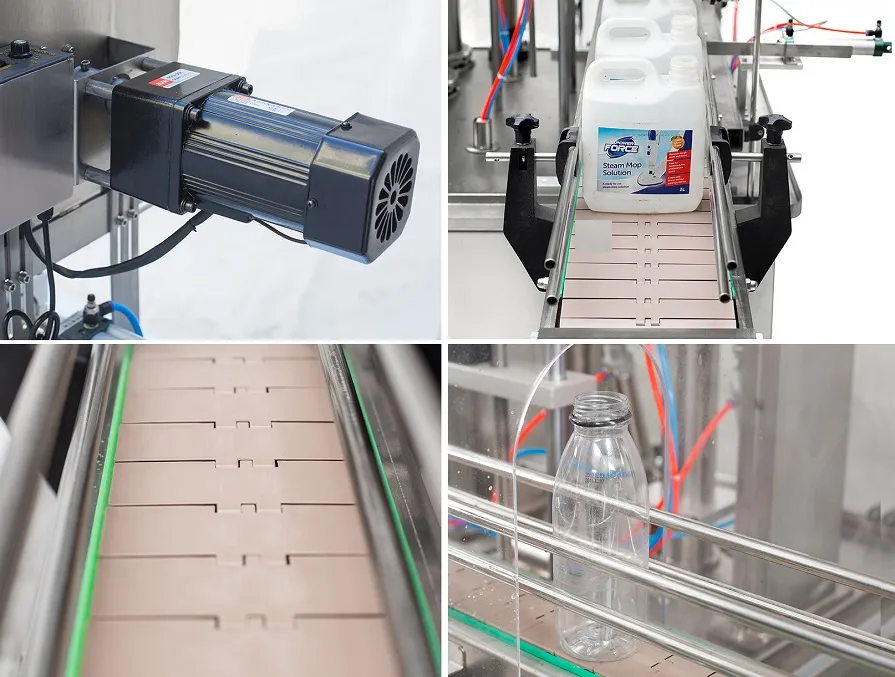
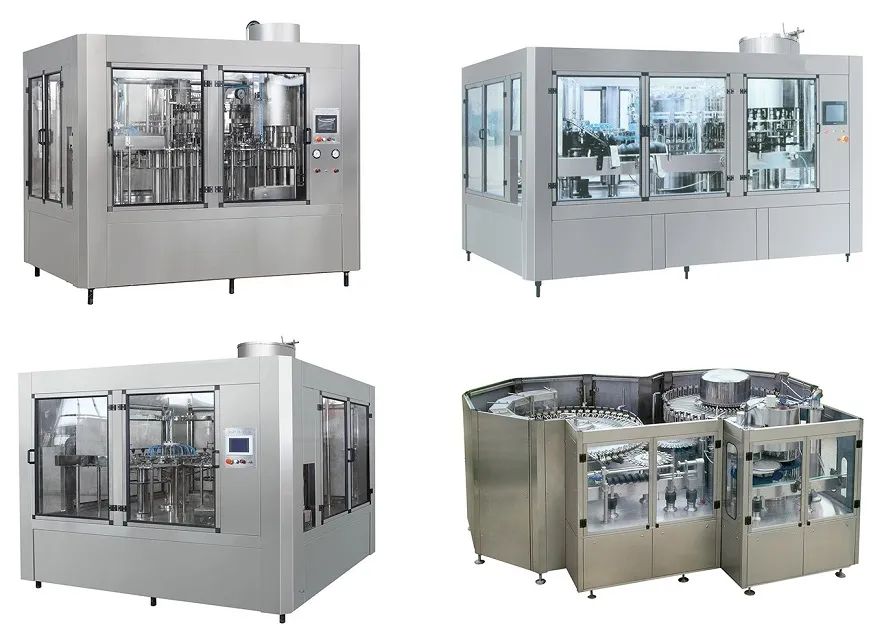
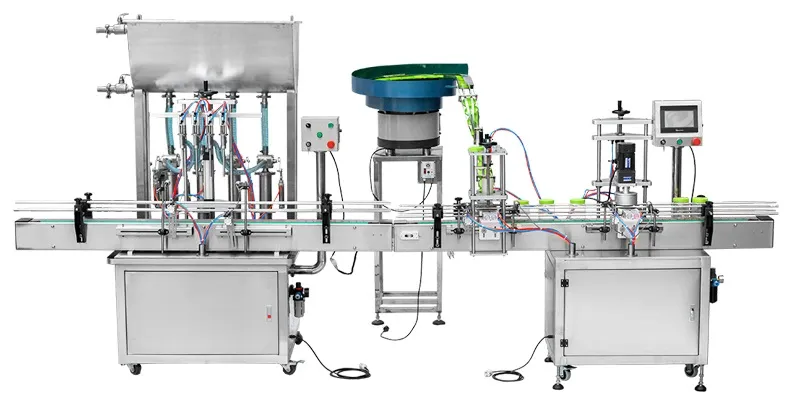
Filling machine, filling line
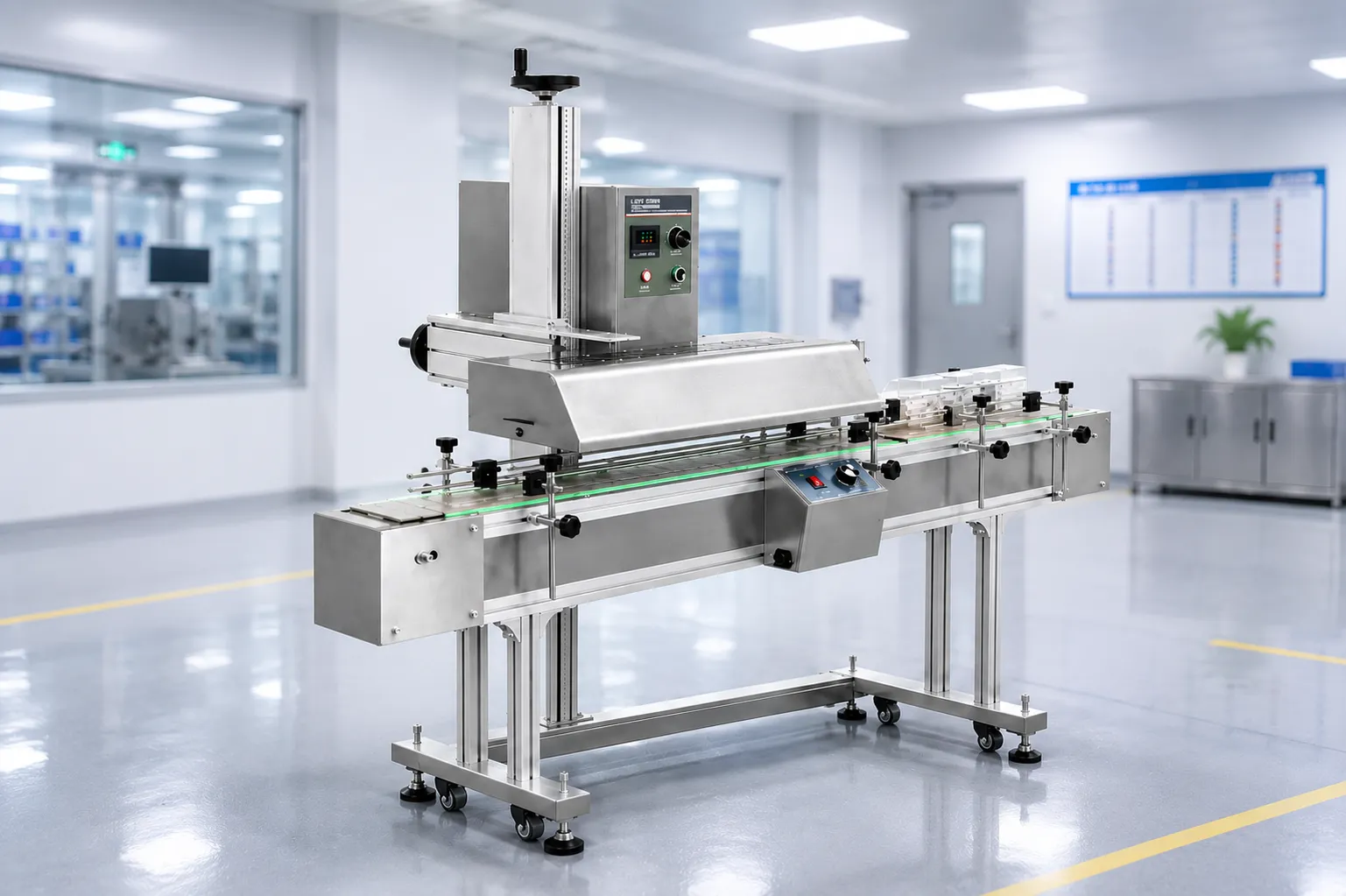
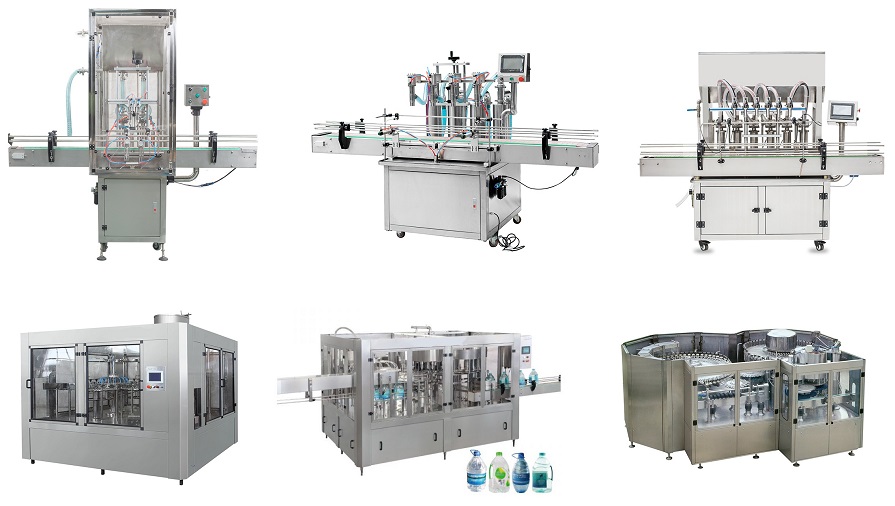
Machine for filling water, liquids, pastes, and chemicals with high precision. Designed from stainless steel, compact and easy to use, providing high filling productivity to ensure food hygiene and safety. CNC-VINA provides bottling solutions with automatic machines for the food, beverage, agricultural, medical and consumer industries.
Customers who need automatic machines and automatic lines for filling and automation solutions, please contact us for advice and support:
VIETNAM CNC & TECHNOLOGY APPLICATION JOINT STOCK COMPANY
Hotline: +84.916 63 9355 / +84.915 74 4664
Email: Sales01@cncvina.com.vn / Sales03@cncvina.com.vn
Product description

Introduction to filling machines and filling lines
A filling machine is equipment used to measure and dispense products into bottles, jars, cans, pouches, or other types of packaging according to a preset volume or weight. Depending on the product characteristics, packaging specifications, and required production capacity, the machine can use various filling methods, including piston filling, pump filling, gravity filling, level filling, weight-based filling, or counter-pressure filling. CNC VINA designs and manufactures filling machines and filling lines for a wide range of products, including water, beverages, cooking oil, fish sauce, sauces, cosmetics, chemicals, pharmaceuticals, and other liquid, semi-liquid, or high-viscosity products. The equipment can operate independently or be integrated with bottle feeding, capping, labeling, and carton packing systems to form an automated packaging line.
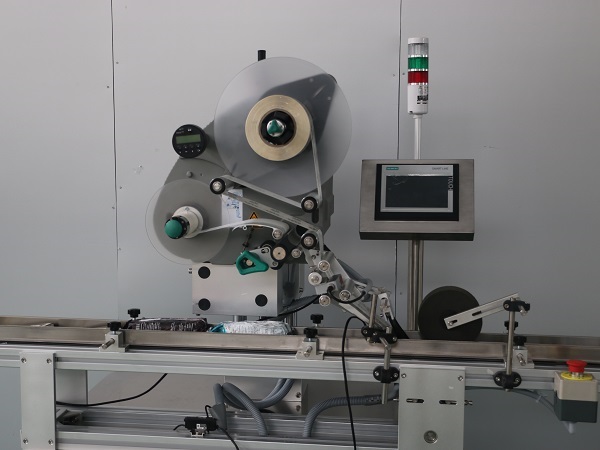
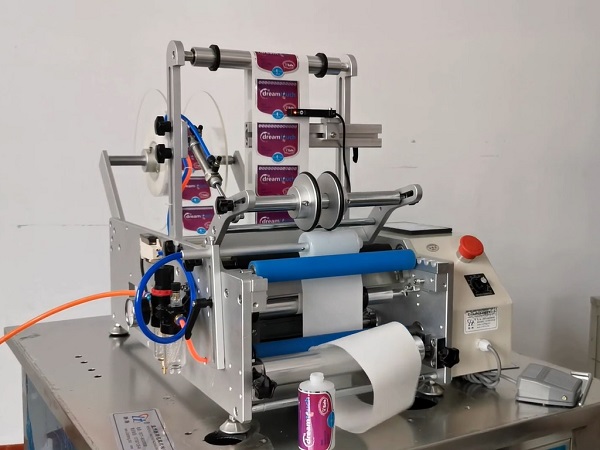
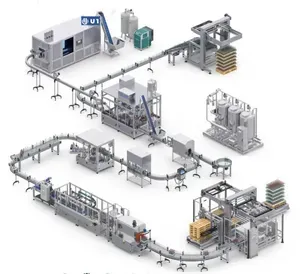
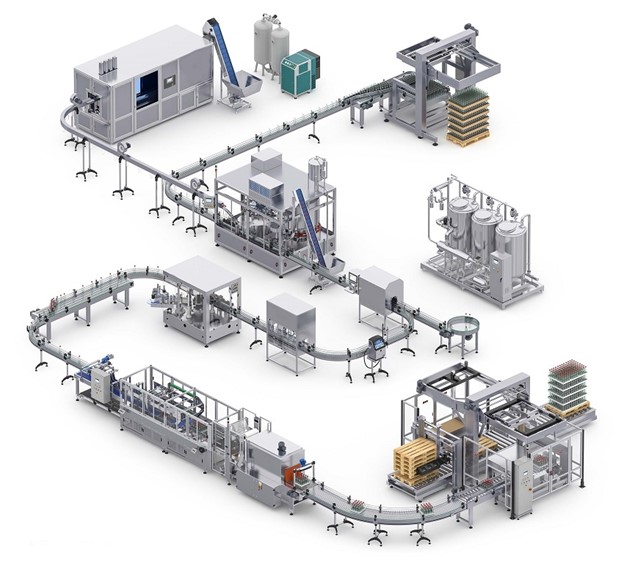
A filling line is a system that combines a filling machine with equipment for bottle feeding, conveying, capping, labeling, coding, and packaging. Compared with a standalone filling machine, a filling line is designed to connect multiple production stages within a unified process, helping reduce manual handling, maintain stable production capacity, and meet the automation requirements of manufacturing facilities.
So, what are the key advantages of filling machines in an automated production line? Let’s explore these features with CNC VINA in the article below.
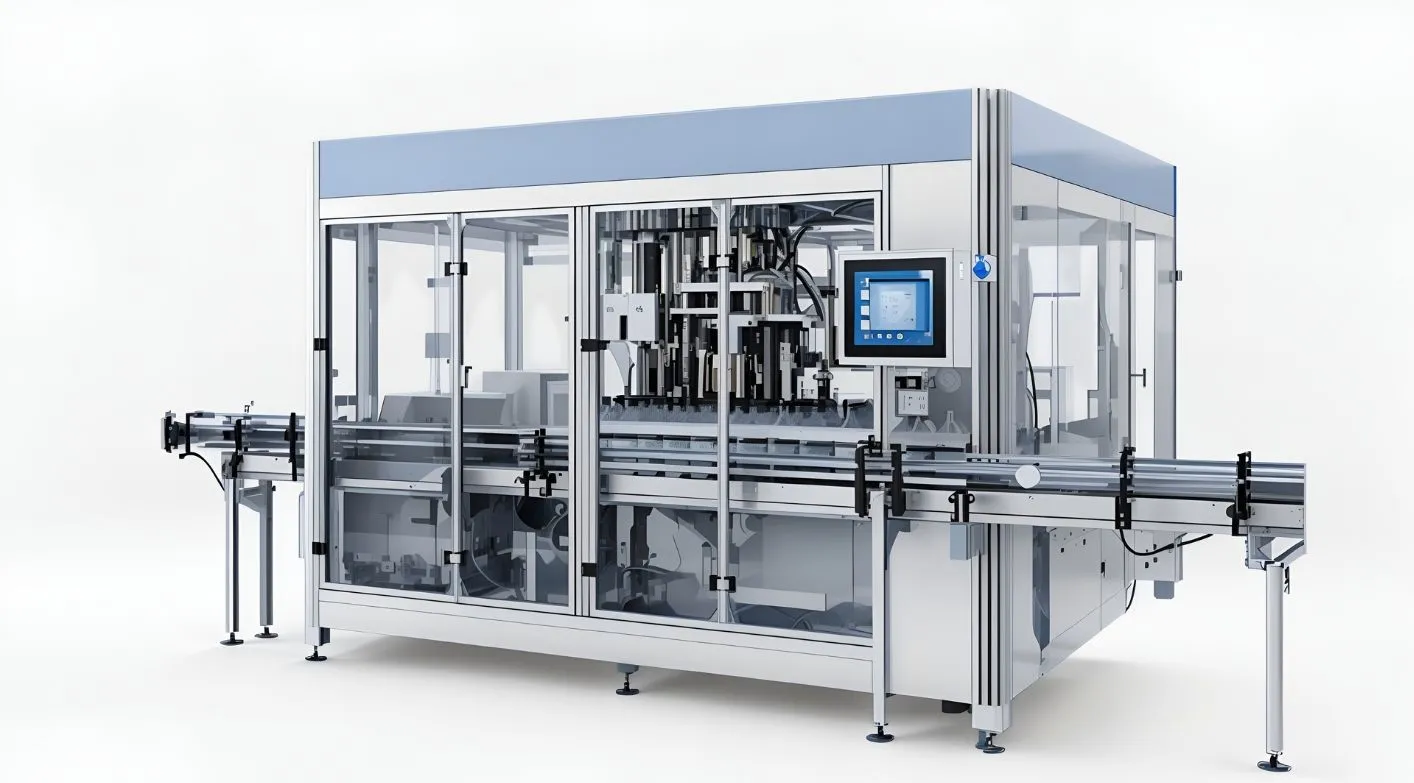
Filling machine technical specifications
| Specification | Details |
|---|---|
| Frame material | SUS 304 stainless steel |
| Number of filling nozzles | 8 |
| Filling line speed | 2,800–3,500 products/hour |
| Electrical power | 1 kW |
| Power supply | 3-phase, 380V, 50 Hz |
| Machine weight | 800–1,000 kg |
| Air pressure | 3–8 kgf/cm² |
| Operators required | 1 operator |
Actual specifications may vary depending on the filling volume, product viscosity, foaming characteristics, packaging type, number of filling nozzles, and the level of automation required for the filling line. CNC VINA will recommend and design a suitable machine configuration after evaluating the product, packaging samples, and required production capacity.
How does a filling machine work?
In general, an automatic filling machine operates through a series of main steps:
-
Bottles or other containers are fed into the machine manually or by a conveyor system.
-
A positioning mechanism holds each container in the correct position beneath the filling nozzles.
-
The product is transferred from the storage tank to the filling nozzles through a pump, piston, gravity valve, or another suitable metering method.
-
The control system regulates the amount of product to be dispensed based on the preset volume, weight, liquid level, or filling time.
-
Once the filling process is complete, the filling nozzles retract, and the containers are transferred to the next stage, such as capping, labeling, or packaging.
Depending on the type of product, the machine can be equipped with additional components such as agitators, heating systems, overflow protection sensors, anti-drip filling nozzles, or product recirculation systems. These components help maintain filling stability, particularly when handling high-viscosity products, foaming liquids, or products that need to be maintained at a specific temperature throughout the filling process.
Advantages of CNC VINA filling machines and filling lines
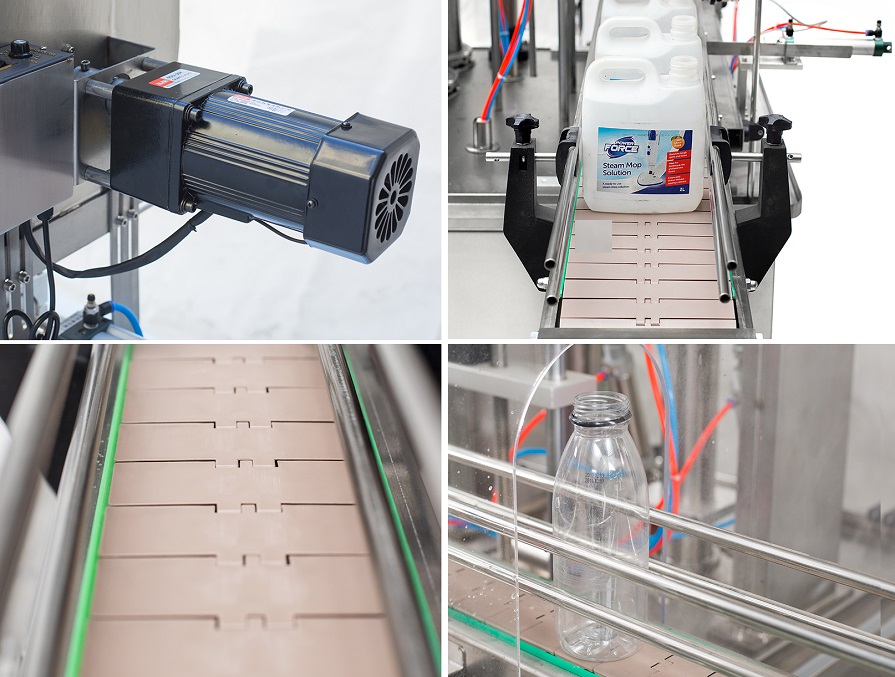
CNC VINA filling machines and filling lines are consulted, designed, and manufactured based on each customer's product characteristics, packaging type, filling volume, and required production capacity. Depending on the production scale, customers can choose manual, semi-automatic, or fully automatic machines with different metering methods suitable for liquid, semi-liquid, gel, or high-viscosity products. The equipment features a flexible configuration that can be adjusted according to bottle type, filling volume, number of filling nozzles, and actual operating requirements. The machine can also be integrated with conveyors, bottle feeding systems, capping machines, labeling machines, and other packaging equipment to form a complete automated production line.
By reducing manual handling, the system helps maintain stable production capacity and consistent filling volumes. The configuration can also be expanded or upgraded when production requirements increase, allowing businesses to gradually improve their level of automation without having to redesign the entire production process.
Common types of filling machines
Manual filling machines
Manual filling machines are suitable for small-scale production facilities, laboratories, or products with relatively low production volumes. The operator manually positions the container, activates the filling cycle, and removes the filled product after the process is completed.
The main advantages of manual filling machines are their simple structure, ease of operation, and relatively low investment cost. However, production capacity and filling consistency still depend significantly on the operator's handling speed and accuracy. This type of machine is therefore generally more suitable when production volume is limited or when flexible operation is prioritized over high-speed automation.
Semi-automatic filling machines
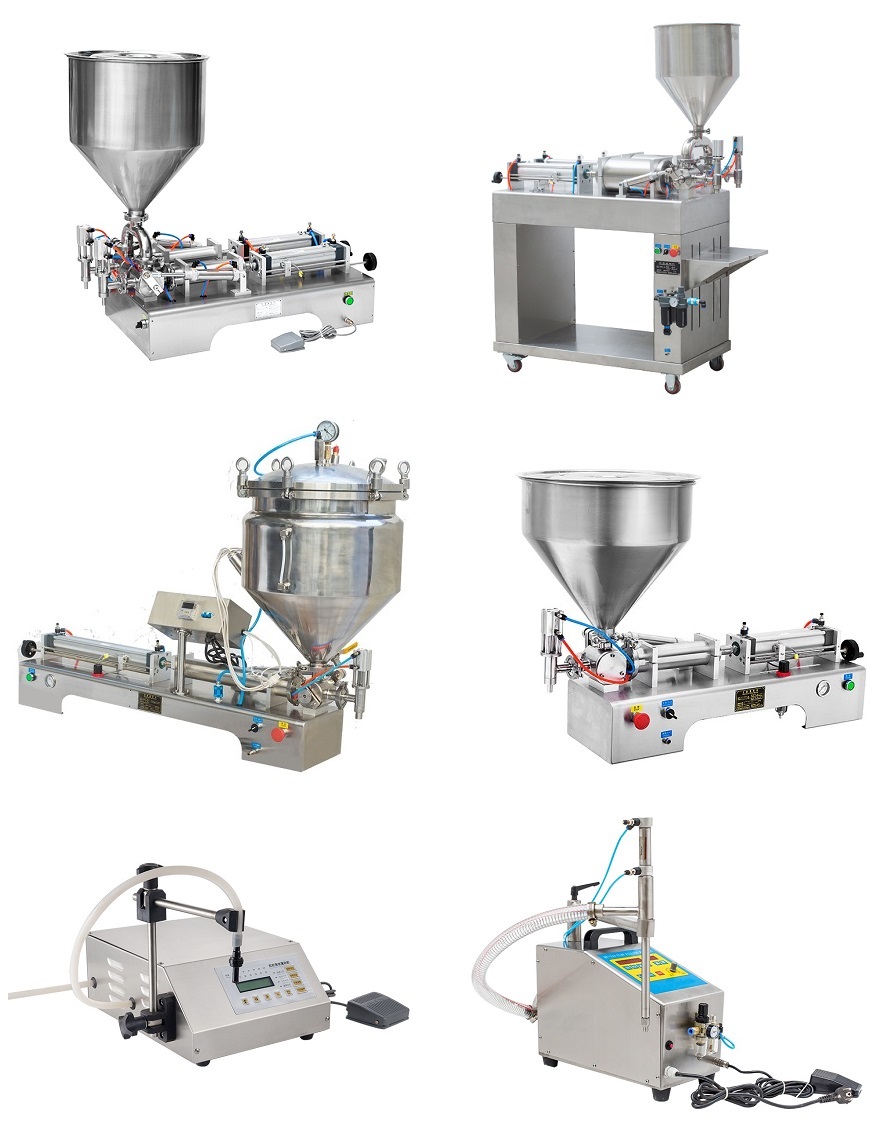
Semi-automatic filling machines are suitable for businesses that want to increase production capacity without fully automating the entire packaging line. The operator places the bottle or container into the filling position and then activates the machine using a push button, foot switch, or other control method.The machine can be configured with one or multiple filling nozzles and combined with pneumatic pistons, pumps, or other suitable metering mechanisms depending on the product characteristics and filling requirements. Se mi-automatic filling machines are commonly used for products such as fish sauce, cooking oil, sauces, chili sauce, honey, shampoo, dishwashing liquid, and other liquid or semi-viscous products. Depending on the product, the machine can be equipped with additional components such as a hopper or product tank with an agitator, a heating system, anti-drip filling nozzles, a product counter, and low-level sensors for detecting when the product supply is running low. These configurations help improve filling stability and make the equipment more suitable for different production processes.
Automatic filling machines
Automatic filling machines perform bottle feeding, positioning, filling, and product transfer to the next stage with minimal operator intervention. Bottles are conveyed by a conveyor system or bottle feeding mechanism to the filling station, where they are accurately positioned before the filling process begins. Once the preset filling volume or weight has been reached, the filled containers are automatically transferred to downstream equipment such as capping machines, labeling machines, or other packaging systems. The entire process can be controlled and synchronized through the machine's control system, depending on the configuration and level of automation.
Automatic filling machines are suitable for businesses with high production volumes, continuous operating requirements, and a need for consistent coordination between different stages of the packaging process. When integrated with bottle feeding, capping, labeling, coding, and packaging equipment, the filling machine can become part of a complete automated filling and packaging line, helping reduce manual handling and maintain stable production performance.
Filling machine metering methods
Piston filling machines
Piston filling machines use a piston and cylinder to draw the product into a metering chamber and then discharge it through the filling nozzle into the container. The filling volume is controlled by the piston stroke and the volume of the metering chamber. This method is suitable for a wide range of products, from low-viscosity liquids to semi-viscous products such as oils, sauces, honey, creams, shampoo, and certain high-viscosity products. For products containing particles or having specific physical characteristics, the valve type, product flow path, and filling nozzle must be selected according to the actual product requirements.
Pump filling machines
Pump filling machines use a pump to transfer the product from the storage tank to the filling nozzles. Depending on the product viscosity, required flow rate, and product characteristics, different types of pumps can be selected for the filling system. This method provides flexible flow-rate control and can be applied to a wide range of products. However, pump selection should be based on the actual properties of the product to minimize foaming, product deformation, or variations in filling accuracy during operation.
Peristaltic pump filling machines
Peristaltic pump filling machines transfer products through tubing using a continuous squeezing action. During the pumping process, the product primarily comes into contact with the inner surface of the tubing rather than the pump mechanism itself. This method is suitable for applications where minimizing cross-contamination is important or where the product path needs to be replaced and cleaned conveniently. Peristaltic filling systems can be used in pharmaceutical, cosmetic, chemical, and other applications with specific hygiene or product-handling requirements.
Gravity filling machines
Gravity filling machines use the height difference between the product tank and the container to allow the liquid to flow into the packaging under gravity. The filling volume can be controlled by the valve opening time or supplemented with additional metering mechanisms. This method is suitable for low-viscosity liquids with good flow characteristics that do not require a complex metering system. Gravity filling is commonly considered for products where a simple filling mechanism and stable flow are sufficient for the production requirements.
Overflow filling machines
Overflow filling machines fill liquid products into containers until they reach a predetermined level. Excess product can be returned to the product tank through a recirculation line. This method is suitable for low-viscosity liquid products and applications where maintaining a consistent liquid level across containers is important. By keeping the visible fill level uniform, overflow filling helps achieve a consistent appearance among finished products, even when there may be minor variations in the internal dimensions of individual containers.
Weight-based filling machines
Weight-based filling machines use weighing scales or load cells to measure and control the actual amount of product dispensed into each container. This method is suitable for products and packaging formats where accurate weight control is a key production requirement. It is particularly useful when the net weight of the finished product is the primary criterion for quality control and verification.
Counter-pressure filling machines
Counter-pressure filling machines are designed for beer, carbonated soft drinks, and other carbonated beverages. Before filling begins, the pressure inside the container is balanced with the pressure in the filling system. This pressure-balancing process helps minimize CO₂ loss and reduce excessive foaming during filling. It is therefore particularly important for carbonated products, where maintaining carbonation and controlling foam are essential to filling performance and product quality.
3-in-1 and 4-in-1 automatic filling machines can operate as standalone units or be integrated into a complete bottling line, together with equipment such as automatic labeling machines and carton sealing machines. When these machines are integrated and synchronized, the packaging line can automate multiple stages, from filling and capping to final packaging. This helps reduce manual handling, maintain stable production performance, and optimize labor resources throughout the manufacturing process.
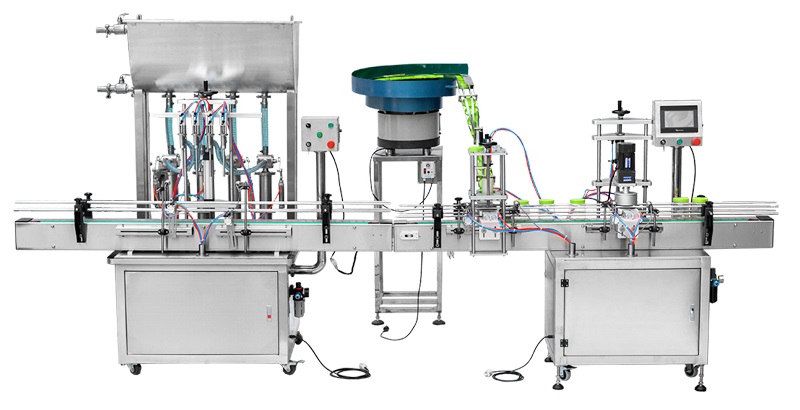
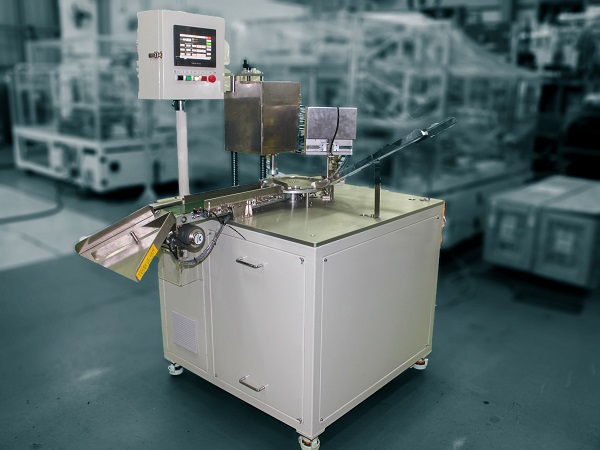
To save time and increase production efficiency, some filling machine manufacturers integrate filling and bottle capping into a single machine. This equipment is commonly referred to as an automatic filling and capping machine for plastic and glass bottles, or an automatic rotary glass bottle filling and capping machine. The machine uses a rotary bottle-clamping table or a straight conveyor system to transport bottles and position them at the capping station. Bottle caps are supplied through a cap feeder, where the operator loads the caps in advance, or through an automatic vibratory bowl feeder for automated cap feeding.
Applications of filling and feeding machines
Food and beverage filling
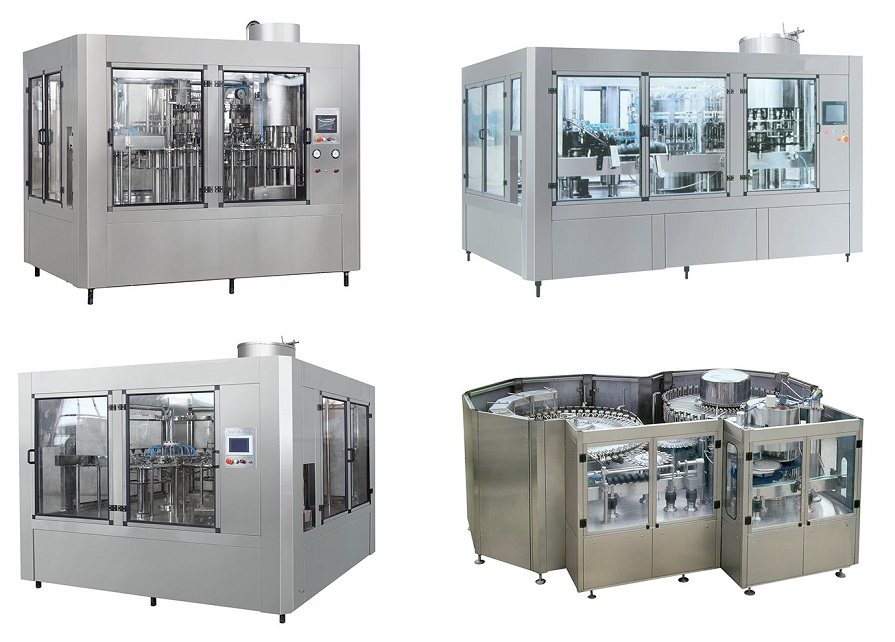
Food and beverage filling machines are used to dispense products such as purified water, soft drinks, milk, fish sauce, cooking oil, sauces, chili sauce, and honey into bottles, jars, or cans. Depending on the product's viscosity, foaming characteristics, and temperature, the machine can be configured with a suitable filling method, such as gravity filling, overflow filling, piston filling, or metering pump filling. The equipment can also be integrated with conveyors, capping machines, labeling machines, and carton sealing machines to form a complete automated production line. This configuration allows multiple packaging stages to be connected and synchronized, helping reduce manual handling and maintain stable production performance.
Cosmetic filling
Cosmetic filling machines are used for packaging products such as shampoo, shower gel, facial cleanser, perfume, serum, gels, creams, and lotions. Since cosmetic products can vary significantly in viscosity and foaming characteristics, the filling method, filling speed, and nozzle design need to be adjusted according to the specific product requirements to achieve consistent filling results. The system can be equipped with an agitator tank or heating system when required to maintain product consistency during the filling process. It can also be integrated with bottle feeding systems, capping machines, and labeling machines as part of an automated cosmetic packaging line.
Chemical filling
Chemical filling machines are used for products such as lubricating oil, cleaning agents, detergents, adhesives, silicone, paint, and other liquid or semi-viscous industrial products. Components that come into direct contact with the product should be manufactured from materials compatible with its chemical properties to minimize corrosion, chemical reactions, and premature equipment wear. Depending on product viscosity and safety requirements, the machine can be configured with pumps, pistons, agitators, and anti-drip filling nozzles. The filling system should be selected based on the actual properties of each chemical product to ensure stable product transfer, accurate filling, and reliable operation.
Pharmaceutical and medical product filling
Pharmaceutical and medical product filling machines are used for suitable liquid products, solutions, syrups, gels, and other liquid formulations. These applications generally require careful consideration of filling accuracy, equipment hygiene, cleaning procedures, and measures to minimize the risk of cross-contamination during production.
The machine configuration, product-contact materials, and filling method should be selected according to the characteristics of each product and the specific manufacturing process. The filling machine can also be integrated with bottle feeding, capping, inspection, and labeling systems to form a continuous automated packaging line.
Automatic filling line
An automatic filling line is a system consisting of multiple interconnected machines designed to continuously perform packaging processes, including container feeding, product filling, capping, labeling, and final packaging. Depending on production requirements, an automatic filling line may include:
-
A bottle feeding machine or bottle loading system.
-
A conveyor system for transporting bottles.
-
A filling machine.
-
A cap feeding and capping system.
-
A labeling machine.
-
A coding machine for printing production dates, batch numbers, or traceability codes.
-
A carton sealing machine.
-
An inspection and reject system for detecting and removing defective products.
Depending on the product, factory layout, and available production space, the filling line can be designed in a straight-line, L-shaped, U-shaped, or customized layout. The individual machines are synchronized in terms of operating speed, control signals, and transfer positions to maintain a stable and continuous production process. Businesses can also explore related equipment, including automatic labeling machines, carton sealing machines, and packaging lines.
CNC VINA – Custom filling machine design and manufacturing
CNC VINA specializes in designing and manufacturing filling machines and filling lines for a wide range of manufacturing industries. Based on the product characteristics, packaging type, and required production capacity, CNC VINA provides recommendations on the appropriate filling method, number of filling nozzles, product feeding system, conveyor system, and related packaging equipment. The machines can be designed to operate independently or integrated into a complete automated line covering bottle feeding, filling, capping, labeling, coding, and carton packaging. The configuration can be developed according to the actual production requirements of each customer, allowing the equipment to be adapted to different products, packaging formats, and production capacities.
For consultation on filling machines and filling lines, please contact:
VIETNAM TECHNOLOGY APPLICATION & CNC JOINT STOCK COMPANY
Factory: Song Cung Industrial Cluster, Dong Thap Commune, Dan Phuong District, Hanoi, Vietnam
Office: Rox Tower Building (Rox Center Goldmark City), No. 136 Ho Tung Mau Street, Bac Tu Liem District, Hanoi, Vietnam
Phone: +84.916 63 9355 / +84.915 74 4664
Website: https://cncvina.com.vn | https://cncvina.net | https://cncviname.com.vn