 Tiếng
Việt
Tiếng
Việt
 Tiếng
Anh
Tiếng
Anh
 Tiếng
Nhật
Tiếng
Nhật




 Tiếng Anh

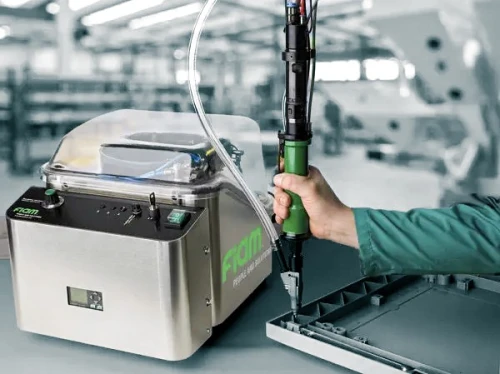
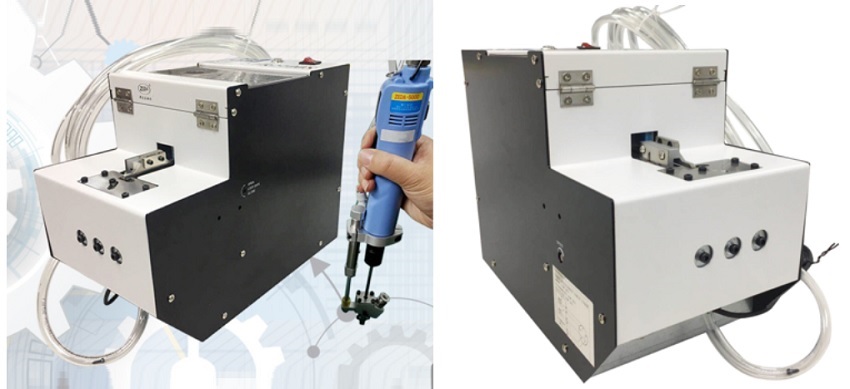
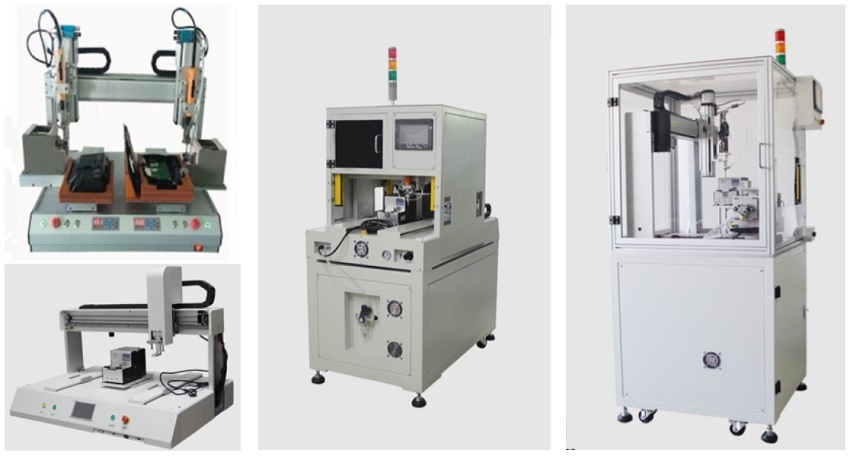
Automatic screw feeding and tightening machine
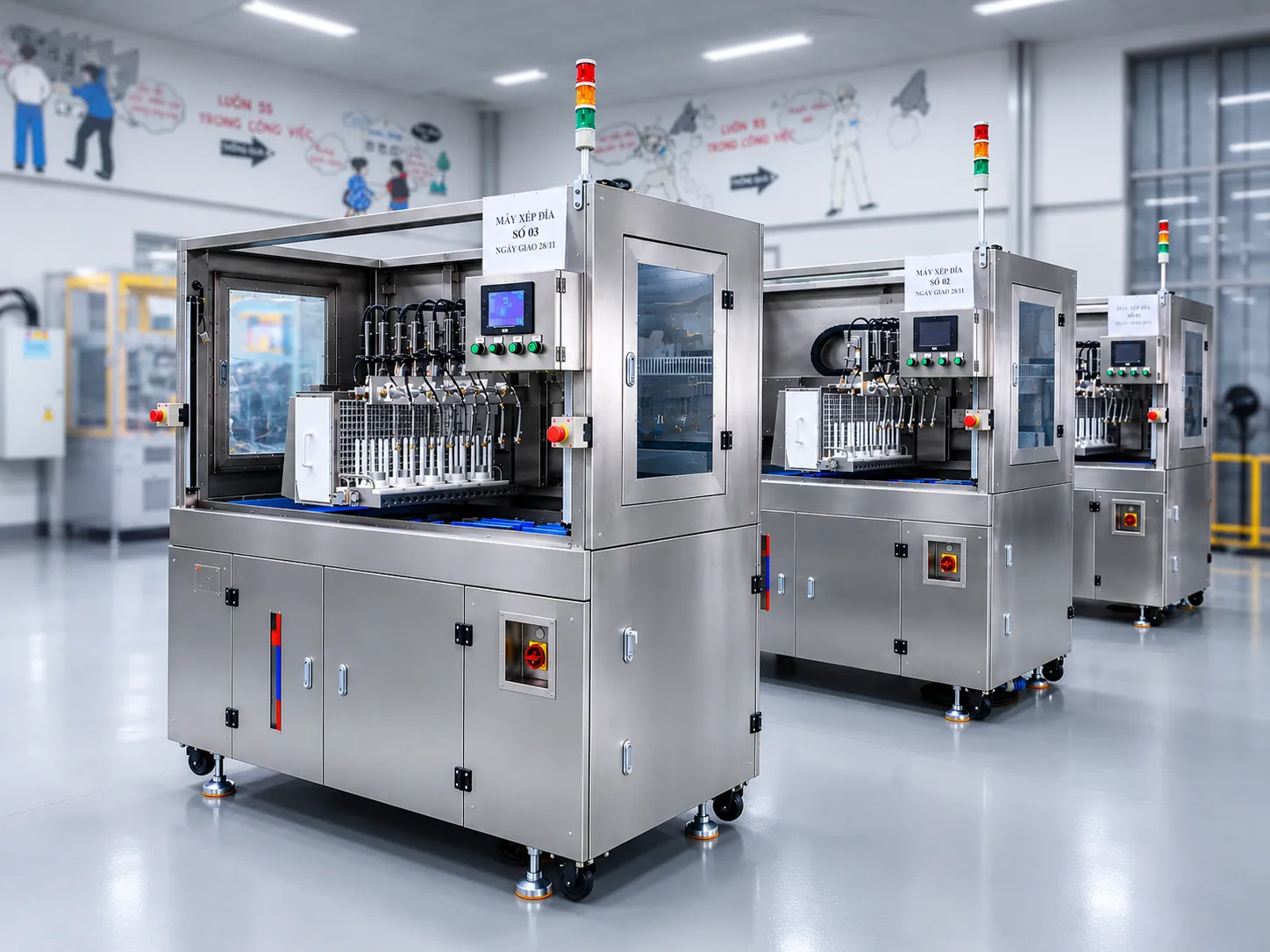
Automatic screw feeder, screw feeder, screw feeder is one of the important quick mounting machines in climbing ropes and factories of mechanical quick mounting, electronic components quick mounting and other products. Japanese and Taiwanese automatic screw feeders distributed by CNC VINA in Vietnam help classify and supply quickly for applications of quick mechanical, electronic and quick mounting of phone and printer components.
Automatic screw and screw feeder helps classify screws, improve assembly productivity, save manpower and increase automation for fast climbing. Reduce production costs, lower product prices and improve the competitive power of businesses.
VIETNAM CNC & TECHNOLOGY APPLICATION JOINT STOCK COMPANY
Hotline: +84.916 63 9355 / +84.915 74 4664
Email: Sales01@cncvina.com.vn / Sales03@cncvina.com.vn
Product description

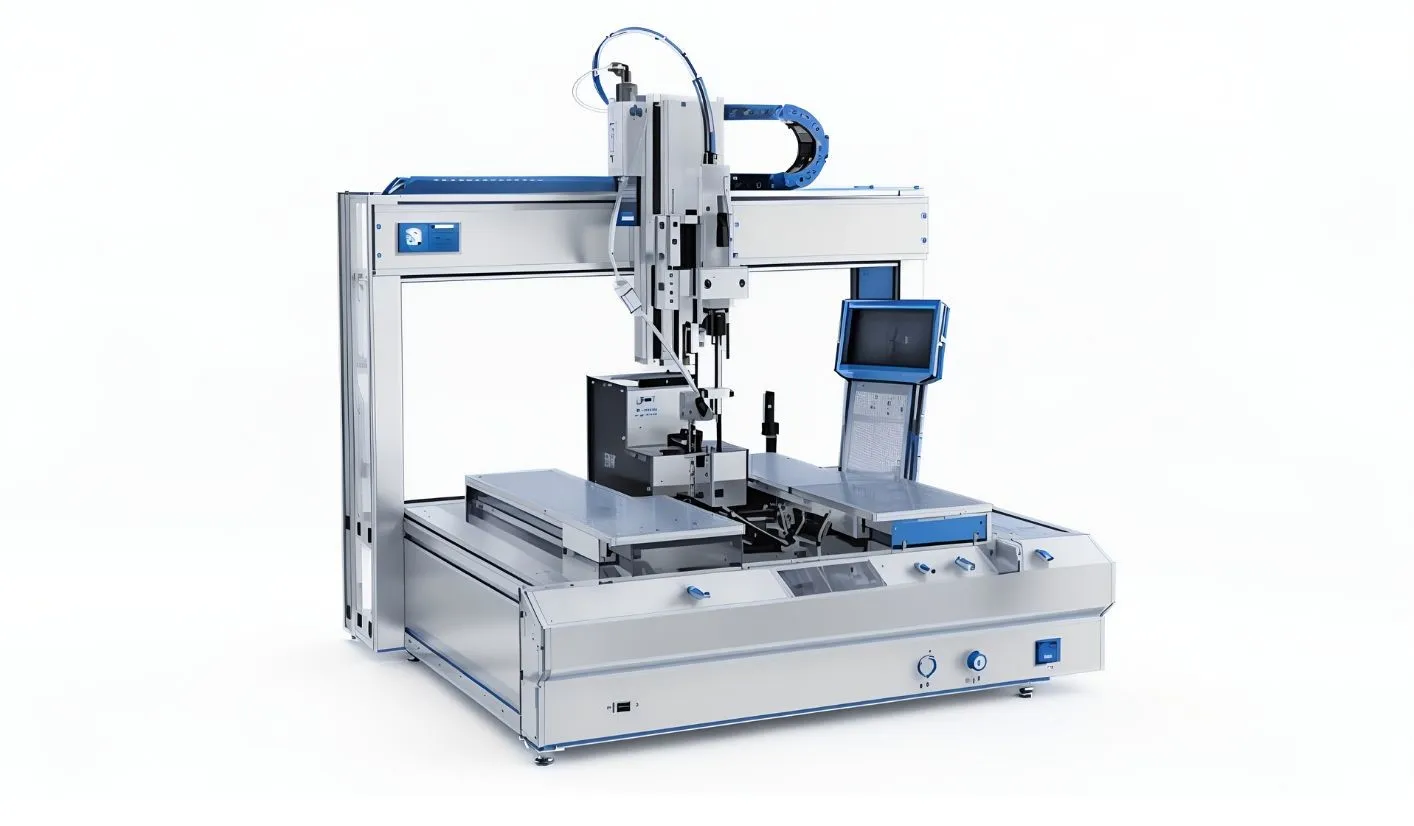
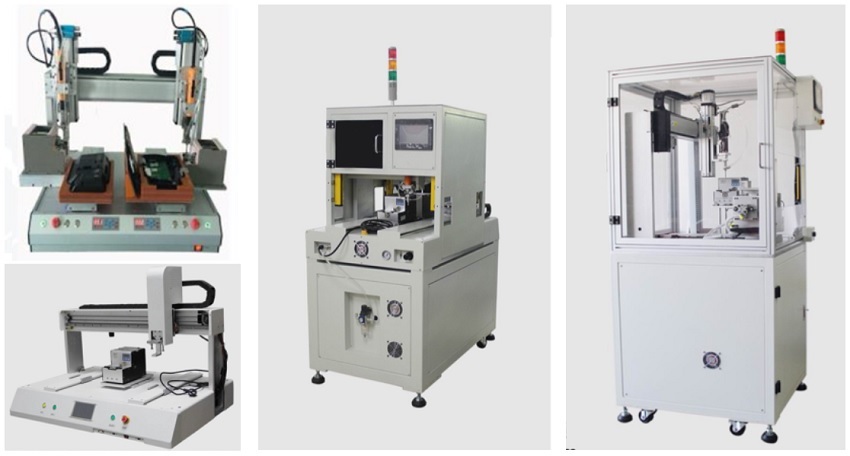
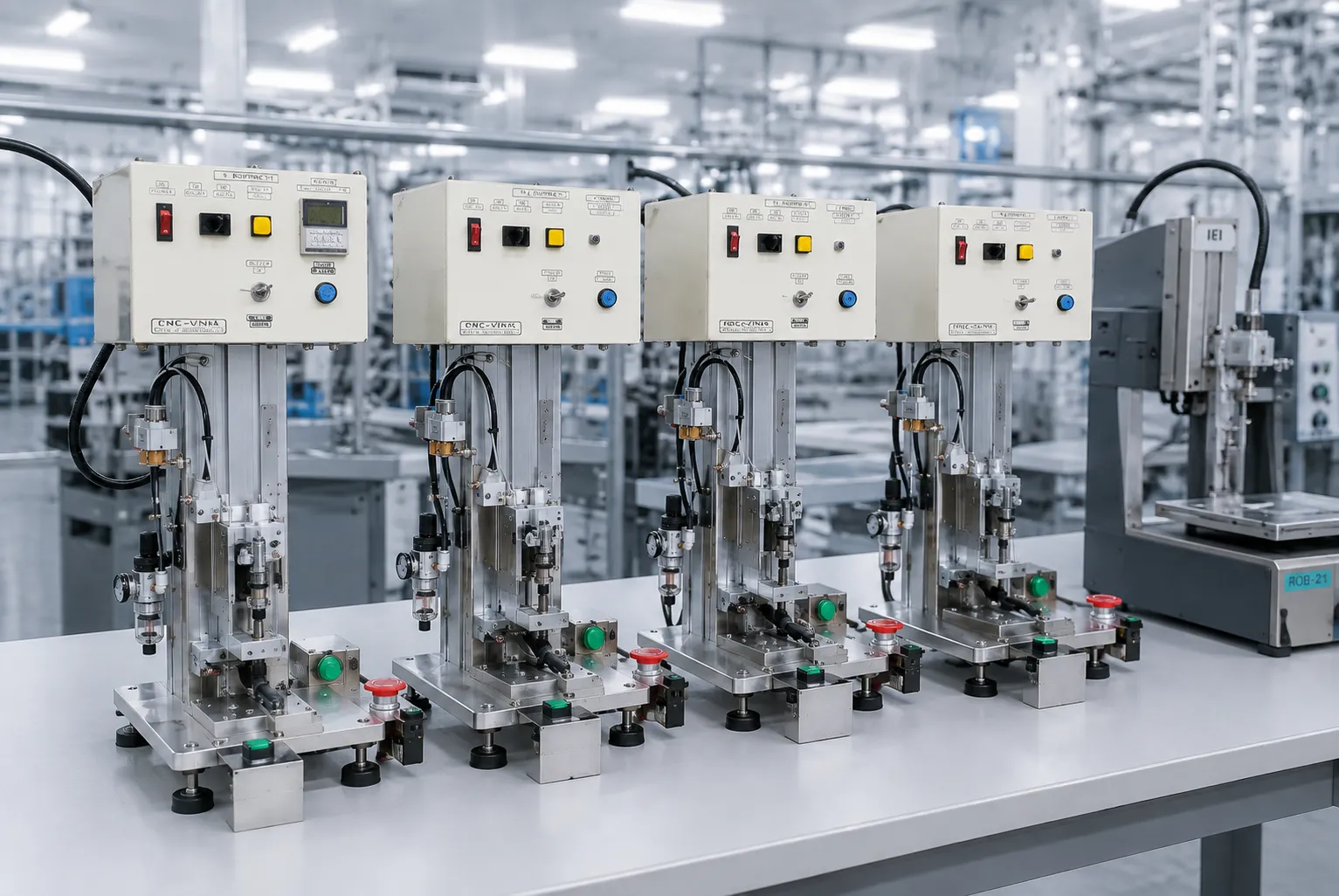
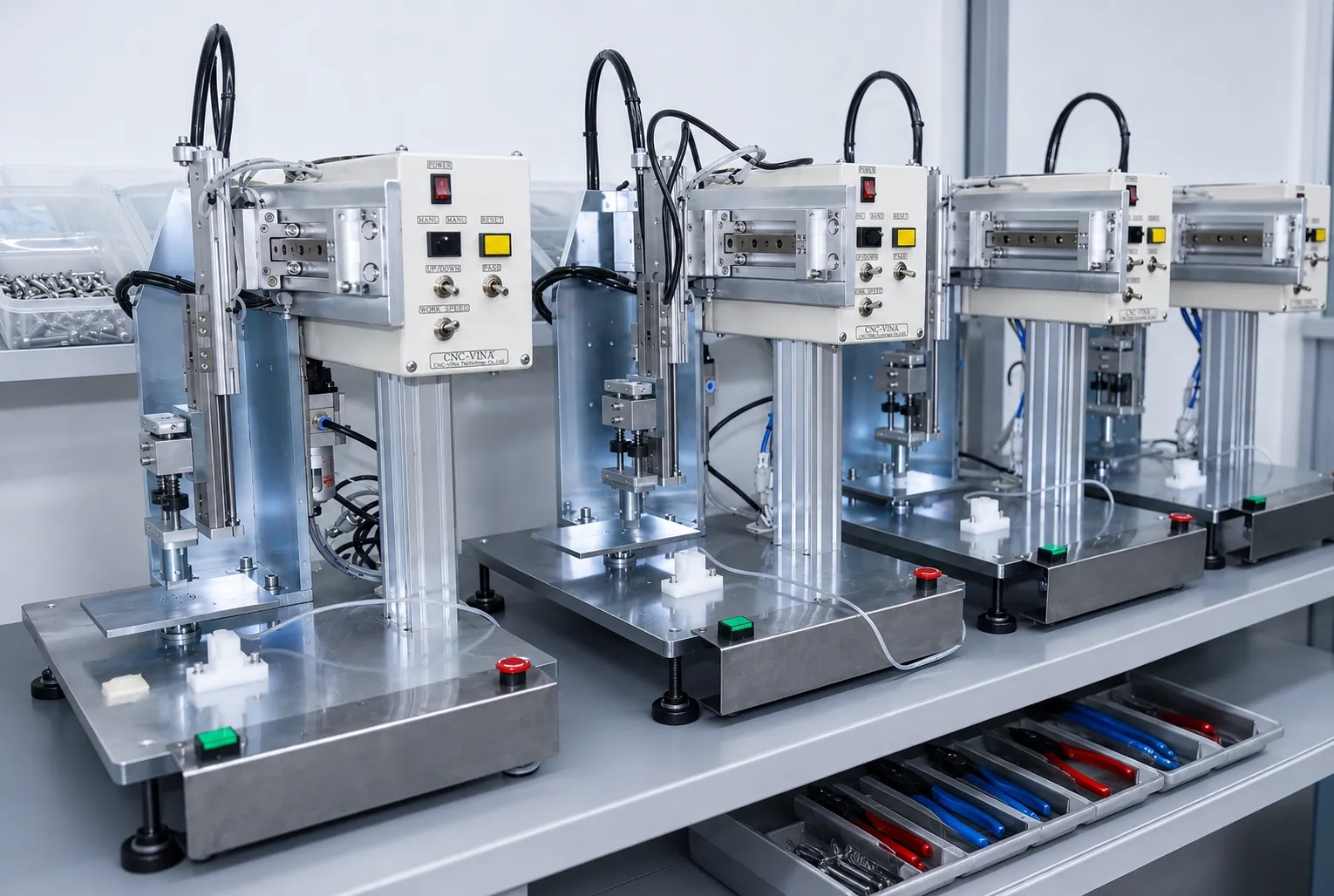
Automatic screw feeding and tightening (screw driving) machine provided by CNC VINA
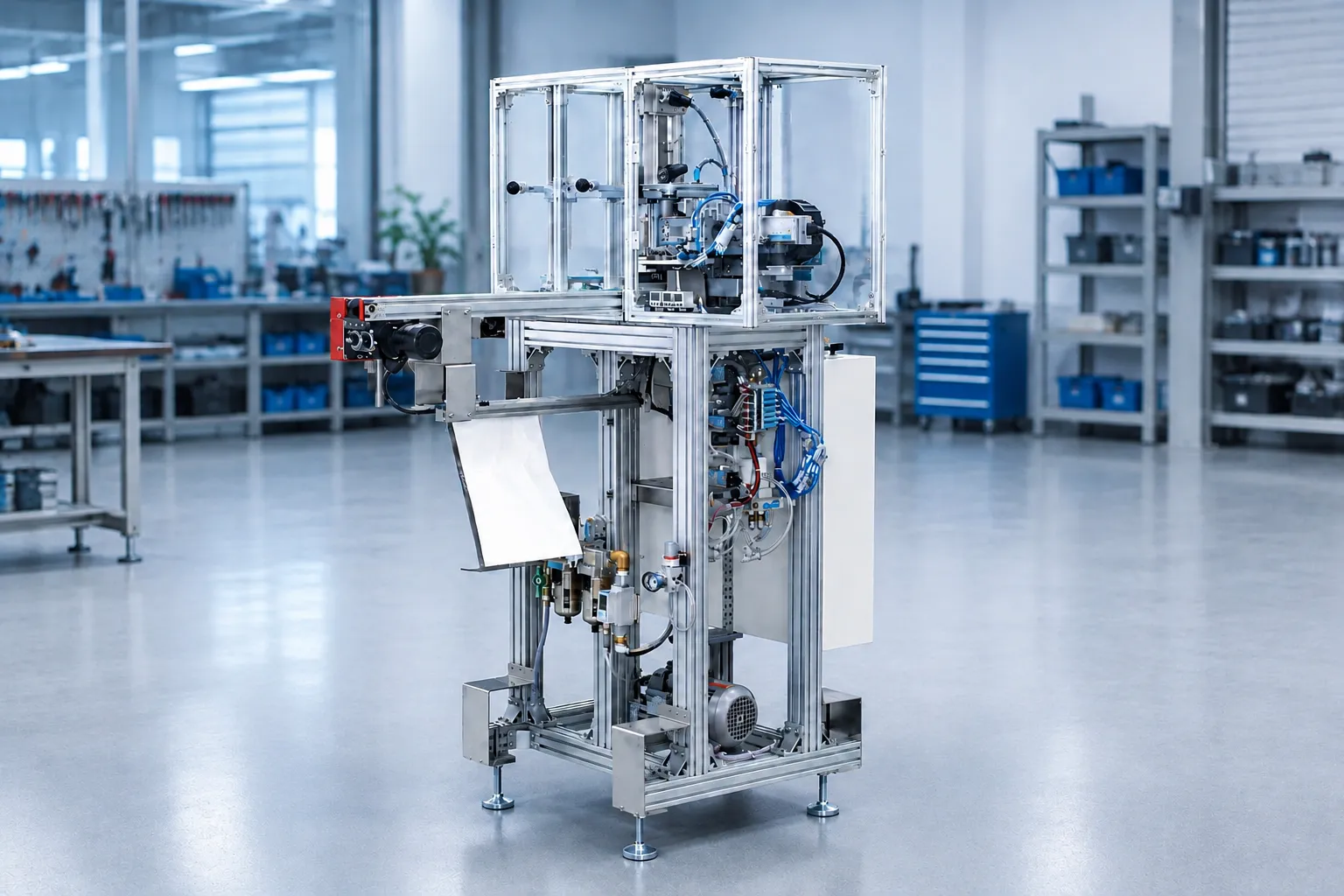
An automatic assembly system integrating an automatic screw feeder and an automatic screw feeding mechanism within the machine, combined with a simple 3-axis robot and dedicated assembly fixtures, can significantly improve production efficiency. The system can also be integrated with a 6-axis robot and assembly JIGs on the production line to provide greater flexibility for more complex assembly processes. This is one of the leading automatic screw feeding and tightening solutions offered by CNC VINA, particularly for customers in the electronics industry manufacturing products such as PCBs, smartphones, televisions, speakers, toys, and other electronic devices.
The automated system helps reduce assembly cycle time and improve overall production throughput. By minimizing repetitive manual operations, it can also contribute to lower production costs while improving product consistency and the competitiveness of manufacturers. In an automated assembly process, fastening a single screw can take approximately 1–2 seconds, depending on the product and machine configuration, which can be approximately 2–4 times faster than manual fastening in suitable applications. The automatic screw feeding and tightening system therefore helps increase assembly productivity while reducing fastening errors and maintaining more consistent process quality.
Comparison between automatic screw feeding and tightening machines and traditional methods
When selecting a screw fastening solution for a production line, manufacturers need to consider factors such as speed, accuracy, labor requirements, and production volume. Each method has its own application range; however, automation generally provides significant advantages for high-volume production and processes requiring stable and repeatable fastening performance.
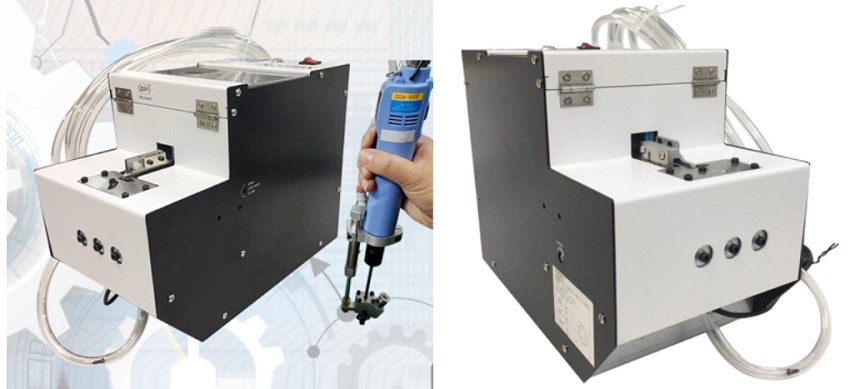
Manual screw feeder and tightener
Speed and efficiency
Compared with manual screwdriver operations, an automatic screw feeding and tightening machine can perform screw feeding, positioning, and tightening continuously with a more consistent cycle time. The system can be configured with parameters such as movement speed, tightening force, and torque to shorten fastening time and improve production throughput. Actual performance depends on the machine design, screw type, product characteristics, and number of fastening points.
Accuracy and consistency
Manual screw fastening relies heavily on the operator's skill, technique, and working condition, which can result in variations between products. An automatic screw tightening machine uses positioning mechanisms and predefined process parameters to control the fastening position, force, and torque. This improves assembly consistency and helps minimize defects such as insufficient or excessive torque and misaligned screw placement.
Labor cost and workforce optimization
Manual fastening requires operators to perform and monitor the fastening operation directly, particularly when production volumes are high. Automating the process reduces repetitive manual tasks and helps optimize the number of operators required at the screw fastening station. Personnel can instead be assigned to inspection, machine operation, maintenance, or other tasks requiring greater technical expertise.
Scalability and flexibility
Manual fastening has the advantage of being relatively simple to implement and is suitable for low-volume production or products that frequently change. However, as production volume increases or tighter cycle-time control is required, automated systems offer advantages in maintaining stable and repeatable productivity. Depending on the machine configuration, automatic screw fastening systems can incorporate different fixtures, tightening heads, and control programs to accommodate multiple product models.
Ergonomics and workplace safety
Repetitive screw fastening over extended periods can cause hand, wrist, and shoulder fatigue, particularly in continuous production environments. An automatic screw tightening machine performs most of the repetitive movements, reducing the physical workload on operators and improving working conditions at the assembly station. The machine should also be designed and operated with appropriate safety measures, including protective guarding, sensors, and emergency stop mechanisms.
Selecting the right solution
In addition to automatic screw feeding and tightening machines, manufacturers can consider handheld screwdrivers, semi-automatic fastening systems, or robotic assembly solutions depending on production volume and process requirements. There is no single solution suitable for every production line, so the selection should be based on screw type, number of fastening points, required tightening torque, cycle time, and product characteristics. For high-volume production lines requiring consistent fastening quality, automating the screw feeding and tightening process is often an effective approach to improving manufacturing efficiency.
Before investing in an automated system, manufacturers should carefully evaluate the requirements of each process and the machine's compatibility with the existing production line. Selecting the appropriate configuration, setting the correct operating parameters, and performing regular maintenance are essential for maintaining fastening accuracy, productivity, and system reliability throughout operation.
The Automatic Screw Feeding and Tightening Machine is an effective solution for manufacturers seeking to increase productivity, improve fastening accuracy, and reduce dependence on manual operations during assembly. Compared with traditional fastening methods, an automated system offers advantages in terms of process consistency, tightening parameter control, and integration with automated production lines. However, the actual effectiveness of the machine depends largely on selecting a configuration that matches the product characteristics and specific production requirements.
CNC VINA designs and manufactures automatic screw feeding and tightening machines according to the specific requirements of each product and production process, rather than applying a fixed configuration to every application. Based on factors such as product dimensions, screw-hole locations, number of fastening points, screw type, and required tightening force or torque, the system can be customized with suitable screw feeding mechanisms, tightening heads, fixtures, and control programs. The machine can also be integrated with other equipment and processes within the production line to create a complete automation solution tailored to the manufacturer's requirements.
With a solution developed specifically for each application, manufacturers can optimize installation space, cycle time, and overall system operation. This approach provides a practical foundation for selecting an automatic screw feeding and tightening solution that matches production volume, product characteristics, and the automation objectives of each manufacturing facility.
VIETNAM TECHNOLOGY APPLICATION & CNC JOINT STOCK COMPANY
Factory: Song Cung Industrial Cluster, Dong Thap Commune, Dan Phuong District, Hanoi, Vietnam
Office: Rox Tower Building (Rox Tower Goldmark City), No. 136 Ho Tung Mau Street, Bac Tu Liem District, Hanoi, Vietnam
Telephone: +84.916 63 9355 / +84.915 74 4664
Websites: https://cncvina.com.vn; https://cncvina.net; https://cncviname.com.vn