 Tiếng
Việt
Tiếng
Việt
 Tiếng
Anh
Tiếng
Anh
 Tiếng
Nhật
Tiếng
Nhật




 Tiếng Anh

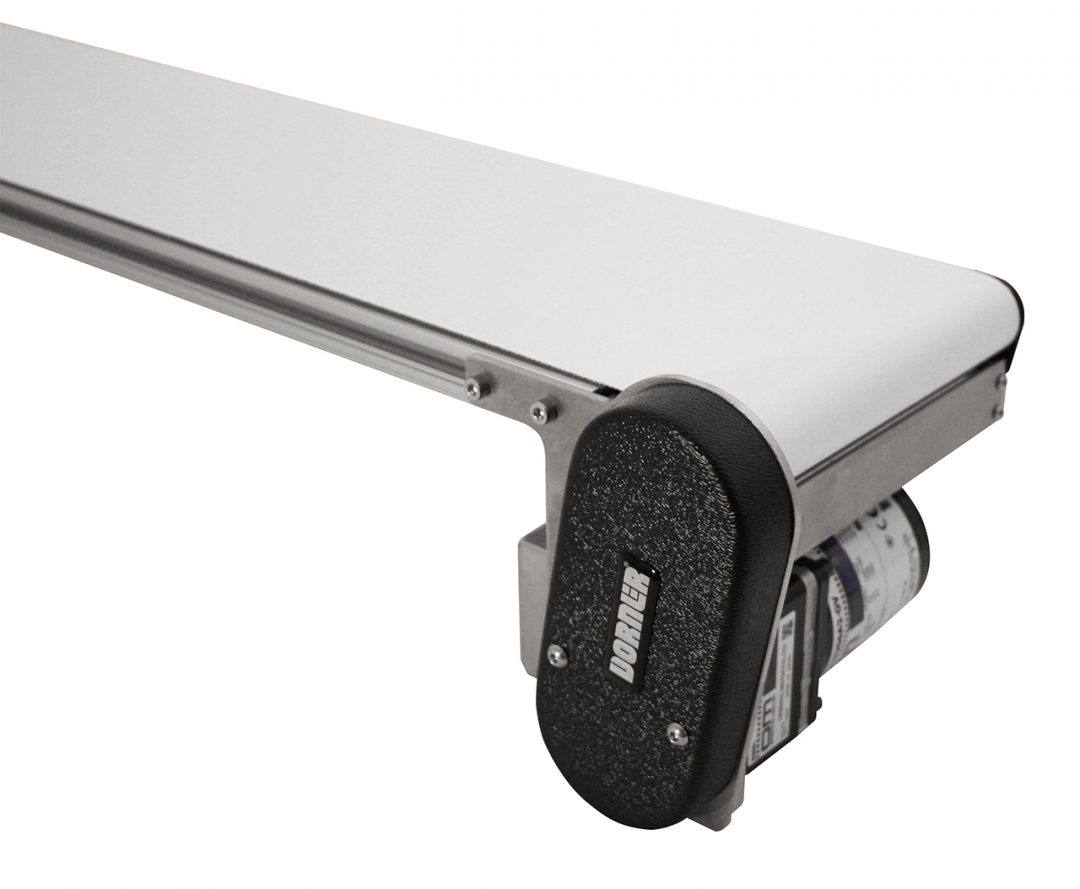
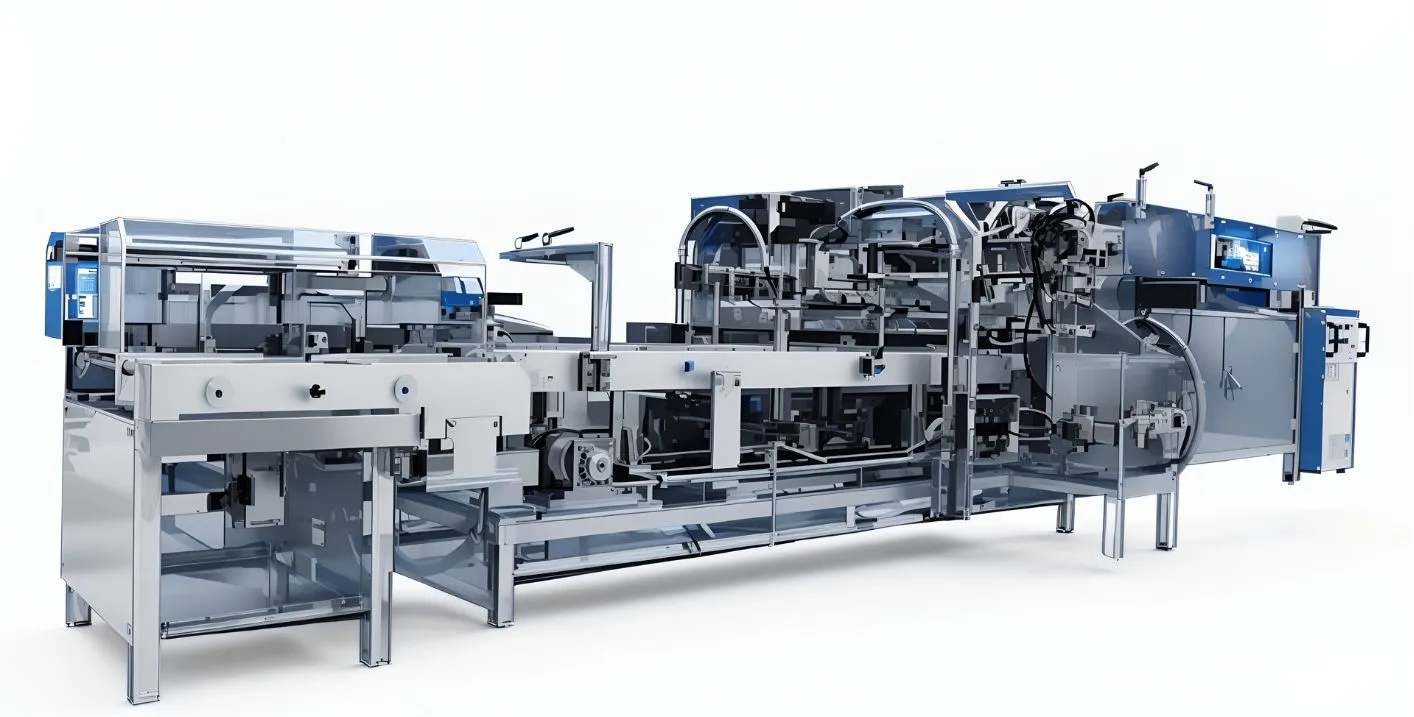
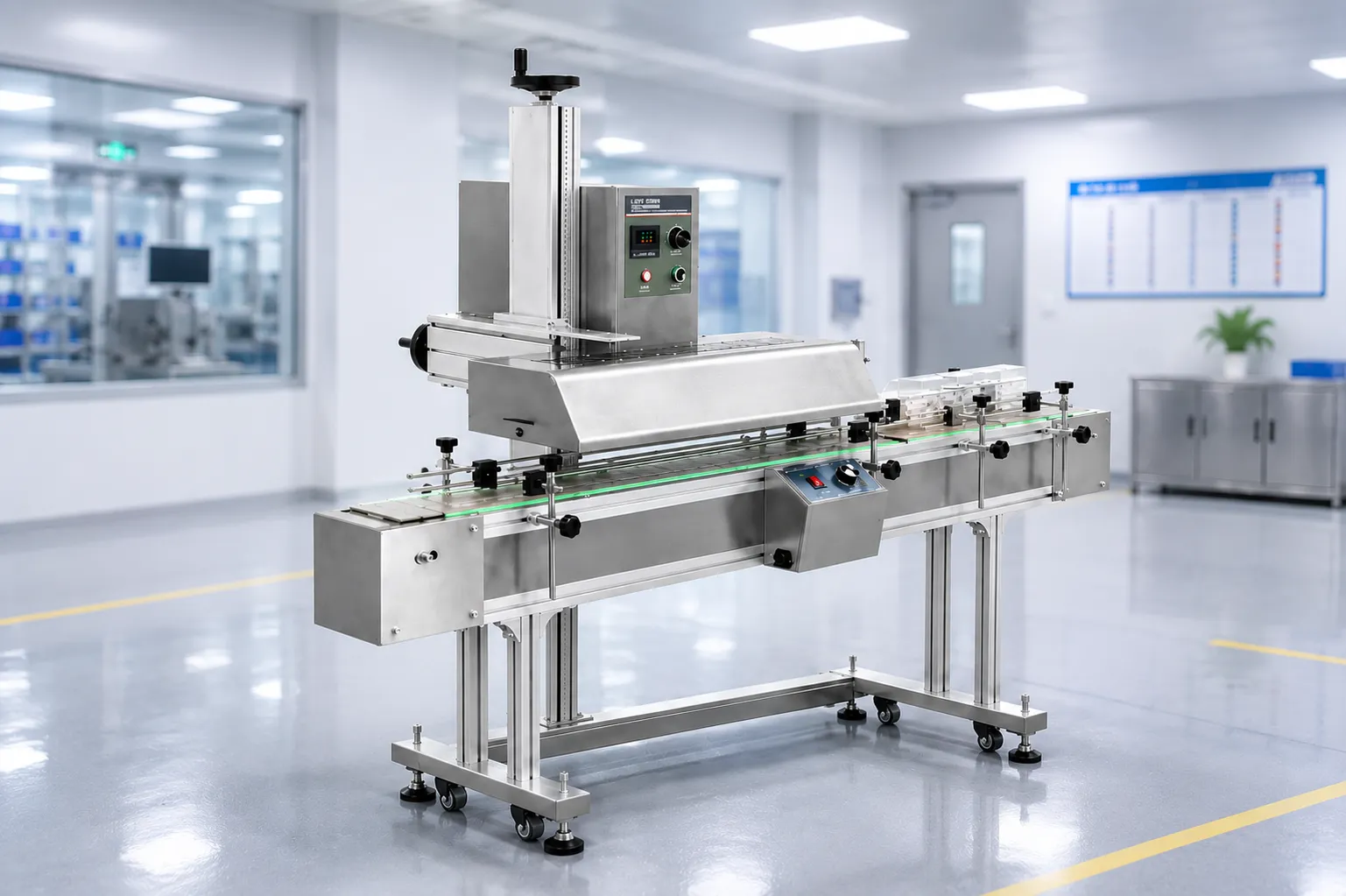
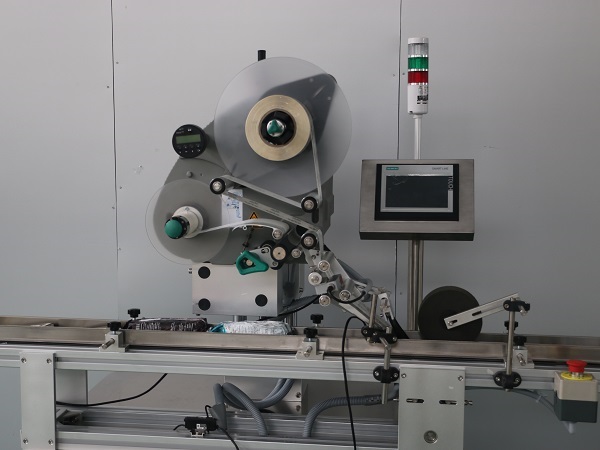
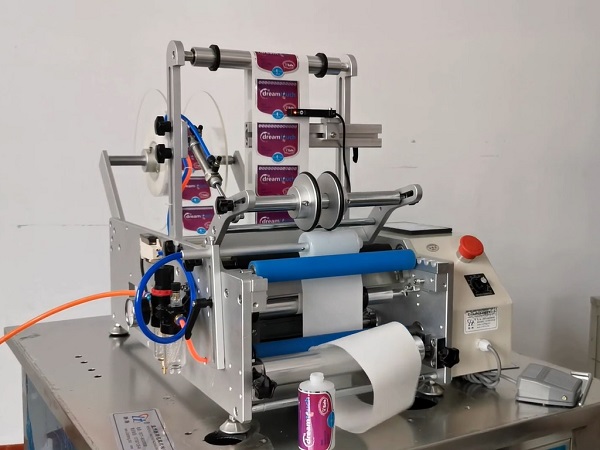
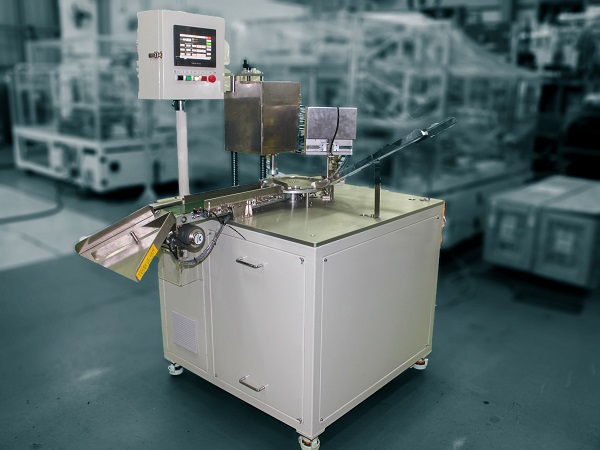
Packaging conveyor belt
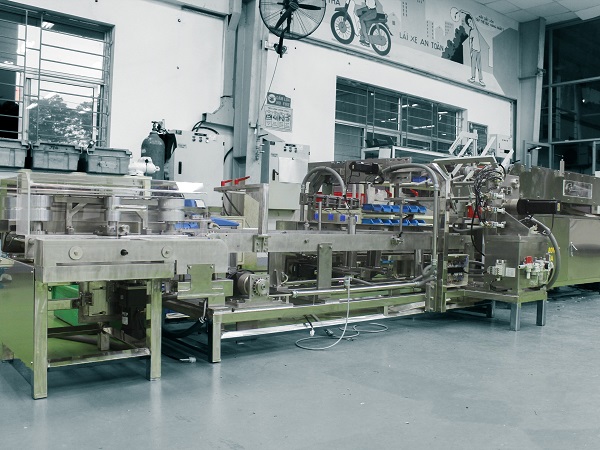
Automatic cake box packaging conveyor - automatic product classification and packaging solution serving the food industry, confectionery production, consumer goods and electronic and medical products.
Automatic packaging conveyors with canning machines and industrial conveyors help improve product quality and productivity compared to traditional packaging methods.
Customers who need a sorting-packaging line and professional automation solutions, please contact us for advice and support:
VIETNAM CNC & TECHNOLOGY APPLICATION JOINT STOCK COMPANY
Hotline: +84.916 63 9355 / +84.915 74 4664
Email: Sales01@cncvina.com.vn / Sales03@cncvina.com.vn
Product description

Introduction to Packaging Conveyors
Packaging conveyors are material handling systems designed to transport products, packaging materials, and finished goods between different stages of a production line. Depending on the product characteristics, load capacity, required throughput, and available floor space, conveyors can be configured in various forms, including belt conveyors, modular belt conveyors, roller conveyors, and vertical conveyors. In automated packaging lines, conveyors connect equipment such as packaging machines, labeling machines, carton packing machines, carton sealing machines, inspection systems, and feeding systems. When synchronized in terms of conveying speed, product positioning, and control signals, conveyors enable continuous product flow between processes, reduce manual handling, and maintain stable line operation.
CNC VINA specializes in designing and manufacturing custom packaging conveyors, with configurable conveyor length, width, height, speed, materials, conveying mechanisms, and layout to meet specific product requirements, production capacity, and factory floor conditions.
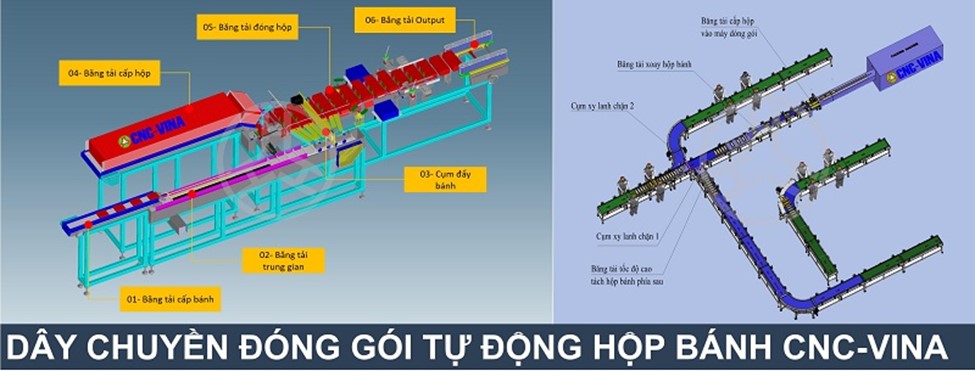
Automatic box packaging conveyor
The automatic box packaging conveyor is a conveying and equipment integration solution for confectionery packaging lines. The system can work with various units for cake feeding, carton opening, cake insertion, glue application, box closing, and transferring finished products to the cartoning process. In this configuration, the industrial conveyor transports products between different positions while connecting the cartoning machine with downstream equipment such as the carton sealing machine. The conveyor dimensions and conveying speed can be adjusted according to box dimensions, product type, required throughput, and available installation space.
Technical specifications of the automatic box packaging conveyor
| Specification | Value |
|---|---|
| Conveyor dimensions | L13600 × W450 × H850 mm |
| Operating height | 800 mm from floor level |
| Weight | 1,500 kg |
| Main power supply | 3-phase, 200 V – 50 Hz |
| Control voltage | DC 24 V |
| Power consumption | 5.2 kW |
| Pneumatic air supply | 0.4–0.6 MPa |
| Frame material | SUS 201 |
| Product-contact material | SUS 304 |
| Throughput | 30–125 products/min |
The above specifications represent a reference configuration for the automatic cake box packaging conveyor system. For actual implementation, the specifications can be adjusted according to the product, packaging, required throughput, and line integration requirements.
Construction of the cake box packaging conveyor
The system consists of multiple equipment modules working together, including:
-
Input conveyor.
-
Product distribution and stacking conveyor unit.
-
Carton blank feeding unit.
-
Transfer and packaging unit.
-
Glue application and box closing unit.
-
Machine frame and support structure.
-
Output conveyor.
The modules are arranged according to the production process, allowing products to be fed, packaged, and transferred smoothly and consistently between different stages.
Automatic cake box packaging process
Step 1: Box opening
A robotic gripper equipped with a vacuum suction head picks up the carton blank from the feeding tray and opens it into the required shape before transferring it to the packaging stage.
Step 2: Cake feeding
The cakes are introduced into the production line through the conveyor system and transported to the designated box loading position.
Step 3: Loading cakes into the box
A pushing mechanism transfers the products into the pre-opened and positioned boxes.
Step 4: Glue application and box closing
The glue application system applies adhesive to the required area of the box flaps. The box closing mechanism then folds and closes the box to complete the packaging process.
Step 5: Finished product transfer
After packaging is completed, the cake boxes are transferred to the output conveyor and conveyed to subsequent processes such as inspection, case packing, or carton sealing. The system can operate in manual mode for individual mechanism inspection and adjustment, or in auto mode to execute the programmed automatic packaging cycle.
Video of CNC-VINA automatic cake box packaging line
Video of conveyor belt for automatic packaging line for cake boxes
Customized packaging conveyor solutions
Not all products and production lines have the same dimensions, weight, conveying speed, or available installation space. Therefore, customized packaging conveyors need to be designed based on the actual production process and the layout and position of each piece of equipment. CNC VINA can provide consultation and design custom packaging conveyor solutions based on requirements such as:
-
Straight-line product conveying.
-
Product direction changes.
-
Changes in conveying elevation.
-
Product rotation or orientation.
-
Product diverting and distribution.
-
Integration of multiple machines within the same production line.
-
Product transfer to the case packing area.
-
Integration of sensors, cameras, and inspection mechanisms.
During the design process, engineers need to consider product dimensions and weight, required throughput, distances between processes, conveyor load capacity, conveying mechanism, motor positioning, and control configuration. Coordinated calculations and system design ensure that the conveyor can operate at a speed compatible with both upstream and downstream equipment. Customized solutions also provide greater flexibility when businesses need to expand the production line or add new equipment in the future.
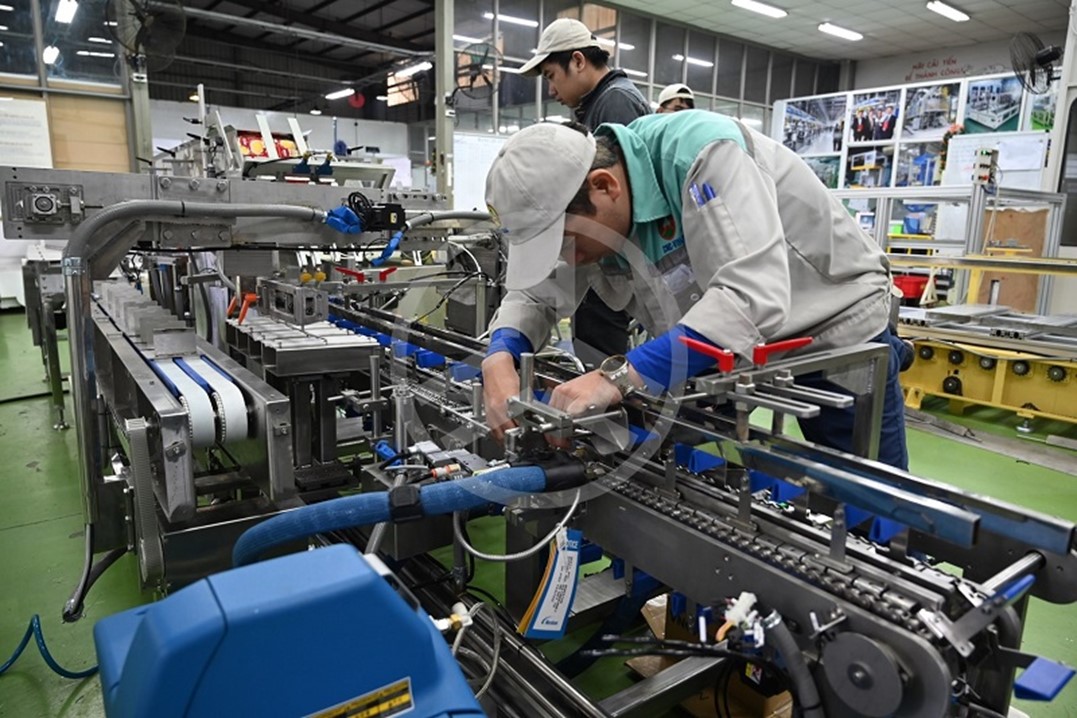
Conveyor system
The conveyor system supports the manual packing of finished cake boxes into cartons. The cartons are then sealed using a carton sealing machine before being transferred to the warehouse. Installed downstream of the automatic cake box packaging machine, the conveyor forms a complete finished-product packaging line.
Designed for specific products and factory layouts
CNC VINA packaging conveyors are designed to meet the specific requirements of each production line. Parameters such as conveyor length, width, height, speed, load capacity, belt type, and product-diverting configuration are determined based on the product characteristics and available installation space. Depending on the production process, the equipment can be arranged in straight-line, L-shaped, U-shaped, curved, elevating, or multi-conveyor configurations.
Flexible control
For cake box packaging systems, the machine can operate in both manual and automatic modes using push buttons, an electrical control cabinet, and an HMI panel. Operators can monitor the machine status, adjust parameters within the permitted range, and check system alarms during operation. The control system can display error information, operating status, and other necessary operating parameters. For production lines handling multiple product specifications, the control program can be configured to support different product models according to the machine configuration.
Integration with automated production lines
The conveyor can be integrated with various types of equipment, including:
-
Packaging machines
-
Labeling machines
-
Feeding systems
-
Product inspection machines
-
Sorting machines
-
Carton packing machines
-
Carton sealing machines
Synchronizing the conveyor with other equipment in the production line helps reduce intermediate handling, minimize manual product transfer, and establish a continuous conveying process.
Material selection based on application
For food processing and applications with strict hygiene requirements, the frame and product-contact components can be selected according to the operating conditions. Depending on the environment, load capacity, and hygiene requirements, the system can use painted steel, SUS 201 stainless steel, SUS 304 stainless steel, or other suitable materials. The belt type is also selected based on product characteristics, conveying speed, wear resistance, grip, and hygiene requirements. Material selection should be determined according to the actual requirements of the production line.
CNC VINA customized packaging conveyor solutions
CNC VINA is a leading provider of customized packaging automation solutions in Vietnam, serving both domestic and international businesses. Our packaging conveyors can be customized to meet specific application requirements, including product orientation, rotation, positioning, 90-degree transfers, elevation changes, and other product-handling configurations.
CNC VINA offers flexible conveyor designs tailored to the specific requirements of different industrial packaging applications. Our engineers and technical specialists can provide consultation, configure the appropriate conveyor system, and develop a customized design based on the actual production process and operating conditions. Rather than applying a one-size-fits-all approach, CNC VINA develops packaging conveyor solutions based on each customer's product characteristics, production requirements, and factory layout. While standard conveyor systems may have limited configuration options, customized solutions allow the conveyor to be adapted to specific production and integration requirements. Based on the customer's technical specifications, CNC VINA can develop a suitable conveyor solution to improve material flow, support line integration, and optimize production efficiency.
Types of packaging conveyors
Flat belt conveyors
Description and features
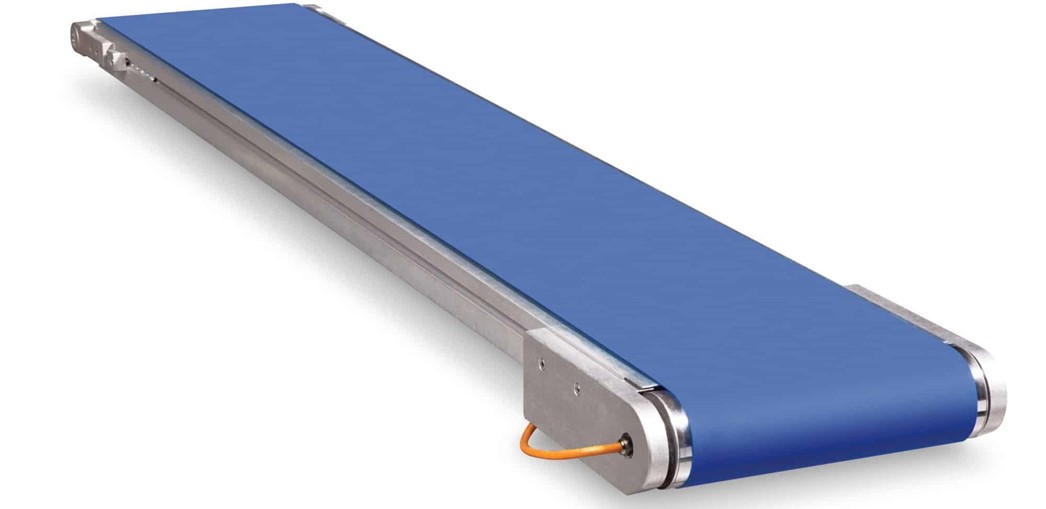
Flat belt conveyors use belts with a smooth, flat conveying surface. This configuration is widely used because of its relatively simple construction, ease of fabrication, and convenient surface cleaning. Compared with belts made from the same material, smooth flat belts are generally more economical than specialized surface configurations. Flat belt conveyors are suitable for general conveying applications and processes where the belt surface needs to be cleaned regularly. Depending on the application, the belt can be manufactured from various materials, including rubber, flexible PVC, and other specialized materials. Flat belt conveyors can also be designed in different configurations, including straight and curved sections, to accommodate various product conveying and direction-changing requirements.
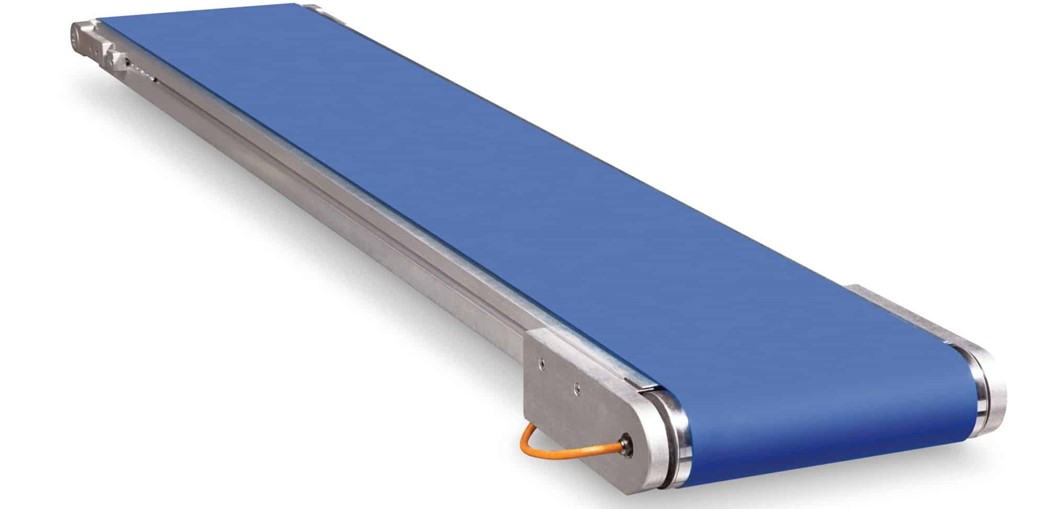
Applications in the packaging and packaging industry
Belt conveyors are widely used to transport products and packaging materials between different stages of a packaging line. Depending on the belt material, load capacity, and product characteristics, the conveyor can be designed to accommodate different loads and conveying speeds. For products such as boxes, bottles, bags, trays, and cartons, the belt surface helps maintain product position and transport products to the appropriate downstream process. In packaging lines, belt conveyors can be used for various applications, including transporting products before packaging, connecting different machines, transferring packaged products, and conveying products to inspection or case packing areas. Belt conveyors can be used to transport products before and after packaging, transfer products between different processes or machines, and connect packaging machines with labeling machines, inspection systems, and carton packing machines. In addition, conveyors can transfer finished products to accumulation areas, case packing stations, or palletizing areas.
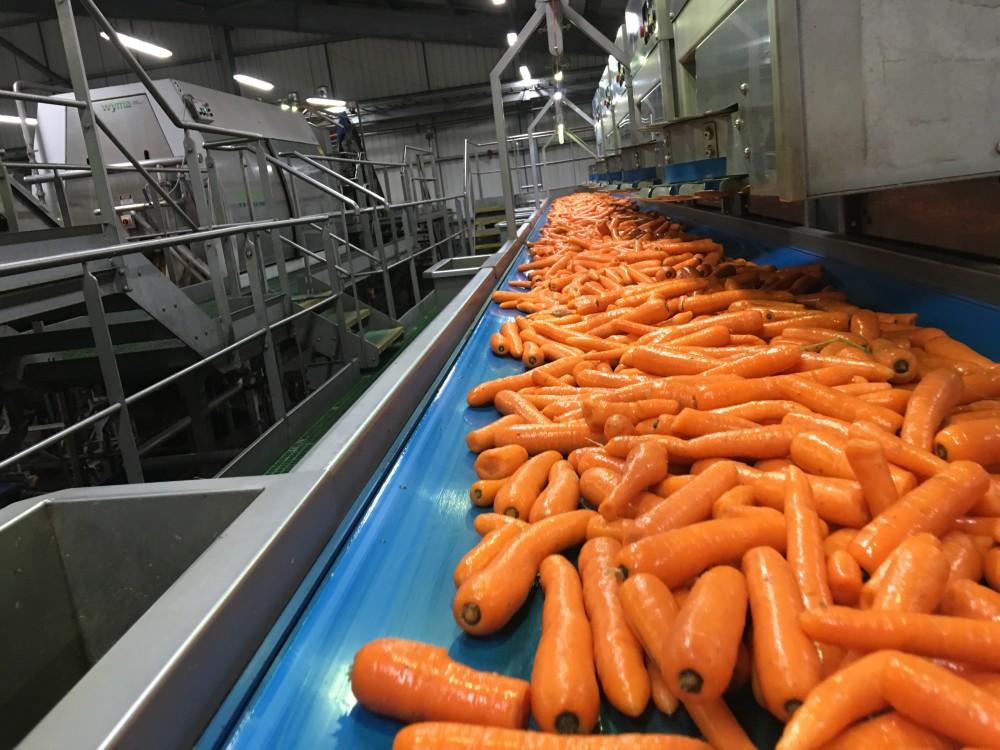
Transport products after packaging
Advantages of belt conveyors
Belt conveyors have a relatively simple construction, typically consisting of a belt, pulleys, support rollers, motor, and conveyor frame, making them convenient to install, operate, and maintain. They are available with various belt types, motors, and frame configurations to accommodate different conveying requirements and investment levels. Depending on the product and operating environment, the conveyor can use PVC, PU, rubber, or other specialized belts.
Conveyor length, width, height, speed, and product-guiding configuration can also be customized according to the production line layout and required throughput. As a result, belt conveyors are suitable for transporting a wide range of products, including boxes, bags, bottles, trays, cartons, and other products with relatively stable shapes.
Limitations of belt conveyors
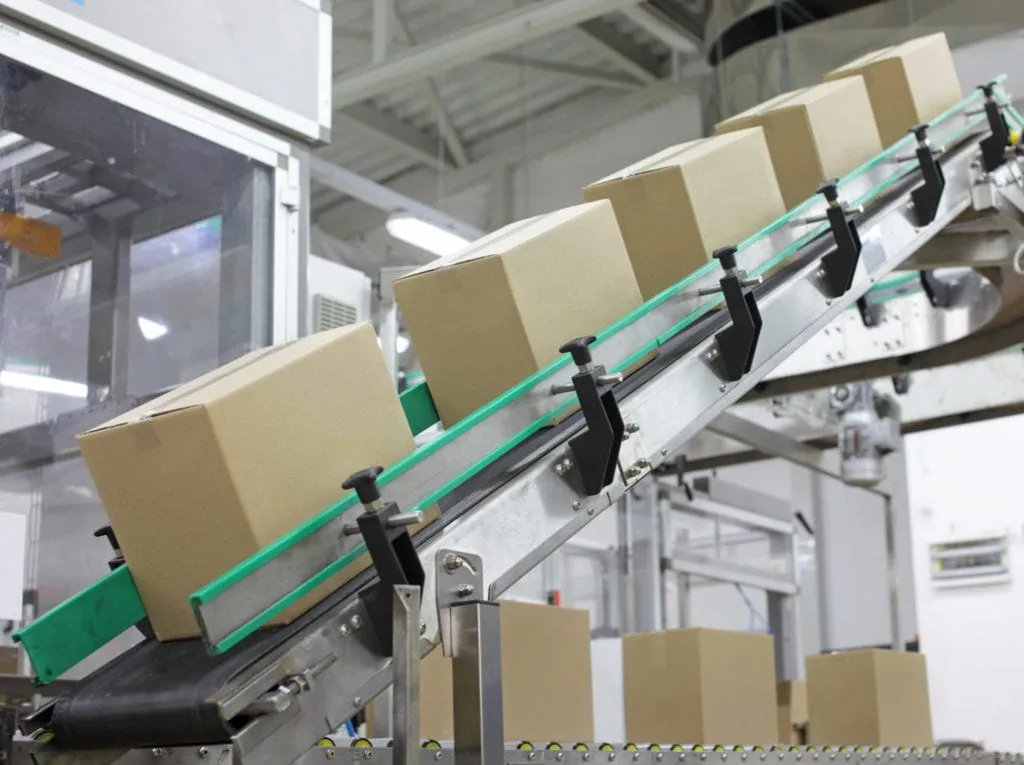
The ability of a belt conveyor to transport products along an inclined path depends largely on the type of belt used. When conveying products uphill or downhill, a belt with suitable grip should be selected, or additional product-retaining mechanisms may be required to minimize slipping.
Not every conveyor configuration is suitable for all types of products, particularly products with unstable shapes, easily deformed surfaces, or specific orientation requirements. In addition, the belt should be selected according to the actual operating environment, including temperature, oil and grease, chemicals, humidity, and hygiene requirements, as these factors can affect belt service life and overall conveyor performance.
Modular belt conveyors
Modular belt conveyors use belts made of interconnected modules rather than a continuous belt. Depending on the application, modular belts can feature smooth, textured, perforated, ribbed, or other specialized surfaces to provide suitable grip, drainage, ventilation, or product-conveying characteristics.
Modular belt conveyors can be designed with different widths, speeds, and configurations. Depending on the belt type and conveyor construction, the system can be used for horizontal conveying, inclined conveying, or certain layouts that require changes in product direction.
Applications in the packaging and packaging industry
In packaging lines, modular belt conveyors are used when products require conveying characteristics that may be difficult to achieve with conventional flat belts. Depending on the selected belt type, they can transport products along inclined paths where increased grip is required to minimize slipping, handle products that require a specialized belt surface, or operate in environments where drainage and ventilation are important.
Modular belt conveyors are also commonly used to connect processes in food processing and packaging lines and to transfer products between equipment where changes in conveying direction or flexible conveyor layouts are required. The selection of a modular belt should be based on the product dimensions, weight, shape, conveying speed, incline angle, hygiene requirements, and actual operating environment.
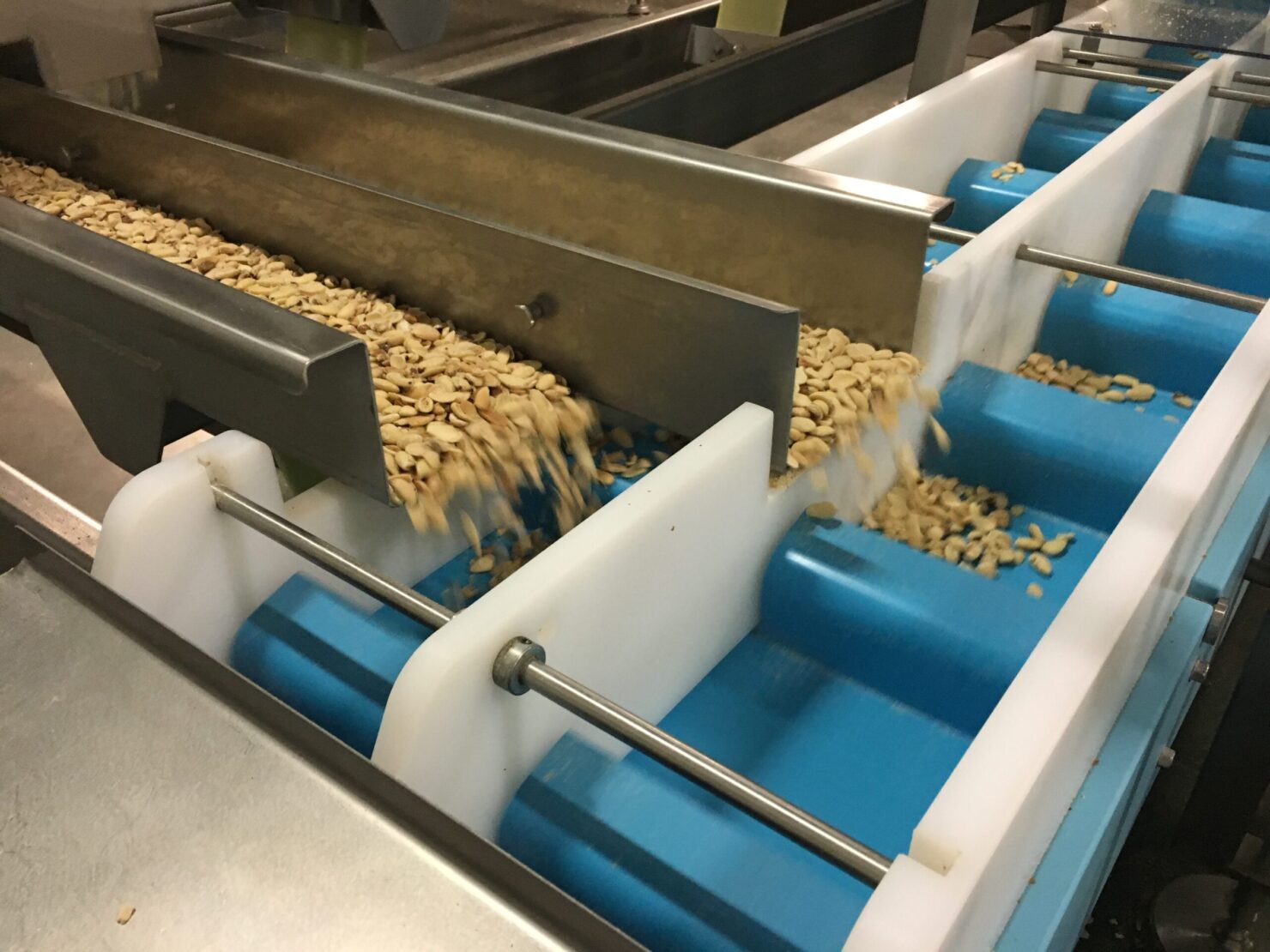
Transporting grain and powder products
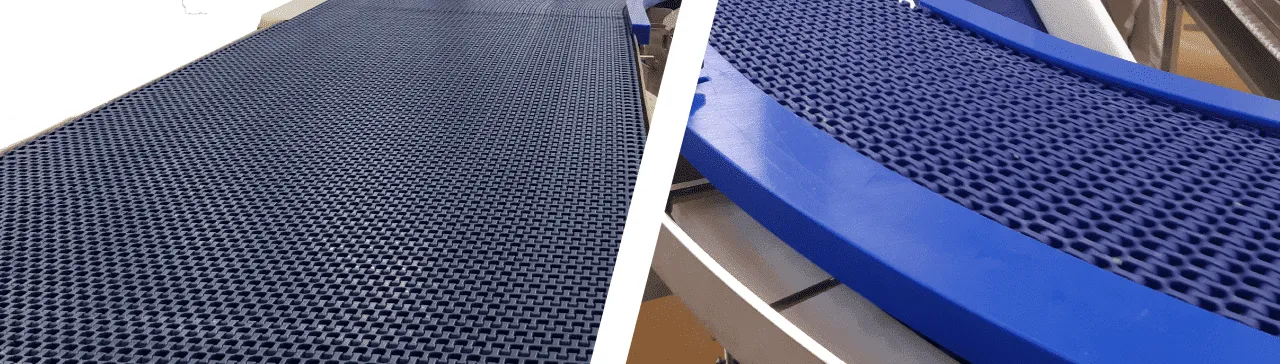
Transportation requires ventilation
Advantages of modular belt conveyors
Modular belt conveyors offer a wide range of belt sizes, constructions, and surface patterns, allowing them to accommodate different conveying requirements in packaging lines. Depending on product characteristics and operating conditions, the belt can feature a smooth, textured, ribbed, perforated, or other specialized surface to improve grip, facilitate drainage, or provide ventilation. Another advantage of modular belt conveyors is their flexibility in adapting to the production line layout and specific conveying requirements. Conveyor width, length, speed, incline, and product-guiding configuration can be determined based on the product characteristics and actual installation space.
Limitations of modular belt conveyors
Compared with flat belt conveyors, modular belt conveyors have a more complex belt construction and drive system, resulting in higher requirements for design, installation, and alignment. The initial investment may also be higher depending on the belt type, conveyor dimensions, and equipment configuration. Cleaning and maintenance requirements depend on the belt surface design, module construction, and operating environment. Some specialized belts may have less common designs or dimensions, making replacement more dependent on selecting the correct belt type and technical specifications.
Roller conveyors
Roller conveyors use a series of rollers arranged along the conveying path to support and transport products instead of a continuous belt. Rollers can be manufactured from steel, stainless steel, plastic, or coated with rubber, PU, or other suitable materials depending on the load capacity, product characteristics, and required friction.
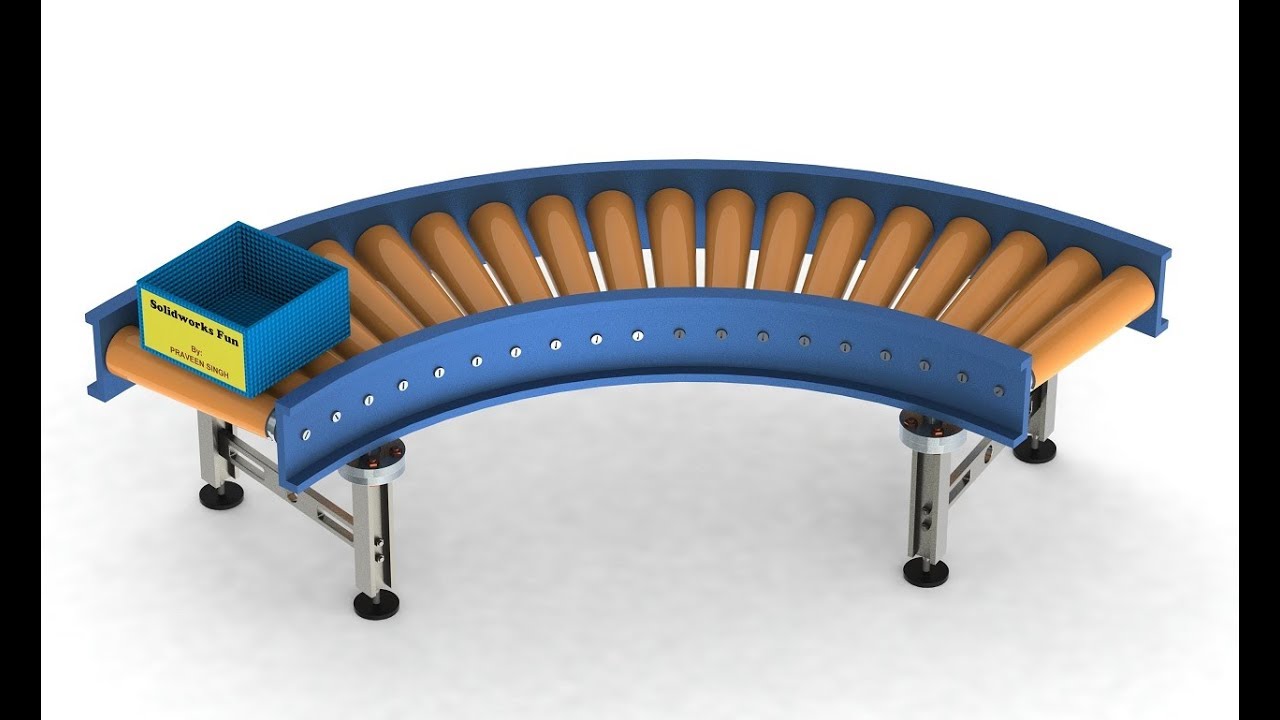
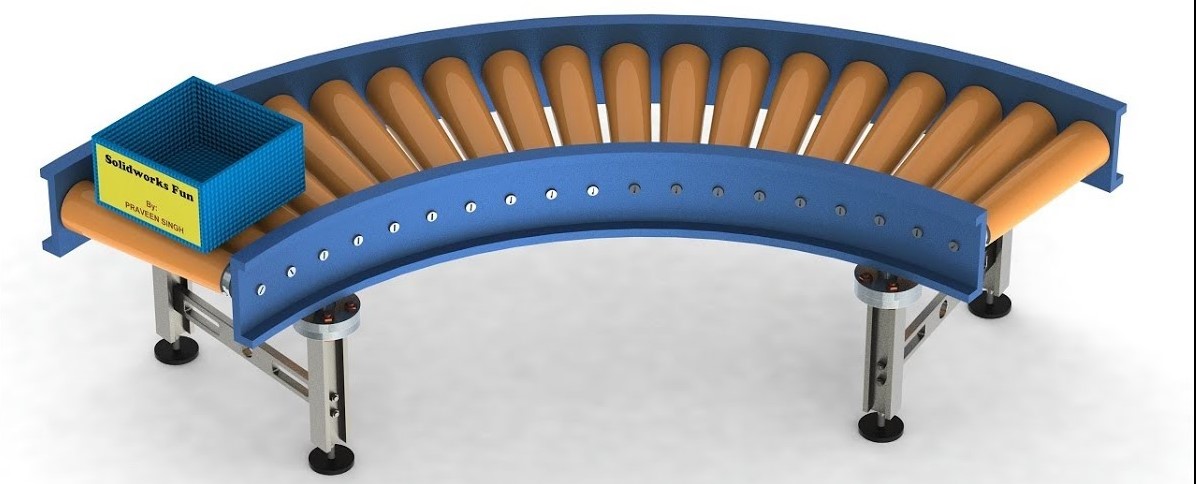
Based on the conveying method and construction, roller conveyors can be configured in various forms, including straight roller conveyors, curved roller conveyors, expandable roller conveyors, and combined configurations. For certain applications, the roller surface can be coated with a higher-friction material to minimize product slipping when conveying along inclined paths. Roller conveyors are particularly suitable for products with relatively flat and stable bases, such as cartons, trays, packages, and pallets. For small products, products with unstable bases, or products that could fall between the rollers, the roller spacing and diameter must be selected appropriately, or another conveyor type should be considered.
Applications in the packaging and packaging industry
In packaging lines, roller conveyors are commonly used to transport cartons, trays, packages, and pallets between different processes. They can connect packaging areas with case packing machines, carton sealing machines, or finished-product accumulation areas. With expandable roller conveyors, the conveyor length can be adjusted within a certain range, making them suitable for areas where flexible conveyor positioning or relocation is required. Curved roller conveyors are used when products need to change direction without installing an additional straight conveyor section. For inclined conveying applications, the roller type and surface material should be selected based on product weight, base characteristics, conveying speed, and required friction level. For products requiring precise position or spacing control, roller conveyors can be integrated with additional guiding mechanisms, product stops, or control systems depending on the production line configuration.
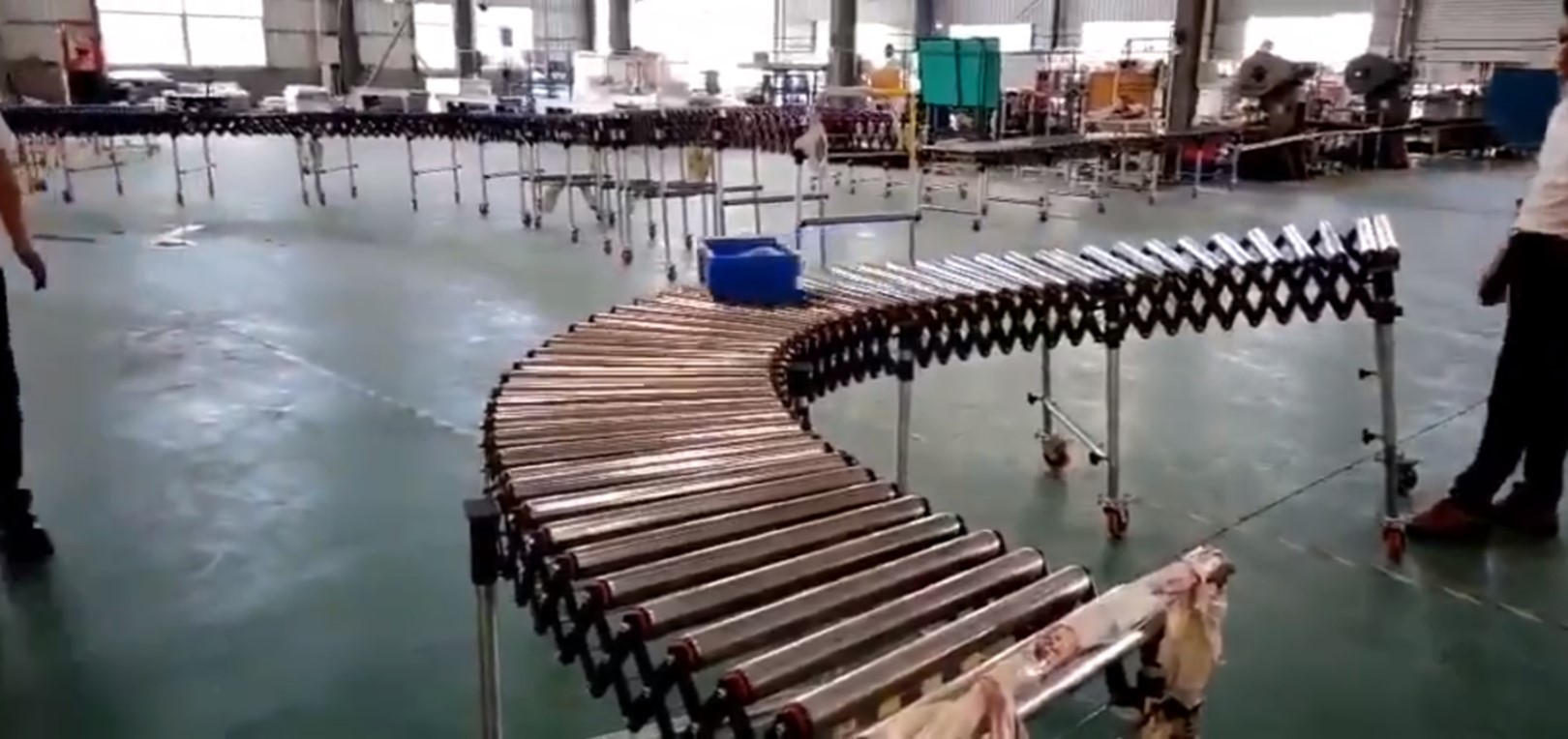
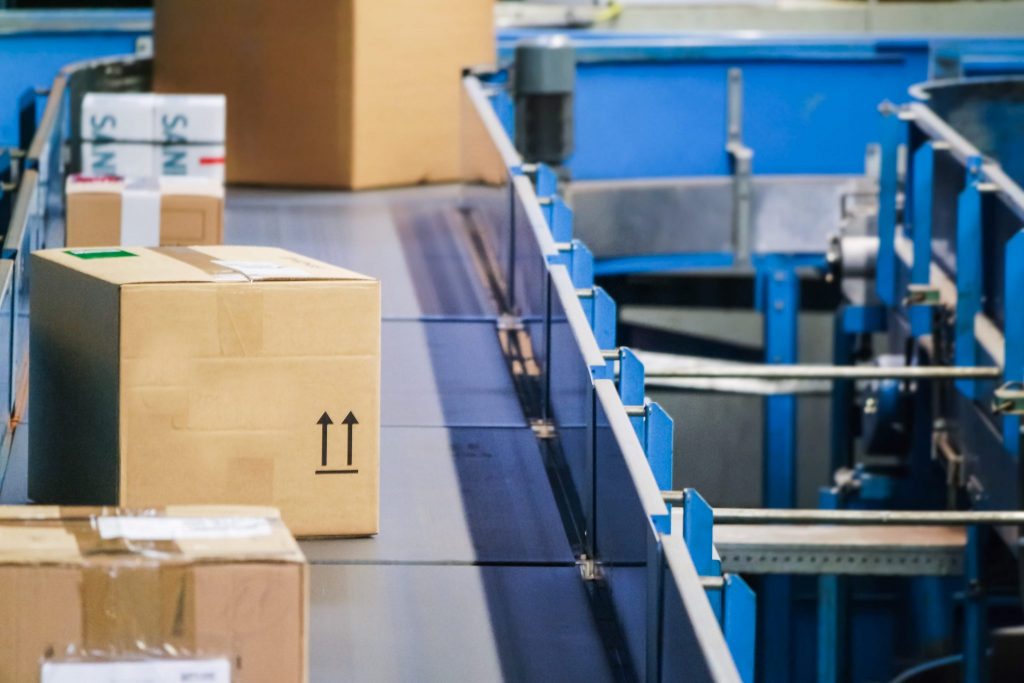
Transport boxes with straight roller conveyors
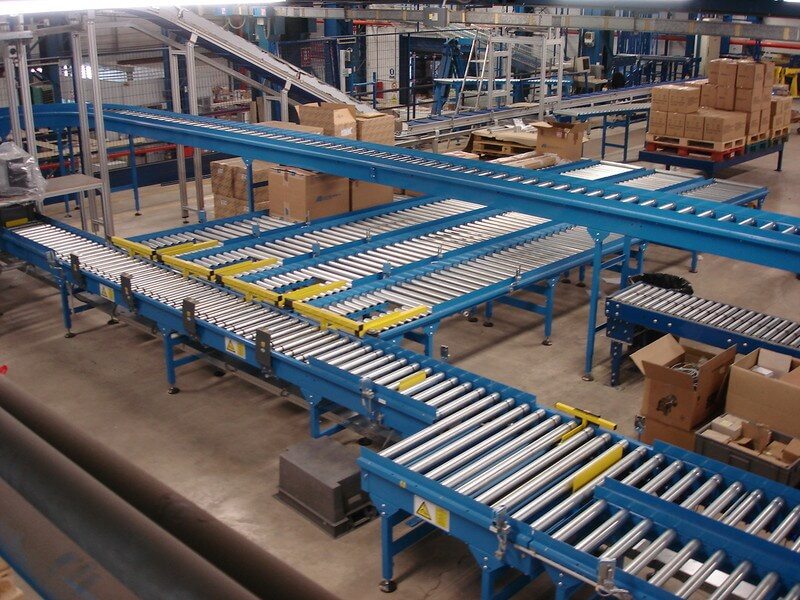
Diverting transport with curved roller conveyors
Limitations of roller conveyors
The spacing between rollers needs to be determined based on the product dimensions and base shape. Small products or products with unstable bases may become stuck or fall into the gaps between rollers if the spacing is not properly selected. The conveying performance on inclined paths also depends on the roller type, contact surface, product weight, and base characteristics. As the incline angle increases, the friction force needs to be taken into account. Rollers with higher-friction surfaces or additional product-retaining mechanisms may be used to minimize slipping.
In addition, for products that are easily deformed, scratched, or unstable during conveying, the roller type and conveying speed should be selected appropriately to minimize impact and product movement during transportation.
Vertical conveyors
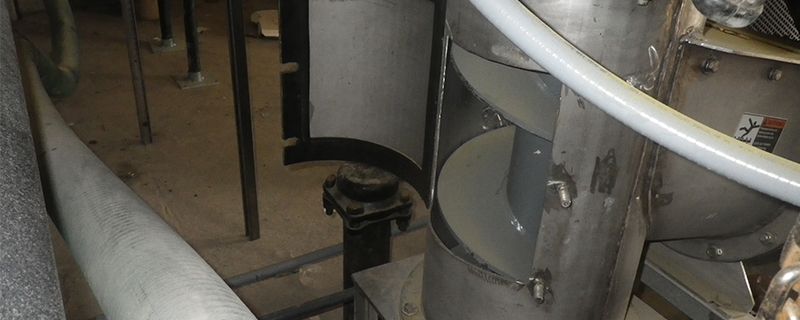
Vertical conveyors are used to transport products vertically or change the elevation between different stages of a production line. Depending on the product, required throughput, and conveying height, the system can use cleated belts, bucket conveyors, vertical lifts, or other specialized conveying mechanisms. Unlike conventional horizontal conveyors, vertical conveyors require suitable mechanisms to retain or position products and prevent them from slipping or falling during elevation changes. Therefore, the equipment configuration should be selected based on the product dimensions, weight, shape, and surface characteristics. The conveying method may vary depending on the type of product. Products packed in boxes, trays, or cartons can be handled using lifting mechanisms or cleated belts to keep them securely positioned. Meanwhile, bulk materials such as granules can be transported using bucket conveyors or other specialized conveying equipment.
Applications in the packaging and packaging industry
In packaging lines, vertical conveyors are used to move products upward or downward between different elevations, particularly in areas where available floor space is limited. Changing the conveying elevation allows conveyors or equipment installed at different positions within the factory to be connected without extending the entire conveying route along the floor. For products that need to be conveyed downward vertically or along a spiral elevation path, spiral conveyors can be used depending on the product characteristics and layout requirements. Spiral conveyors enable continuous product flow while making efficient use of vertical space. Vertical conveyors can also be integrated with feeding, packaging, sorting, inspection, and case packing systems. When combined with sensors and control systems, the equipment can coordinate with upstream and downstream processes to control product feeding and receiving.
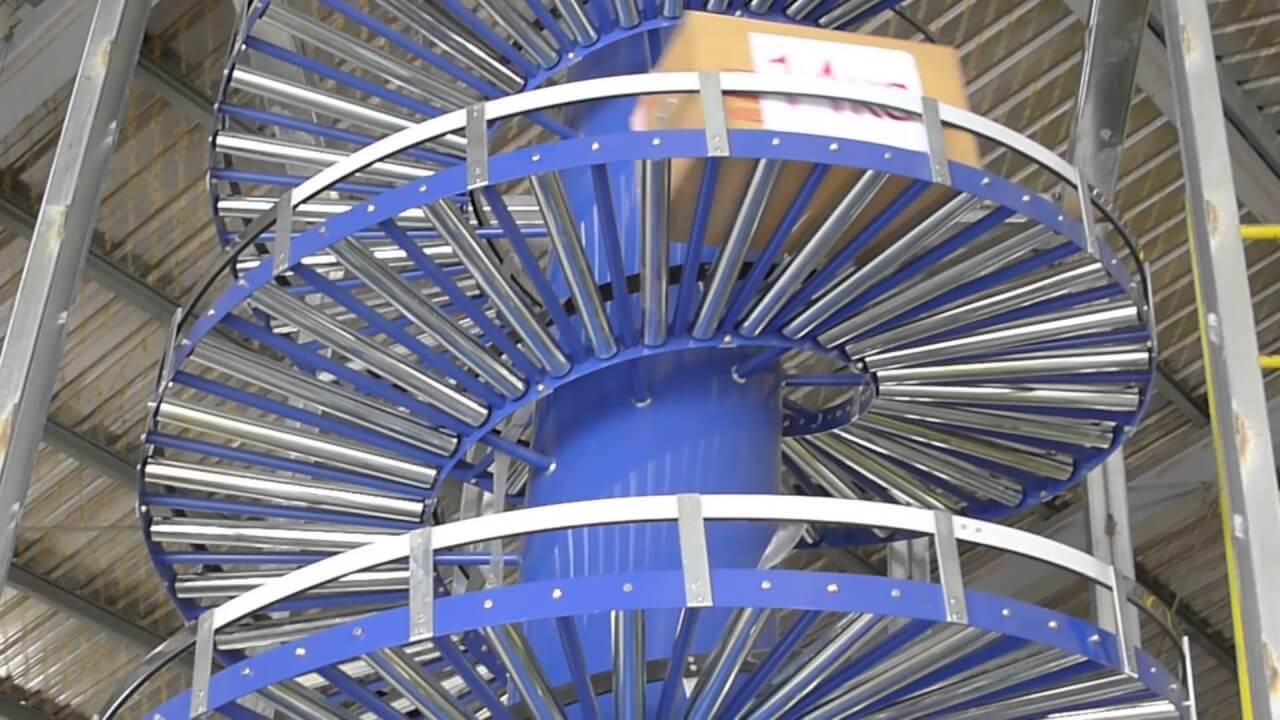
Transport products with bucket conveyors
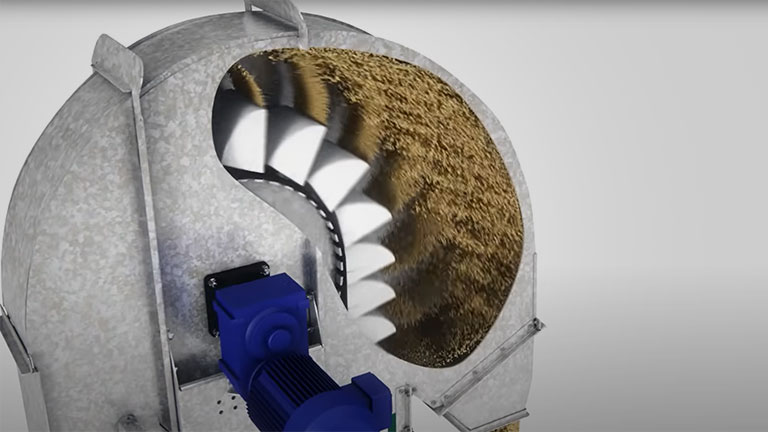
Transport granular products with vertical screw conveyors
Advantages of vertical conveyors
Vertical conveyors are available in various configurations, ranging from simple lifting equipment to continuous conveying systems, allowing them to accommodate different elevation-change requirements in production and packaging lines. Depending on the product, conveying height, required throughput, and available factory space, the equipment can be designed with cleated belts, lifting mechanisms, bucket conveyors, spiral conveyors, or other specialized mechanisms. One of the key advantages of vertical conveyors is their ability to make use of vertical space, making them particularly suitable for factories with limited floor space. However, each configuration has a different operating principle and application range, so the appropriate solution should be selected based on the product characteristics and actual production line requirements.
Limitations of vertical conveyors
Some vertical conveying systems have more complex structures and control mechanisms than conventional horizontal conveyors, particularly when products need to be lifted across multiple elevations or synchronized with several pieces of equipment within the production line. In addition, these systems are often designed for a specific conveying method. When product dimensions, weight, or feeding method change, certain mechanisms may need to be adjusted or modified to maintain stable operation.
Components of packaging conveyors
A packaging conveyor system typically consists of four main groups of components: the frame and support structure, product conveying mechanism, drive system, and control system. Depending on the level of automation required, the conveyor can also be integrated with sensors, cameras, sorting mechanisms, product stops, or other auxiliary equipment. Each component should be selected in coordination with the product characteristics, required throughput, operating environment, and upstream and downstream equipment. This provides the basis for ensuring stable conveyor operation and successful integration into the overall production line.
Materials for product conveying mechanisms
The conveying mechanism can use belts, rollers, chains, mesh, or other specialized structures. Each material has different characteristics in terms of durability, friction, temperature resistance, wear resistance, cleanability, and cost. Therefore, material selection should not be based solely on purchase price but should also take the actual operating conditions into account.
Belt materials
Rubber-coated belts are commonly used in applications requiring a certain level of grip, load capacity, or wear resistance. Depending on the material formulation, rubber belts can accommodate different operating conditions involving temperature, oil and grease, or chemicals. For food applications, the belt should be selected from products specified by the manufacturer as suitable for food contact requirements rather than assuming that all rubber belts are either suitable or unsuitable for such applications.
PVC belts are widely used in conveying systems for light- and medium-load products. They are available with various thicknesses, surface patterns, and constructions, making them suitable for transporting boxes, bags, bottles, trays, and other packaged products.
PU belts offer good wear and oil-and-grease resistance in many configurations and are also available in grades designed for food-processing applications. For production lines requiring high hygiene standards or direct product contact, the belt should be selected according to the applicable standards and operating conditions rather than based solely on the material name.
Roller, chain, and mesh materials
Engineering plastics offer advantages such as low weight, corrosion resistance, and flexibility in manufacturing different shapes. Depending on the specific plastic, these materials can be used to manufacture chain links, belt modules, rollers, or guiding components for conveyors. Their temperature resistance, load capacity, and wear resistance should be evaluated based on the specific plastic material. Stainless steel is commonly selected for conveyor components requiring corrosion resistance, mechanical durability, and high hygiene standards. Depending on the stainless steel grade and operating conditions, it can be used for frames, rollers, mesh belts, or product-contact components. For food-processing applications or high-temperature environments, the appropriate stainless steel grade and configuration should be selected according to the actual operating conditions.
Considerations when selecting materials
Material selection for the conveying mechanism should be carried out after determining the product type, load capacity, conveying speed, temperature, humidity, level of abrasion, hygiene requirements, and conveying method. The same type of product may be handled using different material configurations depending on the requirements of the production line. Investment cost should also be balanced against actual operating conditions. Using materials with specifications significantly higher than required does not necessarily provide proportional benefits, while unsuitable materials can increase maintenance and replacement costs. Therefore, the material configuration should be determined based on both technical requirements and overall investment efficiency.
Frame and support structure
Frame material selection
The frame and support structure carry the load, maintain the conveyor geometry, and secure the mechanical, electrical, and control assemblies. Frames are commonly manufactured from painted steel, stainless steel, or other suitable materials depending on the load capacity and operating environment. When selecting the frame material, factors such as load capacity, structural rigidity, humidity, corrosion resistance, hygiene requirements, and installation conditions should be considered. In high-humidity environments or applications with strict hygiene requirements, stainless steel is commonly used to improve corrosion resistance and meet operating requirements. Certain areas with specific requirements for electrical insulation, static control, impact resistance, or direct product contact may also incorporate components made from engineering plastics, rubber, or other specialized materials.
Importance of conveyor frame rigidity
The stability of a conveyor frame depends not only on the material but also on the structural design, cross-sectional dimensions, connection method, support locations, and installation foundation. A frame with appropriate structural rigidity helps minimize deformation and vibration during operation. This is particularly important for high-speed systems or conveyors integrated with sensors, cameras, positioning mechanisms, and other automation equipment, as excessive vibration can affect the accuracy of these components. In addition, the frame and support structure must be properly designed to accommodate the load of both the conveyed products and any equipment assemblies integrated into the conveyor. A stable structure helps maintain the relative position of different mechanisms and facilitates operation and maintenance.
Drive system
The drive system provides the torque required for the conveying mechanism to move products at the required speed. Depending on the conveyor type, the system may include a motor, gearbox, pulleys, sprockets, chains, couplings, drive shafts, and other related components. The drive system should be selected based on factors such as conveyor length, load capacity, conveying speed, incline, conveying mechanism, and operating conditions. For automated production lines, the drive system must also be designed to synchronize with upstream and downstream equipment.
Head drive conveyor
A head drive conveyor is a configuration in which the motor and drive assembly are positioned at one end of the conveyor. This is a common arrangement for many types of belt conveyors due to its relatively simple construction and ease of installation. Depending on the design, the motor may drive the conveyor directly or through a gearbox, chain, belt, or other transmission mechanism. The specific configuration should be selected based on the technical requirements and available installation space of the system.
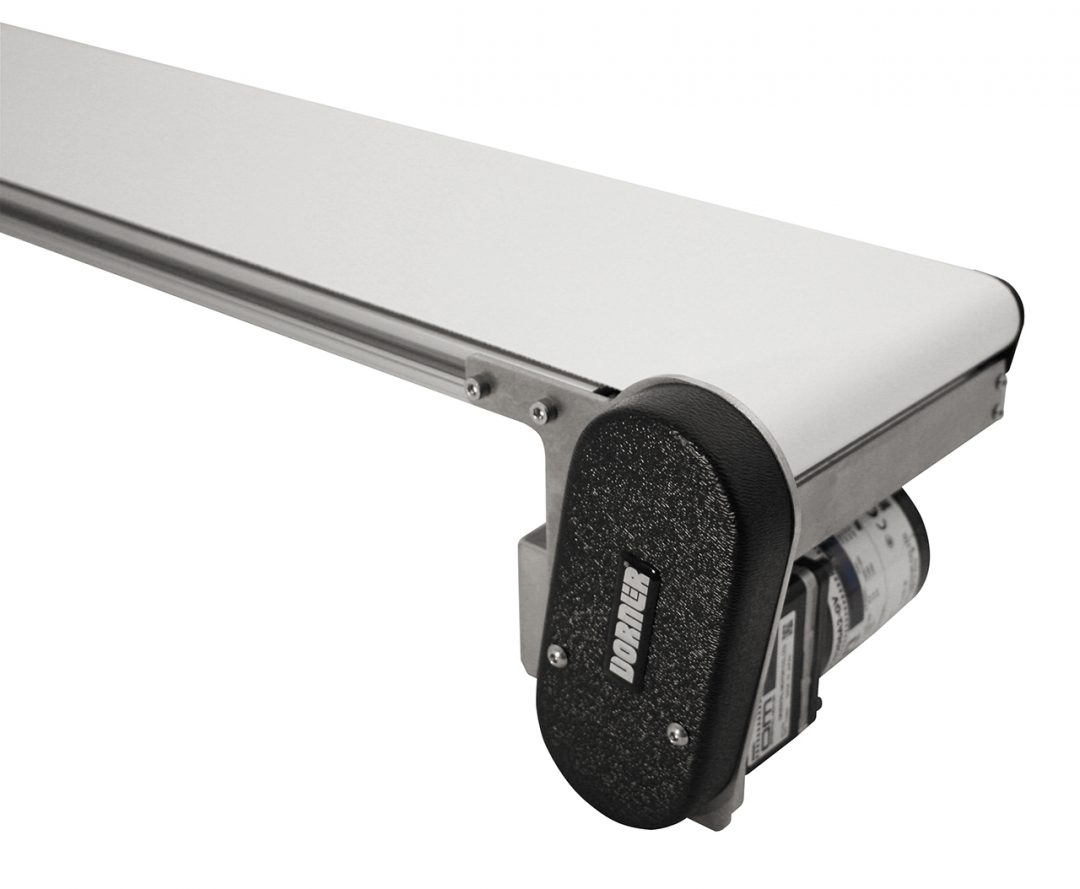
A head drive conveyor, as the name suggests, has its drive assembly positioned at one of the ends of the conveyor. The motor supplies power to one of the end rollers of the conveyor. Ideally, the drive is positioned at the discharge end of the conveyor to pull the belt or chain over the drive pulley. In some cases, when the conveyor design has been reviewed and approved by a qualified engineer, the drive can be positioned at the product infeed end, allowing it to push or pull the belt or chain over the drive pulley. In either configuration, this type of drive is also referred to as a head drive, based on the direction in which the product moves toward the head end of the conveyor.
Center drive conveyor
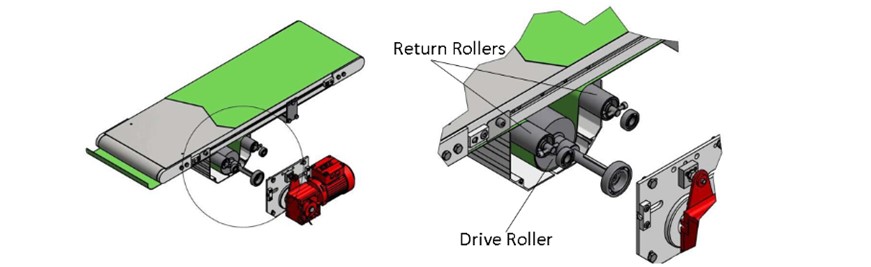
This type of drive can typically be mounted anywhere along the frame of the conveyor, not just at the geometric center of the conveyor. It should be noted that for it to be a central drive, the motor is not attached to the pulley or end roller of the conveyor.
These actuators typically include three rollers, instead of one as used in the final drive configuration. The three rollers consist of a drive roller, which is usually larger in diameter than the other rollers, and then two return rollers (also known as turning rollers or idler rollers), located on either side. side of the drive roller. Because of the need for two idlers and the more complex design, a center drive is more expensive than a final drive.
Internal drive conveyor:
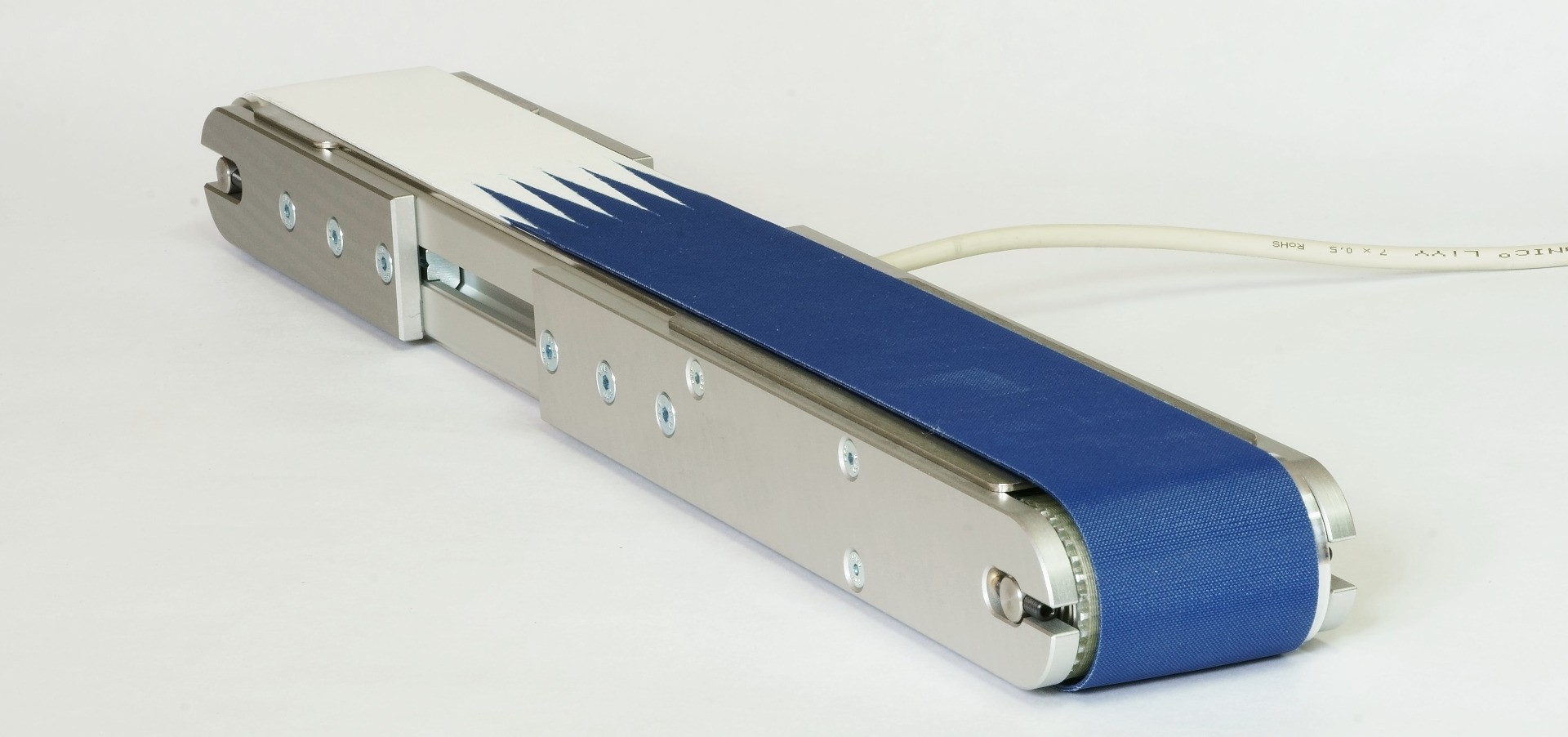
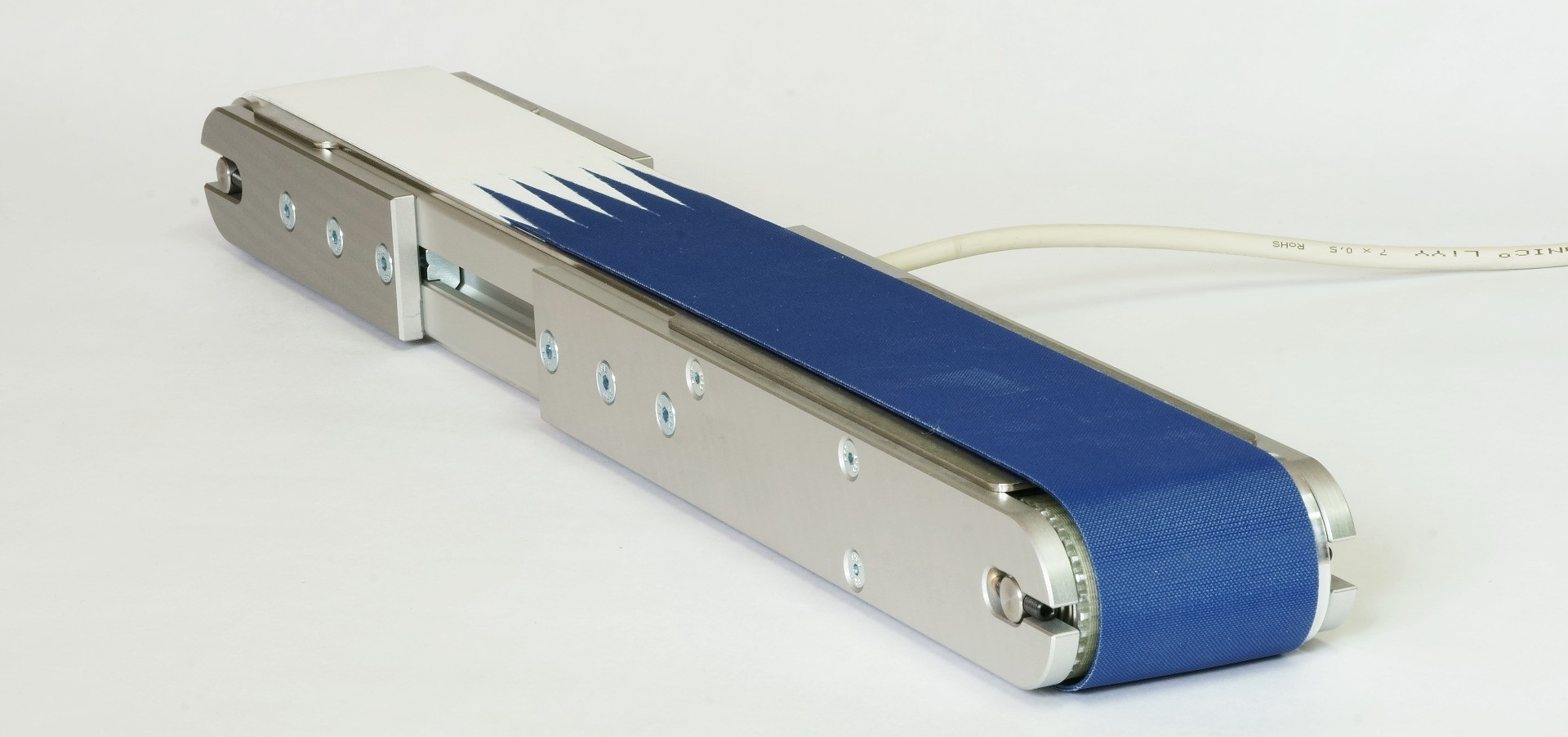
In both of the previously described drive configurations, the motor is mounted externally on the conveyor and connected to the drive pulley. However, with an internal drive configuration, the drive motor is installed inside the conveyor. This type of drive is most commonly used with belt conveyors, although it can also be used with plastic modular belt conveyors. An internal drive conveyor can be configured with a motorized pulley positioned either at the end or in the center of the conveyor.
In the image above, a small electrical cable can be seen extending from the conveyor. This cable supplies power to the internal drive system.
Factors to consider when selecting a conveyor drive system
When selecting a conveyor drive type, three key factors should be considered: conveyor type, power requirements, and available installation space.
Conveyor type is the most important consideration because not every drive configuration is suitable for every type of conveyor. The amount of power required by the conveyor can also limit the types of drive systems that can be used. The same applies to available space. If there is insufficient space to install a conventional external motor, a center drive or internal drive may be required.
The conveyor type itself can also influence the drive configuration. Therefore, working with a conveyor manufacturer can make the selection process easier. An experienced and technically trained sales and engineering team can provide support in determining a suitable drive solution based on the actual application requirements.
Control system
Role of the control system in packaging conveyors
Regardless of its configuration, a control system has the primary purpose of controlling the equipment so that it operates according to the intended settings and operator requirements. An open-loop control system does not receive feedback from the system, so the actual operating parameters may deviate from the set values. A closed-loop control system, on the other hand, can monitor system operation using feedback data from devices such as sensors and vision systems, allowing the actual values to remain closer to the specified setpoints. For a packaging conveyor system, setpoints may include conveyor speed, conveyor acceleration, operating time, delay time between operating cycles, conveying direction, and other operating parameters.
Types of control systems
Hardwired control systems: These systems are suitable for simple control requirements, such as fixed-speed operation with basic start/stop control, and typically use conventional motors. The system is built primarily from components that do not execute programmable control logic, such as push buttons, relays, timer relays, and variable frequency drives for speed control.
This type of control system generally has a lower initial cost but offers limited flexibility when the application changes. Modifying the system may require hardware redesign and can take considerable time. However, hardwired systems can provide reliable and durable operation and are generally suitable for fixed applications that are expected to operate in a stable configuration over a long period. They are less suitable for production systems that require frequent changes or future expansion.Programmable control systems: These systems can be applied to both simple and complex control requirements, such as segmented movement, continuously variable speed control, acceleration control, frequent reversing, and other coordinated motion functions. They commonly use variable-speed motors such as servo motors and stepper motors. The control architecture can combine conventional electrical components with programmable devices such as PLCs, microprocessors, and computer-based control systems. Programmable control systems generally require a higher initial investment, but they offer significantly greater flexibility when applications change. In many cases, control functions can be modified by updating the program rather than redesigning the hardware, reducing the need for hardware modifications or extended machine downtime. Industrial-standard control components can also provide reliable operation when properly selected and implemented.
These systems can be applied to a wide range of control requirements and are particularly suitable for flexible manufacturing applications that require frequent changes, continuous updates, or future expansion and upgrades.
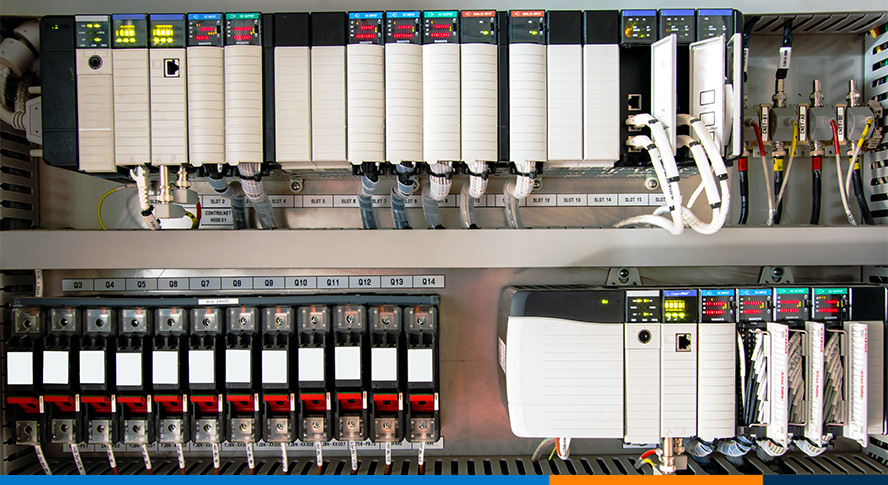
Packaging conveyors are an effective solution for businesses looking to invest in production automation and process integration, helping improve product flow and coordination between different stages of the production line. Applying automation to the production process also enables businesses to make adjustments and better control production output according to actual requirements. In the long term, investing in conveyor automation can help reduce reliance on manual handling, improve operational consistency, and optimize labor utilization. If you are looking for a packaging conveyor and want to integrate it into your production line, contact CNC VINA for a suitable solution based on your products and production requirements.
VIETNAM TECHNOLOGY APPLICATION & CNC JOINT STOCK COMPANY
Factory: Song Cung Industrial Point, Dong Thap Commune, Dan Phuong District, Hanoi, Vietnam
Office: Rox Tower Building (Rox Center Goldmark City), No. 136 Ho Tung Mau Street, Bac Tu Liem District, Hanoi, Vietnam
Phone: +84.916 63 9355 / +84.915 74 4664
Website: https://cncvina.com.vn; https://cncvina.net; https://cncviname.com.vn
Email: Sales01@cncvina.com.vn | Sales03@cncvina.com.vn